How to Wash Mop Head in Washing Machine
You mop the floors to keep your home clean, yet the mop head itself often gets overlooked. A dirty, smelly mop spreads grime instead of removing it. The good news? Most microfiber mop heads can be easily cleaned in the washing machine, restoring their absorbency and hygiene. If you have ever wondered how to wash a mop head in the washing machine without ruining it or your appliance, this guide delivers clear, step-by-step instructions based on manufacturer guidelines and real-world best practices.
You will learn which mop types are safe to wash, the right settings to use, how to disinfect effectively, and when it is time to replace the head. Keep reading to extend your mop is life and ensure every clean is truly clean.
Compatible Mop Types for Machine Washing
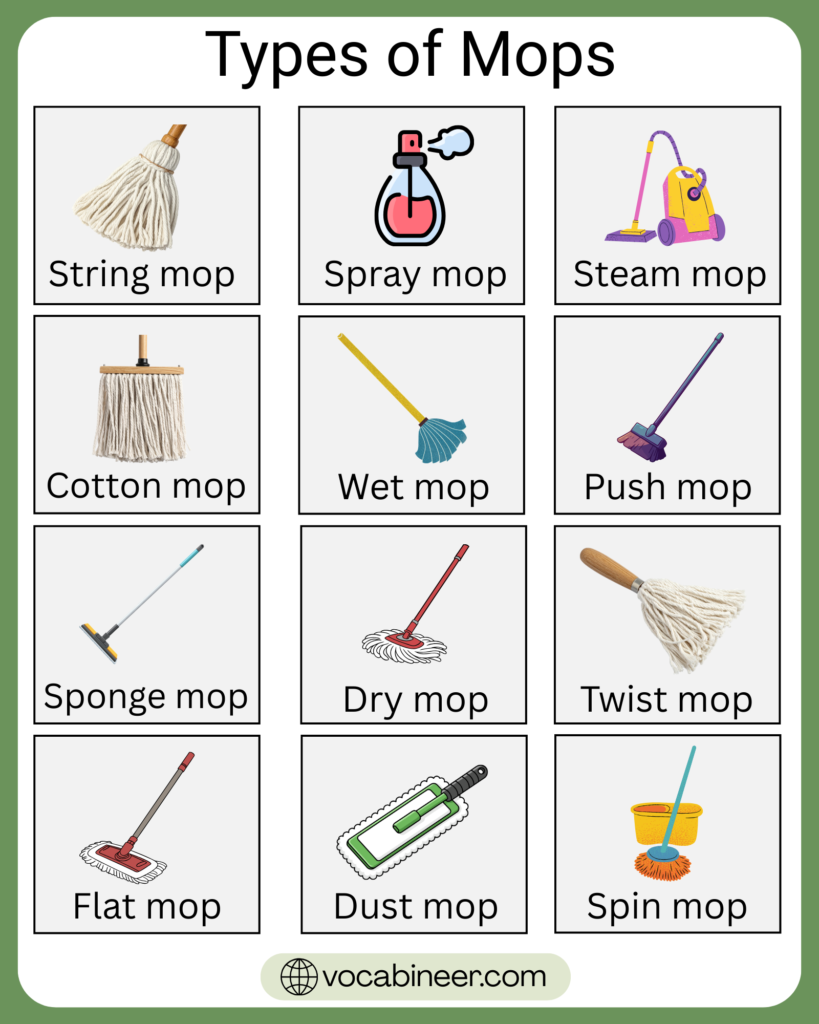
Not all mop heads belong in the washing machine. Knowing which ones can handle a spin cycle prevents damage to both the mop and your appliance.
Microfiber Mop Heads Are Washable
Microfiber mop pads are designed for machine washing. These include flat mop pads, spin mop inserts, and reusable cleaning cloths. Their tightly woven fibers trap dust and bacteria, but regular laundering restores performance.
Key benefits of machine washing include removal of embedded dirt and oils that rinsing alone cannot achieve.
O-Cedar Mop Head Compatibility
O-Cedar microfiber heads fit multiple models but are not universally interchangeable. The EasyWring, RinseClean, and H2O PRO models are washable. However, EasyWring heads do not fit RinseClean mops, and RinseClean heads do not fit EasyWring mops. Always remove the red frame before washing. This plastic base stays on the mop, and only the fabric pad goes in the washer.
Step-by-Step: Wash Mop Head in Machine
Follow these steps to safely clean your mop head and maintain its effectiveness.
Remove the Mop Head Properly
To detach the mop head, lay the mop flat with the head facing up. Grip the edge of the pad and pull upward to unclip from the frame. For spin mops, use your foot to push the head off to avoid touching dirty material. Look for stitching or clips holding the pad. If it lifts easily, it is meant to be removed.
Pre-Rinse Before Washing
Rinse the mop head under warm water at the sink or shower. Swirl to loosen dried-on dirt, then wring out excess grime. This step reduces strain on your washing machine and improves cleaning results. Skip this step, and you risk clogging the drain pump with debris.
Load Into Washer Correctly
Place the mop head directly into the drum. Add two to three towels or cleaning rags to balance the load. Avoid washing with linty fabrics if using the mop on hardwood or tile. Never overload the washer. Mop heads need room to move for proper cleaning. Wash mop heads separately from clothing to prevent cross-contamination.
Set Correct Wash Cycle
Use these settings for optimal cleaning. For temperature, use up to 86°F (30°C) for O-Cedar per manufacturer guidelines, or hot water at 120°F or higher for deep sanitization on other microfiber brands. Use a regular or heavy-duty cycle. Use mild liquid detergent only, and never use fabric softener. Fabric softener coats microfibers and kills absorbency.
Dry Thoroughly After Washing
Choose one drying method. Air-dry by hanging or laying flat in a well-ventilated area. Tumble-dry on low or medium heat if the label allows. Ensure the mop head is 100% dry before reattaching. Damp heads breed mold and mildew. Hang in direct sunlight. UV rays naturally kill bacteria and eliminate odors.
Alternative Cleaning: No Machine? No Problem
If your mop is not machine-washable or the washer is busy, use the bucket soak method.
Soak in Disinfecting Solution
Fill a bucket with hot water and add one of these cleaners.
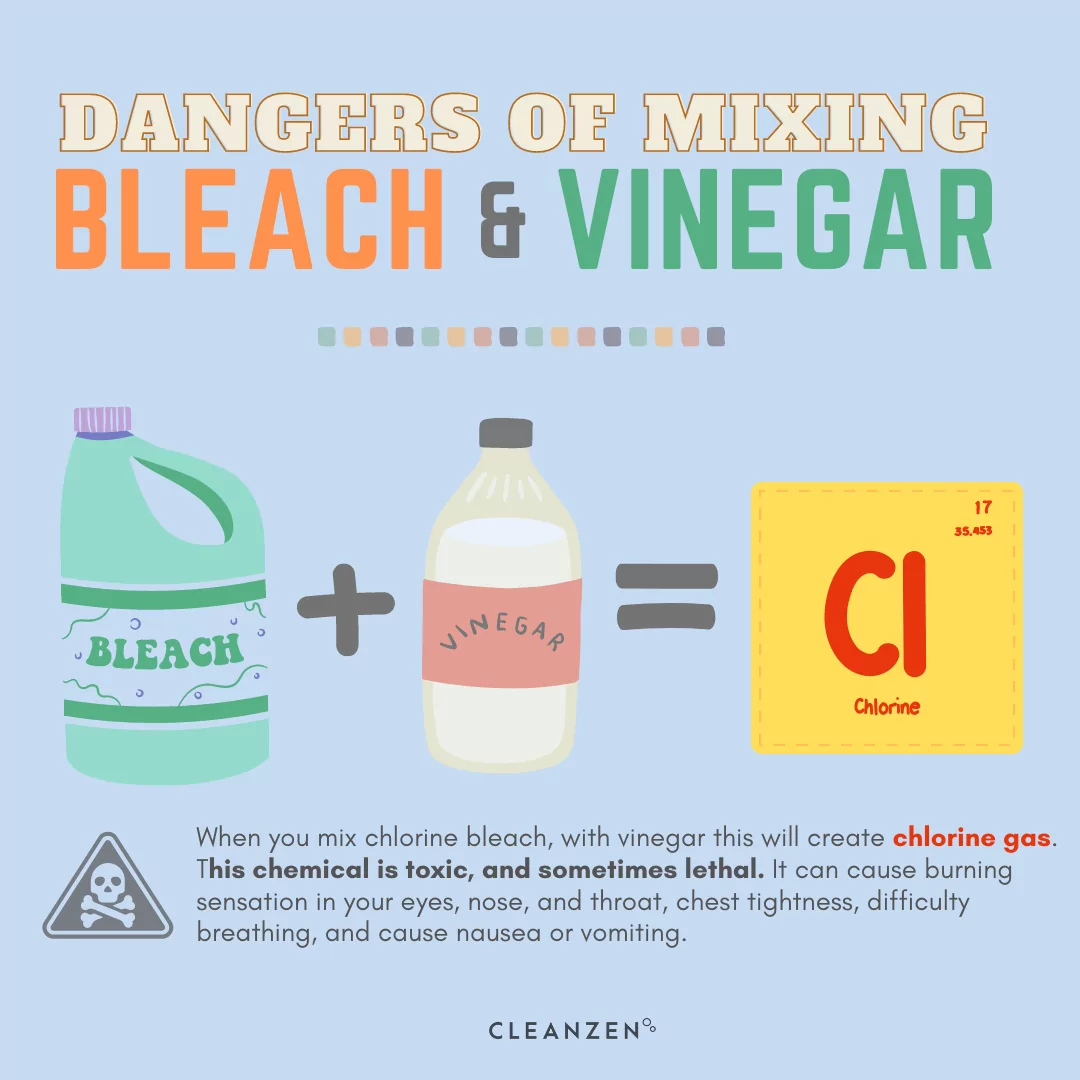
• Bleach at one-half cup per gallon for high-traffic areas and bathrooms
• White vinegar at eight ounces per gallon or one-to-one with water for natural cleaning and deodorizing
• Hydrogen peroxide at eight ounces per gallon for non-toxic disinfection
• Lysol or disinfectant as directed for commercial-grade sanitation
Do not use bleach on sponge mops. It degrades synthetic fibers.
Soak and Rinse Properly
Submerge the mop head fully in the solution. Soak for 30 minutes. Wring out dirty solution. Rinse with clean water. Hang to dry completely. If the mop still smells after soaking, replace it. Bacteria may be deeply embedded.
Cleaning Solutions Compared
Different solutions offer different benefits for your mop head.
• Bleach kills germs effectively and removes odors. It is safe for microfiber but not for sponges. Use in a well-ventilated space.
• Vinegar provides moderate germ killing and excellent odor removal. It is safe for microfiber and is a natural, low-cost option.
• Hydrogen peroxide offers good germ killing and odor removal. It is safe for microfiber and breaks down safely as an eco-friendly option.
• Lysol provides very good germ killing and odor removal. It is safe for microfiber when following dilution instructions.
• Dish soap plus lemon offers limited germ killing but good odor removal. It is safe for microfiber and works best for light cleaning.
The best combination is a vinegar soak plus sun-drying for effective, chemical-free refresh.
How Often to Clean and Replace
Even the best washing routine will not help if you wait too long between cleanings.
Clean After Every Use
Rinse or wring out thoroughly after mopping. This prevents dirt buildup and extends the time between deep cleans.
Disinfect Every Three to Four Uses
Sanitize when mopping bathrooms or pet areas. Sanitize when spills involve food, bodily fluids, or mud. Sanitize when you notice a musty smell.
Machine Wash Weekly
Set a reminder to wash microfiber heads once per week, especially in households with kids, pets, or allergies. A full wash and dry cycle takes four to six hours, mostly for drying.
Replace Every Two to Three Months
Change the mop head if fibers are frayed or thinning. Change if it does not pick up water like it used to. Change if odors persist after washing. Change if you switch cleaning zones, such as from bathroom to kitchen. Use color-coded pads to avoid cross-contamination between rooms.
Maximize Mop Head Lifespan
Simple habits can double the life of your mop head and keep floors truly clean.
Skip the Fabric Softener
This cannot be overstated. Fabric softener ruins microfiber. It clogs the fibers, reducing their ability to absorb liquid and trap dust. The myth that softening microfiber makes it work better is false. It makes it worse.
Use Mild Detergent Only
Harsh detergents or bleach-based cleaners break down fibers over time. Stick to free and clear detergents, eco-friendly liquid soaps, and products with no added dyes or perfumes.
Wash with Similar Items
Pair mop heads with cleaning rags, kitchen towels, and other microfiber cloths. Avoid washing with lint-producing fabrics like cotton T-shirts. Avoid washing with greasy kitchen cloths unless doing a dedicated dirty load.
Sun-Dry for Natural Sanitizing
UV light is a powerful disinfectant. Hang your mop head outside on a sunny day to kill bacteria, eliminate odors, and speed up drying. Midday sun for two to three hours works best.
Signs It Is Time to Replace
Even with perfect care, mop heads wear out. Watch for these red flags.
Fraying or Thinning Fibers
If the pad looks patchy or strands are breaking off, it will not clean effectively.
Persistent Bad Smell
A sour or mildewy odor after washing means bacteria have colonized deep in the fibers.
Poor Absorbency
Water pools instead of being soaked up. The microfiber is likely clogged or degraded.
Mold or Mildew Spots
Visible black or green specks mean it is time to toss the mop. No amount of cleaning will fix this. Never use a moldy mop head. It spreads spores across your floors.
Quick Reference: Do is and Do Nots
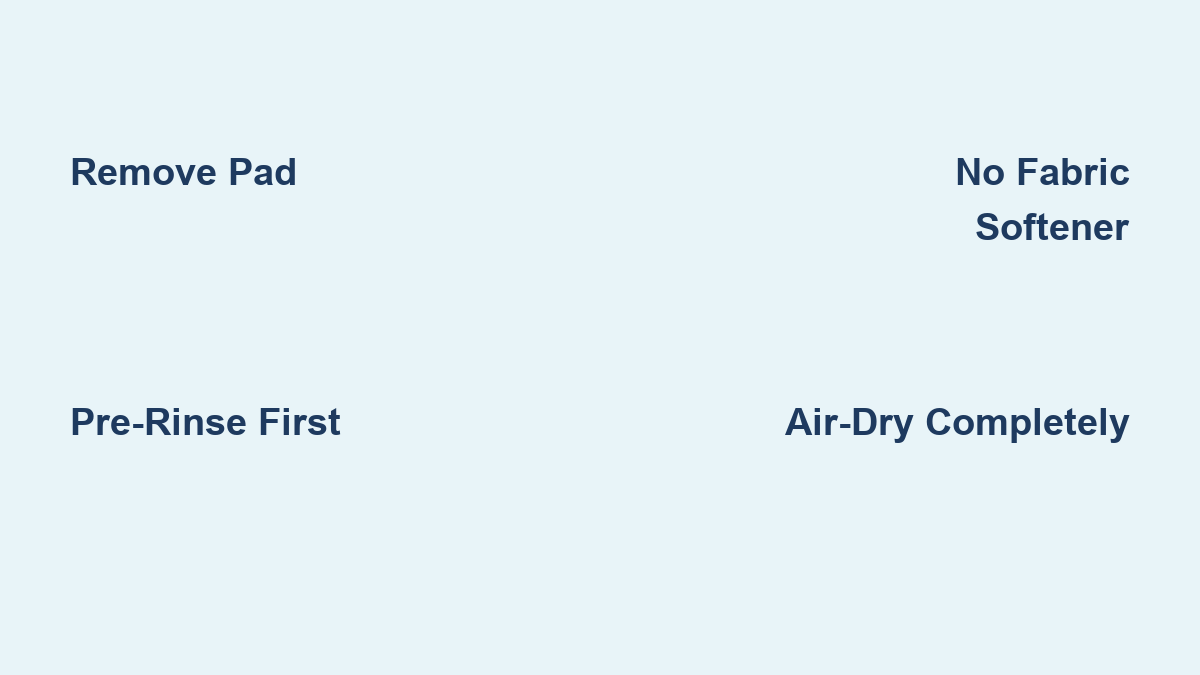
• Remove pad before washing
• Use mild detergent
• Pre-rinse first
• Wash weekly
• Air-dry or low-heat dry
• Replace every two to three months
• Leave it attached to the frame
• Add fabric softener
• Overload the washer
• Ignore odors
• Store damp
• Use bleach on sponge mops
Frequently Asked Questions About Washing Mop Heads in the Washing Machine
Can all mop heads be washed in the washing machine?
No. Only microfiber mop heads are designed for machine washing. String mops, sponge mops, and cotton mops typically require hand washing or bucket soaking. Always check the manufacturer label before machine washing.
What temperature should I use to wash a mop head?
For O-Cedar microfiber heads, use up to 86°F (30°C) per manufacturer guidelines. For other microfiber brands, hot water at 120°F or higher works best for deep sanitization. Hot water improves grease removal and kills more bacteria.
Can I use fabric softener when washing mop heads?
No. Never use fabric softener on microfiber mop heads. It coats the fibers with a waxy residue that repels water and reduces absorbency. This makes the mop less effective at picking up dirt and liquids.
How often should I replace my mop head?
Replace mop heads every two to three months with regular use. Replace sooner if fibers are frayed, if odors persist after washing, if absorbency is poor, or if you see mold or mildew spots.
Can I wash my O-Cedar mop head with my regular laundry?
You can, but it is not recommended. Wash mop heads separately or with similar cleaning rags to prevent cross-contamination. Avoid washing with lint-producing fabrics if you use the mop on hardwood or tile floors.
Key Takeaways for Washing Mop Heads in the Washing Machine
Washing a mop head in the washing machine is simple, effective, and essential for true cleanliness. By following the right steps, removing the pad, pre-rinsing, using mild detergent, avoiding fabric softener, and drying completely, you keep your mop performing like new.
Stick to a regular cleaning and replacement schedule. Clean after every use, disinfect every three to four uses, and machine wash weekly. Replace the mop head every two to three months or sooner if damaged.
Consider natural disinfectants like vinegar and sunlight for a healthier home. Remember, a clean mop means clean floors. A dirty one does the opposite. Take care of your mop head, and it will take care of your floors.