How to Choose a Pressure Washer
You dread scrubbing grime off your driveway or deck by hand when a machine could do it faster. Finding the right unit requires knowing how to choose a pressure washer based on internal build quality rather than flashy marketing claims.
The secret lies in matching the engine power to the correct pump type for your specific workload. This guide reveals exactly which components deliver real cleaning power and longevity so you can avoid costly mismatches.
Select a Honda Horizontal Shaft Engine for Reliability

Your pressure washer engine powers every cleaning task you attempt. A weak or poorly designed engine ruins performance even if the pump is high quality. Most manufacturers assemble machines using parts from other companies rather than building everything from scratch.
Why Honda Engines Dominate the Market
Honda remains the gold standard for reliability and long service life. You must distinguish between their consumer and commercial series to make the right choice.
* GC Series: These consumer-grade engines suit light use like cleaning a deck once a year.
* GX Series: These commercial-grade units handle sustained operation and frequent weekly use.
* Shaft Orientation: Horizontal shafts run side-to-side and suit continuous duty better than vertical shafts found in lawn mowers.
Vertical shaft engines overheat quickly during long cleaning sessions and wear out faster. You should avoid “Honda clone” engines from imports as they mimic the design but fail early with no parts support.
Expert Note: Always verify the engine model number before buying to ensure you are getting a genuine Honda unit.
Match Your Pump Type to Cleaning Frequency
The pump generates the pressure and flow that clean your surfaces. It is the second most critical component after the engine in your decision process. Choosing the wrong pump type leads to premature failure or poor cleaning results.
Axial Cam Pumps for Light Duty
You will find axial cam pumps in models costing under four hundred dollars. They use a spinning cam plate to drive small plungers that create pressure.
* Lifespan: Expect around 500 hours of total operation.
* Best Use: Occasional homeowners washing cars or small patios.
* Limitation: Do not run these for more than 20 to 30 minutes at a time.
Overuse causes rapid overheating and permanent damage to the internal components. These pumps struggle with constant use and high output demands.
Triplex Piston Pumps for Heavy Use
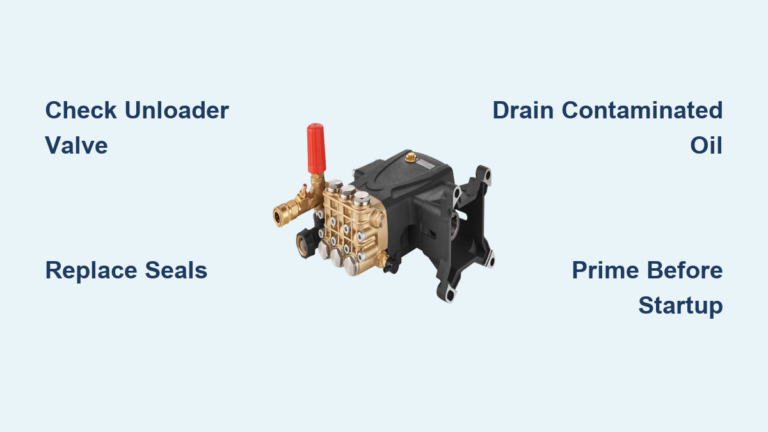
Triplex pumps use three pistons driven by a crankshaft similar to a small engine. They offer a lifespan of over 2,000 hours with proper maintenance.
* Durability: Handles constant use without breaking down.
* Performance: Delivers high PSI and high GPM simultaneously.
* Efficiency: Higher flow removes debris faster than high pressure alone.
GPM matters more than PSI for rinsing away loosened dirt effectively. A machine with 3 GPM cleans fifty percent faster than a 2 GPM unit even at the same pressure setting.
Pair Engine and Pump Correctly for Longevity

A mismatched engine and pump combination wastes your money and shortens machine life significantly. You must align the power source with the pump demands for optimal results.
Consumer Engine with Axial Cam Pump
This combination works well for seasonal use occurring only once or twice a year. It handles small jobs like washing a car or garden furniture effectively.
* Ideal Setup: Honda GC160 paired with an axial cam pump.
* Limitations: Do not expect weekly cleaning capability or large driveway coverage.
* Runtime: Limit sessions to prevent overheating the pump.
Commercial Engine with Triplex Pump
This pairing suits monthly or weekly cleaning tasks around your property. Contractors doing three to five jobs per week rely on this configuration.
* Ideal Setup: Honda GX200 with a 3.0 GPM triplex pump.
* Applications: Fences patios sidewalks and large decks.
* Benefit: Reliable mid-tier professional performance.
Large Engine with High-Capacity Pump
Heavy-duty residential cleaning and commercial fleets require maximum power and endurance. This setup handles concrete stripping and large surface areas easily.
* Ideal Setup: Honda GX390 with a 4.0 GPM triplex pump.
* Output: Delivers 4,000 PSI cleaning power with long-term durability.
* Warning: Never pair a weak engine with a heavy-duty pump as the engine will strain and fail.
Prioritize Quick-Connect Hoses and Nozzles
Avoid gimmicks and focus on features that improve usability and reach during operation. These elements save you time and reduce frustration during every cleaning session.
Benefits of Quick-Connect Hose Systems
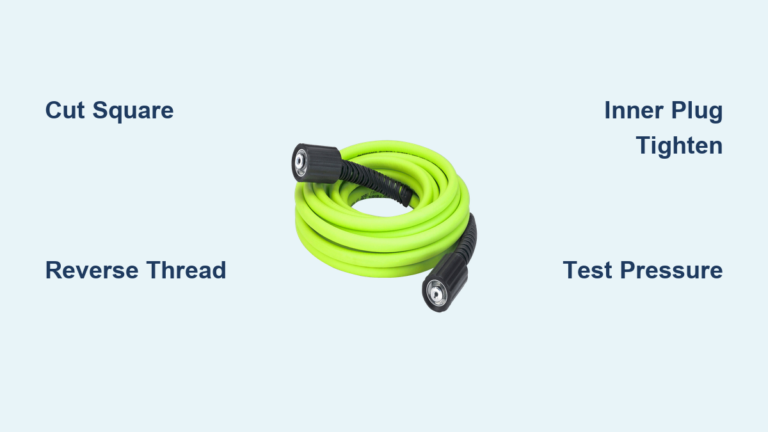
Forget M22 threaded fittings because they are slow leak-prone and limit hose length options. Quick-connect systems let you snap on 25 50 or 75-foot hoses in seconds.
* Extend your reach without using tools.
* Swap hoses or accessories easily.
* Reduce tripping hazards with better storage.
Importance of Quick-Change Nozzles
Switch spray patterns instantly to match different surface requirements safely. Always start with a wider angle on delicate surfaces to prevent damage.
* 0 Degree: Pinpoint jet for concrete only.
* 15 Degree: Tough stain removal on hard surfaces.
* 25 Degree: General cleaning for most tasks.
* 40 Degree: Gentle wash for cars and siding.
Test in an inconspicuous spot first before cleaning the entire surface area.
Adjustable Unloader Valve on Pro Models
Commercial units often feature a red knob that lets you lower PSI without reducing GPM. This allows safe cleaning of sensitive surfaces while maintaining rinse power.
* Set to 3,000 PSI for concrete surfaces.
* Dial down to 2,000 PSI for cedar fencing.
* Keep GPM constant for effective debris removal.
Fixed-unloader pumps drop both pressure and flow which reduces cleaning efficiency significantly.
Match Performance Specs to Your Needs

Do not overspend on power you do not need or underbuy for your actual demands. Choose based on your specific cleaning frequency and surface types.
Occasional Homeowner Requirements
Buy a unit with a Honda GC160 or GC190 engine and an axial cam pump. Expect output between 2,000 and 2,500 PSI with 1.8 to 2.2 GPM flow.
* Price Range: $300 to $500.
* Tasks: Car wash small deck garden tools.
* Caution: Let the machine cool between uses.
Regular Home Maintenance Needs
Select a Honda GX200 engine with a triplex piston pump for best results. Look for 3,000 PSI and 3.0 GPM output for versatile cleaning power.
* Price Range: $800 to $1,200.
* Tasks: Driveways fences siding large decks.
* Value: Pays for itself in time saved over several years.
Heavy-Duty Commercial Demands
Invest in a Honda GX390 engine with a high-capacity triplex pump. Ensure the frame is welded steel with rubber mounts for vibration control.
* Price Range: $1,800 to $3,000.
* Tasks: Concrete stripping fleet washing roof cleaning.
* Features: Look for thermal relief valves and oil sight glasses.
Avoid Common Pressure Washer Buying Mistakes

Many buyers chase high PSI numbers alone and ignore the actual cleaning power equation. Real cleaning power equals PSI multiplied by GPM flow rate.
Chasing High PSI Numbers
A machine boasting 4,000 PSI might only deliver 1.8 GPM which is misleading. A 3,000 PSI machine with 3.0 GPM actually cleans faster than a 4,000 PSI unit with 1.8 GPM.
* 3,000 PSI times 3.0 GPM equals 9,000 cleaning units.
* 4,000 PSI times 1.8 GPM equals 7,200 cleaning units.
* The lower pressure machine cleans more effectively in this scenario.
Ignoring Internal Component Quality
Two brands may look different but use identical pumps and engines inside. Top Gun and Be Right both use Honda engines and Comet pumps despite different branding.
* Research what is inside before buying any unit.
* Frame and hose reel differences matter less than core parts.
* Performance comes from the engine and pump combination.
Skipping Maintenance Preparation
Even the best machine fails without proper care and maintenance habits. Drain the pump in winter or use antifreeze to prevent freezing damage.
* Replace inlet water filter monthly.
* Check oil every 50 hours of operation.
* Store with fuel stabilizer added to the tank.
Run pump preservative through the system before storage to prevent internal corrosion.
Future-Proof Your Pressure Washer Investment
Buy for what you will do in the future not just what you do today. Ask yourself if you will clean driveways next year or start a side business.
* Consider potential rental opportunities.
* Plan for larger surface areas over time.
* Upgrade to a triplex pump model for longer life.
A one thousand dollar triplex-pump model lasts longer than a three hundred dollar axial cam unit. The expensive unit costs less per hour of operation over its lifetime.
Final Checklist for Choosing a Pressure Washer
You now know how to choose a pressure washer by focusing on engine and pump quality. Select a Honda GX series engine for regular use and a triplex piston pump for durability.
* Balance output with 3,000 PSI and 3.0+ GPM.
* Choose quick-connect hoses instead of M22 threads.
* Ensure quick-change nozzles are included.
* Verify adjustable unloader on pro models.
Invest in a reliable Honda-powered triplex machine to save time and money. Visit Carl’s Mower and Saw for trusted models with proven parts.
Frequently Asked Questions About Pressure Washers
What is more important PSI or GPM?
GPM (flow) is often more important than PSI (pressure) for rinsing away debris effectively. Higher flow removes dirt faster while pressure mainly loosens it.
How long do axial cam pumps last?
Axial cam pumps typically last around 500 hours before failing under normal use conditions. They are suitable for occasional homeowners but not frequent use.
Can I use a vertical shaft engine for pressure washing?
No vertical shaft engines overheat and wear out quickly under continuous pressure washer loads. You should always choose a horizontal shaft engine for this application.
What nozzle should I use for my wooden deck?
Start with a 40-degree nozzle on wooden decks to prevent surface damage. Test in a small hidden area before cleaning the entire deck surface.
Why should I avoid Honda clone engines?
Clone engines fail early and lack parts availability or service support networks. Genuine Honda engines offer proven reliability and easy maintenance access.
Key Takeaways for How to Choose a Pressure Washer
Selecting the right machine depends on matching the engine type to the pump capabilities for your specific needs. Focus on genuine Honda horizontal shaft engines and triplex pumps for regular or commercial use. Avoid high PSI claims without adequate GPM flow as this indicates misleading marketing.
Prioritize features like quick-connect hoses and adjustable unloader valves for better usability. Invest in quality components now to avoid frequent replacements and poor performance later. Visit Carl’s Mower and Saw to find models that combine reliable engines with durable pumps for your cleaning projects.