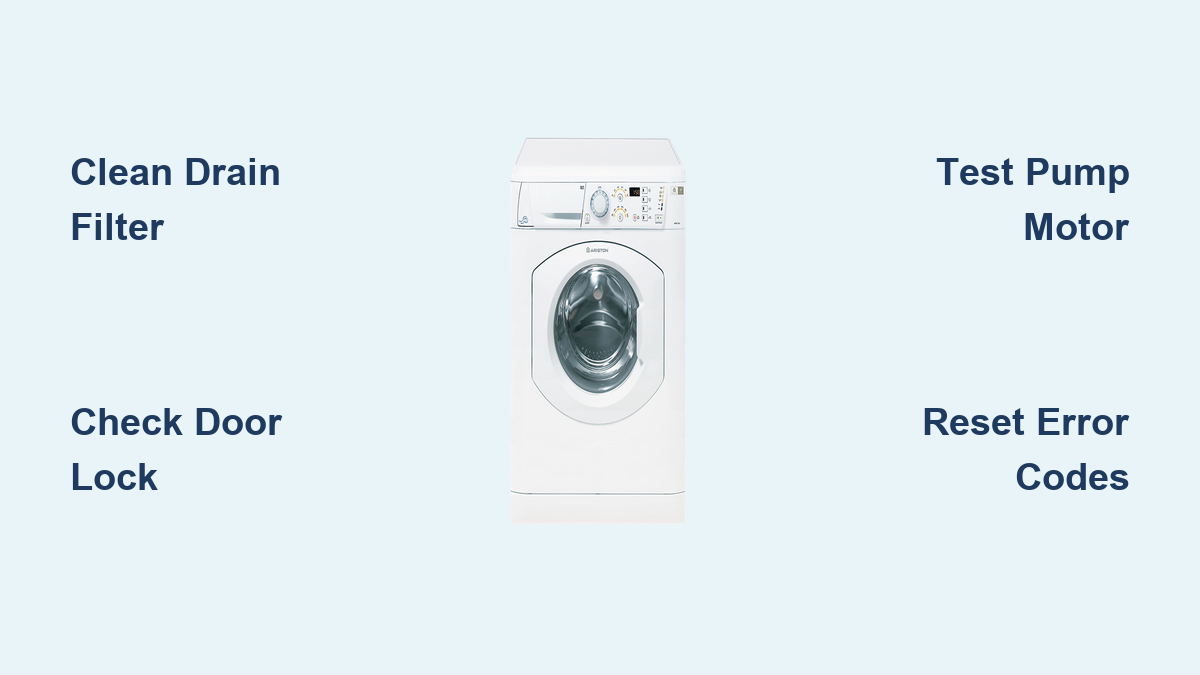
Ariston Washing Machine Repair Guide
If your Ariston washing machine won’t start, won’t drain, or displays an error code, you’re not alone. Thousands of users face similar issues every year, and many of these problems can be diagnosed and resolved at home with the right guidance. This guide covers everything you need for successful Ariston washing machine repair, from decoding error codes to deciding when professional help is warranted.
You’ll learn how to identify the most common faults, test key components safely using basic tools, and determine whether a DIY fix makes sense or if it’s time to call a certified technician.
Decode Ariston Error Codes
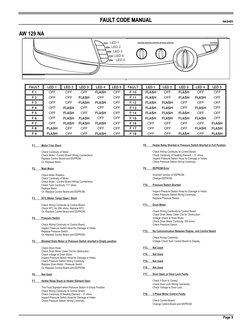
Ariston washers display digital fault codes that point directly to specific system failures. Understanding these codes speeds up diagnosis and helps you target the right component.
F01: Motor Control Circuit Failure
This code indicates a short in the motor drive circuit on the main control board. Check the motor windings with a multimeter, which should read approximately 50 kΩ. Inspect all wiring between the motor and PCB for damage. Look for burnt traces or swollen capacitors on the board itself.
F02: Motor Speed or Tachometer Fault
This code commonly appears in older models with carbon-brush motors. The machine detects that the motor isn’t reaching its target speed. Unplug the washer and access the motor through the rear panel. Check carbon brushes for wear and replace them if they’re shorter than 8 mm. Test motor resistance, and an open circuit indicates a failed motor.
F03: Temperature Sensor Failure
The NTC sensor monitors water temperature, and when readings fall outside the normal range, F03 appears. Power cycle the machine first. Test sensor resistance, which should change with temperature, reading approximately 10 kΩ at 60°C and around 50 kΩ at 20°C. Check wiring continuity from the sensor to the PCB and replace the sensor if resistance is infinite or fixed.
F04 and F10: Water Level Sensor Issues
Both codes relate to the pressure switch or its connecting hose. F04 indicates a general fault while F10 means no signal is being received. Locate the pressure switch near the control panel, disconnect the thin hose, and blow through it to clear any blockages. Test the switch with power off; it should click when manually pressurized. Replace the switch if it’s unresponsive or stuck.
F05: Drain Pump or Pressure Switch Fault
This is one of the most common Ariston errors and often stems from a clogged filter. Turn off the power and open the front lower access panel. Remove and clean the drain filter thoroughly, checking the impeller for trapped debris. If the pump still doesn’t run, test for 230V at the terminals during the drain cycle.
F08: Heating Element Failure
When the heating element fails, the machine won’t heat water, which risks poor wash results and mold growth. Disconnect power and water, then remove the rear panel to access the heater. Set your multimeter to continuity mode and probe both terminals, which should read approximately 30 kΩ. No continuity means the heater needs replacement. Also check insulation between the terminal and chassis.
F09: EEPROM Memory Failure
This code signals that the control board’s memory has become corrupted. The outcome is straightforward: full PCB replacement is required. Causes include power surges, moisture exposure, or age-related chip failure. Prevent this by using a surge protector and avoiding frequent power cycling.
F18: Control Board Display Communication Error
The main board and display aren’t syncing properly. Check the ribbon cable between the boards for reconnection, corrosion, or bent pins. Verify that the power supply is stable. If the problem persists, replace the control board assembly.
Fix Machines That Won’t Start
Ariston washers may power up but remain completely unresponsive. This frustrating issue usually has a few identifiable causes.
Verify Power and Door Lock
Even with indicator lights on, a faulty door lock can prevent startup. Close the door firmly and listen for the characteristic click of the interlock engaging. Use a multimeter to test lock continuity, which should show a closed circuit when the door is shut. No click means the door lock mechanism needs replacement.
Check Internal Fuse and Wiring
A blown fuse can cut power to critical circuits. The fuse is usually located near the power inlet or on the PCB. Test it using a multimeter in continuity mode. If blown, replace with a fuse of the same rating and also inspect for short circuits in connected wiring.
Diagnose Silent PCB Failure
In documented cases, all components test functional yet the machine stays completely dead. The final diagnosis is a failed main control board. Even without visible burns or bulges, PCBs can fail internally. Replacement involves unplugging the machine, removing top and back panels, photographing all wire connections, unscrewing and disconnecting the old PCB, installing the new board, and reconnecting all wires.
Resolve Drain and Spin Failures

When water stays in the drum or spinning stops mid-cycle, act quickly to prevent overflow or mold.
Clear the Drain Pump Filter
Clogs from socks, coins, or lint are the number one cause of drainage problems. Perform monthly maintenance by placing a towel under the front panel, unscrewing the filter cap counterclockwise, removing debris and flushing the housing, and cleaning the impeller by rotating it manually.
Inspect the Drain Hose
A kinked or blocked hose stops drainage entirely. Check that the hose isn’t bent behind the machine. Verify the standpipe height doesn’t exceed 100 cm. Blow air through the hose to clear any obstructions.
Test the Drain Pump Motor
If the filter and hose are clear but drainage still fails, test the pump motor. Disconnect power and locate the pump at the front bottom. Test for continuity, which should read between 4 and 6 kΩ. No reading indicates the pump needs replacement.
Examine Drive Belt and Motor
No spin means mechanical failure may be present. Remove the back panel and inspect the belt for cracks or looseness. Manually turn the drum; if it spins freely but the motor doesn’t engage, test the motor windings. A worn belt requires OEM replacement for proper tension.
Stop Leaks and Reduce Noise
Water on the floor or loud banging during spin cycles signal issues that need immediate attention.
Replace a Failed Door Seal
Cracked or swollen gaskets cause leaks and mold. Symptoms include water pooling at the door base, a musty odor, and visible tears in the rubber. Fix this by peeling back the old seal from both door and tub, cleaning the groove thoroughly, and installing the new seal with proper seating.
Clean the Detergent Drawer
Overflowing dispenser usually indicates a clog. Pull the drawer out fully and soak it in warm vinegar. Use an old toothbrush to scrub all compartments. Avoid overfilling and stick to recommended detergent amounts.
Silence Drum Noise
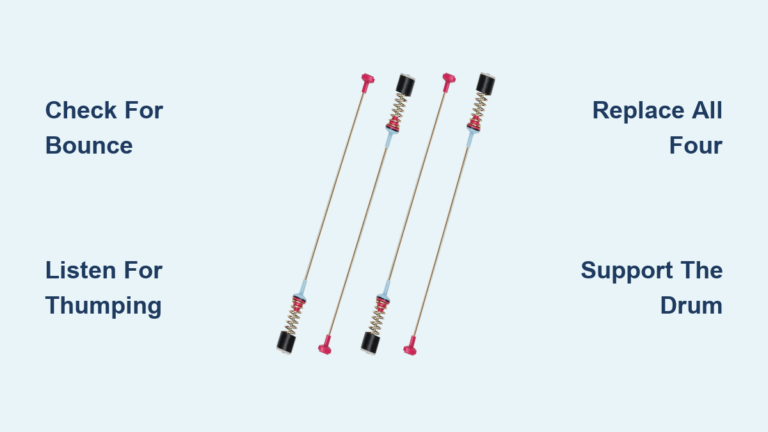
Grinding or thumping during spin points to mechanical wear. Possible causes include an unbalanced load, a foreign object trapped in the drum, or worn drum bearings. Redistribute the laundry first, then check between the inner and outer tubs for foreign objects. Worn bearings require drum removal and are best left to technicians.
Stabilize a Shaking Machine
Excessive vibration damages floors and internal parts. Use a spirit level to check alignment and adjust the front feet until the machine is level. Ensure all four feet touch the floor firmly. Place anti-vibration pads under the feet for smoother operation.
Prevent Future Breakdowns
Regular care extends your Ariston washer’s life and prevents most common faults.
Perform Monthly Maintenance
Simple tasks avoid major repairs. Clean the drain filter, wipe the door seal dry, run a cleaning cycle with vinegar or a dedicated cleaner, and inspect inlet hoses for bulges.
Replace Hoses Every Five Years
Rubber hoses degrade and can burst. Upgrade to braided stainless steel hoses for longer life and burst resistance.
Use Surge Protection
Voltage spikes damage sensitive electronics. Plug your washer into a surge-protected outlet to safeguard the PCB.
Avoid Overloading
Exceeding the 11 kg capacity strains the motor and bearings. Load laundry loosely, leaving room for clothes to move freely.
When to Call a Technician
Some repairs demand professional tools and expertise.
Seek Help For
Persistent error codes after reset and cleaning, electrical faults involving the PCB, motor, or heater, internal leaks from pump housing or tub, and bearing or suspension failure. Opening high-voltage components without training risks shock or fire.
Trusted Ariston Repair Services
Several professional services specialize in Ariston repairs across the United States.
Oleg Appliance Repair serves Miami-Dade and Broward County in Florida. They offer free diagnosis with repair, a 90-day warranty, and online booking. Contact them at (786) 206-8151 or visit olegappliancerepair.com.
Capital Appliance Repair covers Dallas and surrounding regions. Their technicians have over 15 years of experience, they provide a 1-year warranty, and their service vans are stocked with common parts. Call (469) 677-8847.
Max Appliance Repair serves Naples, Florida with same-day service available. Contact (239) 946-4747.
Express Repair New York covers Brooklyn, Queens, Manhattan, and Staten Island. They offer a $25 online discount and free service calls with repair. Call (866) 677-5755.
Repair vs. Replace: Make the Right Choice

Don’t waste money fixing a dying machine or replace one that’s easily repaired.
Choose repair if the machine is under 7 years old and repair costs less than 50% of a new unit price. Choose replacement if breakdowns are recurring, the machine is over 10 years old, or repair costs exceed half the price of a new Ariston washer.
Key Takeaways for Ariston Washing Machine Repair
Most Ariston washing machine repair issues stem from preventable causes like neglected filter cleaning, outdated hoses, or power surges. With regular maintenance and smart diagnostics, you can keep your washer running efficiently for over a decade. Error codes like F05, F02, and F01 appear frequently but point to specific, testable components. Simple fixes like cleaning the drain filter or replacing door seals are DIY-friendly, while PCB failures and motor issues typically require professional attention. For electronic or mechanical failures, rely on certified technicians who carry genuine parts and offer warranties, ensuring your repair lasts.
Frequently Asked Questions About Ariston Washing Machine Repair
How do I reset my Ariston washing machine?
Unplug the machine from the power outlet and wait for 60 seconds. Plug it back in and turn the machine on. This basic power cycle often clears temporary error codes. If the problem persists, the issue requires deeper diagnosis.
What does error code F05 mean on my Ariston washer?
F05 indicates a drain pump or pressure switch fault. This is commonly caused by a clogged drain filter. Clean the filter behind the front lower panel and check the drain hose for blockages.
Can I repair my Ariston washing machine myself?
You can handle simple repairs like cleaning the filter, checking hoses, replacing the door seal, or leveling the machine. Electrical repairs, PCB issues, motor problems, and bearing replacements are best left to certified technicians.
Why won’t my Ariston washing machine start but has power?
This typically points to a faulty door lock, a blown internal fuse, or a failed control board. Test the door lock with a multimeter first. If all components test fine, the PCB likely needs replacement.
How much does Ariston washing machine repair cost?
Costs vary by issue. Filter cleaning is free, a new door seal costs $30 to $80, a drain pump runs $100 to $200, and PCB replacement can cost $200 to $400. Professional labor adds to these costs.
How long do Ariston washing machines last?
With proper maintenance, an Ariston washing machine can last 10 to 15 years. Regular cleaning, leveling, and hose replacement every five years maximize lifespan.