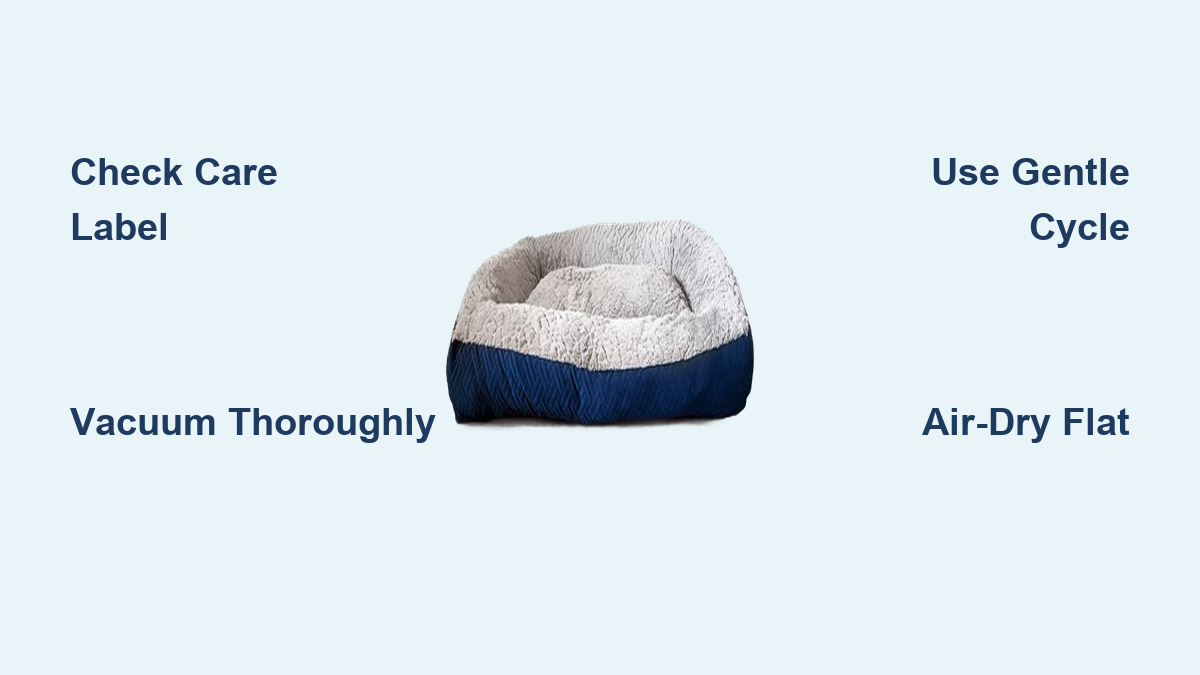
How to Wash Dog Bed in Washing Machine
Your dog loves their bed — it’s their cozy retreat, a place to nap, dream, and shed. But over time, that comfort zone becomes a trap for fur, dander, drool, dirt, and even bacteria. If you have ever wondered why your dog’s bed smells despite regular use, it is likely overdue for a deep clean. The good news? Most dog beds can be safely washed in a washing machine if done correctly. Knowing how to wash dog bed in washing machine ensures your pet’s sleeping area stays fresh, hygienic, and free from allergens and pests.
Washing a dog bed is not just about odor control. It is a critical step in protecting both your pet and your household from hidden health risks like dust mites, fleas, and zoonotic pathogens such as Salmonella and Staphylococcus. With the right steps, from pre-wash prep to drying, you can extend the life of the bed and keep your home cleaner. This guide walks you through every essential step.
Check the Care Label Before Washing
Confirm Machine-Washability
Before tossing the bed in the washer, check the manufacturer’s care label. Not all dog beds are created equal. Some are fully machine-washable, others have removable covers only, and many high-end orthopedic or memory foam beds require hand cleaning. Ignoring the label can lead to ruined padding, shrinkage, or damaged fabric.
Look for these specific details on the label:
– Wash cycle recommendations (gentle, heavy-duty, etc.)
– Maximum water temperature allowed
– Drying instructions (air-dry only, low heat, etc.)
– Warnings like “do not machine wash” or “spot clean only”
If there is no label, assume the bed is not machine-safe unless it clearly resembles a standard cushion with a zip-off cover.
Identify Bed Type and Material
Different materials react differently to washing. Polyester and cotton blends are usually machine-safe. Memory foam or orthopedic inserts are typically not machine-washable. Waterproof linings may withstand washing but need gentle handling. Plastic or metal-frame beds should be cleaned by wiping, not washing.
When in doubt, err on the side of caution and opt for spot-cleaning or hand-washing to avoid damaging your investment.
Remove Hair and Debris Before Washing

Vacuum Thoroughly
Loose pet hair is the enemy of efficient washing. It clogs machine filters, reduces detergent effectiveness, and can redeposit on other laundry. Always vacuum the bed thoroughly before washing to maximize cleaning results.
Use these tools for best results:
– A pet-hair vacuum with an upholstery attachment
– A lint roller for surface fur
– Rubber gloves (lightly dampened) — they attract hair like magic
– A stiff brush to lift matted fur from seams
Focus on corners, tufts, and bolster edges where hair accumulates most heavily.
Shake It Out
Take the bed outside and give it a firm shake. This dislodges embedded dirt, dander, and dust. For beds with removable covers, unzip and vacuum the inner insert separately before washing the cover.
Spot-Treat Stains and Odors
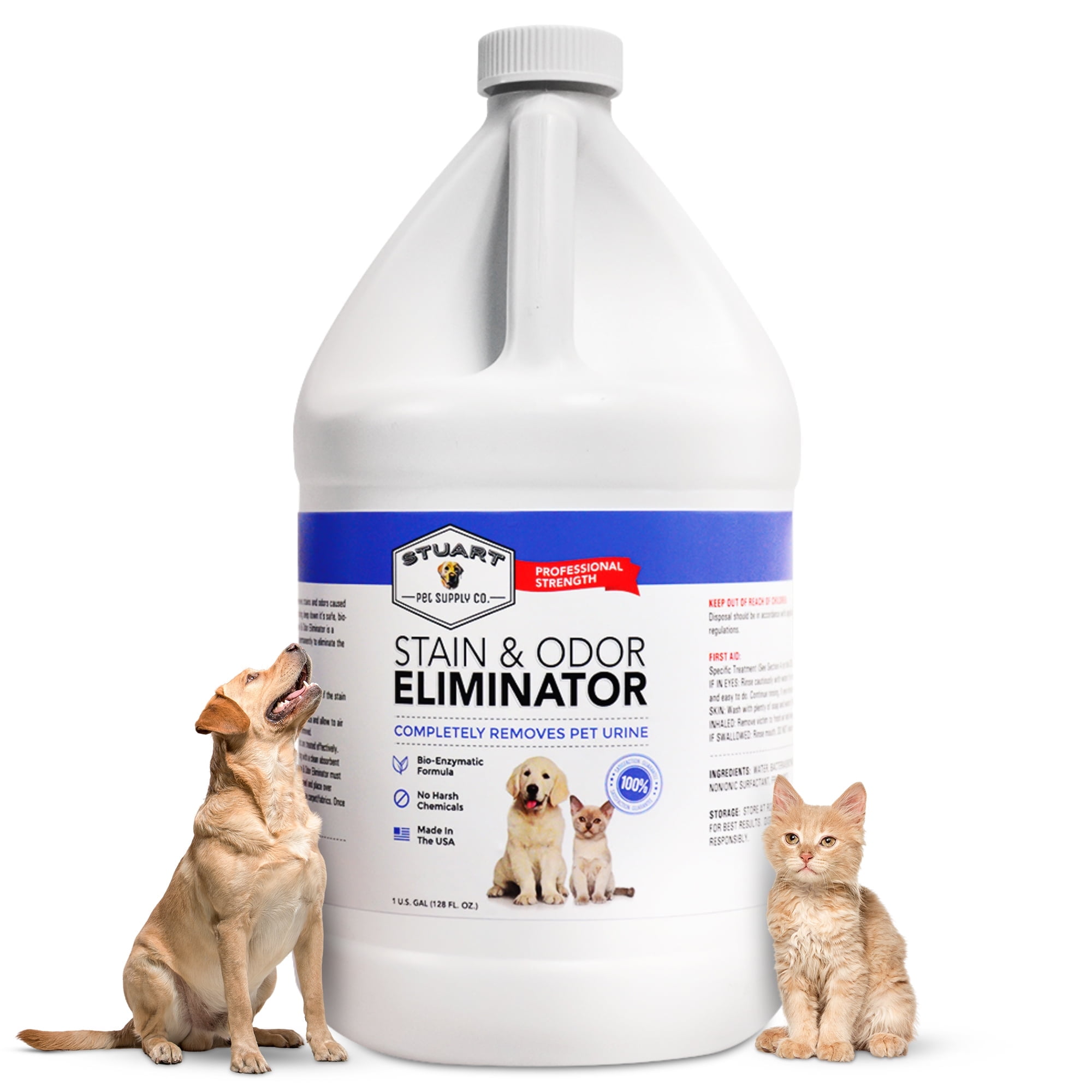
Use Enzymatic Cleaners
Drool, urine, or muddy paws leave behind more than stains. They harbor odor-causing bacteria. Regular detergents often mask smells, but enzymatic cleaners break them down at the molecular level for lasting freshness.
Follow these steps for pre-treatment:
1. Blot excess moisture with a clean cloth
2. Apply a pet-safe enzymatic spray directly to the stain
3. Let it sit for 5 to 15 minutes
4. Gently scrub with an old toothbrush
5. Allow to air dry before machine washing
This pre-treatment dramatically improves cleaning results and eliminates odors at the source.
Neutralize with Baking Soda
For general odor control between washes or before laundering, baking soda is highly effective. Sprinkle it liberally over the bed, let sit 15 to 30 minutes, then vacuum thoroughly. Baking soda absorbs oils and neutralizes pH-based odors without harsh chemicals.
Wash the Cover Separately from the Insert
Unzip and Inspect
Most modern dog beds come with removable, machine-washable covers designed for easy cleaning. Unzip the cover carefully and turn it inside out to protect outer fabric during the wash cycle.
Wash the cover separately from the inner cushion. This prevents imbalance in the washer and ensures both parts get proper attention and thorough cleaning.
Wash Cover on Gentle Cycle
For the cover, use cold or warm water as specified on the label. Select the gentle or delicate cycle. Use a fragrance-free, hypoallergenic detergent. Add one-half cup of white vinegar to the rinse cycle for odor removal.
Avoid fabric softeners. They coat fibers and reduce breathability, which can irritate your dog’s skin.
Load the Washing Machine Properly
Use a Mesh Laundry Bag
Bulky dog beds can throw off your machine’s balance, leading to loud shaking or potential damage. Protect both the bed and the washer by placing the bed or insert in a large mesh laundry bag or pillowcase. This contains fluff and limits tumbling stress.
Balance the Load
Front-loading machines with 4.5 cubic feet or larger handle bulky items best. To stabilize the drum, add 2 to 3 clean towels to balance the load. Avoid overloading — leave space for water circulation.
Never wash a dog bed with delicate clothing or lint-attracting fabrics in the same load.
Choose the Right Wash Settings
Select Water Temperature
Hot water at 60°C (140°F) is best for sanitizing. It kills bacteria, mites, and fleas. Use hot water only if the fabric allows. Warm water provides a good balance for cleaning without damage. Cold water is safest for delicate or colored fabrics.
When sanitizing after illness or flea treatment, hot water is ideal, but always check the care label first.
Pick the Correct Cycle
Choose heavy-duty or bulky cycle for thick, stuffed beds. Use normal cycle for medium-density inserts. Use delicate cycle for thin covers or fragile fabrics.
Avoid aggressive agitation for foam-based beds, as it can cause internal damage that cannot be repaired.
Use Pet-Safe Detergent and Additives
Choose Hypoallergenic Detergent
Your dog’s skin is sensitive. Harsh chemicals can cause irritation or allergic reactions. Recommended options include All Free and Clear, Seventh Generation Free and Clear, and Tide Free and Gentle.
Avoid detergents with dyes, fragrances, optical brighteners, or bleach unless the care label specifically permits it.
Boost Cleaning Power Naturally
Enhance cleaning and deodorizing with safe additives. Add 1 to 2 tablespoons of baking soda to the detergent compartment to lift odors and boost cleaning. Add one-half cup of white vinegar to the rinse cycle to soften fabric, remove residue, and kill mildew.
These are safe, affordable, and highly effective alternatives to harsh chemicals.
Handle Non-Machine-Washable Beds
Hand-Wash in Bathtub
For orthopedic, memory foam, or beds without removable covers, hand-washing is necessary. Vacuum first, then fill the tub with warm water. Add 1 to 2 tablespoons of unscented pet-safe detergent plus one-half cup of vinegar. Submerge the bed and gently squeeze water through. Soak for 20 to 30 minutes, then scrub stains with a soft brush.
Drain and rinse until water runs clear. Squeeze out water but do not wring. Air-dry flat in a well-ventilated area.
Never machine-wash memory foam. It traps water and can grow mold, ruining the bed completely.
Clean Plastic or Elevated Beds
Hammock-style or plastic beds are not machine-washable. Wipe them down with soapy water and a sponge. Use a 1-to-1 vinegar-water solution for disinfecting. Rinse thoroughly and dry in shade or a well-ventilated area.
Never use kitchen sinks for cleaning pet items. Sanitize the tub afterward to prevent cross-contamination.
Dry the Dog Bed Safely
Air-Dry Flat (Best Option)
Air-drying is the safest method for all dog beds. Lay the bed flat on a clean surface or drying rack. Flip every few hours for even drying. Place in direct sunlight if possible. UV rays kill bacteria and eliminate odors naturally.
Allow 24 to 48 hours for thick inserts to dry fully. Never skip complete drying. Damp foam breeds mold and mildew, which can harm your pet’s health.
Use Dryer Only If Label Allows
If the care tag says machine drying is safe, use low heat or air-fluff setting only. Add dryer balls or clean tennis balls to fluff the filling. Monitor closely and stop if you detect a melting smell.
High heat melts synthetic fibers, warps foam structure, and shrinks fabric. When in doubt, air-dry.
Clean the Washing Machine Afterward
Remove Hair Buildup
Pet hair sticks to seals and filters. After washing the dog bed, wipe the rubber door gasket with a damp cloth. Clean the lint filter if accessible.
Run an empty hot cycle with 1 to 2 cups of white vinegar and one-half cup of baking soda to remove residue, deodorize, and prevent clogs.
Prevent Cross-Contamination
Avoid washing human clothes immediately after pet items. Residual pet hair and dander can transfer to clothing. Run a rinse cycle first if needed.
Maintain Bed Hygiene Between Washes
Vacuum Weekly
Even between full washes, vacuum the bed weekly to remove hair and dust. Use an upholstery attachment and focus on seams and crevices. This reduces allergens and extends time between deep cleans.
Use a Washable Top Layer
For heavy shedders or dogs with oily coats, place a towel or dog blanket on top of the bed. Wash the top layer weekly. Leave the main bed for biweekly cleaning.
This simple trick cuts down on full wash frequency while keeping your dog comfortable.
Rotate and Flip Regularly
To prevent uneven wear and compression, rotate the bed 180 degrees weekly. Flip inserts if applicable. Fluff by hand to restore loft and extend the bed’s lifespan.
Replace Bed When Needed
Signs It Is Time for a New Bed
Even with regular cleaning, beds wear out. Replace if foam is lumpy or compressed. Replace if fabric is torn or frayed. Replace if odors persist after multiple washes. Replace if mold or mildew is visible. Replace if evidence of fleas or pests remains.
The EPA advises discarding heavily infested or degraded beds. They become health hazards rather than safe sleeping spots.
Recommended Replacement Interval
For average use, replace the bed every 1 to 2 years. For high use (outdoor use, multiple pets), replace every 6 to 12 months.
Invest in washable, durable beds to reduce long-term costs while keeping your pet comfortable.
Best Detergents and Cleaning Tools
Recommended Pet-Safe Detergents
Stick to hypoallergenic, fragrance-free options. All Free and Clear, Seventh Generation Free and Clear, and Tide Free and Clear are all excellent choices. They are dye-free and safe for sensitive skin.
Essential Cleaning Tools
Keep these on hand for efficient cleaning:
– Pet-hair vacuum with upholstery attachment
– Lint rollers for quick surface cleaning
– Mesh laundry bags for protecting beds during washing
– Dryer balls for fluffing during drying
– Enzymatic cleaner for pre-treating stains
– Rubber gloves for hair removal
These tools make cleaning faster and more effective, ensuring a thorough result every time.
Frequently Asked Questions About Washing Dog Beds
How often should I wash my dog’s bed in the washing machine?
Most experts recommend washing dog bedding every 1 to 2 weeks. The CDC, EPA, and Canadian Medical Association Journal all advise weekly washing to minimize parasites, zoonotic disease risks, and allergens. Factors like breed-specific shedding, outdoor activity level, and skin conditions may require more frequent washing.
What temperature should I use to sanitize a dog bed?
Use hot water at 60°C (140°F) when the fabric allows to kill bacteria, mites, and fleas. This temperature is effective for sanitizing after illness or flea treatment. Use cold or warm water for delicate fabrics or when the care label specifies temperature limits.
Can I wash memory foam dog beds in the washing machine?
No. Memory foam beds are typically not machine-washable. The foam traps water and can grow mold. Spot-clean only or hand-wash gently with cold water and mild detergent. Air-dry completely to avoid moisture buildup inside the foam.
What detergent is safe for washing dog beds?
Use a fragrance-free, dye-free, hypoallergenic laundry detergent. All Free and Clear, Seventh Generation Free and Clear, and Tide Free and Gentle are recommended. Avoid detergents with optical brighteners, perfumes, or bleach unless specified on the care label.
How do I get rid of stubborn odors in a dog bed?
Sprinkle baking soda liberally over the dry bed surface. Let sit for 15 to 30 minutes, then vacuum thoroughly. For persistent odors, apply a pet-safe enzymatic cleaner before washing. Adding one-half cup of white vinegar to the rinse cycle also helps eliminate lingering smells.
Can I dry my dog bed in the dryer?
Only if the care label explicitly permits machine drying. Use low heat or air-fluff setting only. Add dryer balls or clean tennis balls to fluff the filling. Avoid high heat, as it can melt synthetic fibers, warp foam, and shrink fabric. Air-drying remains the safest option.
Key Takeaways for Washing Dog Bed in Washing Machine
Washing your dog’s bed every 1 to 2 weeks keeps it fresh, hygienic, and safe for your pet. Always check the care label first to confirm machine-washability and follow temperature and cycle recommendations. Remove loose hair through vacuuming and lint rolling before washing to prevent machine clogs and ensure effective cleaning.
Use pet-safe, fragrance-free detergent with optional baking soda or white vinegar additives for enhanced cleaning and odor elimination. Air-dry flat whenever possible, using low heat only if the label permits. Clean your washing machine afterward to remove trapped pet hair and prevent cross-contamination with human laundry.
Replace the bed when it shows signs of wear, retains odors after multiple washes, or shows evidence of mold, pests, or structural damage. With the right routine, you will protect your pet’s health, extend the life of their favorite resting spot, and maintain a cleaner home environment.