How to Clean a Pressure Washer Pump
If your pressure washer has lost its powerful spray, the issue often lies in a dirty or neglected pump. Knowing how to clean a pressure washer pump is the key to removing debris, preventing rust, and restoring full pressure without buying a new machine.
This guide walks you through every essential step, from quick post-use flushing to deep internal cleaning and oil changes. You will learn specific techniques to clear clogs, replace worn seals, and protect your equipment from freezing damage.
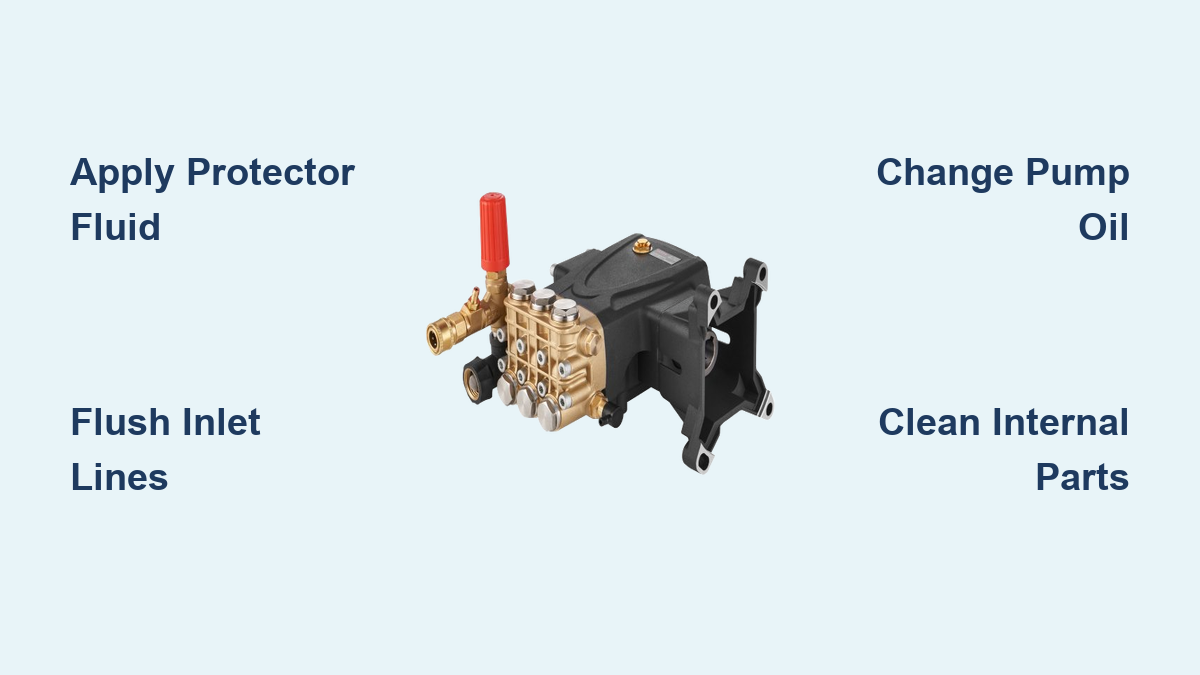
Apply Pump Protector Fluid After Every Use

The most effective way to clean and protect your pump happens immediately after you finish washing. Leaving water inside invites corrosion and freezing damage that can crack internal components.
Why You Must Displace Water
Water left in the pump turns into rust over time and expands when frozen. A specialized pump protector fluid pushes this water out and leaves a protective film on pistons and valves. This simple step prevents the majority of pump failures reported by users.
Steps to Apply Protector Fluid
- Shut off the water supply at the tap before turning off the machine.
- Depressurize the system by pulling the trigger on the wand until water stops flowing.
- Disconnect the high-pressure hose and spray wand from the pump unit.
- Tilt the pressure washer so the pump sits higher than the water inlet.
- Screw the protector bottle directly onto the water inlet port.
- Return the unit to level while keeping the bottle attached firmly.
- Prime the pump by squeezing the trigger or pulling the starter cord with the spark plug disconnected.
- Watch for green fluid spraying from the outlet to confirm all water is displaced.
- Bleed air pockets by slightly loosening the pressure line and letting a few drops escape.
Pro Tip: This five-minute routine prevents 90% of pump failures caused by freezing or corrosion.
Flush Debris From Inlet Lines Before Seasonal Use
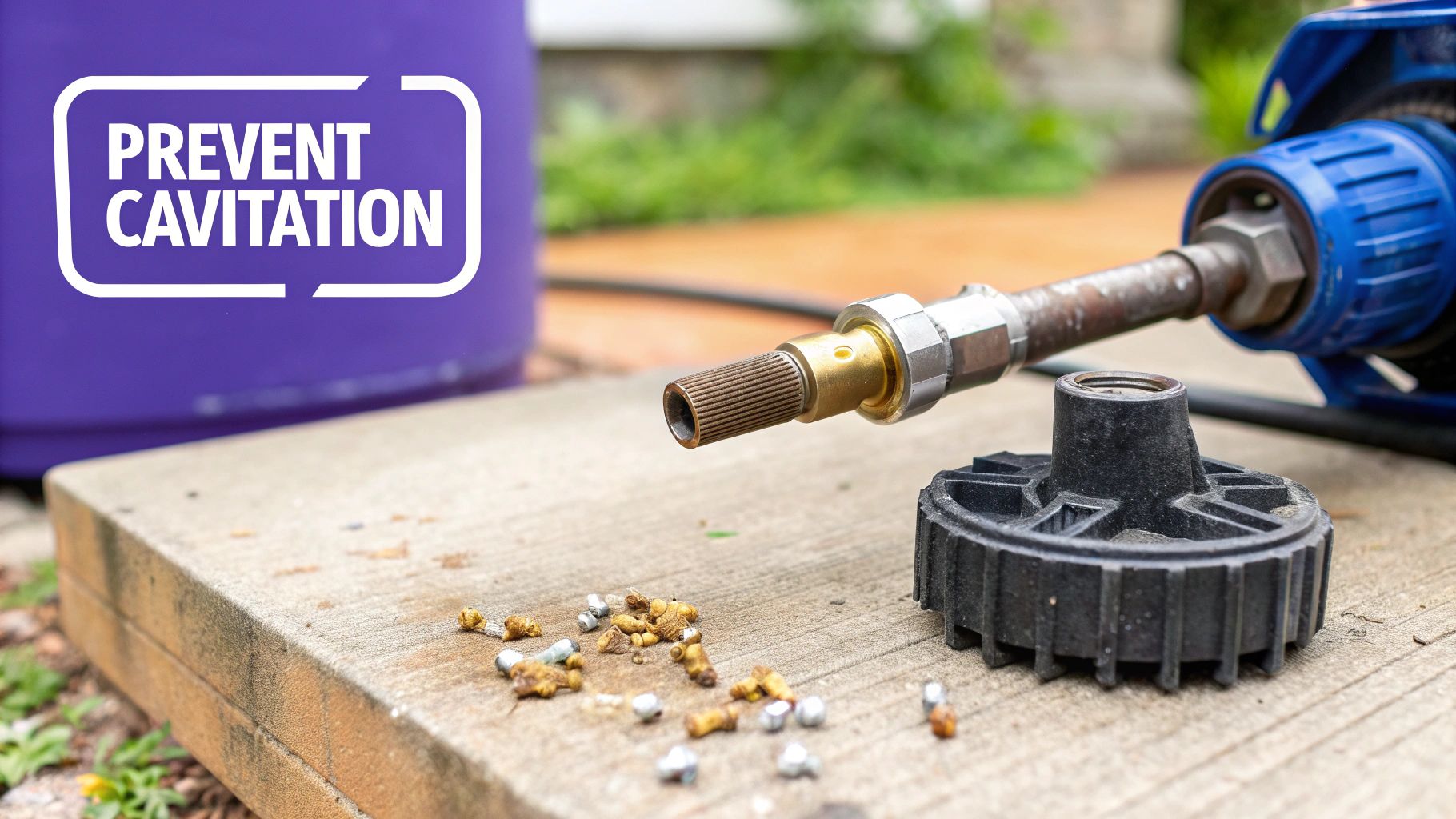
Sediment, spider webs, and insect nests often block water flow after long storage periods. Flushing the system before your first use of the season clears these obstructions effectively.
How to Clear Sediment and Nests
Debris in your water lines acts like sandpaper on internal seals. It also restricts flow, causing the pump to work harder and overheat.
- Turn off the water supply at the source faucet.
- Disconnect the garden hose from the pressure washer inlet.
- Turn the water on briefly to let it flow freely for 15 to 30 seconds.
- Inspect the pump inlet with a flashlight for webs or plastic shavings.
- Remove blockages gently using tweezers or a soft brush.
- Reconnect the hose and run the machine without detergent for two minutes.
Warning: Never run the pump dry. Always ensure water is flowing before starting the engine to avoid seal damage.
Change Pump Oil to Prevent Internal Wear

Many pressure washer pumps have an oil-filled crankcase that lubricates moving parts. Old or milky oil indicates water intrusion and requires immediate changing.
When to Replace Pump Oil
You should change the oil annually or every 100 hours of operation. Look for milky discoloration or hear knocking noises as signs you need to act fast. Ignoring this leads to seized pistons and costly repairs.
Oil Change Procedure
- Place the unit on level ground to ensure an accurate oil level reading.
- Locate the oil fill plug on the pump, which is separate from the engine oil.
- Remove the plug using a 6 mm Allen wrench and drain old oil into a pan.
- Tilt the unit in opposite directions to remove all sludge and residue.
- Refill with 30-weight non-detergent motor oil slowly through the fill hole.
- Stop filling when oil reaches the threads of the sight plug.
- Reinstall the plug tightly and wipe away any excess oil spills.
Visual Check: If the drained oil looks like a milkshake, water has entered the crankcase and seals may need replacement.
Deep Clean Internal Components for Lost Pressure
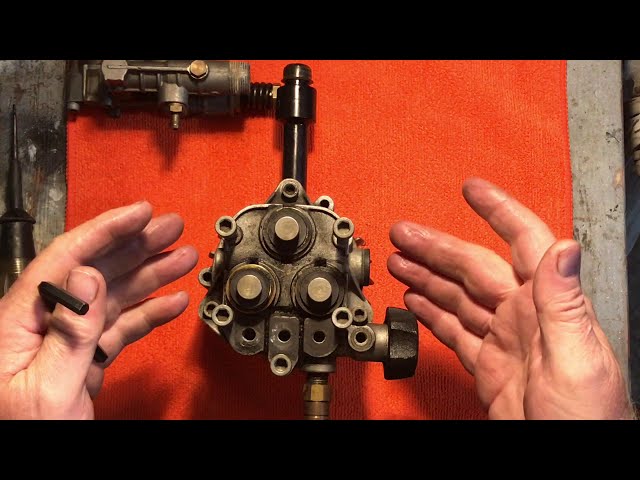
If flushing and oil changes do not restore pressure, internal parts like valves or pistons may be clogged or worn. This advanced step requires disassembly and careful inspection.
Disassemble and Inspect Parts
Warning: Disassembling the pump may void your warranty. Only proceed if the unit is out of warranty or failing significantly.
- Remove the pump housing by unbolting it from the frame and disconnecting all hoses.
- Open the pump head to access valves, pistons, and check balls carefully.
- Soak metal parts in mild soapy water to loosen mineral deposits.
- Scrub gently with a soft brush to remove buildup without scratching surfaces.
- Inspect pistons for scoring or pitting that indicates wear.
- Check valves and balls to ensure they move freely and seat properly.
- Examine O-rings for cracks or brittleness and replace if necessary.
- Lubricate new seals with silicone grease before reassembly.
- Reassemble components in order and torque bolts evenly to avoid leaks.
| Part | What to Look For |
|---|---|
| Pistons | Scoring, pitting, or corrosion |
| Check Valves | Free movement and proper seating |
| O-rings | Cracks, flattening, or brittleness |
| Valve Seats | Debris accumulation or erosion |
Troubleshoot Common Pressure Washer Pump Problems
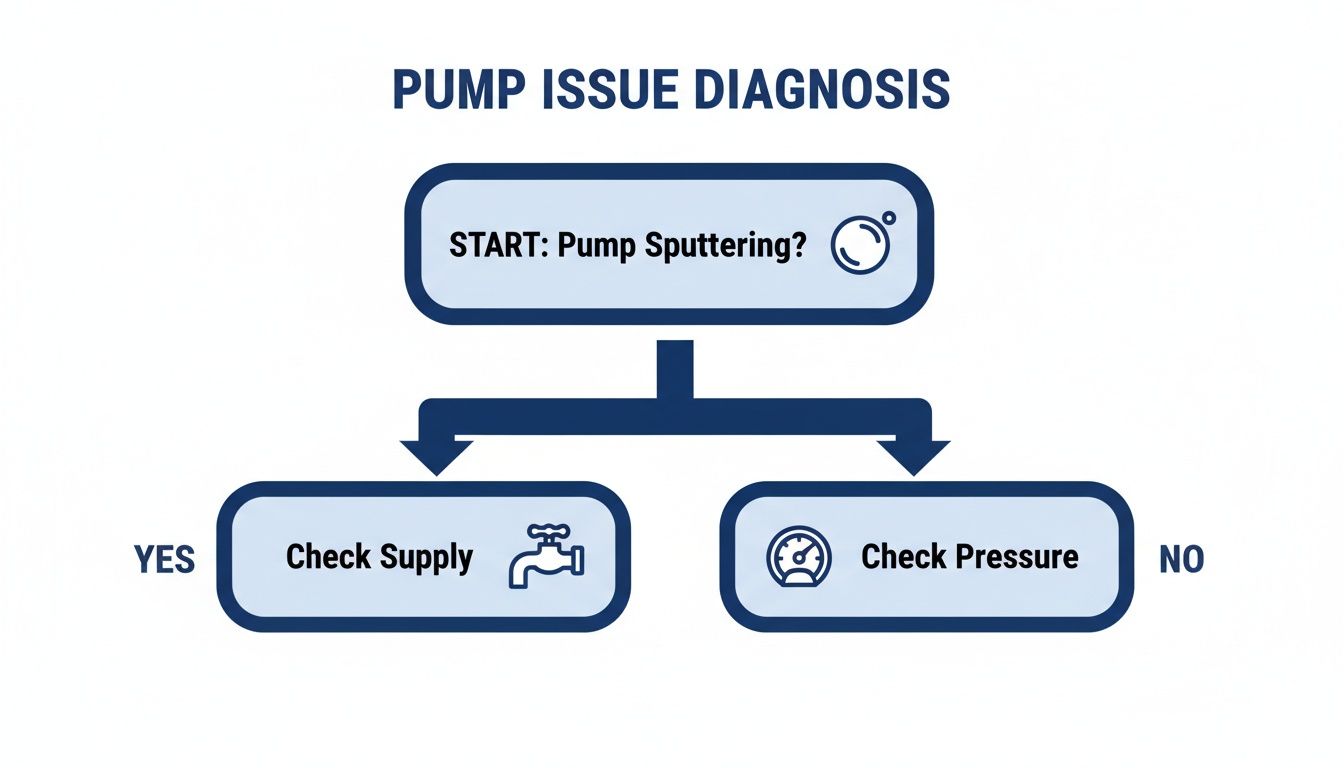
Specific symptoms often point directly to a particular cleaning or repair need. Use this guide to diagnose issues quickly before they worsen.
Diagnosing Low Water Pressure
Low pressure usually means a clog or air in the system. Clean the inlet filter and soak nozzles in vinegar to dissolve minerals. Bleed the system using the protector method to remove trapped air pockets.
Fixing Pump Leaks
Leaks often stem from loose connections or failed O-rings. Tighten fittings gently without over-torquing. Replace any cracked O-rings and lubricate them with silicone grease before reinstalling.
Addressing Unusual Noises
Knocking sounds often indicate low oil levels or internal damage. Whining suggests air in the system, while grinding points to debris or worn bearings. Check oil first, then inspect internally if noise persists.
Resolving Pump Cycling Issues
If the pump will not cycle, check the unloader valve for debris. Clean the valve or replace it if it is stuck. Electric models may have faulty pressure switches or wiring connections to inspect.
Replace the Pump When Cleaning Fails
Sometimes cleaning cannot fix extensive internal damage. Replacing the entire pump assembly is often more cost-effective than repeated repairs on a worn unit.
When to Install a New Pump
Replace the pump if the motor runs well but no pressure builds. Look for cracks in the housing or repeated seal failures as clear indicators. If repair parts cost over $100, a new pump is likely the better value.
Installation Steps for Replacement
- Prepare the unit by disconnecting hoses and tilting it back on a jack stand.
- Unbolt the old pump using a 6 mm Allen wrench and 13 mm wrench.
- Slide the pump forward carefully to separate it from the motor shaft.
- Lubricate the keyway on the new pump with a few drops of oil.
- Align the motor shaft with the keyed slot on the new pump assembly.
- Slide the new pump into place and secure it with the three mounting bolts.
- Fill with fresh oil to the sight plug level immediately after installation.
- Replace all O-rings on hoses and fittings with new, lubricated ones.
- Adjust the unloader valve by turning the screw ¼ turn if the engine stalls.
User Insight: Do not panic if your new pump housing faces a different direction. This rotation is normal and does not affect performance.
Prevent Future Pump Issues With Regular Care
Consistent maintenance prevents most problems before they start. Follow a simple schedule to keep your pressure washer running at peak performance for years.
Maintenance Schedule
- After Each Use: Apply pump protector fluid and drain hoses.
- Seasonal Start: Flush inlet lines and change pump oil.
- Annually: Deep clean nozzles and inspect all seals.
- As Needed: Replace worn O-rings and adjust unloader valves.
Final Thoughts on Cleaning Your Pressure Washer Pump
Knowing how to clean a pressure washer pump saves you money and extends the life of your equipment significantly. By applying protector fluid after every use, flushing debris seasonally, and changing oil regularly, you prevent the most common causes of failure.
Take action today by checking your pump oil and scheduling a flush if you have not done so recently. Your pressure washer will reward you with consistent, high-pressure performance for many more seasons.
Frequently Asked Questions About Cleaning Pressure Washer Pumps
How often should I clean my pressure washer pump?
You should apply pump protector fluid after every single use to prevent freezing and rust. Perform a full system flush and oil change at least once a year or at the start of each cleaning season.
Can I use vinegar to clean the inside of my pump?
Vinegar works well for soaking nozzles and external parts to remove mineral deposits. However, do not pour vinegar directly into the pump internals as it may damage rubber seals and O-rings over time.
What happens if I run my pressure washer without water?
Running the pump dry causes immediate heat buildup that destroys seals and pistons within seconds. Always ensure water is flowing and the trigger is open before starting the engine.
Why is my pump leaking water from the bottom?
Water leaking from the bottom usually indicates worn piston seals or O-rings. You may need to disassemble the pump head to replace these seals or install a new pump assembly if damage is severe.
Is it normal for the new pump to face a different direction?
Yes, replacement pumps often have a rotated housing orientation compared to the original. This design variance is standard and does not impact the performance or pressure output of your machine.
What type of oil goes in a pressure washer pump?
Most pumps require 30-weight non-detergent motor oil. Check your specific manual, but brands like Shell Rotella are commonly recommended. Never use detergent oil or overfill past the sight plug threads.