How to Clean a Rug With a Pressure Washer
Outdoor rugs often accumulate layers of mud, algae, and dust after months of exposure to rain and foot traffic. Scrubbing these stains by hand takes hours, but learning how to clean a rug with a pressure washer removes deep-set grime in minutes. This method restores color and texture without the physical strain of manual scrubbing.
This guide explains exactly which rugs survive high-pressure cleaning and which ones will get ruined. You will learn the safe PSI settings, proper nozzle choices, and drying techniques needed to refresh your synthetic mats. Follow these steps to avoid common mistakes that damage fibers or backing.
Verify Your Rug Can Survive Pressure Washing
Not every rug can handle the force of a pressure washer. Using this method on the wrong material causes irreversible shrinking, fraying, or delamination. You must identify your rug type before applying any water.
Distinguish Between Synthetic and Natural Fibers
Only synthetic rugs made from polypropylene, polyester, or olefin tolerate pressure washing well. These materials resist water absorption and mold growth. Outdoor patio mats and heavy-duty doormats usually fall into this durable category.
Natural fiber rugs like wool, cotton, jute, or silk cannot survive this process. These fibers absorb water rapidly, leading to warping and mildew. Even rugs with a synthetic top and cotton backing may separate under high pressure.
Inspect Manufacturer Care Labels
Flip your rug over to find the care instructions attached by the manufacturer. Labels stating “hose clean only” or “spot clean” indicate that pressure washing is too aggressive. Look for terms like “machine washable” or “suitable for outdoor use” to proceed safely.
Test a hidden corner with low pressure if you remain unsure about the material. Wait for it to dry completely to check for color loss or fiber damage.
Prepare Your Workspace and Gather Supplies
Proper preparation prevents messes and ensures you have everything needed before starting. Choosing the right location protects your property from water damage.
Select a Flat Surface with Good Drainage
Work on a concrete driveway, patio, or grassy lawn where water drains away easily. Avoid wooden decks because high-pressure water can splinter the wood or trap moisture underneath. Ensure the runoff direction will not flood your basement or electrical outlets.
Clear the area of furniture, potted plants, and obstacles. Lay down an old tarp if you worry about overspray damaging nearby surfaces or siding.
Collect Essential Cleaning Tools
Gather these items before turning on the machine to ensure a smooth workflow:
- Pressure washer (electric models offer better control for rugs)
- Garden hose for pre-rinsing and connecting to the machine
- Mild detergent such as oxygen-based cleaner or rug-safe soap
- Soft-bristle brush for scrubbing tough spots
- Safety goggles and gloves to protect your eyes and hands
- Two buckets for mixing solution and holding rinse water
- Drying rack or clothesline for vertical drying options
Avoid using bleach or harsh chemicals as they degrade synthetic fibers over time.
Pre-Treat Stains Before Washing
Giving stubborn areas extra attention before the main wash yields significantly better results. This step loosens grime so the pressure washer can rinse it away effortlessly.
Remove Loose Debris First
Shake the rug vigorously outside or use a leaf blower to remove dry leaves and dust. This prevents clogging your pressure washer nozzle and stops debris from scratching the fibers during washing.
Use a vacuum cleaner if the rug is only lightly soiled. A shop vac with wet-dry capabilities works well for picking up larger particles.
Apply Solution to Tough Spots
Mix 1 gallon of warm water with 1/4 cup of oxygen-based cleaner or mild dish soap. Dip your soft-bristle brush into the mixture and gently scrub stained areas like pet spots or grease.
Let the solution sit for 5 to 10 minutes without letting it dry completely. This dwell time breaks down grime and prepares the fibers for high-pressure rinsing. Rinse treated spots lightly with a garden hose before switching to the pressure washer.
Configure Pressure Washer Settings Correctly
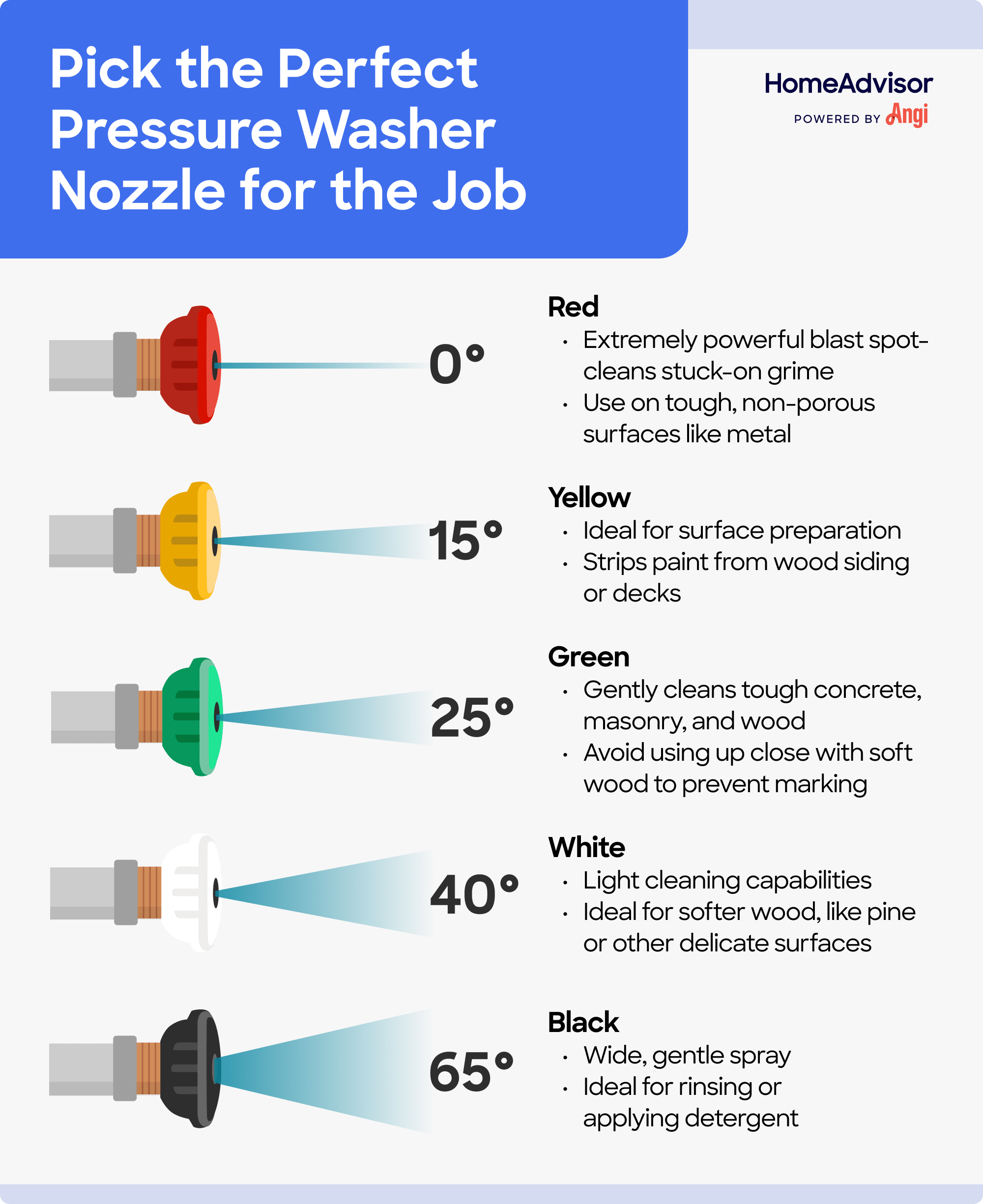
Using the wrong settings can shred your rug instantly. Proper configuration ensures effective cleaning while protecting the material integrity.
Set Safe Pressure Levels
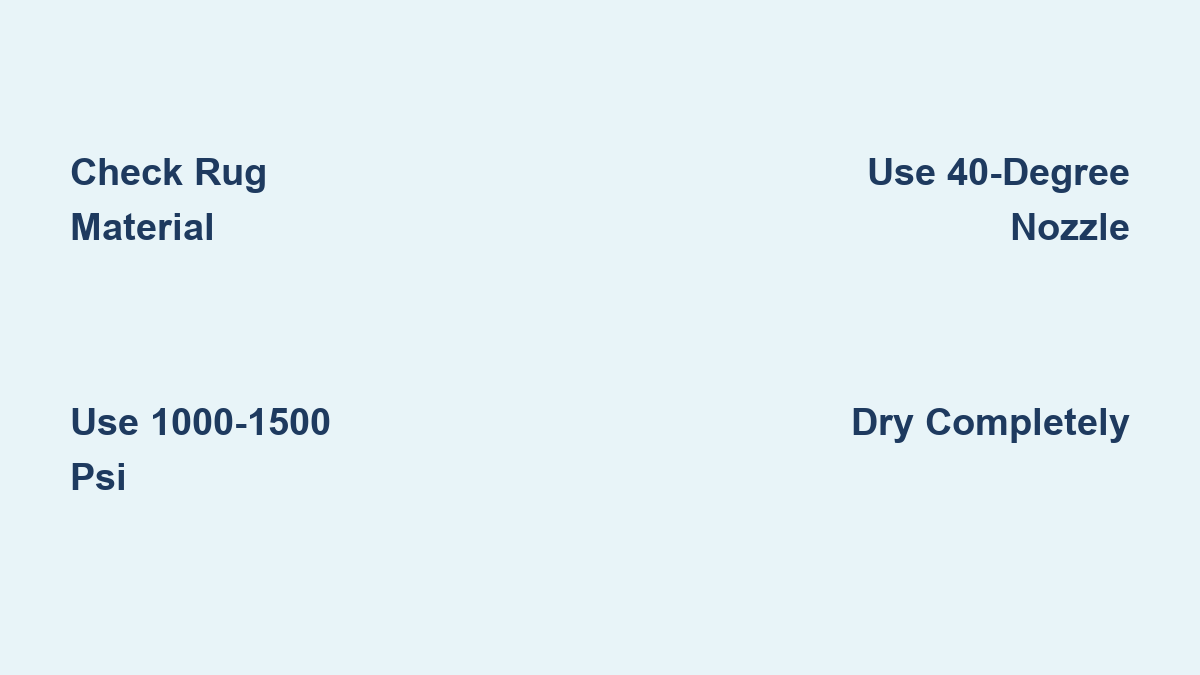
Adjust your pressure washer to 1,000–1,500 PSI maximum. Pressures above 2,000 PSI can rip fibers apart, especially on thinner or woven rugs.
Choose an electric model rather than a gas-powered unit for better control. Gas units often generate pressure levels that are too high for fabric items.
Choose the Correct Nozzle Tip
Attach a white (40-degree) or green (25-degree) nozzle to your wand. These tips provide a wide spray pattern that cleans gently but thoroughly.
Never use red (0-degree) or yellow (15-degree) tips. These concentrate water into a piercing jet that shreds rug backing and fibers. Hold the wand 12–18 inches from the surface and test on one corner first. Adjust your distance if you see fibers lifting or water soaking through too quickly.
Execute the Washing Process Safely
Follow a consistent technique to clean the entire rug evenly. Rushing this step leads to missed spots or accidental damage.
Wash Using Overlapping Strokes
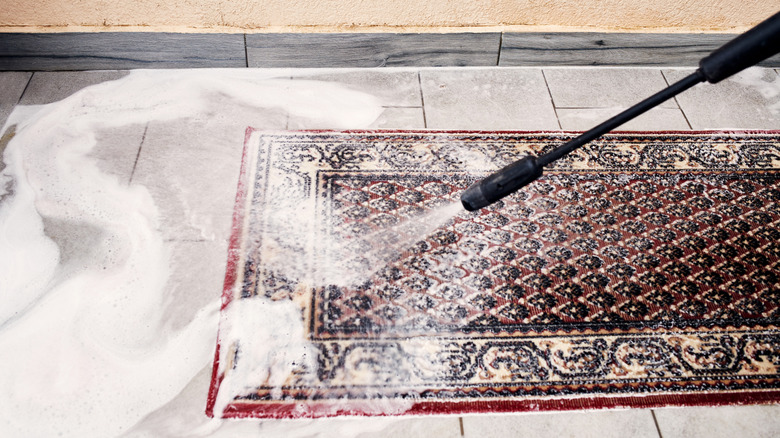
Lay the rug flat and begin spraying at one edge. Move the wand in slow, overlapping strokes similar to mowing a lawn to ensure full coverage.
Keep the nozzle parallel to the rug surface at all times. Tilting the wand increases impact force and risks tearing the material. Work in 2-foot wide strips, rinsing each section before moving on. Flip the rug only after the top side is completely clean.
Clean the Backside Thoroughly
Carefully flip the rug once the front is rinsed. The back often holds more trapped dirt, especially in looped or woven designs.
Reapply detergent if needed and repeat the washing process on the reverse side. Pay special attention to edges and corners where debris collects. Never fold or wring a wet rug as this weakens seams and backing.
Rinse Thoroughly to Remove Residue
Leftover detergent attracts dirt and causes discoloration over time. A complete rinse is essential for a long-lasting clean.
Perform a Final Clear Water Pass
Switch to plain water with no soap added after cleaning. Make one last full pass across both sides to flush out any remaining suds.
Watch for milky runoff water. Keep rinsing until the water runs completely clear.
Ensure Uniform Wetness
Check that the entire rug is uniformly wet. Dry patches indicate missed spots that still contain soap. Overly soaked areas may take longer to dry and risk mildew growth.
Mist the rug lightly with a vinegar-water mixture (1:4 ratio) to neutralize pH before the final rinse if your detergent leaves residue.
Dry the Rug Completely to Prevent Mold

Proper drying prevents mold, odors, and slipping hazards. Moisture trapped in fibers leads to bacterial growth.
Air Dry in Direct Sunlight
Hang the rug over a clothesline or fence, or lay it flat in direct sunlight. UV rays naturally disinfect the fibers and help fade remaining stains.
Avoid placing the rug on asphalt surfaces that can melt synthetic backing in hot weather. Use a mesh drying rack to promote airflow underneath the rug.
Allow Sufficient Drying Time
Most rugs dry within half a day in sunny, breezy conditions. Thick or shaded rugs may take up to 48 hours to dry completely.
Flip the rug halfway through the drying process to speed up moisture evaporation on the underside. Never bring a damp rug indoors because trapped moisture under furniture leads to mildew and odors.
Reinstall or Store Your Clean Rug
Once dry, return the rug to its place or store it properly for the season. Proper handling extends the life of your investment.
Reattach Outdoor Fixings
Reapply non-slip backing, clips, or tape if your rug uses them. Replace worn fasteners to prevent tripping hazards. Sweep the installation area clean before laying the rug down.
Store Seasonal Rugs Correctly
Fold seasonal rugs loosely and store them in a cool, dry closet away from pests and humidity. Place them in a breathable cotton bag rather than plastic, which traps moisture.
Add a silica gel packet to deter mold if storing the rug long-term.
Avoid Common Cleaning Mistakes
Even experienced users make errors that damage rugs or reduce effectiveness. Awareness prevents costly accidents.
Using Excessive Pressure
High PSI settings might seem faster but they damage fibers and backing. Stick to low pressure and let the water do the work over time.
Stop immediately and increase your distance if you hear a hissing or tearing sound.
Neglecting Nozzle Safety
Never point a pressure washer at skin, pets, or windows. The force can cause serious injury or crack glass even on low settings.
Keep children and pets far from the work zone during operation.
Skipping Pre-Cleaning Steps
Blindly spraying a dirty rug pushes debris deeper into fibers. Always shake, vacuum, and spot treat first for a true deep clean.
Know When Not to Use a Pressure Washer

This method is not universal. Choosing the wrong cleaning method ruins delicate items.
Indoor or Delicate Rugs
Never pressure wash indoor-only, handmade, or natural fiber rugs. These require dry cleaning, steam cleaning, or gentle hand washing.
Area rugs with latex backing may peel or bubble under high pressure.
Rugs with Existing Damage
If the rug already has loose threads, holes, or unraveling edges, pressure washing will worsen the damage. Hand wash these items instead.
Consider renting a carpet cleaner or using a bathtub with mild detergent for small or heavily soiled indoor rugs.
Frequently Asked Questions About Pressure Washing Rugs
What PSI is safe for cleaning outdoor rugs?
Set your pressure washer between 1,000 and 1,500 PSI for safe cleaning. Higher pressures can rip synthetic fibers and destroy the rug backing.
Can I use a pressure washer on wool or cotton rugs?
No, you cannot pressure wash wool, cotton, jute, or silk rugs. These natural fibers absorb water quickly and will shrink, warp, or develop mildew.
How long does it take for a pressure-washed rug to dry?
Most rugs dry within 12 to 24 hours in sunny, breezy conditions. Thick rugs or those in shaded areas may take up to 48 hours to dry completely.
Which nozzle tip should I use for rugs?
Use a white (40-degree) or green (25-degree) nozzle for a wide, gentle spray. Avoid red or yellow tips as they concentrate water into a damaging jet.
Should I use soap when pressure washing a rug?
Yes, use a mild oxygen-based cleaner or dish soap for best results. Pre-treat stains and rinse thoroughly to prevent residue from attracting more dirt.
What happens if I leave a rug damp after washing?
Leaving a rug damp leads to mold growth, unpleasant odors, and potential slipping hazards. Always ensure the rug is completely dry before bringing it indoors.
Key Takeaways for Cleaning Rugs with a Pressure Washer
Learning how to clean a rug with a pressure washer saves time and restores your outdoor space effectively. Remember that only synthetic rugs can survive this process, while natural fibers require gentler care methods. Always use low pressure settings, the correct nozzle tips, and ensure thorough drying to prevent damage.
Start by checking your rug label and gathering the right supplies today. With proper technique, your patio or entryway rug can look brand new in under an hour.