How to Fix Haier Washing Machine Issues
Is your Haier washing machine making strange noises, refusing to start, or leaking water? You’re not alone. Thousands of Haier owners face similar Haier washing machine repair challenges every year, and many issues can be resolved quickly with the right knowledge. This guide covers step-by-step solutions for the most common problems, from diagnostic tips to professional service options. Whether you’re dealing with a washer that won’t spin, drain, or lock, you’ll find actionable fixes here.
Haier Washer Won’t Start: Quick Diagnostic Steps
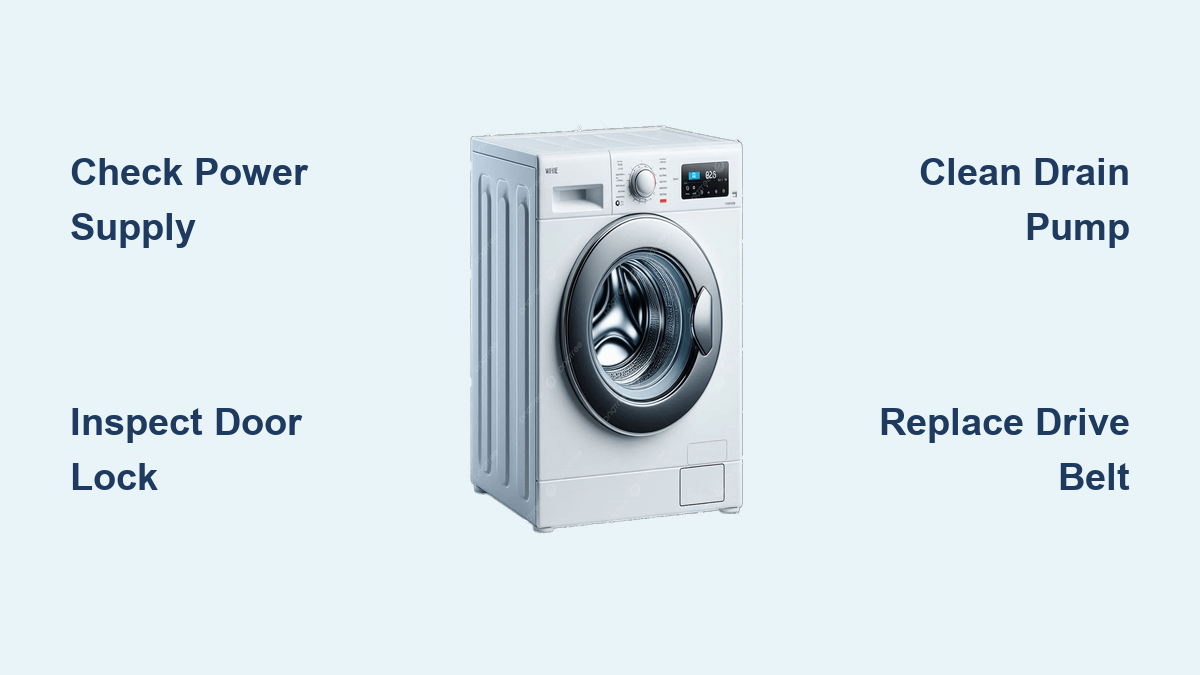
If your Haier washing machine shows no signs of power, check these three things first. First, verify the power supply by ensuring the unit is plugged in and the outlet works. Second, reset any tripped circuit breakers in your electrical panel. Third, close the door firmly, as many models won’t start if the lid isn’t fully latched.
Check Power Supply and Circuit Breaker
Start by testing the outlet with another device to confirm it’s working. If the outlet is dead, check your home’s circuit breaker panel for a tripped breaker. Reset it and try running the washer again. For older homes, consider testing the outlet with a voltage tester to ensure it’s providing power consistently.
Inspect Door Lock and Control Panel
If the display lights up but the machine won’t run, the issue may be a faulty door lock mechanism. On front-load models like the HLP23E and HWF5300AW, door lock failure is a common problem. Press the door firmly to ensure it’s fully latched, and listen for a clicking sound that indicates the lock has engaged.
Fixing a Washer That Won’t Spin
A spin cycle failure leaves clothes soaked and can indicate several underlying issues. Start by redistributing the laundry evenly, as unbalanced loads are the most common cause. If the problem persists, check the lid switch, which prevents spinning if the lid isn’t closed properly.
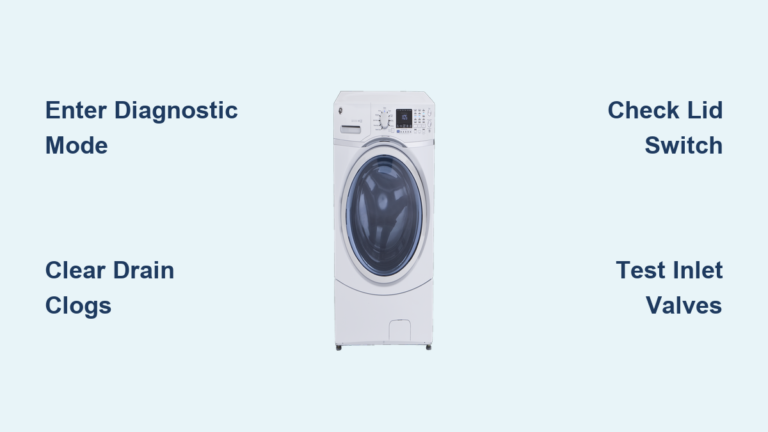
Test the Lid Switch
The lid switch is a safety mechanism that stops the spin cycle if the lid opens. On top-load models like the RWT300AW and VL9000, this switch can wear out over time. Test it by pressing the switch manually with the lid closed. If the washer still won’t spin, the switch may need replacement.
Inspect the Drive Belt
Worn drive belts are common in older top-load Haier models like the GWT950AW and RWT360BW. Look for cracks, fraying, or looseness. A slipping belt may cause squealing noises during operation. If the belt shows signs of wear, replace it with a model-specific part to ensure proper fit.
Check Motor and Clutch
A humming noise without movement suggests motor strain or clutch wear. If the motor runs but the drum doesn’t spin, the clutch assembly may be damaged. This repair typically requires professional service, especially on front-load models with direct drive systems.
Stopping Loud Noises During Operation
Grinding, banging, or screeching sounds during the wash cycle often point to mechanical failure. Identifying the source quickly can prevent further damage to your Haier washing machine.
Remove Foreign Objects
Small items like coins, buttons, or hair ties can get stuck between the tub and drum, causing grinding noises. Stop the machine immediately and inspect the drum. Use a flashlight to check the gaps around the drum seal. Remove any debris you find carefully.
Replace Worn Drum Bearings
A consistent grinding noise, especially during the spin cycle, means the drum bearings are failing. This is a more serious repair that requires opening the washer cabinet. On models like the HWF5300AW, bearing replacement is a common repair for washers over five years old.
Tighten Suspension Components
Loose suspension springs or shock absorbers can cause violent drum movement and loud banging. If the inner drum moves more than half an inch up and down when pushed, the shocks or springs likely need replacement. This is a frequent issue in compact models like the HLP series.
Troubleshooting Water Fill Problems
When your Haier washer isn’t filling with water, several components could be the culprit. Systematic checking helps pinpoint the exact cause without unnecessary parts purchases.
Verify Water Supply Valves
Ensure both hot and cold water taps are fully open. Sometimes one valve gets accidentally turned off, causing the washer to fill slowly or not at all. Check behind the machine to access the supply valves easily.
Clean Inlet Screen Filters
Sediment buildup in the inlet screens is a common cause of fill problems. Locate the inlet hoses at the back of the machine and disconnect them to access the screens. Rinse the screens under running water to remove debris. Reconnect the hoses firmly to prevent leaks.
Test Water Inlet Valves
If only one temperature works, the corresponding inlet valve has likely failed. Swap the hot and cold hoses to confirm. If the problem follows the valve, replacement is necessary. Inlet valves are available for both hot and cold sides separately.
Fixing Drain Issues
If water remains in the drum after the cycle ends, your Haier washing machine has a drainage problem. Addressing this quickly prevents mold growth and unpleasant odors.
Clear Drain Hose Obstructions
Check the drain hose for kinks, clogs, or improper installation. Disconnect the hose and inspect it internally using a flashlight. Remove any debris blocking the flow. Ensure the hose is properly routed into a standpipe or drain pan.
Clean the Drain Pump Filter
Most Haier washers have a drain pump filter located behind a front access panel. Place a shallow pan beneath to catch residual water. Remove the panel, locate the filter, and clean out any trapped debris. On models like the HLP021 and BRW200BW, this simple step often restores full drainage.
Test Drain Pump Operation
Listen for pump operation during the drain cycle. If the pump is silent, the motor may be dead. Check for power at the pump connector using a multimeter. If no power reaches the pump, the issue may be a failed control board or wiring problem.
Repairing Leaks and Water Damage

Water leaking from your Haier washing machine requires immediate attention to prevent floor damage and mold growth. Identifying the source is the first step toward a permanent fix.
Replace Door Gasket
Inspect the rubber seal around the door for tears, cracks, or mold buildup. On front-load models, a damaged gasket is the most common leak source. Clean the gasket regularly to prevent debris accumulation that causes premature wear.
Tighten Hose Connections
Loose inlet or drain hose connections often cause leaks at the connection points. Tighten both hoses where they connect to the machine and the water supply. Use pliers to ensure a secure fit, but avoid overtightening which can damage the fittings.
Inspect for Cracked Tub
A cracked tub is rare but serious, requiring professional repair or replacement. If you see water pooling beneath the machine during operation and other sources are ruled out, the inner tub may be cracked. This typically requires complete tub replacement.
DIY Component Replacement Guide

Many Haier washing machine repairs involve replacing a single faulty part. With basic tools and model-specific parts, these fixes are achievable for DIYers.
Replace the Drain Pump
Models Affected: HLP20E, HLP24E, HWF5000AW
Time Required: 30 to 45 minutes
Tools Needed: Screwdriver, socket set, bucket
Steps:
- Unplug the washer and turn off water supply.
- Place a bucket under the pump to catch residual water.
- Remove the front access panel.
- Disconnect the hoses and electrical connector from the pump.
- Unscrew and remove the old pump.
- Install the new pump and reconnect all parts.
Install a New Lid Switch
Models Affected: RWT300AW, VL9000, HXT055LAE
Difficulty: Easy
Time: 15 to 20 minutes
Steps:
- Unplug the machine.
- Remove the control panel to access the switch.
- Disconnect the wiring harness.
- Remove mounting screws and replace the switch.
- Reassemble and test.
Upgrade the Drive Belt
Models Affected: Top-load Haier washers including GWT950AW and RWT360BW
Steps:
- Unplug and tip the washer backward for rear access.
- Remove the back panel.
- Loosen the motor mount to release belt tension.
- Slide off the old belt and install the new one.
- Re-tension and reassemble.
Finding the Right Replacement Parts
Using correct, high-quality parts ensures long-term reliability. Haier repair parts fall into key categories that match common failure points.
Mechanical Components
Available parts include bearings and seals for drum stability, shock absorbers and suspension springs to prevent vibration, and clutch assemblies for top-load models. Always replace bearings in pairs for even wear distribution.
Electrical Components
Control boards are expensive but often replaceable with exact model matching. Sensors and thermistors monitor water level and temperature, while capacitors help start the motor. Replace any capacitor that shows bulging or leakage.
Plumbing and Fluid Systems
Water inlet valves fix fill issues and are available for both hot and cold sides. Drain pumps come in universal and model-specific versions. Inspect hoses and gaskets annually and replace proactively to prevent leaks.
When to Call a Professional Technician
Some problems require expert tools and diagnostics. Consider professional help if you see a burning smell, which indicates electrical short or motor failure. Water pooling under the machine could mean an internal tub crack. Repeated error codes suggest control board or sensor failure.
Why Choose Professional Repair
Professional technicians arrive with diagnostic tools and can repair 90% of issues in one visit. Service is available as early as next day in most areas. The $99 diagnostic fee is waived if you proceed with repair, and all work includes a 60-day warranty.
Cost Comparison
Repairing a Haier washer typically costs $150 to $350, far below the $500 to $1,400 price of a new unit. Professional repair saves money while extending your machine’s life.
Final Thoughts on Haier Washing Machine Repair
Haier washing machine repair doesn’t have to mean expensive replacements or long waits. From simple fixes like cleaning the pump filter to professional repairs for motor or control board issues, most problems have a solution. Whether you’re troubleshooting a HLP21E that won’t spin or scheduling a technician for a noisy HWF5200AW, knowing your options saves time and money.
For complex electrical or mechanical failures, professional repair services offer fast, guaranteed work with a 60-day warranty. And with replacement parts available for all major models, you can keep your Haier washing machine running smoothly for years.
Frequently Asked Questions About Haier Washing Machine Repair
How do I reset my Haier washing machine?
Unplug the machine for two minutes, then plug it back in. This resets the control board and often clears minor error codes. If the problem persists, check the circuit breaker and ensure the door is fully closed.
What causes a Haier washer to stop mid-cycle?
This could be due to an overheating motor, sensor failure, or power interruption. Check that the machine is level and the load is balanced. If the problem continues, the control board or motor may need professional inspection.
Can I repair my Haier washer myself?
Many simple repairs like cleaning the drain pump filter, replacing the lid switch, or changing the drive belt are doable with basic tools. More complex repairs involving the motor, control board, or tub should be left to professionals.
How long do Haier washing machines last?
With proper maintenance, a Haier washing machine typically lasts 8 to 12 years. Regular cleaning of the detergent drawer, door gasket, and drain pump filter extends the lifespan significantly.
Why is my Haier washer making a grinding noise?
Grinding noises usually indicate worn drum bearings, a foreign object in the drum, or loose suspension components. Stop using the machine immediately to prevent further damage, and inspect or have a professional inspect the internal components.
Is it worth repairing an old Haier washing machine?
If the machine is under eight years old and repair costs are under 50% of a new unit’s price, repair is worthwhile. Replace only if the drum or motor is beyond repair or if you want energy-efficient upgrades.
Key Takeaways for Successful Haier Washing Machine Repair
Regular maintenance prevents most common Haier washing machine problems. Clean the detergent drawer monthly, wipe the door gasket after each load, and run a cleaning cycle with vinegar quarterly. Check inlet hoses every six months for bulges or cracks and replace rubber hoses with braided steel versions for durability.
When problems occur, start with simple diagnostics like checking power supply, verifying door closure, and cleaning filters before attempting major repairs. Use model-specific parts to ensure compatibility, and don’t hesitate to call a professional for electrical or mechanical issues beyond basic DIY repairs.