
Washing Machine Valve Types Explained
Every time you start a laundry cycle, water flows into your washing machine through a critical but often overlooked component: the washing machine valve. These valves control the hot and cold water supply, allowing you to safely shut off water during maintenance or emergencies like leaks. Choosing the right washing machine valve type ensures reliable performance, easy access, and long-term protection against water damage. With various configurations based on actuation method, connection type, and added features like water hammer arresters, selecting the best option depends on your plumbing system and installation needs.
This guide breaks down the most common washing machine valve types, compares their features, and helps you choose the right one for your home. You will learn what makes quarter turn valves faster than multi-turn models, why PEX connections are gaining popularity, and how integrated outlet boxes can simplify your setup while meeting modern plumbing codes.
Quarter Turn Valve Basics
The quarter turn valve, also known as a ball valve, is one of the most widely used washing machine valve types for installations due to its speed and reliability.
How It Works
A quarter turn valve uses a rotating ball with a hole through its center. When aligned with the pipe, water flows freely. A 90-degree lever turn blocks the flow completely. This simple mechanism allows for instant shut-off, making it ideal behind appliances where quick response matters.
Why Choose Quarter Turn
These valves offer several advantages that make them popular among homeowners and plumbers alike.
• Fast operation: One-quarter turn opens or closes the valve.
• Visual indicator: The lever position clearly shows if water is on or off.
• Durability: Fewer moving parts mean less wear over time.
• Leak resistance: Brass models like the Oatey 38880 offer strong corrosion protection.
These valves are especially useful when replacing hoses or dealing with sudden leaks, giving homeowners immediate control without fumbling with multiple turns.
Multi-Turn Valve Overview
Unlike their fast-acting counterparts, multi-turn valves require several rotations to fully open or close.
Globe-Type Design
Most multi-turn valves use a globe-style mechanism with a threaded stem that gradually lowers a washer onto a seat to restrict flow. While they allow fine-tuned control, this feature is unnecessary for washing machines, which only need full on/off functionality.
Where You Will Still See Them
These valves persist in certain installation scenarios.
• Older homes with existing plumbing
• Installations where code has not been updated
• Budget-conscious retrofits
Because they are slower and more prone to stem wear, multi-turn valves are being phased out in favor of quarter turn models in new builds and renovations.
Integrated Outlet Box Systems

Modern installations often use complete valve assemblies built into wall-mounted outlet boxes for a clean, code-compliant setup.
Benefits of Outlet Boxes
Integrated outlet boxes offer significant advantages for residential laundry installations.
• Houses both hot and cold valves in one unit
• Offers recessed or surface mounting options
• Protects connections from accidental damage
• Improves aesthetics by hiding plumbing behind a clean cover
These systems are increasingly preferred in finished laundry rooms and high-efficiency appliance setups.
Built-In Water Hammer Protection
Sudden valve closure can create pressure spikes known as water hammer. Many outlet boxes now include integrated water hammer arresters to absorb these shocks and protect pipes.
Models With Arresters
Several manufacturers offer models with built-in protection.
• Sioux Chief 696-G2313MF: Includes two MiniRester arresters
• JB Products JBS2282: PEX box with built-in surge protection
• Oatey 38357: Compatible with Viega mounting and external arrestors
If your local plumbing code requires water hammer mitigation, choosing a model with internal or compatible arresters ensures compliance.
PEX Connection Types
Cross-linked polyethylene (PEX) tubing is now standard in many residential plumbing systems, and several washing machine valves are designed specifically for PEX connections.
F1960 Grip System
Used in models like the Sioux Chief 696-G2303WR and JB Products JBS5182, F1960 is a push-to-connect system that has become popular for its ease of use.
Advantages
This connection type offers several benefits for DIYers and professionals.
• No tools required for installation
• Secure grip with internal teeth and release collar
• Reusable if disconnected properly
• Ideal for tight spaces and quick repairs
This system offers fast, reliable connections without crimping or soldering.
F1807 Crimp System
Found in the Sioux Chief 696-G2303XR, F1807 uses crimp rings and a special tool to create a watertight seal.
Key Features
This traditional PEX connection method remains popular among professionals.
• Requires crimp ring and tool for installation
• Lower cost than expansion or push-fit systems
• Long track record of reliability
• Must inspect with go/no-go gauge after installation
While slightly more labor-intensive, crimp systems remain widely used in the industry.
CPVC and Solder Valve Options
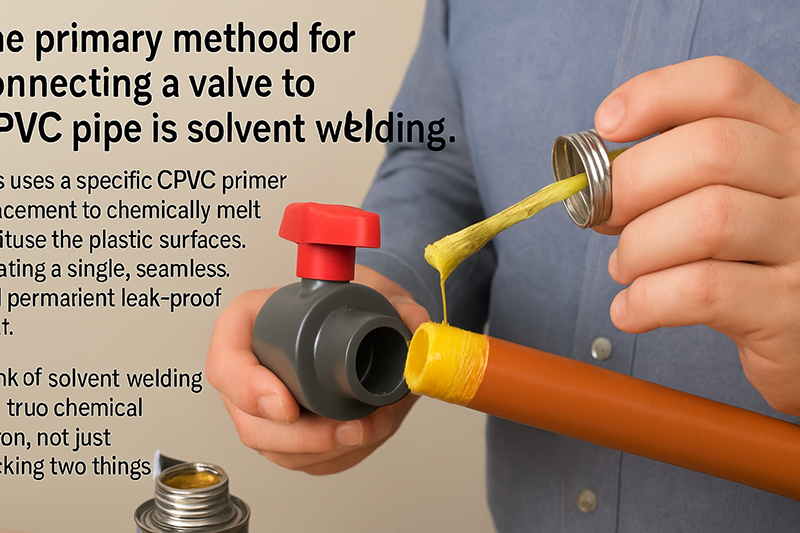
Not all homes use PEX. Some rely on CPVC or copper piping, requiring compatible valve types.
CPVC-Compatible Valves
Chlorinated polyvinyl chloride (CPVC) is common in DIY plumbing projects due to its ease of use and affordability.
Example
The Oatey 38652 features CPVC inlet with polystyrene body. Installation uses solvent cement for a glue-on connection. This option is suitable for indoor, temperature-controlled environments.
CPVC valves are lightweight and corrosion-resistant but not recommended for freezing conditions or direct sunlight exposure.
Solder Copper Connection Valves
For traditional copper plumbing, soldered connections provide a permanent, durable solution.
Example
The Sioux Chief 696-G2313MF features 1/2 inch solder inlet with 3/4 inch male hose thread outlet. This requires a torch and flux for installation and is best handled by experienced plumbers.
Soldered valves offer excellent longevity and pressure resistance but demand more skill to install correctly.
Standard Threaded Outlet: MHT
Regardless of inlet type, nearly all washing machine valves terminate in a 3/4-inch Male Hose Thread (MHT) outlet.
Why MHT Matters
This standardized connection ensures universal compatibility.
• Universal standard for connecting washing machine hoses
• Ensures compatibility across all major brands
• Simple hand-tightening with optional wrench backup
Always check that the MHT outlet is properly aligned and protected from cross-threading during hose attachment.
Material Differences: Brass vs. Plastic
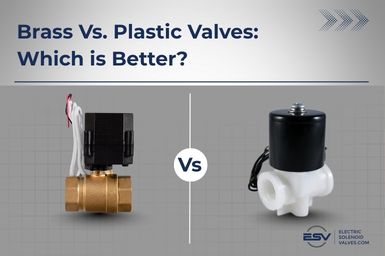
The body material impacts durability, pressure rating, and suitability for different environments.
Brass Valve Bodies
Used in Oatey 38880 and 38881, brass offers distinct advantages.
• Superior strength and corrosion resistance
• Higher pressure and temperature tolerance
• Long service life even in hard water areas
• Heavier and more expensive than plastic
Brass valves are best for standalone installations exposed to frequent use or harsh conditions.
Plastic ABS and Polystyrene Bodies
Common in outlet boxes like Sioux Chief OxBox and Oatey Eliminator, plastic bodies provide different benefits.
• Lightweight construction for easier handling
• Cost-effective manufacturing
• Resistant to rust and electrolysis
• Suitable for protected indoor installations
While not as robust as brass, ABS and polystyrene are perfectly adequate when housed within a wall or cabinet.
Pressure and Temperature Ratings
Valves must withstand typical household water conditions and occasional surges.
Standard Ratings
Most residential valves share common pressure ratings.
• 100 psi: Common in basic quarter turn valves like Oatey 38880
• 250 psig: Found in Sioux Chief 696 series for added safety margin
Higher ratings help prevent failure during water hammer events or pressure spikes.
Temperature Limits
Temperature ratings ensure compatibility with hot water systems.
• 200°F (93°C): Standard for hot water lines
• 250°F (121°C): Enhanced rating in Sioux Chief models for extreme conditions
Always verify temperature compatibility, especially if connected to a tankless water heater.
Color Coding for Hot and Cold
Many valves come color-coded to prevent mix-ups during installation.
• Red: Hot water valve (like EZ-FLO 10758)
• Blue: Cold water valve (like EZ-FLO 10759)
This visual cue speeds up installation and reduces errors, particularly in dual-valve setups.
Top Brands and Product Lines
Several manufacturers dominate the washing machine valve market, each offering unique technologies and configurations.
Oatey Solutions
Oatey provides both individual valves and integrated systems.
Key Models
• 38880/38881: Quarter turn PEX valves with brass bodies
• 38652: CPVC outlet box for washing machines
• 38357: Quarter turn valve compatible with Viega and arrestor systems
Known for reliability and broad availability, Oatey products are stocked at major suppliers nationwide.
Sioux Chief OxBox Series
The 696 series offers versatile, high-performance outlet boxes.
Options Include
• 696-G2303WR: F1960 PEX Grip connections
• 696-G2303XR: F1807 Crimp PEX inlets
• 696-G2313MF: Soldered copper with built-in arresters
Designed for professional-grade installations, these units support multiple connection types and meet strict performance standards.
EZ-FLO Dedicated Valves
EZ-FLO focuses on simplicity with dedicated hot and cold valves.
• 10758: Hot water valve (1/2 inch x 3/4 inch)
• 10759: Cold water valve (1/2 inch x 3/4 inch)
Ideal for straightforward replacements or single-valve upgrades.
JB Products PEX Expertise
JB Products specializes in PEX-ready solutions.
• JBS5182: F1960 PEX valve
• JBS2282: Full box with arrestors and F1960 connections
Their designs prioritize tool-free installation and compatibility with modern PEX systems.
Installation Mounting Styles
How you mount the valve affects accessibility, appearance, and protection.
Recessed Wall Mount
Valve boxes installed within the wall cavity offer distinct benefits.
• Clean, flush finish that hides plumbing
• Protection from accidental impacts
• Concealed plumbing lines for better aesthetics
This approach requires careful framing and drywall work during construction or renovation.
Surface Mount
Installed over finished walls, surface-mounted boxes provide different advantages.
• Allows easy retrofitting without wall modifications
• Simplifies future access for maintenance
• May appear less polished in finished rooms
This approach is perfect for basements, garages, or laundry rooms where aesthetics are secondary.
Compatibility With Framing Systems
Some models, like Oatey 38357, are designed to work with Viega or other branded mounting rails, streamlining installation in structured plumbing layouts.
How to Choose the Right Valve
Selecting the best washing machine valve depends on several key factors.
Match Your Plumbing Type
Choosing the correct connection type is essential for a leak-free installation.
• PEX F1960: Push-fit valves like 696-G2303WR
• PEX F1807: Crimp-compatible valves like 696-G2303XR
• CPVC: Glue-in models like Oatey 38652
• Copper: Soldered inlet models like 696-G2313MF
Using mismatched components can lead to leaks or failed inspections.
Consider Water Hammer Risk
If your home experiences banging pipes when the washer stops, look for specific features.
• Integrated arresters like those in 696-G2313MF
• Or space to add external arrestors
This prevents pipe fatigue and potential failures over time.
Think About Accessibility
Different situations call for different mounting approaches.
• Finished laundry rooms: Use recessed outlet boxes
• Utility areas: Surface-mounted or individual valves may suffice
• rentals or frequent maintenance: Quarter turn levers offer easiest access
Check Local Code Requirements
Some jurisdictions have specific mandates.
• Dual shut-offs may be required
• Water hammer arresters might be mandatory
• Recessed installation could be specified
• Certain pressure ratings may be enforced
Always verify local codes before purchasing or installing.
Maintenance and Longevity Tips
Even the best valve needs proper care to last.
Regular Operation
Turn valves off and on every 6 to 12 months to prevent seizing, especially in rarely accessed locations. This simple practice keeps the internal mechanism working smoothly.
Inspect for Leaks
Check around connections annually for signs of moisture, corrosion, or mineral buildup. Early detection prevents major water damage.
Protect from Freezing
Ensure valves in unheated spaces are insulated or drained during winter months. Frozen valves can crack and cause significant flooding.
Replace Worn Seals
If a valve drips when closed, the internal ball or seat may need replacement. This is especially common in older multi-turn models.
Frequently Asked Questions About Washing Machine Valve Types
What is the most reliable washing machine valve type?
Quarter turn ball valves are generally considered the most reliable washing machine valve type due to their simple mechanism, durability, and quick shut-off capability. Models with brass bodies offer the best corrosion resistance and longevity.
Can I install a washing machine valve myself?
Yes, many homeowners can install washing machine valves themselves, particularly if using push-fit PEX connections (F1960) that require no tools. However, soldered connections require plumbing experience and proper equipment.
Do I need water hammer arresters on my washing machine valve?
Water hammer arresters are recommended if your plumbing system experiences banging noises when the washer stops. Many modern integrated outlet boxes include built-in arresters, and some local codes require them.
What is the standard connection size for washing machine valves?
The standard outlet size is 3/4 inch Male Hose Thread (MHT) for connecting washing machine hoses. Inlet sizes vary (1/2 inch or 3/4 inch) depending on your plumbing type.
How long do washing machine valves typically last?
Quality brass valves can last 15 to 20 years or longer with proper maintenance. Plastic-bodied valves in protected environments typically last 10 to 15 years.
What is the difference between PEX F1960 and F1807 connections?
F1960 (Grip) is a push-to-connect system requiring no tools. F1807 (Crimp) requires crimp rings and a specialized tool. Both are reliable, but F1960 is more DIY-friendly.
Final Thoughts on Choosing Washing Machine Valve Types
For most homeowners, the best choice is a quarter turn valve with PEX or compatible inlet and a 3/4 inch MHT outlet. This combination provides fast operation, reliable performance, and universal hose compatibility. If you are doing a full laundry room upgrade, consider investing in an integrated outlet box with built-in water hammer arresters, such as the Sioux Chief 696-G2313MF or JB Products JBS2282. These systems combine safety, code compliance, and clean aesthetics in one package.
Always match the valve to your existing plumbing material, whether PEX, CPVC, or copper. Check local code requirements before purchasing, and consider future serviceability when choosing your mounting style. With the right washing machine valve type installed, you gain peace of mind, faster emergency response, and a setup that lasts for years without issues.