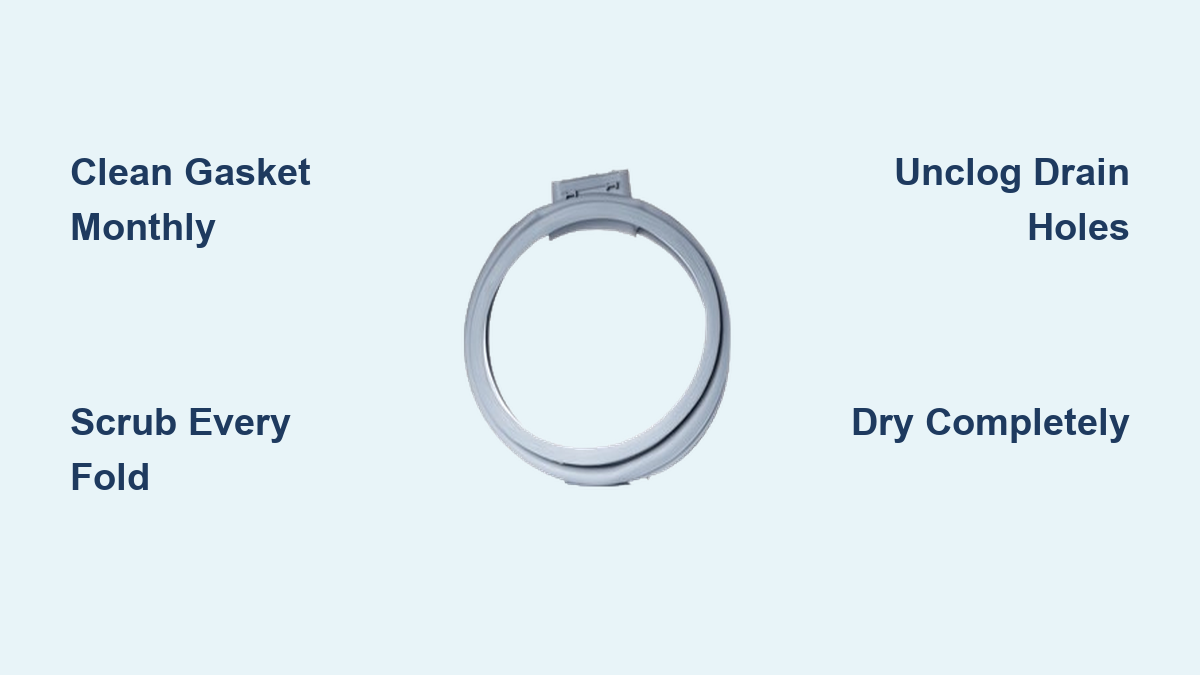
How to Clean Washing Machine Gasket: Easy Steps
A dirty washing machine gasket can turn your clean laundry into a smelly mess. If you have noticed a musty odor after cycles or seen black spots around the rubber seal of your front-load washer, it is time to clean the gasket. This crucial component forms a watertight seal to prevent leaks, but its moist, hidden folds trap detergent residue, fabric softener, lint, and bacteria, creating the perfect breeding ground for mold and mildew. Left unchecked, a grimy gasket not only smells bad but can transfer grime to clothes and even lead to water damage. The good news: with the right method, you can restore your seal to like-new condition in under 30 minutes. In this guide, you will learn how to deep-clean your washing machine gasket, unclog drain holes, dry effectively, and prevent future buildup, keeping your washer fresh, hygienic, and running smoothly for years.
Remove Surface Debris First
Before applying any cleaner, start with a dry wipe-down to clear loose gunk. Use a damp paper towel or soft cloth and gently run it along the visible part of the rubber gasket. Then, carefully pull back the seal in sections to expose hidden pockets where hair, lint, and sludge accumulate. These tucked areas are often overlooked but harbor the most contamination. Wipe every fold you can access, working your way around the full circle of the door. This initial step prevents smearing thick grime during deeper cleaning and makes the process more effective. Do not rush. Take time to inspect the entire seal, especially the bottom quadrant, where water and debris settle most.
Focus on the Bottom Trough
The lowest part of the gasket is the most vulnerable. It collects standing water, soap scum, and organic matter after every cycle. Shine a flashlight here to reveal trapped debris. Use a dry corner of your cloth to soak up any pooled moisture before moving to the next step. This reduces slipperiness and helps cleaning solutions work better on residue rather than diluting in water.
Apply DIY Cleaning Solution
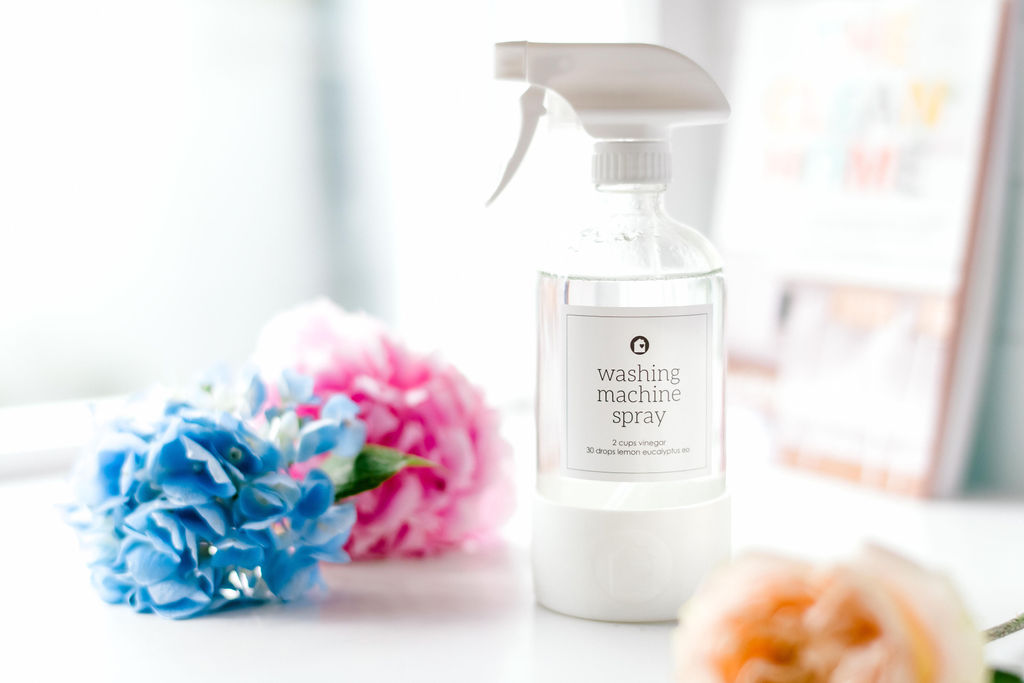
Create a powerful yet safe cleaning spray using household items. Combine in a spray bottle one cup white vinegar, one cup water, and one teaspoon Blue Dawn dish soap. Shake gently to mix. Spray this solution liberally over the entire gasket, making sure to coat all folds, creases, and the inner edge near the drum. The acidity of vinegar breaks down alkaline detergent buildup and kills mold spores, while Dawn cuts through grease and oils from body soils and softeners. Water ensures the solution is not too harsh on rubber.
Alternative for Sensitive Seals
If you are concerned about vinegar affecting rubber over time, skip it and use only warm water and a few drops of dish soap. It is gentler but still effective for routine cleaning.
Let It Soak 10-30 Minutes
Allow the solution to sit for at least 10-15 minutes to soften stuck-on grime. For heavily soiled gaskets with visible black stains or thick residue, extend soaking to 30 minutes. Reapply if the surface dries out. This dwell time is key. Do not scrub immediately. Let chemistry do the heavy lifting.
Scrub Every Fold and Crevice
Grab an old soft-bristled toothbrush and begin scrubbing the entire gasket. Work in small sections, pulling the rubber open to expose hidden folds. Focus on areas that feel slick or look discolored. The soft bristles protect the rubber while effectively lifting mold and residue. For tight spots, try pipe cleaners for narrow channels, cotton swabs for pinpoint cleaning, or narrow bottle brushes for deeper access. An electric scrubber like the Rubbermaid Reveal Power Scrubber can speed up large surface cleaning but may not fit into tight crevices. Use it only on outer, accessible areas.
Do Not Skip the Lower 6 Inches
This zone is the most prone to mold because it holds water longest. Scrub it thoroughly, paying attention to any black specks or slimy textures. These are early signs of microbial growth. If the brush turns dark, rinse it frequently in clean water to avoid spreading contamination.
Clear the Drain Holes
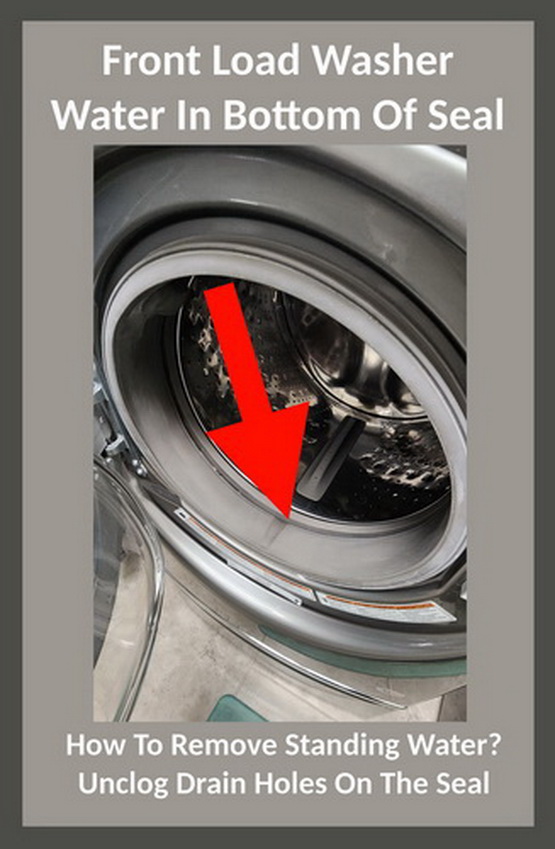
At the base of the gasket, look for 2-4 small holes leading to the outer tub. These allow trapped water to escape. When clogged, moisture stays in the seal, fueling mold and odors.
Unclog With Pipe Cleaners
Insert a pipe cleaner or flexible brush into each hole. Gently twist and push to remove lint, hair, and sludge. You may feel resistance. Work slowly to avoid damaging internal parts. Once clear, flush the area with a small amount of water to confirm drainage. Repeat for all holes.
Pro Tip: Check these monthly during maintenance. Clogged drains are a leading cause of recurring gasket issues.
Rinse and Dry Completely
Dampen a clean cloth with plain water and wipe the entire gasket to remove any leftover cleaner and loosened debris. Avoid soaking the area. Just a light rinse is enough. Excess water reintroduces moisture that can reignite mold growth.
Dry With a Two-Towel System
This is the most critical step. Use a first towel to wipe away bulk moisture, then a second towel for final drying, especially in folds. Start at the top and work downward to prevent dripping onto already-dried sections. Spend extra time on the bottom trough, where moisture lingers. Leave the door open afterward to air-dry fully.
Warning: Incomplete drying leads to rapid mold return. The gasket must be 100% dry before closing the door.
Treat Persistent Mold or Stains
If black spots remain after cleaning, use a thickened bleach gel. Products like Scrubbing Bubbles or Clorox Clean-Up Gel stick to vertical surfaces and deliver sustained mold-killing action. Apply directly to stains, let sit overnight (8-24 hours), then rinse and dry thoroughly.
When to Replace the Gasket
If stains persist or the rubber feels cracked, swollen, or brittle, the gasket is compromised. Deeply embedded mold or degraded material cannot be fully sanitized. Replacement is necessary. Turn off power and water supply, remove the front panel (varies by model), release clamps securing the gasket, and install a new OEM seal. Reassemble carefully.
Expert Note: Due to complexity, professional service is recommended for gasket replacement. DIY attempts may void warranties or cause leaks.
Run a Monthly Washer Maintenance Cycle
Prevent internal buildup that affects the gasket. Once a month, place one washing machine cleaner tablet (such as Affresh, Tide Washer Cleaner, or Glisten) directly in the drum. Run the hottest cycle available (Clean Washer or Sanitize) with no clothes or detergent. This flushes out residue from the drum, hoses, and pump, reducing the load on the gasket.
Best Time to Run It
Schedule this late at night or when you are home. Some cleaners produce strong odors or foam. It takes 60-90 minutes and keeps your entire system fresh.
Prevent Mold With Daily Habits
Make it a habit: after unloading laundry, wipe the gasket dry with a clean towel. Just 30 seconds prevents moisture accumulation. Keep a microfiber cloth nearby for convenience.
Leave Door Ajar
Always leave the washing machine door open after use. This allows airflow and speeds drying. Use a door stop magnet or small wedge to hold it safely in place. Keep it open for at least 4-6 hours, or until completely dry.
Humid Climate Tip: In damp environments, leave the door open overnight to ensure full evaporation.
Avoid Common Mistakes
Excess HE (high-efficiency) detergent leaves behind suds and residue that migrate into the gasket. Stick to the manufacturer is recommended amount, often just a tablespoon. More is not better.
Overusing Fabric Softener
Liquid softeners leave a waxy film that traps moisture and dirt. Limit use or switch to wool dryer balls. They soften clothes naturally without residue.
Ignoring the Drain Pump Filter
A clogged filter slows drainage, causing water backup into the gasket. Clean it every 1-3 months, depending on usage. Refer to your manual for location and removal steps.
Recognize Signs of Gasket Failure
A sour or mildew smell during cycles means bacteria are active. Clean immediately and improve drying habits. Visible mold colonies require aggressive treatment. If they return quickly, the gasket may need replacement.
Water Leaking at Door Base
Puddles on the floor suggest seal failure. Check for cracks, warping, or improper closure.
Stiff or Warped Rubber
If the gasket feels hard, cracked, or does not seal smoothly, it is degrading. Replace it before leaks worsen.
Maintain Long-Term Gasket Health
Set a reminder to deep-clean the gasket every 30 days. Consistency prevents heavy buildup and reduces cleaning time.
Inspect for Early Damage
During cleaning, check for small cracks, soft or swollen areas, fading color, or persistent dampness. Early detection can save you from costly repairs.
Extend Appliance Lifespan
A well-maintained gasket contributes to a 7-10 year washer lifespan. Neglect shortens it to 3-5 years and increases risk of water damage, moldy laundry, and premature replacement.
Know Warranty and Service Rules
Most manufacturers (LG, Samsung, Whirlpool) exclude gasket issues caused by poor upkeep from warranty claims. They expect monthly cleaning, door left open after use, and use of approved cleaning products. Failure to follow these may void service eligibility.
Use OEM Parts for Replacement
If replacing, choose original equipment manufacturer gaskets. Aftermarket seals may not fit properly or degrade faster, leading to leaks.
Frequently Asked Questions About Cleaning Washing Machine Gasket
How often should I clean my washing machine gasket?
Clean the gasket thoroughly once a month. Wipe it dry after every wash cycle to prevent moisture buildup. Monthly deep cleaning prevents heavy mold and residue accumulation.
Can I use bleach to clean the gasket?
Yes, but use a thickened bleach gel rather than liquid bleach. Gel formulas stick to vertical surfaces longer and are more effective on mold in crevices. Apply, let sit overnight, then rinse thoroughly.
Why does my gasket keep getting moldy even after cleaning?
Incomplete drying is the most common cause. Always dry the gasket completely with a towel before closing the door. Leave the door open for 4-6 hours after each cycle. Check that drain holes are not clogged.
What is the best DIY solution for cleaning the gasket?
A mixture of one cup white vinegar, one cup water, and one teaspoon dish soap (like Blue Dawn) works well. Vinegar breaks down alkaline residue and kills mold. Dish soap cuts through grease. This solution is safe for rubber seals.
How do I unclog the drain holes in the gasket?
Use a pipe cleaner or flexible brush. Insert it into each small hole at the bottom of the gasket. Gently twist and push to remove lint and debris. Flush with water to confirm drainage. Check these monthly.
When should I replace the gasket instead of cleaning it?
Replace the gasket if you see deep cracks, the rubber feels brittle or swollen, or mold returns immediately after thorough cleaning. Damaged seals cannot be fully sanitized and may cause leaks.
Key Takeaways for Keeping Your Washing Machine Gasket Clean
Cleaning your washing machine gasket is essential for hygiene, appliance longevity, and fresh-smelling laundry. The most important steps are removing surface debris first, applying a vinegar and dish soap solution, scrubbing every fold thoroughly, and unclogging the drain holes at the bottom. The drying step is critical. Incomplete drying causes rapid mold return, so use a two-towel system and leave the door open for at least 4-6 hours after every load. For persistent mold, apply a thickened bleach gel and let it sit overnight. Replace the gasket if it shows signs of damage like cracks, brittleness, or swelling. To prevent future buildup, wipe the gasket dry after each cycle, run monthly maintenance washes with cleaning tablets, and avoid using excess detergent or fabric softener. A well-maintained gasket can last 7-10 years, saving you from costly repairs or premature washer replacement.