How to Clean Pet Hair from Washing Machine
If you’re a pet owner, you’ve likely pulled a load of clean laundry from the washer only to find it covered in stubborn pet hair. Despite the cycle finishing, clumps of dog or cat hair reappear, thanks to buildup inside the machine itself. Pet hair, especially when wet, clings to internal surfaces, clogs filters, and gets redeposited on clothes. The good news? With the right steps, you can fully clean your washing machine and stop pet hair at the source.
Dry and Prep the Machine
Before any cleaning begins, prepare your washer properly to maximize effectiveness and safety.
Leave Door Open for 24 Hours
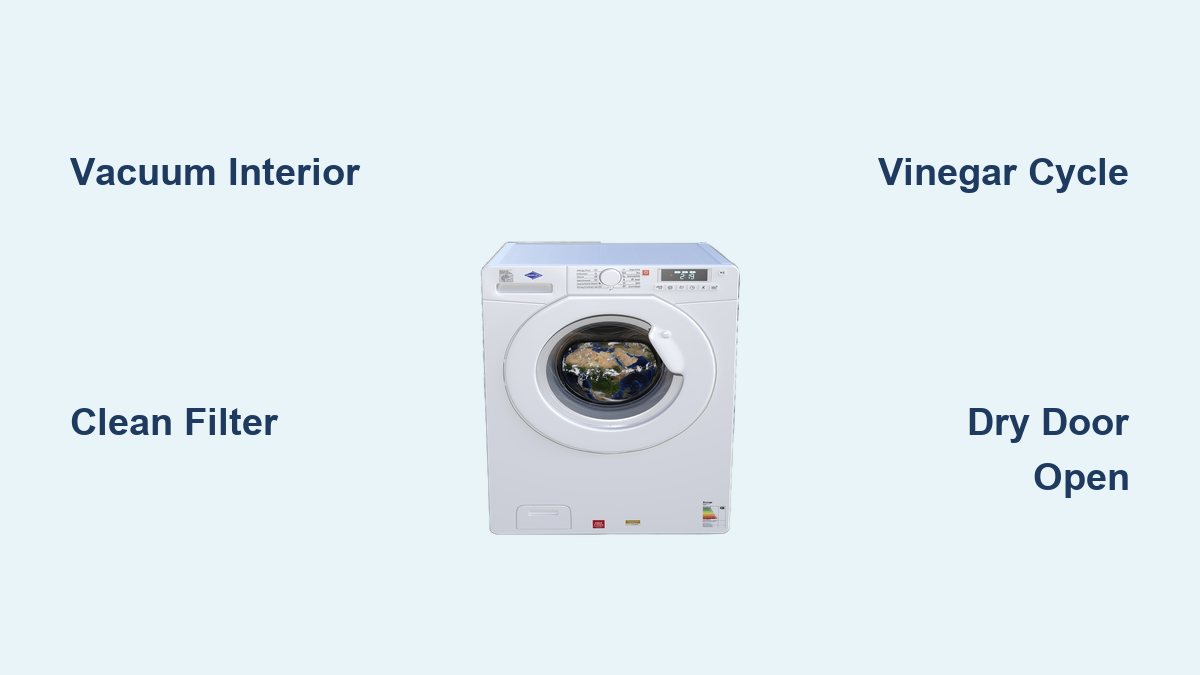
Moisture traps hair in rubber seals and hidden crevices. After your last load, leave the lid or door open for 12 to 24 hours. This allows the drum, gasket, and dispensers to dry completely, making hair easier to remove and preventing mold growth.
Pro Tip: For front-loaders, propping the door open with a small block helps air circulate behind the gasket.
Unplug for Safety
While not always necessary, unplugging the machine eliminates electrical risks, especially if you’re cleaning near the drain pump or control panel. If your unit is hardwired, skip this but avoid touching internal electronics.
Vacuum the Interior Thoroughly
Dry vacuuming removes the bulk of trapped hair before liquids or cycles are used.
Use a Brush Attachment
Grab a vacuum with a hose and brush nozzle. Focus on these areas:
- Drum walls run the brush along the entire surface
- Door gasket pull back folds on front-loaders; hair hides underneath
- Detergent and softener dispensers remove trays and vacuum slots
- Lid edges (top-loaders) check under the rim where water collects
Visual Cue: Look for grayish clumps or tangled strands, especially in rubber folds.
Do Not Skip Hidden Spots
Pet hair sneaks into these commonly overlooked areas:
- Drain holes around the gasket
- Underneath agitators (top-loaders)
- Behind removable panels
Spend 5 to 10 minutes vacuuming. This step alone removes up to 70% of trapped hair.
Clean the Drain Pump Filter
This is the most critical step in eliminating recurring pet hair. The filter catches debris, including hair, but when clogged, it recirculates hair back into the drum.
Locate the Filter Access Panel
Found at the front bottom of most machines. Check your manual if unsure. Common locations include behind a small rectangular panel, beneath a flip-down door, and near the kickplate.
Remove and Clean the Filter
- Place a towel underneath up to a cup of water may spill.
- Open slowly to avoid sudden leaks.
- Pull out the filter (usually twist or pull straight).
- Rinse under warm water, using a toothbrush to scrub off hair and sludge.
- Inspect the housing wipe out any debris with a cloth.
- Reinstall securely to prevent leaks.
Warning: A loose filter can cause flooding or error codes.
How Often to Clean
| Usage | Frequency |
|---|---|
| Regular pet laundry | Every 1 to 2 months |
| Heavy shedding breeds | Monthly |
| After washing pet beds | Immediately |
Run a Hot Vinegar Cycle
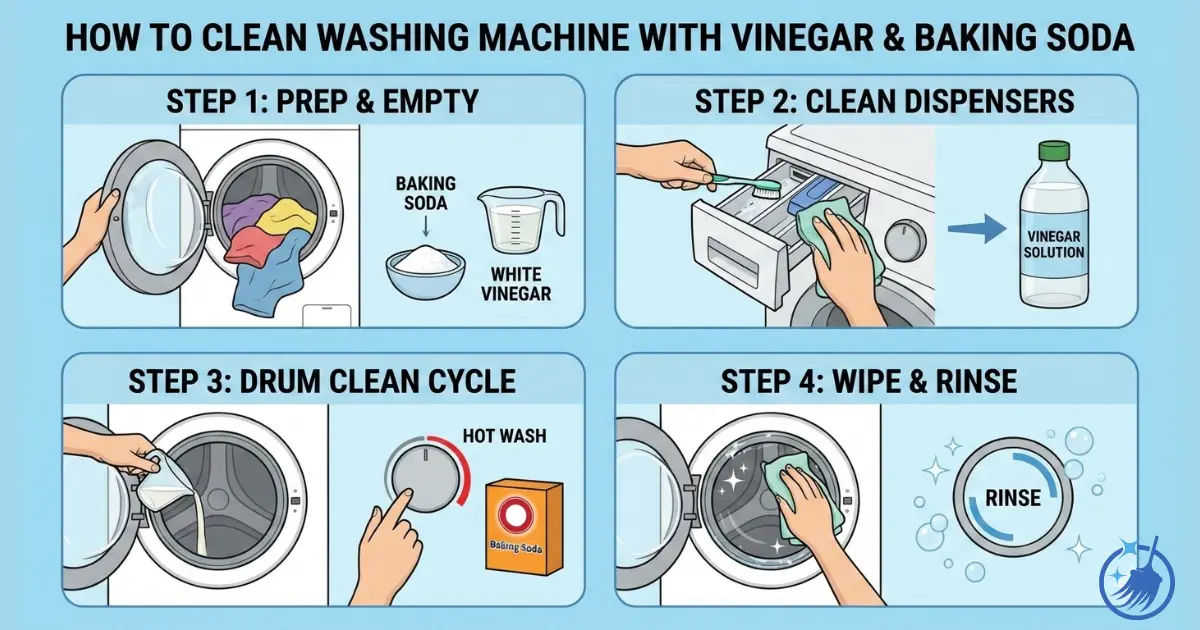
Vinegar loosens soap scum, mineral deposits, and hidden hair in hoses and baffles.
Add 2 Cups White Vinegar
Pour distilled white vinegar directly into the drum with no clothes and no detergent.
Run a Hot Wash Cycle
Select these settings:
- Hot water setting
- Longest cycle (heavy-duty or clean washer)
- Extra rinse if available
This flushes vinegar through internal hoses, pump chamber, drain lines, and drum walls.
Caution: Whirlpool and some brands warn against frequent vinegar use. It can degrade rubber seals over time. Limit to once per month.
Wipe Down Interior Surfaces
After vacuuming and washing, manually clean remaining areas.
Mix Vinegar Cleaning Solution
Combine these ingredients:
- 1/4 cup white vinegar
- 1 gallon warm water
Use Microfiber Cloth and Brush
Dip a microfiber cloth or sponge into the solution. Wipe the entire drum, door gasket (fold back to clean underneath), dispenser trays, and lid or door edges.
For tight spots, use an old toothbrush and focus on seams, folds, and crevices.
Expert Note: This removes biofilm, a slimy layer that traps hair and odors.
Run a Final Rinse Cycle
Flush out any leftover vinegar, debris, or loosened hair.
Use Hot Water Only
Run one empty hot cycle with no additives. This ensures no vinegar odor on your next load, complete removal of flushed particles, and the machine is laundry-ready.
Prevent Hair Buildup: Pro Tips
Prevention beats repeated deep cleaning. Use these strategies to keep hair out of your machine.
Remove Hair Before Washing
Lint Roll or Tape Clothes
Roll a lint roller or wrap masking tape (sticky side out) around your hand to pick up hair from pet bedding, sweaters, and upholstery.
Try the Rubber Glove Trick
Dampen a rubber glove with water. Run your hand over fabric, and hair clumps instantly. This works great on comforters and couch throws.
Air-Fluff in Dryer First
Toss hairy items into the dryer on air fluff (no heat) for 10 minutes. Add a dryer sheet to reduce static, then shake items vigorously afterward. Clean the lint filter immediately because it traps most hair before washing.
Consumer Reports confirms this method removes up to 90% of loose hair.
Use Vinegar in Rinse Cycle (Cautiously)
Add 1/2 cup white vinegar to the fabric softener dispenser. Benefits include softened fabrics, reduced static cling, and help releasing embedded hair.
Check your manual first because some machines (Samsung, Whirlpool) advise against this.
Choose Strong Wash Cycles
Use heavy-duty, extra rinse, or deep wash settings. These use more water, increase agitation, and flush hair more effectively. Avoid quick washes for pet items.
Best Washers for Pet Hair (What Works)

Some models claim pet hair removal cycles, but do they deliver?
Top Models with Pet Hair Cycles
| Model | Type | Key Feature |
|---|---|---|
| Maytag MTW7200RW | Top-load | Pet Pro cycle |
| Electrolux ELFW7626BW | Front-load | High agitation |
| Samsung WW25FG6B34BEA2 | Front-load | Steam option |
| Speed Queen TR7006WN | Top-load | Commercial-grade |
| Miele WWD660WCS | Front-load | Superior rinse |
Do Pet Pro Cycles Work?
Consumer Reports tested the Maytag Pet Pro cycle using dense Maine Coon cat hair.
Findings show no significant improvement over standard cycles, increased water usage and cycle time, and an older front-loader outperformed it.
Bottom Line: Branded cycles are not magic. Focus on strong agitation, high water levels, and efficient rinsing instead.
How to Wash Pet Bedding Safely
Pet beds are hair magnets. Clean them right to protect your machine.
Pre-Clean Before Washing
- Vacuum thoroughly, especially seams and tufts.
- Use tape or lint roller on fabric surfaces.
- Spot-treat stains with enzyme cleaner.
Wash in Hot Water (If Safe)
Hot water kills fleas, ticks, and bacteria. Check the care label because some foam inserts cannot be soaked.
Use extra rinse cycle, high spin speed, and pet-safe detergent.
Dry Properly
Use a dryer sheet to reduce static. Clean the lint filter halfway through drying. If air-drying, choose a well-ventilated area to prevent mold.
Post-Wash Machine Care
After washing a pet bed, wipe the drum with a damp towel and run a cleaning cycle if hair remains.
Maintenance Schedule for Pet Owners
Stay ahead of hair buildup with routine care.
| Task | Frequency |
|---|---|
| Clean dryer lint filter | After every load |
| Clean washer drain pump filter | Every 1 to 3 months |
| Run vinegar cleaning cycle | Once per month (max) |
| Wipe drum and gasket | Monthly |
| Vacuum inside drum | Every 2 to 3 months |
| Clean dryer vent duct | Annually |
Warning: Ignoring the pump filter leads to clogs, poor drainage, and costly repairs.
Expert and User Tips You Cannot Miss
Brush Pets Daily
Regular grooming cuts loose hair by up to 80%. Use deshedding tools like Furminator and give weekly baths to reduce dander and shedding.
Avoid Overloading
Crowded loads reduce water flow, trapping hair in fabrics. Leave a soccer ball-sized gap at the top.
Front-Load vs. Top-Load: Which Is Better?
| Feature | Front-Load | Top-Load |
|---|---|---|
| Water Use | Lower | Higher |
| Agitation | Gentle | Stronger |
| Hair Trapping | In gasket | In agitator |
| Cleaning Ease | Harder to access | Easier drum access |
Verdict: Top-loaders often handle hair better due to stronger agitation and fewer seals.
Use Dryer Sheets in Wash (Yes, But Sparingly)
Toss 1 to 2 dryer sheets into the drum with pet items. This reduces static and helps repel hair.
Caution: Long-term use can coat sensors and drums. Use only for hairy loads.
Secondhand Washer? Clean It First
Assume any used machine is contaminated. Run a full cleaning protocol before first use, especially if previous owners had pets.
Key Takeaways for Keeping Your Washing Machine Hair-Free
Pet hair does not have to ruin your laundry routine. The key is proactive cleaning and smart habits. Focus on cleaning the drain pump filter because it is the number one source of recurring hair. Vacuum the drum before washing to remove the bulk of hair early. Use air-fluff cycles as a simple 10-minute trick that works. Avoid overusing vinegar because it is effective but potentially harmful if abused.
By following this guide, you will not only remove existing pet hair from your washing machine, you will prevent it from coming back. Clean clothes, smooth cycles, and a longer-lasting appliance await. Stick to the routine, and say goodbye to hairy laundry for good.
Frequently Asked Questions About Cleaning Pet Hair from Washing Machines
How do I get pet hair out of my washing machine drum?
Start by leaving the door open for 12 to 24 hours to let everything dry. Then vacuum the entire drum, gasket, and dispensers using a brush attachment. Run a hot vinegar cycle followed by a final rinse. This process removes embedded hair and prevents redepositing onto clean clothes.
Can pet hair damage my washing machine?
Yes. Accumulated hair can clog the drain pump filter, impede drainage, and stress the motor over time. Hair also traps moisture, promoting mold growth in seals and gaskets. Regular cleaning prevents these issues and extends your machine’s lifespan.
Should I use vinegar to clean my washing machine?
Vinegar works well for dissolving soap scum and loosening trapped hair. Add 2 cups to an empty hot cycle. However, limit this to once per month because frequent use can degrade rubber seals in some Whirlpool and Samsung models.
How often should I clean the drain pump filter?
Clean the filter every 1 to 2 months for regular pet laundry. Clean monthly if you have heavy shedding breeds, and always clean immediately after washing pet beds or heavily furred items.
Does the Pet Pro cycle on Maytag washers actually work?
Consumer Reports tested the Maytag Pet Pro cycle and found no significant improvement over standard cycles. It actually used more water and time. Focus on machine agitation and rinse efficiency rather than marketing claims.