How to Fix Clogged Washing Machine Drain
Is your washing machine draining slowly or leaving standing water in the drum after a cycle? This is a telltale sign of a clogged washing machine drain that can lead to foul odors, poor cleaning performance, and even water damage if left unaddressed. The blockage may be in the drain hose, pump filter, standpipe, or deeper in your home’s plumbing. The good news: most clogs can be cleared with basic tools and simple steps. This guide walks you through proven methods to fix a clogged washing machine drain, identify root causes, and prevent future backups.
Locate the Source of the Blockage
Before grabbing tools, determine where the clog is likely occurring. Starting with the most accessible areas saves time and effort.
Common blockage locations include the drain hose, which can accumulate kinks or lint buildup. The pump filter, especially in front-load models, traps debris. The standpipe (wall drain) often collects hair, soap scum, or foreign objects. In severe cases, the P-trap or main sewer line may be affected, which typically impacts multiple fixtures.
Check for Standing Water and Error Codes
If water remains in the drum, do not open the door or attempt repairs yet. Run a spin-only cycle to remove as much water as possible. For front-loaders displaying error codes like “F02” or “ND,” unplug the machine and wait 3 to 5 minutes for internal locks to release. Never force the door open.
Disconnect and Inspect the Drain Hose
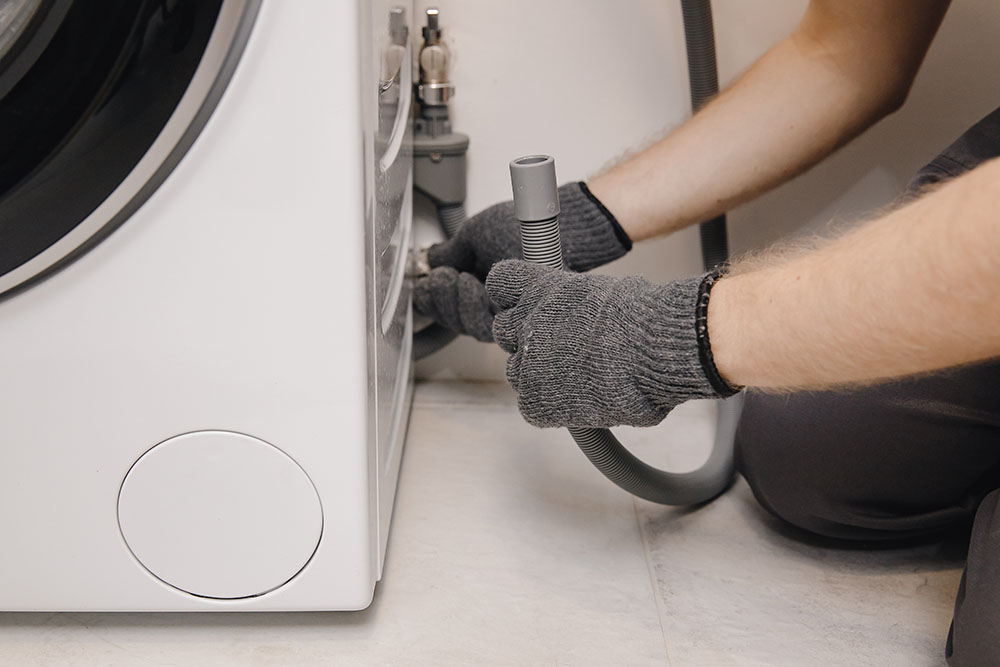
The drain hose is the first and easiest place to check. A kinked or clogged hose stops water from exiting the machine entirely.
Remove and Flush the Hose
- Unplug the washing machine and turn off water supply valves.
- Place towels and a bucket behind the unit to catch spills.
- Disconnect the drain hose from the standpipe or wall inlet.
- Check for kinks, cracks, or sagging that impede flow.
- Use a bottle brush or straightened wire hanger to dislodge lint and debris.
- Flush with hot (not boiling) water from a kettle or faucet to clear residue.
Pro Tip: Hold the hose over a bucket while flushing to avoid mess. If water flows freely, the hose is clear.
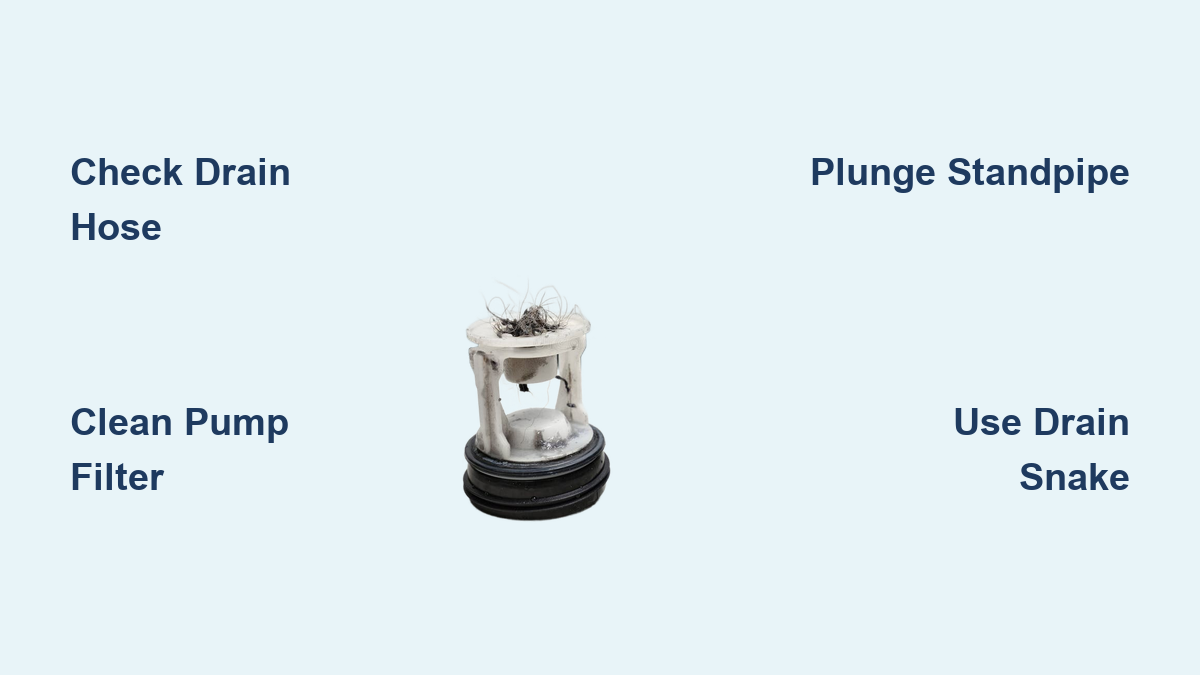
Clean the Pump Filter
Many modern washers, especially front-loaders, have a pump filter that catches coins, lint, and small objects. Cleaning this filter regularly prevents most drainage issues.
Access and Clean the Filter
- Locate the filter panel, usually a small door at the bottom front of the machine.
- Place a shallow pan or towels underneath, as up to 2 cups of water may spill out.
- Open the panel slowly, letting water drain before removing the filter.
- Pull out the filter and rinse it under running water, removing all gunk.
- Inspect the filter housing for trapped debris.
- Reinstall the filter and close the panel securely.
Warning: Never run the machine without the filter in place. Doing so can damage the pump permanently.
Clear the Standpipe with a Plunger
If the hose and filter are clear but water still backs up, the clog may be in the standpipe, the vertical pipe behind or near the washer.
Use a Cup Plunger Effectively
- Reconnect the drain hose temporarily or cover the standpipe opening.
- Seal the top of the pipe with a cup-style plunger, not a toilet plunger.
- Apply petroleum jelly to the rim for a better seal.
- Pump vigorously 15 to 20 times to dislodge the clog.
- Remove the plunger and flush with hot water.
Visual Cue: Gurgling sounds or sudden water drop means the clog is breaking up.
Break Up Deep Clogs with a Drain Snake

For stubborn blockages beyond the reach of a plunger, a plumber’s snake (drain auger) is your best tool.
Feed the Auger into the Standpipe
- Disconnect the drain hose from the standpipe.
- Insert a ¼-inch to ½-inch manual auger into the pipe.
- Turn the handle clockwise as you slowly feed the cable in.
- When you feel resistance, rotate and push gently to break up or hook the clog.
- Retract the auger and wipe off any debris.
- Repeat if necessary, then flush with 4 to 6 quarts of hot water.
Avoid Electric Snakes Near Washers: Use only manual augers to prevent pipe damage.
Flush with Natural Cleaners to Prevent Buildup
After clearing the clog, flush the system with natural solutions to remove residue and prevent recurrence.
Use Vinegar and Baking Soda
- Pour 1 cup of white vinegar down the drain.
- Follow with ½ cup of baking soda.
- Let the mixture fizz for 30 minutes.
- Flush with hot water to clear the reaction byproducts.
Pro Tip: Repeat monthly to keep pipes clear and odor-free.
Avoid Chemical Drain Cleaners
While tempting, chemical drain openers can damage your washing machine and plumbing. They corrode rubber hoses and plastic pipes. Residue can enter the washer and ruin seals or sensors. Harsh fumes also pose health risks. Stick to mechanical clearing and natural solutions instead.
Prevent Future Clogs with Routine Maintenance
Prevention is faster and cheaper than repair. A few simple habits go a long way toward keeping your drain flowing freely.
Clean the Pump Filter Monthly
Check the filter every 1 to 3 months depending on laundry volume. Remove lint, hair, and small items before they cause blockages.
Use HE Detergent and Avoid Overloading
High-efficiency detergent produces fewer suds and less residue. Overloading increases lint shedding and strains the pump.
Inspect the Drain Hose Regularly
Ensure the hose is not kinked, crushed, or inserted too far into the standpipe. Leave a 4 to 6 inch gap between the hose end and pipe to prevent siphoning.
Flush the Drain System Monthly
Pour hot water down the standpipe once a month. Follow with vinegar and baking soda for deep cleaning.
Diagnose Recurring or Severe Clogs
If clogs keep coming back or affect other fixtures, the issue may be deeper in your plumbing system.
Watch for Sewer Line Warning Signs
Water backing up into showers, tubs, or toilets during wash cycles indicates a shared blockage. Foul sewage smells from drains and gurgling noises in plumbing when the washer drains are also red flags. These symptoms point to a possible main sewer line blockage caused by tree roots, collapsed pipes, or grease buildup.
Call a Plumber for Camera Inspection
For deep or recurring clogs, a licensed plumber can use a drain camera to locate the exact blockage. Hydro-jetting can blast away stubborn buildup. Repairs may include pipe relining or replacement. Call a professional if plunging and snaking fail, or if multiple fixtures are affected.
Tools You’ll Need for the Job
Having the right tools on hand makes the job faster and safer.
| Tool | Purpose |
|---|---|
| Bucket or shallow pan | Catch water during filter or hose removal |
| Towels | Protect floors and absorb spills |
| Adjustable pliers | Remove hose clamps |
| Cup plunger | Clear shallow standpipe clogs |
| Manual drain snake (¼-inch to ½-inch) | Reach deep obstructions |
| Flashlight | Inspect dark hose interiors and filter housing |
| Bottle brush or wire hanger | Clean drain hose manually |
| White vinegar and baking soda | Natural cleaning and deodorizing |
| Rubber gloves | Protect hands from grime and bacteria |
Safety Tips for DIY Drain Repair
Always unplug the machine before working on it. Wear gloves and safety glasses when handling debris. Never use chemical cleaners near washing machine plumbing. Do not force tools, as this can crack pipes or loosen joints. Reconnect all parts securely to prevent leaks.
Real-World Fixes That Work
Monthly filter cleaning reduced clogs by 90 percent for one user with a front-load Samsung. Switching from regular to HE detergent stopped recurring backups in a high-use household. A wet/dry vacuum used on the standpipe after disconnecting the hose cleared a stubborn clog in minutes. One homeowner discovered a lost sock wrapped around the impeller, removed only after filter access.
Final Fix Checklist
Before considering the job complete, verify these steps. Drain hose inspected and flushed. Pump filter cleaned if accessible. Standpipe plunged or snaked. System flushed with hot water and vinegar. No chemical cleaners used. Hose reconnected with proper standpipe gap. Test run completed with no standing water.
Frequently Asked Questions About Clogged Washing Machine Drains
Why is water standing in my washing machine after a cycle?
Standing water typically indicates a clog in the drain hose, pump filter, or standpipe. The water cannot exit the machine fast enough during the drain cycle. Check the drain hose for kinks first, then clean the pump filter if your model has one.
How often should I clean my washing machine pump filter?
Clean the pump filter every 1 to 3 months, depending on how frequently you run laundry. Households with heavy laundry loads or children may need monthly cleaning. Regular maintenance prevents most drainage issues.
Can I use chemical drain cleaners on my washing machine drain?
No. Chemical drain cleaners can corrode rubber hoses, damage plastic pipes, and ruin washing machine seals and sensors. Stick to mechanical clearing methods like plunging or snaking, and use natural cleaners like vinegar and baking soda for maintenance.
What causes washing machine drains to clog repeatedly?
Recurring clogs often stem from using non-HE detergent, which leaves excess residue. Other causes include a drain hose inserted too far into the standpipe, a dry P-trap from infrequent machine use, or a deeper issue in the main sewer line. Address these root causes to stop repeat clogs.
How do I know if the clog is in the main sewer line?
If water backs up into your shower, tub, or toilet when the washing machine drains, the clog is likely in the main sewer line. Foul sewage smells and gurgling sounds across multiple fixtures confirm this. A plumber can perform a camera inspection to confirm.
Key Takeaways for Fixing Your Washing Machine Drain
A clogged washing machine drain is a common but fixable problem. Start with the most accessible solutions: inspect and flush the drain hose, then clean the pump filter. Move to plunging and snaking for deeper blockages. Finish with natural cleaning using vinegar and baking soda to prevent recurrence. Prevent future issues by using HE detergent, performing regular maintenance, and flushing the drain monthly. For deep or recurring clogs, especially those involving sewage backup, call a licensed plumber. With the right approach, you can restore full drainage and extend your machine’s life without costly repairs.