How to Wash Knit Sweaters in Washing Machine
You have a favorite knit sweater that needs cleaning, but the thought of ruining it in the washing machine makes you nervous. Many people assume all knit sweaters require hand washing, but you can safely wash knit sweaters in the washing machine when the care label permits. The secret lies in using the correct settings, protecting the fabric from friction, and avoiding common mistakes like hot water or high spin speeds. This guide walks you through every step to machine wash knit sweaters without damage, prevent pilling and stretching, and keep your sweaters looking new for years.
Check the Care Label Before Washing
The care label inside your sweater contains the most important information for safe washing. This small tag tells you whether the garment can be machine washed, what water temperature to use, and if tumble drying is allowed.
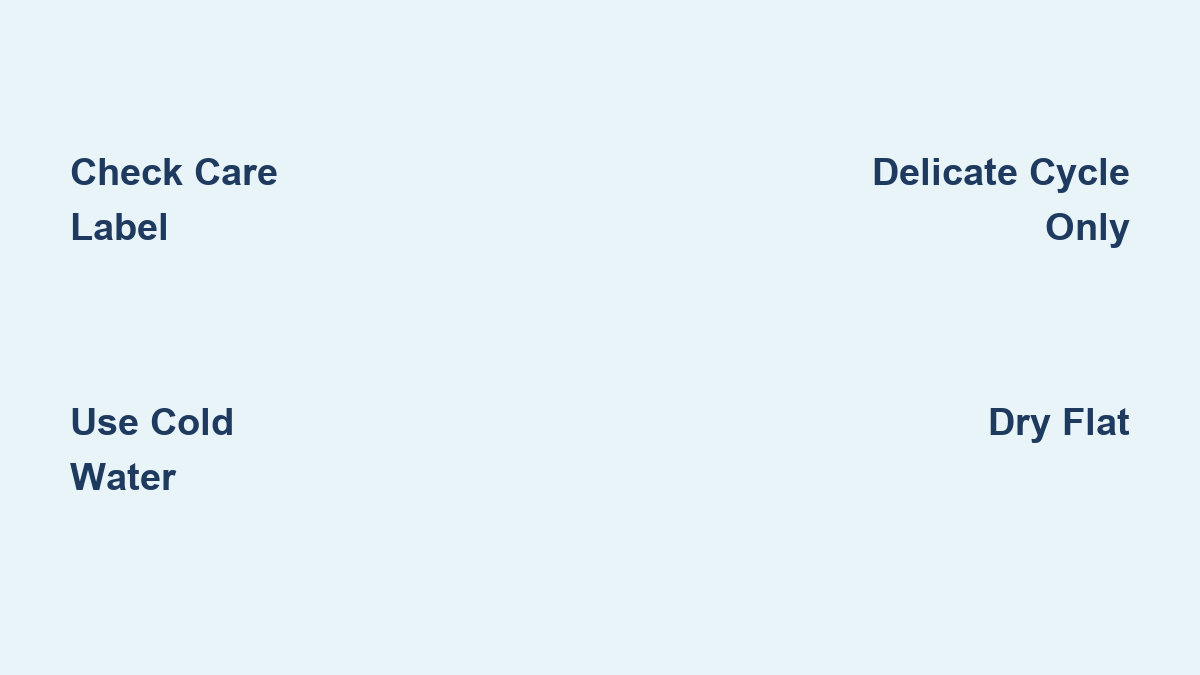
Look for these key indicators on the label. A machine washable sweater will say so explicitly. The label may specify “delicate cycle only” or “cold water.” If you see “hand wash only” or “dry clean,” skip the machine entirely. Wool, cashmere, and certain blended knits often require special handling even when they appear durable.
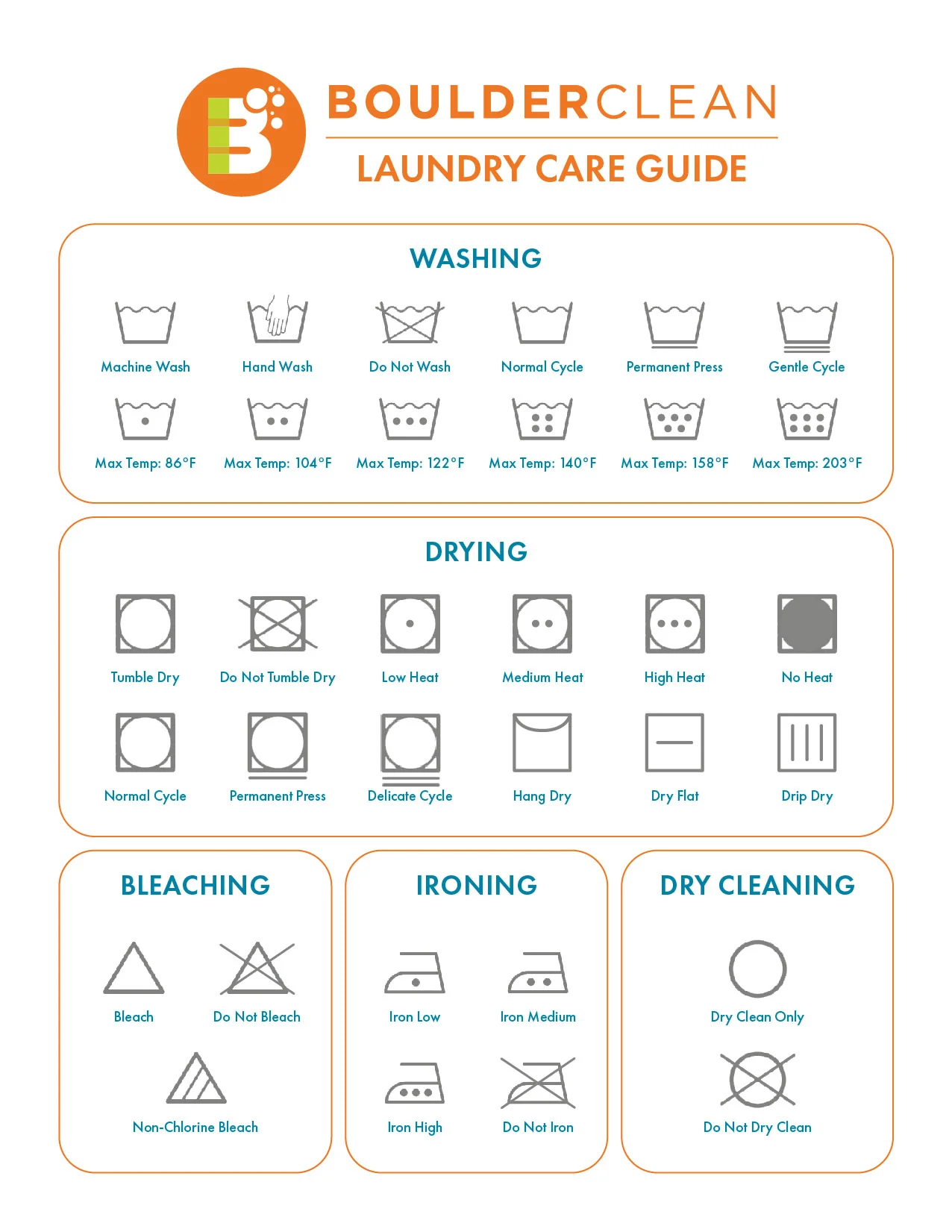
Understanding care symbols speeds up your decision making. A washing tub with a hand means hand wash only. A tub with one dot indicates cold water wash at 30°C or below. A square with a circle means tumble drying is allowed. A square with a line underneath tells you to dry flat. Ignoring these instructions leads to shrinking or distorting your sweater.
Prepare Your Sweater for the Machine
Proper preparation protects your knit sweater from friction, snagging, and losing its shape during the wash cycle.
Turn the Sweater Inside Out
Flipping the sweater inside out shields the outer surface from abrasion and reduces pilling. This step also preserves any patterns, embroidery, or delicate finishes on the front of the garment.
Use a Mesh Laundry Bag
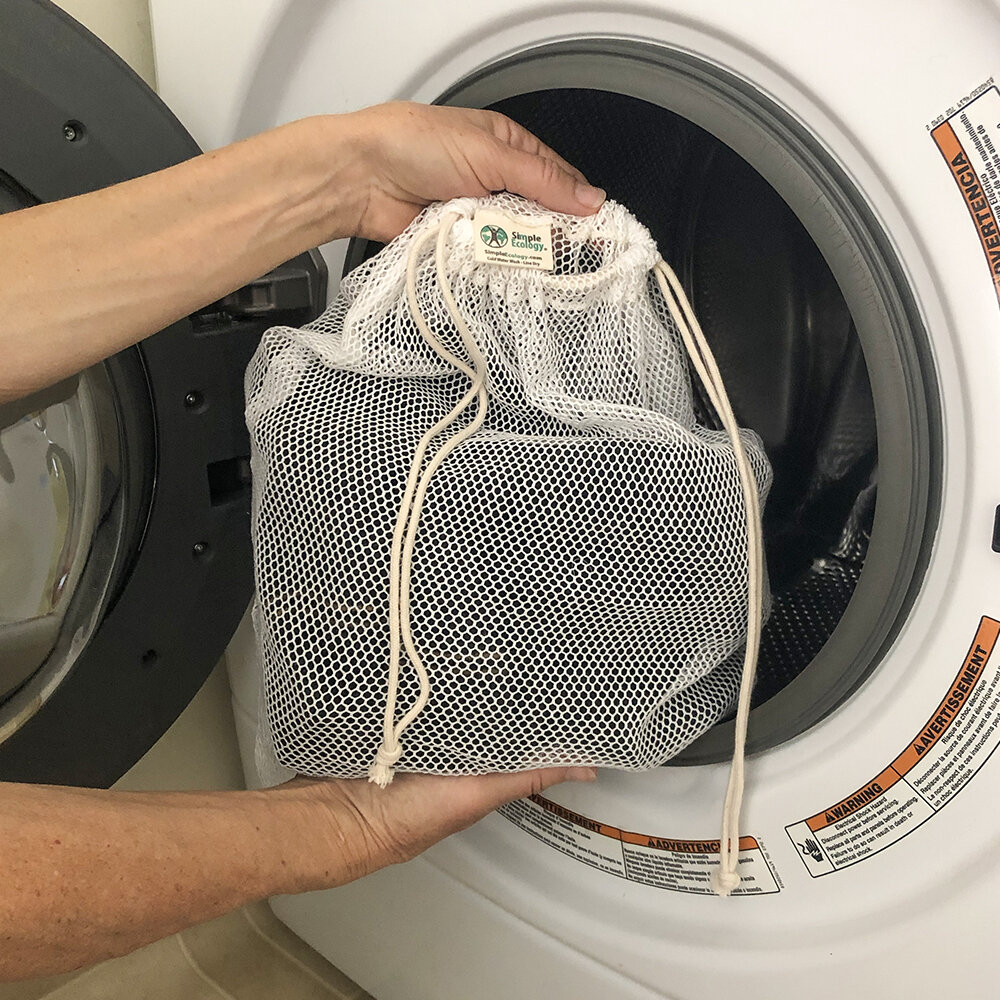
Place the sweater in a large mesh laundry bag before washing. This protective barrier minimizes friction between the sweater and the washing machine drum or other clothing items. Choose a bag large enough so the sweater can move freely without being compressed.
Secure All Fasteners
Button all buttons and zip all zippers on cardigans or sweaters with fasteners. Tuck in any loose strings or drawstrings. These small items can snag on other clothes or the washer drum, causing damage.
Select the Right Washing Machine Settings
Your washing machine settings determine whether your sweater survives the cycle intact.
Always Use Cold Water
Set your machine to cold water at 30°C or below. Hot water causes natural fibers like wool and cotton to shrink dramatically. It can also damage synthetic blends and cause colors to fade or bleed. Cold water cleans gently while preserving fiber integrity.
Choose the Delicate or Light Cycle
Select the delicate, hand wash, or light cycle on your machine. These settings use slow agitation, reduced spin speed, and shorter wash times. Avoid normal, heavy-duty, or permanent press cycles, as they are too harsh for knit fabrics.
Pick a Gentle Detergent
Using the wrong detergent leaves residue, damages fibers, or creates odors.
Use a Mild, Cold-Water Formula
Choose a mild detergent designed for delicates or cold-water washing. Avoid regular heavy-duty detergents, products containing bleach or enzymes unless labeled safe for wool, and strong fragrances that may irritate sensitive skin.
Add Baking Soda for Extra Freshness
If your sweater has been in storage or develops a musty smell, add half a cup of baking soda to the drum before starting the cycle. Let it dissolve in the water before adding the sweater. Baking soda neutralizes odors naturally and enhances cleaning without harsh chemicals.
Wash with Compatible Items Only
Never wash a knit sweater with heavy or abrasive clothing that creates excess friction.
Avoid These Laundry Partners
Keep your sweater away from jeans, towels, sweatshirts, and items with zippers or Velcro. These items create friction that pulls fibers and leads to pilling or snagging.
Best Washing Companions
Wash your sweater with other lightweight knits, silk blouses, or delicate undergarments. For the safest results, wash the sweater alone to eliminate any risk of damage.
Remove the Sweater Immediately After Washing
Leaving a wet sweater in the washing machine causes wrinkles, odors, and mildew growth.
Take It Out Right Away
As soon as the cycle finishes, open the machine and remove the sweater immediately. Delayed removal leads to musty smells even when the wash was otherwise perfect.
Never Wring or Twist
After removing the sweater, never wring, twist, or hang it to dry. These actions stretch the fibers out of shape permanently. Instead, gently press out excess water and roll the sweater in a dry towel to absorb moisture.
Dry Flat to Preserve the Shape
How you dry your sweater determines whether it keeps its original shape.
Lay on a Clean Surface
Spread a dry, absorbent towel on a flat surface and place the sweater on top. Reshape it to its original dimensions, smoothing out the sleeves, neckline, and hem. Use a solid drying rack or a clean floor area rather than wire racks that leave marks.
Keep Away from Heat Sources
Do not place the drying sweater near radiators, heaters, or direct sunlight. Heat weakens fibers and causes colors to fade. Let the sweater air dry naturally, which takes 12 to 24 hours depending on thickness.
Tumble Dry Only When Permitted
Only tumble dry if the care label explicitly allows it. Use the lowest heat setting and remove the sweater while slightly damp, then finish drying flat. For nearly all knit sweaters, flat drying is the safer and recommended method.
Prevent Pilling and Extend Sweater Life
Even with proper washing, knit sweaters can develop pills, those small fabric balls that appear on the surface.
Minimize Friction During Every Wash
Continue using the mesh laundry bag for each wash cycle. Turn the sweater inside out before washing. Consider washing your sweater less frequently, as most sweaters can be worn 5 to 7 times before needing a wash.
Use the Shortest Effective Cycle
Long cycles increase agitation time and fiber stress. Choose the quickest delicate cycle that still cleans effectively.
Remove Pills Gently
If pills appear, use a fabric shaver or sweater de-piller. Gently glide over the surface without pressing hard, and always de-pill when the sweater is dry and flat. Never pull pills off by hand, as this damages surrounding fibers.
Freshen Sweaters Coming Out of Storage
Sweaters stored for months often develop musty smells or dust buildup.
Inspect Before Washing
Check the sweater for stains, moth damage, or lingering odors. Pretreat any stains with a gentle spot cleaner before machine washing.
Boost Freshness in the Wash
Add one of these during the wash cycle to refresh stored sweaters. Half a cup of baking soda neutralizes odors. One cup of white vinegar in the rinse cycle removes residue and softens fibers. A scent booster pod compatible with delicates adds freshness.
Common Mistakes That Ruin Sweaters
Small errors cause major damage to knit sweaters.
Avoid using hot water, which shrinks wool and cotton knits. Never overload the machine, as crowding reduces water flow and increases friction. Skip the mesh bag and your sweater rubs against the drum, leading to pilling. Never hang sweaters to dry, as this stretches shoulders and distorts necklines. Avoid washing too frequently, as over-washing wears down fibers.
When to Choose Hand Washing Instead
Certain knit sweaters belong in a sink rather than a washing machine.
Hand wash 100% wool or cashmere sweaters, hand-knit or artisan pieces, delicate lace or open-knit designs, and vintage or fragile garments. To hand wash, fill a basin with cold water, add mild detergent, soak for 10 to 15 minutes, rinse thoroughly, press dry with a towel, and dry flat. This 20-minute process gives you full control over the cleaning process.
Final Tips for Keeping Knitwear Looking New
Rotate your sweaters regularly to prevent faster wear on favorites. Store clean sweaters folded neatly, never hung long-term. Use acid-free tissue paper to prevent creasing and store in breathable cotton bags. Between washes, air out sweaters after wearing and spray with fabric refresher to reduce washing frequency.
Frequently Asked Questions About Washing Knit Sweaters in the Machine
Can all knit sweaters be washed in a washing machine?
No. Always check the care label first. Some sweaters, especially those made from 100% wool, cashmere, or delicate blends, require hand washing or dry cleaning. The label provides specific instructions you must follow.
What temperature should the water be?
Always use cold water at 30°C or below. Hot water causes shrinking and fiber damage, particularly in natural fibers like wool and cotton.
Can I use regular laundry detergent?
Avoid regular heavy-duty detergents. Use a mild detergent formulated for delicates or cold-water washing to prevent residue buildup and fiber damage.
How do I dry a knit sweater after machine washing?
Dry the sweater flat on a clean towel or drying rack. Never hang it to dry, as hanging stretches the fabric and distorts the shape. Tumble dry only if the care label explicitly permits it.
How often should I wash my knit sweater?
Most knit sweaters can be worn 5 to 7 times before washing. Over-washing accelerates fiber wear and shortens the garment’s lifespan.
Key Takeaways for Washing Knit Sweaters in the Machine
You can successfully wash knit sweaters in the washing machine by following a few critical rules. Always check the care label first to confirm machine washing is safe. Use cold water and the delicate cycle, place the sweater in a mesh laundry bag, and wash it with similar lightweight items. Remove the sweater immediately after the cycle ends and dry it flat away from heat sources. For sweaters made from wool, cashmere, or delicate fibers, hand washing remains the safest option when you are uncertain. With the right technique, your favorite knit sweaters stay soft, shapely, and looking new for many seasons.