How to Clean Washing Machine with Vinegar
Is your washing machine leaving clothes with a musty smell or residue? You’re not alone. Over time, detergent buildup, hard water minerals, and damp environments create the perfect breeding ground for mold, mildew, and odor-causing bacteria, especially in front-loading machines. The good news? You can restore freshness and performance using a simple, natural solution: white vinegar.
Distilled white vinegar is a powerful, low-cost cleaner that breaks down soap scum, dissolves limescale, and neutralizes odors without harsh chemicals. This guide shows you exactly how to clean your washing machine with vinegar step by step, including how often to clean, how much vinegar to use, and how to keep your washer running like new.
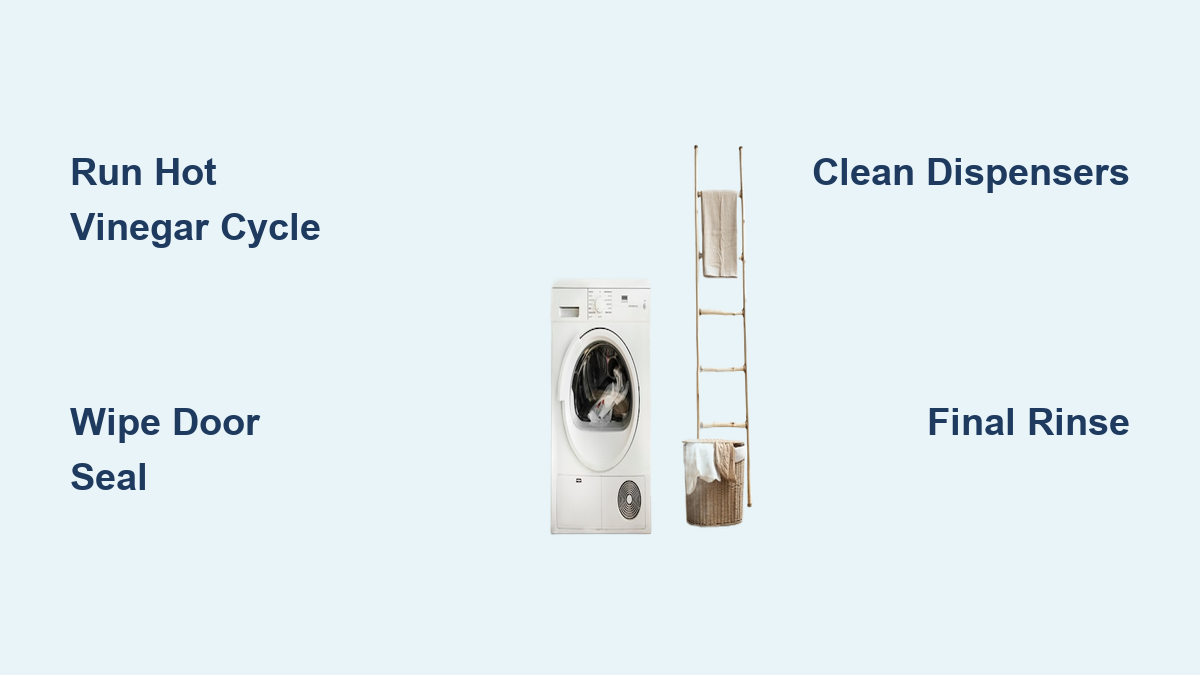
Run a Hot Vinegar Cycle

The core of any vinegar cleaning routine is a hot water cycle with distilled white vinegar. This step targets hidden grime inside the drum, hoses, and pump.
Pour 2 Cups of Vinegar into Drum
Use 2 cups (475 ml) of distilled white vinegar. Pour the vinegar directly into the drum, not the detergent drawer, for full contact with interior surfaces. Avoid apple cider, balsamic, or scented varieties, as these lack the right acidity and may stain.
For extra dispenser cleaning, you can add ½ cup to the detergent compartment as well. But always start with the drum.
Select Hottest, Longest Wash Cycle
Set your machine to the hottest water temperature and longest cycle available, such as “Tub Clean,” “Sanitize,” or “Heavy Duty.” High heat activates vinegar’s cleaning power, helping it dissolve mineral deposits and kill mold.
Let the cycle run completely. Avoid using detergent or any other additive. Vinegar neutralizes surfactants, reducing cleaning effectiveness if combined.
Clean the Door Seal and Dispensers

After the vinegar cycle ends, manually clean areas where mold and gunk hide: the door gasket, detergent drawer, and fabric softener compartment.
Wipe the Door Gasket Thoroughly
Front-loaders are prone to mildew in the rubber door seal. Pull back the folds and inspect for black spots or slime. Dip a microfiber cloth in vinegar and wipe every crevice.
For stubborn mold, use an old toothbrush dipped in vinegar to scrub gently. Never use bleach unless specified by your manufacturer. Vinegar is safer and just as effective for routine maintenance.
Remove and Soak Detergent Drawers
Slide out the detergent and fabric softener trays. Soak them in warm water mixed with vinegar (1:1 ratio) for 15 to 20 minutes. Then scrub with a toothbrush to remove caked-on residue.
Rinse thoroughly before reinserting. This prevents buildup from clogging dispensers and contaminating future loads.
Avoid Mixing Vinegar and Baking Soda
A popular myth claims combining vinegar and baking soda boosts cleaning power. In reality, this combo neutralizes both ingredients and wastes their potential.
Why the Mix Does not Work
When vinegar (acetic acid) meets baking soda (sodium bicarbonate), they react to form carbon dioxide gas, water, and sodium acetate. The fizz looks impressive but offers no real cleaning benefit inside your washer.
Instead, use each separately. Vinegar first dissolves limescale and sanitizes. Baking soda later deodorizes and lifts grease.
Use Baking Soda in a Follow-Up Cycle
After the vinegar wash and rinse, sprinkle ½ cup (60 g) of baking soda directly into the drum. Run another hot cycle.
This second step lifts oily residues, freshens the tub, and provides mild abrasive action where vinegar cannot scrub physically.
Flush With a Final Rinse Cycle
Even after cleaning, traces of vinegar or baking soda may remain. These residues can affect future laundry performance or irritate sensitive skin.
Run a Plain Hot Water Rinse
Start a new cycle using only hot water with no additives. This flushes out any leftover acid or alkali from prior steps.
It also ensures sensors and internal components are not exposed to prolonged acidity, which could corrode metal parts over time.
Wait until the cycle finishes and the drum is dry before closing the door.
Maintain Machine Long-Term
Regular cleaning prevents odors, improves efficiency, and extends your washer’s life. But vinegar alone is not a magic fix. Maintenance matters just as much.
Clean Monthly or Every 30 Cycles
Experts recommend deep cleaning with vinegar once a month or after every 30 washes. Immediate cleaning is needed if laundry comes out smelling musty, mold appears in seals or drawers, or clothes feel stiff or look dingy.
Consistent cleaning prevents major issues and reduces the need for harsher treatments.
Leave Door and Drawer Open After Use
Moisture breeds mold. After each wash, leave the door ajar and pull out the detergent drawer slightly to let air circulate.
This simple habit dries out damp areas and stops mildew before it starts.
Check Manufacturer Guidelines First
Not all washing machines tolerate vinegar. Some brands explicitly warn against it due to risks to sensors, valves, or rubber seals.
Know Which Brands Restrict Vinegar
Manufacturers like Samsung, Whirlpool, and GE advise against using vinegar in their user manuals. Repeated use may void your warranty or damage sensitive components.
If your manual prohibits vinegar, use a commercial washing machine cleaner instead. These are formulated to be safe for all internal systems.
When to Choose Commercial Cleaners
While vinegar works well for routine care, it falls short in severe cases. Use store-bought cleaners when there is heavy black mold in the pump or hoses, limescale blocks water flow, or odors persist after vinegar treatment.
Rotate vinegar with a commercial product every 3 to 4 months for deeper sanitization.
Use Vinegar Safely and Sparingly
Vinegar is natural, but it is still an acid. Overuse can degrade hoses, seals, and coatings over time, especially in older machines.
Limit to Once Per Month
Even if your machine allows vinegar, do not exceed one cleaning per month. Frequent exposure weakens rubber parts and may lead to leaks or noise.
Stick to 2 cups max per session. More will not help and increases risk.
Do not Add Vinegar During Regular Washes
Never pour vinegar into the rinse compartment when washing clothes unless you skip detergent entirely. Mixing vinegar with detergent cancels out cleaning agents, leaving stains and oils behind.
Instead, use ¼ cup vinegar as a weekly rinse aid only on towels or bedding, and never with standard detergent loads.
Try Alternatives If Needed
If vinegar is not suitable for your machine or you dislike the smell, several natural alternatives work well. Just do not mix them.
Use Citric Acid for Odor-Free Descaling
Citric acid (½ to 1 cup) works like vinegar but without the pungent smell. It dissolves limescale effectively and is safe for most machines.
Run it in a hot cycle, then follow with a rinse. Ideal for users with sensitivities or hard water issues.
Try Hydrogen Peroxide for Mold Removal
For visible mold or mildew, 1 to 2 cups of 3% hydrogen peroxide can sanitize the drum. It is an oxidizer that kills microbes and brightens surfaces.
Avoid if your machine has rust. Peroxide may worsen corrosion.
Optimize for HE and Top-Load Machines
Cleaning needs vary by washer type. Adjust vinegar use based on your model to maximize results and avoid problems.
Adjust Dosage for HE Washers
High-efficiency (HE) machines use less water, so reduce vinegar to 1 to 1.5 cups. Too much acid in a small volume increases corrosion risk.
Ensure complete rinsing to prevent sensor interference from residual acidity.
Focus on Agitator Areas in Top-Loaders
Top-loading washers do not have door gaskets, but grime builds up under the drum and around the agitator. Run the vinegar cycle, then wipe visible crevices with a vinegar-dampened cloth.
Check beneath removable caps or plates if accessible.
Improve Results With Smart Habits
Prevention beats cleanup. Small changes in daily use dramatically reduce the need for deep cleaning.
Use Less Detergent Than Labeled
Most people overdose detergent, leading to film buildup. Use half the recommended amount, especially in soft water or HE machines.
Excess suds trap dirt and create a breeding ground for bacteria.
Prefer Liquid Detergents in Hard Water
Powder detergents leave mineral residue in hard water areas. Switch to liquid formulas, which dissolve better and reduce scale.
Pair with monthly vinegar cycles to keep lines clear.
Install a Water Softener if Needed
If your water exceeds 7 grains per gallon, consider a softener. It prevents limescale, improves cleaning, and extends appliance life.
Softer water means less vinegar needed over time.
Frequently Asked Questions About Cleaning a Washing Machine with Vinegar
Can I use apple cider vinegar instead of white vinegar?
No, you should use only distilled white vinegar. Apple cider vinegar contains impurities and lower acidity levels that may stain your machine or leave residue. White vinegar has the optimal pH (2.4 to 3.4) for dissolving mineral deposits and breaking down soap scum effectively.
How often should I clean my washing machine with vinegar?
Clean your washing machine with vinegar once a month or after every 30 wash cycles. This frequency prevents detergent buildup, limescale accumulation, and mold growth while being gentle enough to avoid damaging rubber seals and hoses over time.
Will vinegar damage my washing machine rubber seals?
Vinegar can degrade rubber components if used too frequently or in high concentrations. Limit vinegar use to once per month and use no more than 2 cups per session. If you notice cracking or wear on seals, reduce frequency or switch to a commercial cleaner designed for your machine.
Can I add vinegar to every load of laundry?
You should not add vinegar to every load when using detergent. Vinegar neutralizes the cleaning agents in detergent, reducing its effectiveness. Instead, use ¼ cup vinegar as a rinse aid only on towels or bedding, and only when skipping detergent entirely.
What is the best vinegar to water ratio for cleaning the dispenser?
Use a 1:1 ratio of vinegar to warm water for soaking detergent drawers and dispensers. Soak for 15 to 20 minutes, then scrub with a toothbrush to remove caked-on residue. Rinse thoroughly before reinserting to prevent buildup from clogging the dispenser system.
Key Takeaways for Cleaning Your Washing Machine with Vinegar
Cleaning your washing machine with vinegar is a proven, eco-friendly way to eliminate odors, remove buildup, and maintain performance. Use 2 cups of distilled white vinegar monthly on the hottest cycle, clean seals and dispensers manually, and always finish with a plain rinse to flush out any residual acidity.
Avoid mixing vinegar with baking soda in the same cycle, as they neutralize each other’s cleaning properties. Check your manufacturer guidelines before using vinegar, as some brands like Samsung, Whirlpool, and GE may void warranties or damage sensitive components.
For best results, supplement vinegar cleaning with a commercial washing machine cleaner every 3 to 4 months for deeper sanitization, especially if you have hard water or notice persistent odors. Combine these cleaning routines with smart habits like leaving the door open after use, using less detergent, and performing monthly maintenance to keep your washer running cleaner, quieter, and more efficiently for years to come.