
How to Wash Velvet in Washing Machine Safely
Washing velvet in the washing machine might sound risky, since that soft, plush pile can easily become crushed or develop shiny, flat spots that ruin its luxurious look. The good news is that certain types of velvet can be safely machine-washed when you follow the right steps. The key lies in knowing your velvet type, using the correct settings, and protecting the delicate pile throughout the entire process.
Many people assume all velvet must be dry cleaned, but modern blends like cotton and polyester velvet are often labeled as machine-washable. Ignoring the care label or using the wrong cycle can lead to irreversible damage. This guide walks you through exactly how to wash velvet in the washing machine the right way, covering fiber types, proper settings, and post-wash care to keep your garments looking rich and flawless.
Check the Care Label First
Before placing any velvet in the washing machine, check the care label. This is your most important step for safe cleaning.
Look for These Symbols
The care label contains essential information about how to treat your velvet garment.
• Basin symbol with “30” or “40” and one or two bars underneath indicates safe delicate machine wash
• Circle symbol means dry clean only, so avoid machine washing
• “Do Not Wash” label means never put the item in water
Silk velvet and panne velvet must never go in the washing machine. These delicate fabrics require hand-washing or professional cleaning only.
Even when the label says machine-washable, always use the gentlest possible method. The pile structure is the weak point, and damage from heat, agitation, or high spin cannot be undone.
Know Your Velvet Type
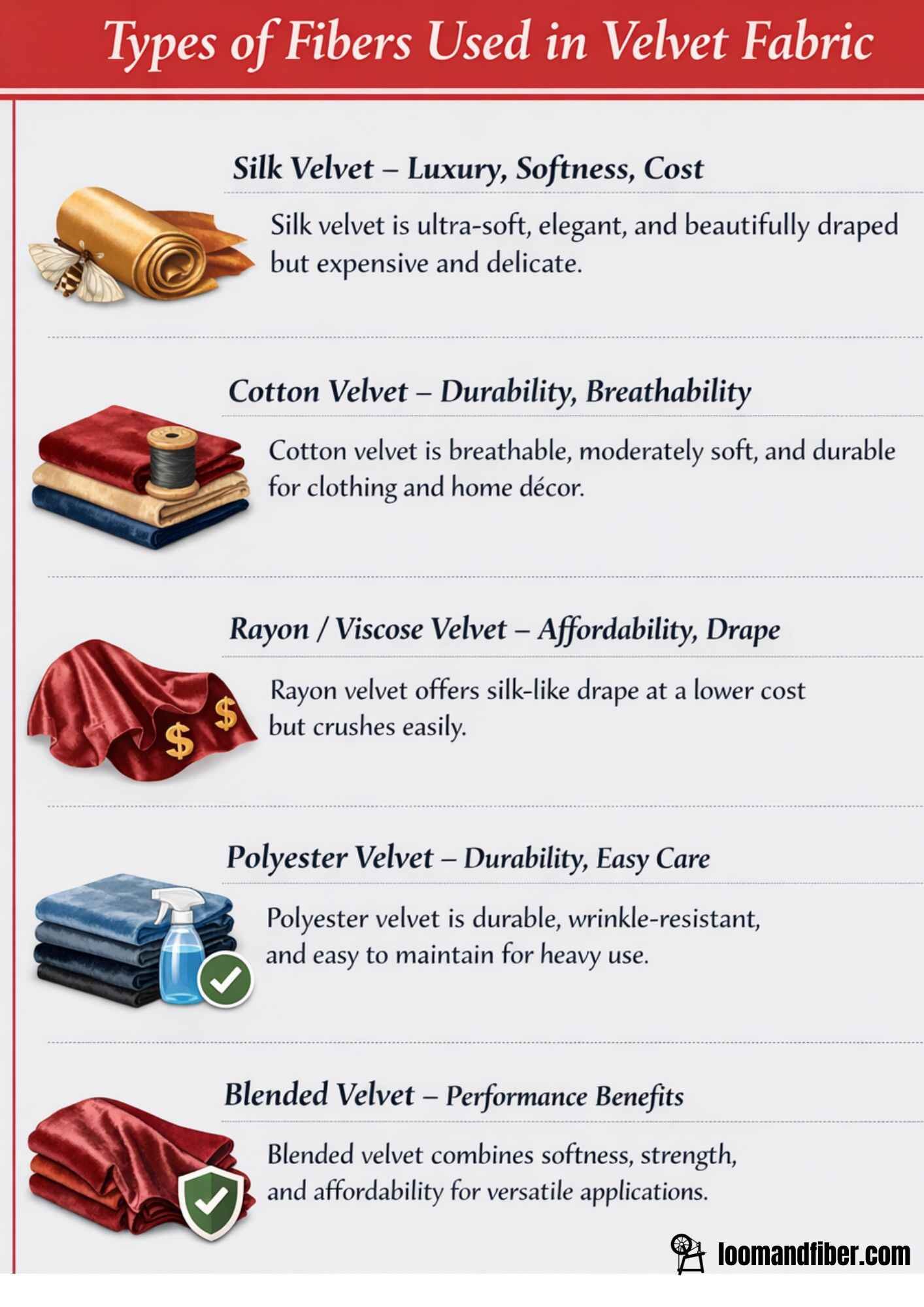
Not all velvet is created equal. Washability depends entirely on fiber content and construction.
Cotton Velvet: Washable with Care
Cotton velvet is durable and can handle machine washing with the right precautions.
• Machine-washable on delicate cycle
• Can tolerate up to 40°C, but 30°C is safer to prevent crushing
• May shrink 3-5% when washed at higher temperatures
• Pile can crush if spun too fast
Polyester Velvet: Cold Wash Only
Polyester velvet is synthetic and requires cold water to prevent damage.
• Safe for machine washing but only in cold water at 30°C or below
• Heat above 40°C can melt or deform synthetic fibers
• Resists shrinking and fading better than cotton
• Still needs inside-out washing and low spin speed
Rayon Velvet: Hand-Wash Preferred
Rayon velvet is delicate and absorbs water quickly, weakening when wet.
• Not recommended for machine washing
• Prone to stretching and pile distortion when wet
• Best cleaned by hand or professionally
Silk and Panne Velvet: Never Machine-Wash
These are the most delicate velvet types and require special care.
• Always hand-wash or dry clean only
• Silk fibers are fragile and lose strength when wet
• Panne’s long, crushed pile flattens easily from machine agitation
Corduroy: The Durable Velvet
Corduroy is more resilient than other velvet types due to its ribbed structure.
• Machine-washable and can tolerate up to 600 RPM spin
• Wash with similar fabrics, inside out, on gentle cycle
Upholstery velvet should only be machine-washed if removable and labeled safe. Otherwise, spot-clean or steam only.
Prepare Velvet Before Washing
Pre-washing steps are essential for protecting the pile structure.
Turn Garment Inside Out
This step is mandatory for every machine-washed velvet item.
• The backing side is smoother and less prone to friction
• Prevents shiny patches and pile crushing from drum contact
• Protects the delicate nap that gives velvet its characteristic look
Use a Mesh Washing Bag
A mesh laundry bag provides an extra layer of protection.
• Place the inside-out garment in a fine-mesh washing bag
• Reduces agitation and prevents snagging
• Essential for smooth or short-pile velvet items
Wash Alone or With Delicates
Choose your laundry companions carefully to avoid damage.
Never wash velvet with jeans, zipped items, or towels. These can crush or abrade the pile. Safe companions include silk, lingerie, or other soft synthetics.
Pre-Treat Stains Gently
If stains exist, treat them carefully before washing.
For fresh liquid stains, blot with a dry cloth, then dab with cold water and a drop of Marseille soap. Rinse with a damp cloth and air-dry. For grease stains, sprinkle cornstarch or talcum powder, wait 30-60 minutes to absorb oil, then brush off in the direction of the nap.
Always test stain removers on a hidden seam first. Avoid spray removers as they can leave visible rings on the pile.
Use Correct Machine Settings

Precision in machine settings determines whether your velvet survives the wash intact.
Select Delicate or Wool Cycle
These specialized cycles protect delicate fabrics.
• Reduced drum movement and more water
• Longer pauses between rotations
• Gentler rinse phases
Avoid normal, heavy-duty, or permanent press cycles as these are too aggressive.
Set Water Temperature to 30°C or Lower
Cold water is safest for all machine-washable velvet.
• Maximum 30°C for synthetic and delicate velvets
• Cotton can tolerate 40°C, but higher heat increases crushing risk
• Polyester deforms above 40°C, so stick to cold
Limit Spin Speed to 400-600 RPM
High spin speeds permanently damage the pile.
• Above 600 RPM creates crushing force
• High spin causes permanent shine and pile flattening
• Lower spin means wetter garments, but air drying is required anyway
Use Mild Liquid Detergent Only
Choose your detergent carefully to avoid residue and damage.
• Use delicate, silk, or wool-safe formulas
• Avoid bleach, enzymes, and optical brighteners
• Never use powder detergent as undissolved granules get trapped in pile grooves
Skip Fabric Softener
Fabric softener damages velvet’s texture.
• Leaves a greasy film on fibers
• Can mat down the pile, making it stiff and less plush
• Increases risk of dullness and shine
Never Use a Tumble Dryer
Drying is where most velvet damage occurs. Heat and tumbling are extremely dangerous for this fabric.
Why Tumble Drying Ruins Velvet
Even delicate dryer settings use too much heat and motion.
• Results in permanently flattened pile
• Creates shiny patches that cannot be restored
• Causes shrinkage and warping
Once crushed, the texture cannot be recovered through any treatment.
Air-Dry Velvet Properly
Air drying is the only safe option for velvet after machine washing.
Hang Lightweight Items
For jackets, dresses, and shirts, hanging works well.
• Use a wide, padded hanger
• Hang inside out to protect the pile
• Place in a well-ventilated, shaded area
• Avoid direct sunlight, which fades dark colors
Lay Heavy Items Flat
For trousers, skirts, and thick jackets, flat drying prevents stretching.
• Lay on a clean towel or flat drying rack
• Turn over halfway through drying for even moisture removal
• Prevents stretching under the weight of wet fabric
Do not wring or twist velvet as this damages fibers and distorts shape.
Restore the Pile After Drying
Once dry, revive the plush texture to maintain velvet’s luxurious appearance.
Brush the Fabric
Brushing lifts the pile and removes debris.
• Use a soft clothes brush or velvet-specific brush
• Brush in the direction of the nap to lift fibers
• Removes dust, lint, and minor flattening
• Great for removing pet hair from velvet upholstery
Steam to Remove Wrinkles
Steaming is the best method for removing wrinkles without damage.
• Never iron directly on the pile as this causes permanent shine
• Hold steamer 2-3 cm away from fabric
• Move slowly from top to bottom
• Steam lifts the pile and relaxes creases naturally
Iron Only as Last Resort
If you lack a steamer, use extreme caution.
- Turn garment inside out
- Place a damp pressing cloth over the reverse side
- Set iron to low heat (synthetic setting: 110-130°C)
- Do not press down, let the iron’s weight smooth the fabric
- Never touch the pile directly
Refresh with Shower Steam
For quick wrinkle removal, use bathroom steam.
• Hang garment in bathroom during a hot shower for 10-15 minutes
• Ambient steam naturally relaxes creases
• No equipment needed for quick touch-ups
Handwash When in Doubt
When the label is unclear or the fabric feels delicate, handwashing offers safer control.
Handwashing Steps
Follow this gentle procedure for best results.
- Fill basin with cool water (20-25°C)
- Add delicate or silk-specific detergent
- Submerge garment and gently move with open hands, no rubbing
- Soak for 30 minutes maximum for cotton/polyester, 5-10 minutes for silk
- Rinse under cool running water until no suds remain
- Press out water gently, never twist or wring
- Roll in a towel to absorb moisture, then air dry flat
For silk velvet, use half the detergent dose. Prolonged soaking weakens silk fibers.
Spot Clean Non-Washable Velvet
For dry clean only velvet or upholstery, avoid full washing.
Spot Cleaning Method
Treat small stains without full immersion.
- Test water on a hidden area first
- Dampen a cloth with cool water
- Add 1-2 drops of delicate stain remover
- Dab gently with a soft brush
- Wipe with a clean wet cloth to remove soap
- Repeat if needed, removing all residue
Steam for Freshening
Use a fabric steamer to maintain non-washable velvet.
• Removes odors without water damage
• Relaxes wrinkles
• Revives pile texture
Store Velvet Correctly
Proper storage prevents damage between wears and extends garment life.
Use Padded Hangers
Padded hangers protect velvet’s shape.
• Prevents shoulder marks and stretching
• For clip hangers, place cloth or paper towel between clip and fabric
Fold for Long-Term Storage
Avoid prolonged hanging of heavy items like coats.
• Fold gently and store on a shelf
• Prevents stretching from gravitational weight
Never Use Plastic Bags
Plastic traps moisture and causes problems.
• Leads to mildew and yellowing
• Use breathable cotton garment bags instead
Clean Before Storing
Always store clean garments.
• Dirt attracts moths and mildew
• Brush and air out before packing away
Avoid These Common Mistakes
Even small errors can permanently ruin velvet.
• Washing right side out causes pile to rub against drum, creating crushing and shine
• Spin speed above 600 RPM flattens pile permanently
• Tumble dryer heat and tumbling destroy texture
• Ironing directly on pile creates permanent shiny marks
• Rubbing stains spreads them and flattens fibers
• Powder detergent leaves white residue in pile grooves
• Overloading the machine increases friction and damages pile
• Washing with rough fabrics causes snagging and abrasion
Refresh Velvet Between Washes
Velvet doesn’t need washing after every wear. Over-washing shortens its life.
Refresh Routine
Maintain velvet between full washes.
- Air out for 30-60 minutes after wearing
- Brush in the direction of the nap
- Steam lightly to remove odors
- Spot clean only if stained
Corduroy garments need washing only after 3-5 wears, unless soiled.
Frequently Asked Questions About Washing Velvet in a Washing Machine
Can you wash all types of velvet in a washing machine?
No. Only cotton velvet, polyester velvet, and corduroy are machine-washable. Silk velvet, rayon velvet, and panne velvet require hand-washing or dry cleaning only. Always check the care label before proceeding.
What happens if you wash velvet in a normal cycle?
A normal cycle with high agitation, hot water, and fast spin speeds will permanently crush the pile and create shiny patches. The damage cannot be reversed, so always use delicate cycles with cold water and low spin.
Why does velvet get shiny after washing?
Velvet becomes shiny when the pile is crushed or compressed. This happens from high spin speeds, tumble drying, or ironing directly on the pile. The fibers get pressed flat, changing how light reflects off the surface.
Should I use fabric softener when washing velvet?
No. Fabric softener leaves a greasy film on velvet fibers that can mat down the pile and make the fabric stiff. Skip fabric softener entirely and use a mild liquid detergent instead.
How do I restore velvet after machine washing?
Brush the dry garment in the direction of the nap to lift flattened fibers. Use a garment steamer held 2-3 cm away from the fabric to relax creases and revive the pile naturally.
Can you put velvet in the dryer?
Never put velvet in a tumble dryer. Even on delicate settings, the heat and tumbling motion permanently crush the pile. Always air dry velvet flat or on a padded hanger in a shaded area.
Key Takeaways for Washing Velvet in the Washing Machine
Washing velvet in the washing machine is possible, but only when you follow strict protocols to protect the delicate pile. First, always check the care label to confirm machine-washability, and identify your velvet type, since cotton and polyester velvets are safe while silk and panne require hand-washing. Second, use the delicate cycle with cold water at 30°C or below, keep spin speed under 600 RPM, and always turn garments inside out while using a mesh washing bag for protection. Third, never use a tumble dryer, as heat and tumbling permanently damage the pile. Instead, air dry flat or on a padded hanger, then brush and steam to restore the plush texture. Finally, store clean velvet in breathable cotton bags, and refresh between washes by airing, brushing, and steaming rather than frequent laundering. With these precautions, your velvet garments will stay soft, rich, and radiant for seasons to come.