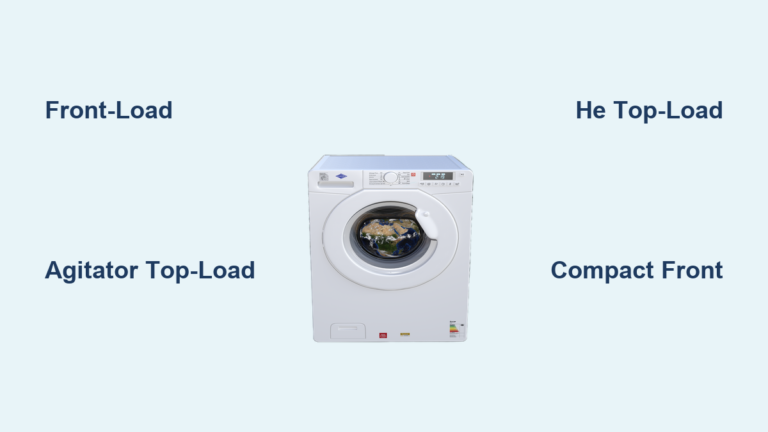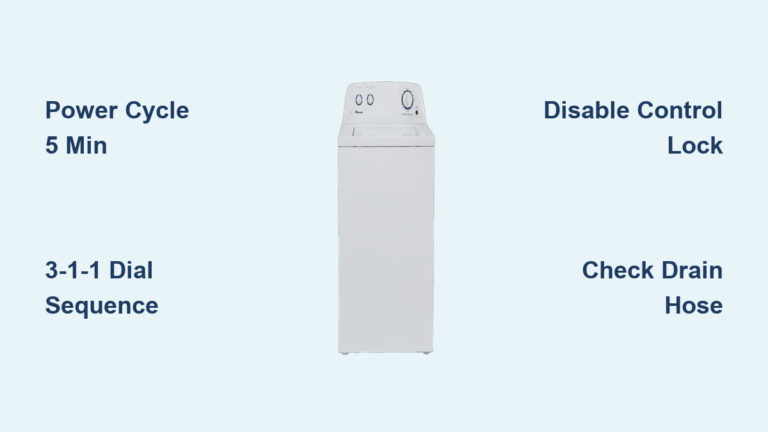

Viking Washing Machine Repair Guide
If your Viking washing machine won’t start, drain, or spin properly, you’re facing a common problem that disrupts laundry routines and risks water damage in your home. Many homeowners in Niagara Falls and surrounding areas encounter sudden breakdowns that require professional attention. Viking washing machine repair services are designed to restore your appliance’s performance quickly using genuine parts, expert diagnostics, and same-day response times. Whether you’re dealing with error codes, leaks, or complete power failure, certified technicians can identify and fix the issue efficiently, often within hours of your call. This guide covers common problems, repair solutions, and what to expect from professional Viking appliance service.
Common Viking Washer Problems and Solutions
Viking washing machines are built for durability, but even premium models develop issues over time. Recognizing symptoms early can prevent costly damage and reduce downtime.
Washer Won’t Start
Check the power supply first. Ensure the unit is plugged in and the outlet works properly. If lights are dead, test the circuit breaker. A faulty door latch or broken control board may also block startup. Technicians use multimeters to verify voltage and inspect safety interlock systems before replacing components.
No Drain or Spin Cycle
This often signals a clogged drain pump or blocked hose. Foreign objects like coins or socks can jam the impeller. A failed pump motor or worn drive belt may also stop spinning. Technicians remove the lower access panel to inspect the pump, clear obstructions, and test operation with a power probe.
Excessive Vibration or Noise
Uneven loads cause temporary shaking, but persistent banging points to worn suspension rods, damaged shock absorbers, or failing drum bearings. Technicians level the machine and check for loose bolts. If noise continues, they inspect internal components under load.
Water Leaks Under Unit
Leak sources include cracked fill hoses, loose connections, or degraded door seals. A damaged tub or faulty drain pump housing can also leak. Technicians trace water paths, pressurize lines, and perform visual inspections to pinpoint the exact source.
Error Codes on Display
Viking washers use diagnostic codes like E1 for water inlet issues or E4 for drain problems. Technicians access service mode to retrieve fault logs, then follow manufacturer protocols to resolve sensor, valve, or pump failures.
Professional Diagnostic Process for Viking Washers

Professional technicians follow a systematic approach to diagnose Viking washing machine issues accurately. This ensures the right repairs are made the first time, saving you money and frustration.
Initial Assessment
Technicians start by interviewing the homeowner about symptoms, when the problem started, and any recent changes like power outages or plumbing work. They then observe the machine running through a cycle if possible, noting exactly where the failure occurs.
Electrical Testing
Using multimeters and voltage testers, technicians verify that power reaches the control board and motors correctly. They check for loose connections, corroded terminals, and proper grounding. Faulty wiring can cause intermittent problems that are hard to replicate.
Mechanical Inspection
Technicians manually spin the drum to feel for resistance or unusual noise that indicates bearing wear. They inspect the drive belt for cracks, fraying, or improper tension. The pump is tested for proper operation and checked for debris.
Water System Evaluation
Inlet valves are tested for correct opening and closing. Water pressure is verified at the supply lines. Drain hoses are inspected for kinks, clogs, or improper installation that could cause slow draining or backups.
Essential Safety Precautions Before Repair
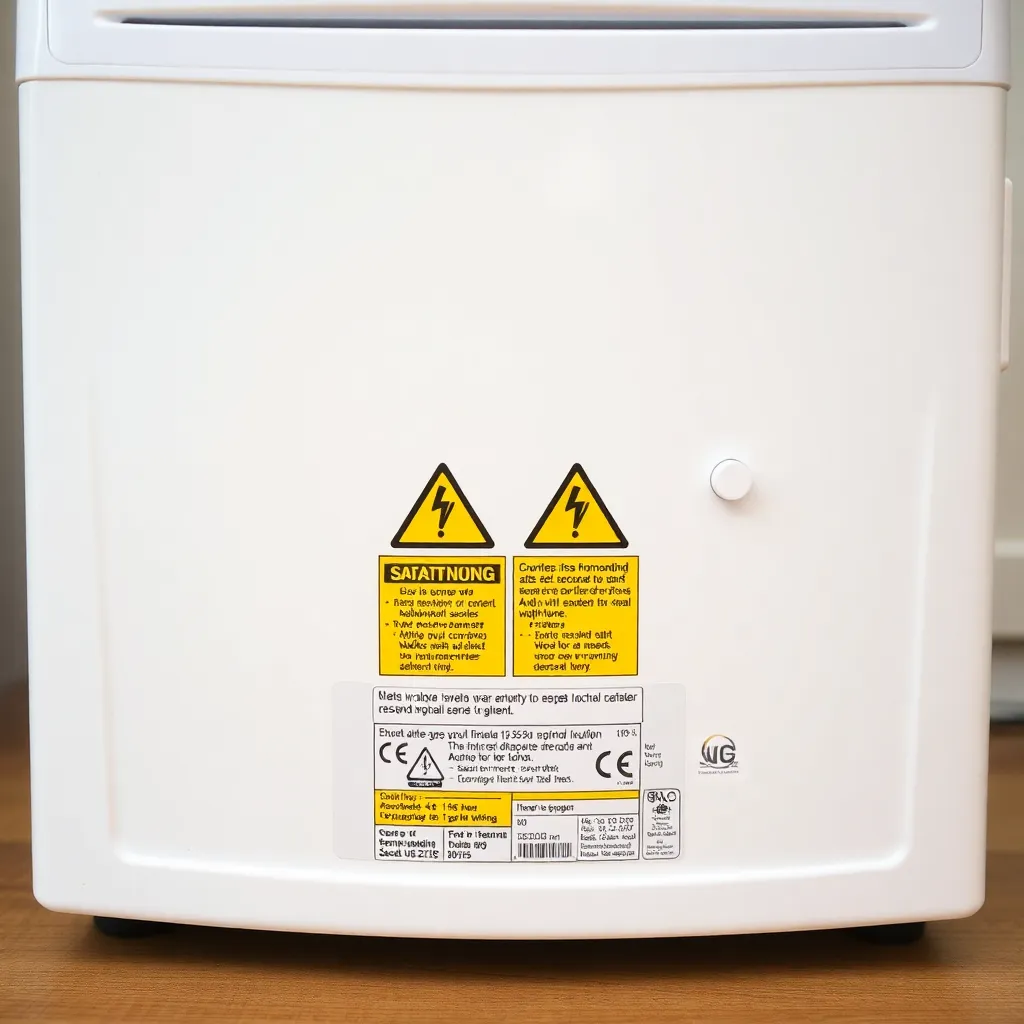
Before any repair attempt, disconnect power and shut off water supply valves. Failure to do so risks electric shock, flooding, or further mechanical damage.
Power Disconnection
Unplug the washer or turn off the circuit breaker dedicated to the appliance. This eliminates the risk of electrical shock while working on internal components. For added safety, use a voltage tester to confirm power is off before touching any wires.
Water Supply Shutdown
Close both hot and cold water valves behind the machine. Relieve hose pressure by slowly disconnecting lines into a bucket. This prevents spraying water and reduces the mess during repair work.
Personal Protective Equipment
Wear protective gloves and eyewear when handling sharp debris or chemicals. Some components have sharp edges that can cut, and cleaning solutions may irritate eyes or skin.
When to Call a Professional
DIY repairs are discouraged for complex electrical or internal mechanical issues. Viking appliances use specialized components that require proper tools and training to service safely. Attempting major repairs yourself can void warranties or cause additional damage.
Tools and Parts for Viking Washer Repairs
Professional technicians arrive equipped with everything needed for accurate diagnosis and repair.
Standard Tools Used
• Multimeter for electrical testing
• Nut drivers and socket sets
• Hose clamp pliers
• Torx and hex bits for panel removal
• Flashlight and inspection mirror
• Bucket and wet-dry vacuum for water removal
Common Replacement Parts
• Drain pump assembly
• Drive belt for direct-drive models
• Door latch and strike pin
• Water inlet valve
• Pressure switch and hose
• Main control board
• Drum bearings and seal kit
Only OEM or high-grade compatible parts are used to ensure reliable operation and avoid premature failure.
How to Fix a Clogged Drain Pump
A blocked drain pump is one of the most frequent causes of standing water in Viking washers. This guide helps technicians address this common issue efficiently.
Locate the Pump Access Panel
On front-load models, remove the lower kickplate using a Torx screwdriver. Tilt the machine slightly backward to access screws underneath if needed. The pump is typically located at the front bottom of the machine.
Prepare for Water Spill
Place towels and a shallow pan under the pump. Open the emergency drain cap slowly to let residual water flow out. Use a sponge to absorb excess moisture in the drum area.
Remove and Inspect the Pump
Disconnect the hose clamps with pliers and detach the pump from its housing. Unscrew the impeller housing and check for debris like coins, buttons, or fabric fragments. Spin the impeller by hand; it should rotate freely without grinding or catching.
Reinstall or Replace
If the impeller is cracked or seized, install a new pump assembly. Reconnect hoses securely and restore power to test drainage. Run a short cycle to confirm proper function and no leaks at connections.
Pro Tip: Clean the pump filter monthly to prevent future clogs and extend pump life significantly.
Replacing a Worn Drive Belt on Viking Washers
Top-load Viking models with belt-driven motors often fail due to a stretched or broken belt. Proper replacement prevents further damage.
Unplug and Access the Belt
Lay the washer on its side carefully, supporting the drum to avoid strain on suspension components. This provides access to the motor and belt system underneath.
Release Tension and Remove Old Belt
Locate the motor mounting bracket. Loosen tension bolts to slacken the belt. Slide it off the drum and motor pulley carefully, noting the exact routing path.
Install New Belt
Loop the replacement belt around the drum first, then the motor pulley. Adjust tension so the belt deflects about half an inch when pressed mid-span between pulleys. Proper tension prevents slippage and excessive wear.
Test Operation
Return the machine upright, reconnect power, and run a spin cycle. Listen for squealing or slippage, which indicates improper tension that needs adjustment.
Warning: Never operate a washer with a damaged or missing belt. It can overheat the motor and create fire risk.
Door Latch and Seal Repair Guide
Faulty latches prevent startup, while damaged seals cause leaks and mold buildup. Both issues require prompt attention.
Diagnose Latch Failure
If the door doesn’t click into place or the lock light flashes repeatedly, the latch mechanism may be broken. Technicians test continuity with a multimeter and replace the entire assembly if electrical tests fail.
Replace a Worn Door Gasket
Front-load washers use rubber seals that trap moisture and degrade over time.
• Peel back the outer clamp ring carefully
• Remove retaining wire hoop with needle-nose pliers
• Pull out old gasket and clean the groove thoroughly
• Install new gasket starting at the bottom and working around
• Reattach clamp and wire securely, ensuring even tension
Maintenance Tip: Wipe the seal dry after each use and leave the door ajar to prevent mildew growth.
Control Board Troubleshooting Tips
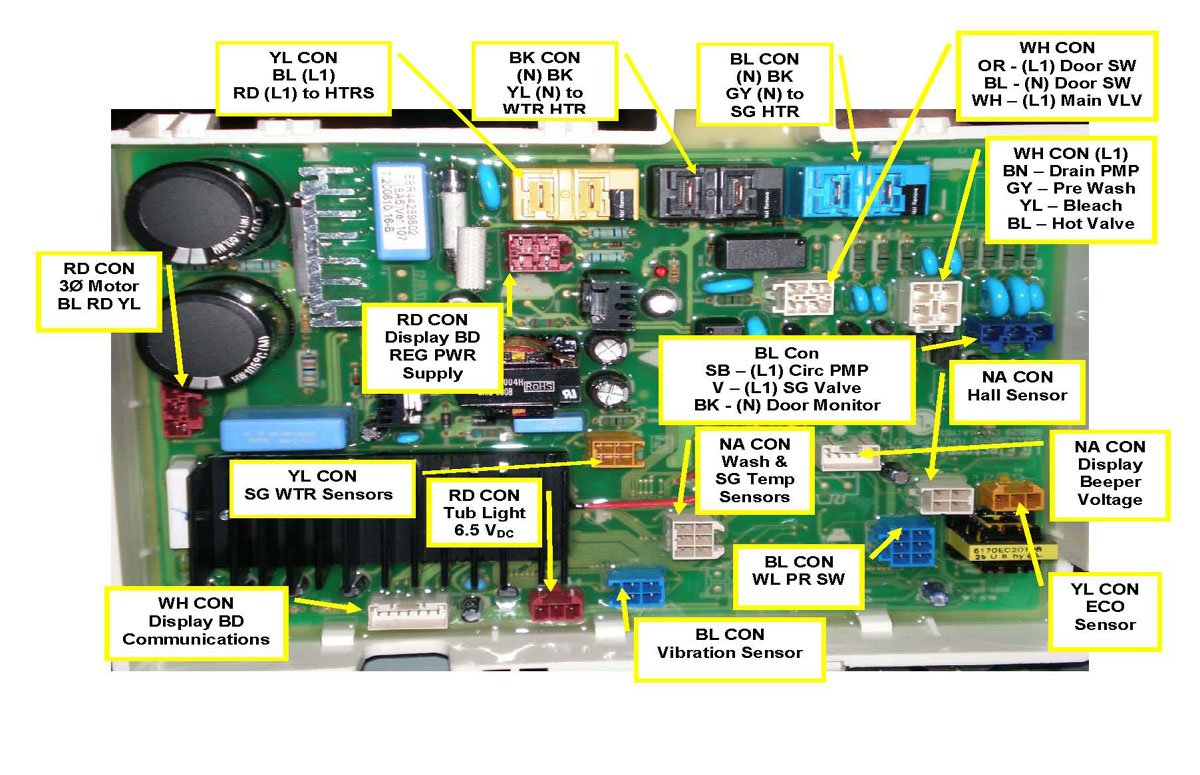
Electronic failures disrupt cycle operation, display errors, or disable power entirely. Proper diagnosis prevents unnecessary part replacements.
Identify Symptoms
• Blank display with no lights
• Unresponsive buttons
• Random resets during cycles
• Failure to advance through wash stages
Test Power Input
Verify voltage at the terminal block using a multimeter. If power enters but the board doesn’t respond, the issue is likely internal to the control module.
Replace the Control Module
Disconnect all wire harnesses and remove mounting screws. Transfer settings labels to the new board to preserve your custom configurations. Reconnect wires using color-coded guides and secure the panel firmly.
Expert Note: Boards are sensitive to moisture. Always check for nearby leaks before installation to prevent premature failure.
Preventative Maintenance for Viking Washers
Regular care keeps your Viking washer running smoothly for years and prevents expensive repairs.
Monthly Tasks
• Inspect fill hoses for bulges or cracks and replace every five years
• Clean detergent drawer and softener compartment
• Run a maintenance cycle with washing machine cleaner
• Wipe door seal and latch area to prevent mold
Quarterly Checks
• Level the machine using a bubble level
• Tighten loose feet or floor bolts
• Vacuum dust from rear vents and around the base
Annual Professional Service
Schedule a technician visit to inspect the pump, motor, and belts. Test electrical connections and lubricate moving parts where applicable. Update firmware on smart models to ensure proper operation.
Benefit: Preventative maintenance reduces repair costs by up to 40% and extends appliance life beyond 10 years.
Why Choose Certified Viking Technicians
Not all appliance repair services are qualified to work on Viking machines. Choosing certified professionals ensures proper service.
Certification Benefits
• Technicians understand Viking-specific engineering and diagnostic codes
• Access to factory service manuals and software updates
• Use of genuine parts that match original specifications
• Compliance with safety and warranty standards
Allfix Appliance Repair technicians are licensed, insured, and trained in Viking systems. They carry identification, explain issues clearly, and provide cost estimates before starting any work.
Emergency Repair Services in Niagara
When your washer floods or stops mid-cycle, fast help is critical to prevent water damage.
Same-Day Service Availability
• Available 7 days a week including evenings and holidays
• 2 to 4 hour average response time
• Advance call before arrival so you’re prepared
Customers report technicians arriving as quickly as 2 hours after booking, often the same day.
Urgency Tip: Report leaks immediately. Standing water can damage flooring and substructures within hours.
When to Repair vs Replace Your Viking Washer
Before investing in major repairs, consider long-term value and your appliance’s age.
| Factor | Repair | Replace |
|---|---|---|
| Cost Range | $150 to $400 average | $1,200+ for new model |
| Lifespan Extension | Adds 3 to 5 years | Full 10+ year cycle |
| Warranty Coverage | Parts 1 year, Labor 90 days | Manufacturer warranty applies |
| Energy Efficiency | Same as original | Improved HE models save water and power |
| Environmental Impact | Lower waste | Higher carbon footprint |
Rule of Thumb: If repair cost exceeds 50% of a new unit’s price, replacement may be more economical.
Frequently Asked Questions About Viking Washing Machine Repair
How long do Viking washing machines typically last?
With proper maintenance, Viking washing machines can last 10 to 15 years. Regular cleaning, timely repairs, and annual professional servicing extend the lifespan significantly.
What causes my Viking washer to stop mid-cycle?
This often results from a control board malfunction, door latch failure, or drainage issue. A professional can diagnose the exact cause using diagnostic tools and error code reading.
Are Viking washer repairs expensive?
Repair costs typically range from $150 to $400 depending on the issue. Common problems like drain pump clogs or belt replacements are on the lower end, while control board issues cost more.
Can I repair my Viking washing machine myself?
Minor tasks like cleaning the gasket or checking hoses are suitable for homeowners. However, electrical repairs, pump replacements, and internal mechanical work should be left to certified technicians.
How quickly can I get emergency Viking washer repair in Niagara?
Same-day service is available with typical response times of 2 to 4 hours. Evening, weekend, and holiday appointments are also available.
Do Viking washer repairs come with a warranty?
Professional services typically include a 1-year parts warranty and 90-day labor warranty. Always confirm warranty terms before work begins.
Key Takeaways for Viking Washing Machine Repair in Niagara
Viking washing machine repair should always be handled by qualified professionals who understand the brand’s precision engineering. From diagnosing error codes to replacing failed pumps and control boards, expert service ensures fast, safe, and lasting results. With certified technicians in Niagara Falls, residents get same-day response, transparent pricing, and peace of mind knowing their appliance is in trusted hands.
Routine maintenance prevents many common failures, but when problems arise, prompt professional intervention protects your investment and home. Don’t risk water damage or electrical hazards. Call a certified Viking repair specialist at 289-302-6660 to schedule service today.