Washing Machine Smells Like Sewer: Quick Fix Tips
You start a laundry cycle, expecting fresh, clean clothes. Instead, a foul, rotten stench fills the air, like sewer water or a clogged drain. The odor hits hardest when the washing machine begins to drain, turning your laundry routine into a nose-holding chore. If your washing machine smells like sewer water, you’re not alone. Thousands of homeowners face this same issue, often unsure whether the problem lies with the appliance or the plumbing.
The truth is, a sewage-like smell rarely comes from the washing machine alone. While mold, mildew, and grime inside the drum can produce foul odors, the real culprit is often sewer gas backing up through the drain system. This happens when plumbing safeguards like P-traps and vent stacks fail, allowing noxious gases to escape into your laundry room. Other times, internal buildup in front-load washers creates a similar stench, especially in humid climates where moisture lingers in seals and dispensers.
Identify the Smell Source
Before tearing apart your machine, determine where the odor originates. A sewage-like smell can mimic mold or mildew, but the source dictates the fix.
Check Washer vs. Drain Location
Smell near the door gasket, detergent drawer, and drum. If the stench is strongest here, the issue is internal. But if the odor surges near the drain standpipe or hose connection, especially during draining, the problem is plumbing-related.
Run an empty hot cycle. If the smell appears only when water exits the machine, sewer gas from the drain line is likely the cause.
Test for Sewer Gas vs. Mold
Sewer gas brings a rotten egg or chemical drain smell, often sudden and intense during drainage. Mold and mildew produce a musty, sour, or damp basement scent that usually lingers even when the machine is off.
If nearby sinks gurgle when the washer drains, that’s a red flag. Your plumbing vent may be blocked, pulling gas backward into the room.
Clean Internal Residue Buildup
Even a well-functioning washer can stink if grime, soap, and lint accumulate inside. This is especially common in high-efficiency machines using cold water cycles.
Run a Hot Tub Clean Cycle
Set the washer to the hottest, longest cycle available. Add the following with no clothes inside.
For top-loaders, add 1 cup of bleach. For front-loaders or all models, add 2 cups of white vinegar or a commercial cleaner like Affresh. Start the cycle and let it run completely.
Repeat monthly to prevent recurrence. For heavy buildup, run a second cycle with baking soda for deodorizing.
Scrub the Door Gasket and Dispenser
Front-load washers trap moisture in the rubber door seal, creating perfect conditions for mold.
Pull back the gasket folds and check for black mold or slimy residue. Wipe with a cloth soaked in vinegar or a 1:10 bleach-water solution. Use an old toothbrush to clean crevices. Dry thoroughly with a microfiber cloth.
Remove the detergent dispenser, soak in warm soapy water, scrub, and dry completely before reinserting.
Fix Drain Hose and Standpipe Issues

Improper drain setup is a top cause of sewer-like odors, especially when the smell spikes during drainage.
Install a Proper High Loop
The drain hose must form a high loop 30 to 36 inches above the floor before connecting to the standpipe. This prevents siphoning and stops sewer gas from flowing back into the machine.
Secure the hose to the back of the washer or use a hook on the wall. Without a high loop, sewer gas can travel up the hose and vent into your laundry room.
Maintain an Air Gap
The hose should never seal into the standpipe. Insert only 4 to 6 inches into the pipe. Leave at least 2 inches of air gap between the hose end and the pipe opening. Never cement or tape the connection.
A sealed hose creates a vacuum, siphoning water from the P-trap and breaking the gas seal.
Inspect the P-Trap and Vent System
If the smell is strongest at the drain and persists after cleaning the washer, the plumbing is likely at fault.
Confirm the P-Trap Is Present and Full
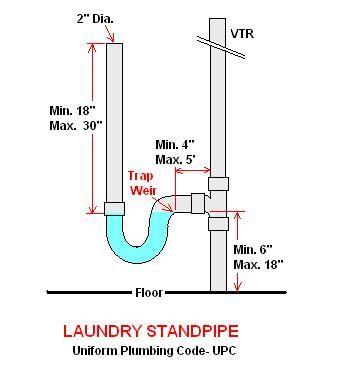
The P-trap is a U-shaped pipe under the standpipe that holds water to block sewer gases. Traps dry out if the washer isn’t used for weeks. Pour 1 to 2 quarts of water down the standpipe monthly to keep the trap sealed.
No P-trap present? That’s a code violation and a direct path for sewer gas. Install one immediately.
Diagnose Vent Stack Problems
A blocked or missing vent stack on your roof can cause negative pressure, pulling gas into the house.
Watch for these signs of a vent issue. Gurgling in sinks or tubs when the washer drains. Slow drainage despite clear hoses. Odors in multiple fixtures.
If suspected, call a plumber to inspect and clear the vent.
Prevent Slow or Incomplete Drainage
Stagnant water inside the washer breeds bacteria that produce hydrogen sulfide, the same gas that makes rotten eggs smell.
Clean the Drain Pump Filter
This applies to front-load models found at the bottom front panel.
Turn off power and water supply. Place towels to catch water. Open the filter cover and remove debris like lint, coins, and hair. Rinse the filter and reinstall.
Check every 3 to 6 months, especially in households with heavy laundry use.
Flush the Drain Hose
Disconnect the hose from the washer and standpipe. Run water through it to clear sludge. Use a plumber’s snake if clogged. Ensure no kinks or sharp bends restrict flow.
Reconnect with a high loop and air gap when finished.
Avoid Common Maintenance Mistakes
Even diligent users make errors that invite odors back.
Stop Using Liquid Fabric Softener
Liquid softener leaves a waxy, oily residue in the drum, hoses, and dispenser. Consider these better alternatives. Dryer balls, wool dryer balls, or dryer sheets. If you must use liquid softener, clean the dispenser monthly.
Use HE Detergent Correctly
Too much HE detergent does not dissolve fully, creating sludge. Use half the cap. Most people overuse by 2 to 3 times. Choose low-suds, high-efficiency formulas.
Leave the Door and Drawer Open
After every wash, crack the door and pull out the detergent drawer. This lets moisture escape and prevents mold in gaskets and compartments. This is critical in humid areas like Florida or basements.
Optimize Laundry Room Environment
Humidity turns a clean washer into a bacterial breeding ground.
Improve Ventilation
Run an exhaust fan during and after laundry. Or open a window if possible. Aim for under 60% humidity.
Consider a dehumidifier in damp spaces.
Wipe Gasket Weekly
In humid climates, mold returns fast. Every 7 days, wipe the door seal with a dry cloth. Spray with vinegar monthly for prevention.
Upgrade Plumbing for Shared Drains
Many homes route the washer drain into the same line as the kitchen sink or water softener.
Avoid Cross-Connection Odors
Shared drains increase risk of backflow and gas infiltration. Ensure the system has a properly sized P-trap, correct venting, and no blockages.
If the kitchen sink smells when the washer drains, the entire system needs evaluation.
Install a Standpipe with Cleanout Access
A dedicated, code-compliant standpipe includes minimum 18-inch height, P-trap below, vent connection, and cleanout plug for maintenance. This makes future troubleshooting easier and reduces odor risk.
When to Call a Professional
DIY fixes work in most cases, but some issues require expert help.
Signs You Need a Technician
Call a professional if odor returns within days of deep cleaning. Call if clothes come out wet or smell musty. Call if water pools under the machine or in the tub. Call if gurgling occurs in nearby drains during operation. Call if no P-trap or vent is visible in the drain setup.
Call an appliance technician for internal repairs or a licensed plumber for drain and vent issues.
Frequently Asked Questions About Washing Machine Sewer Smells
Why does my washing machine smell like sewage when it drains?
The odor during draining is typically due to sewer gas being forced out of the drain line or stagnant, contaminated water being expelled from the washer. It may originate from the plumbing, such as the standpipe, trap, or vent, or from internal buildup in the machine.
Can a dirty washer smell like sewer gas?
Yes. Heavy soap scum, biofilm, and decomposing organic matter inside the drum, gasket, or pump can produce odors indistinguishable from sewer gas. This is especially common in front-load washers.
Can a front-load washer gasket cause a sewage smell?
Yes. The rubber door gasket traps water and residue in its folds, creating a breeding ground for mold and bacteria. This is a leading cause of persistent sewage-like odors in front-load models.
Will a washer clean cycle help a sewage smell?
Yes, in cases of internal residue or microbial buildup. Run a hot tub clean cycle with a dedicated cleaner or vinegar and bleach. However, if the smell returns quickly, the source may be plumbing-related.
Can slow draining make my washer smell bad?
Yes. Incomplete drainage leaves stagnant, dirty water in the system, promoting bacterial growth and foul odors. Check for clogs, kinks, or pump issues.
Does humidity make washer sewage smells worse?
Yes. High humidity increases moisture retention, accelerating mildew and biofilm formation in gaskets and dispensers, and intensifying odor perception.
Key Takeaways for Eliminating Washing Machine Sewer Odors
A washing machine that smells like sewer water is fixable, usually in under an hour. Start by cleaning the gasket and running a hot tub cycle. If the smell persists during drainage, shift focus to the drain hose, P-trap, and vent system. With proper setup and monthly maintenance, your washer can stay odor-free for years.
Keep the door open after each load. Use less detergent than you think you need. Inspect the drain annually. These simple habits prevent big stinks and keep your laundry smelling fresh cycle after cycle.