How to Fix Washing Machine Unbalanced Issue
Your washing machine starts spinning, then suddenly lurches violently, banging, shaking, and halting mid-cycle. If you have seen error codes like UE, UL, or UR flash on your Samsung washer, you are dealing with a classic unbalanced load. This frustrating issue is not just about noise. It can lead to damaged floors, wet clothes, skyrocketing water bills, and even permanent mechanical failure.
Washing machine unbalanced problems affect both front-load and top-load high-efficiency models. While some cases stem from simple user errors like overloading, others point to deeper mechanical or design flaws, especially in certain Samsung top-loaders. This guide delivers a complete breakdown of how to diagnose, fix, and prevent imbalance issues.
Identify Why Your Washer Is Unbalanced
Before diving into fixes, identify whether your imbalance is situational or systemic. The solution depends entirely on the root cause. Understanding the difference saves time and prevents unnecessary repairs.
Check Load Distribution First
An unevenly distributed load is the most frequent trigger. During high-speed spins at 800 to 1400 RPM, centrifugal force amplifies any mass imbalance.
Signs of poor distribution include clothes clumped on one side of the drum, a single heavy item like jeans or a towel spinning alone, and tangled sheets forming dense bundles.
Pause the cycle, open the lid, and manually spread items evenly around the drum. Avoid laying garments lengthwise. Place them radially for better balance.
Rule Out Overloading
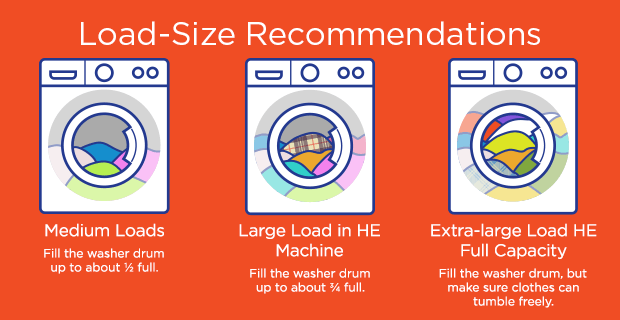
Even within capacity limits, over-packing prevents clothes from shifting freely during spin, increasing clumping risk.
Red flags include a drum filled above the top row of perforations, washing bulky items like rugs or duvets without counterweights, and Samsung models requiring no more than six similarly weighted items despite large capacity.
Reduce load size. Wash heavy or bulky items separately. Add small towels or washcloths to balance large pieces.
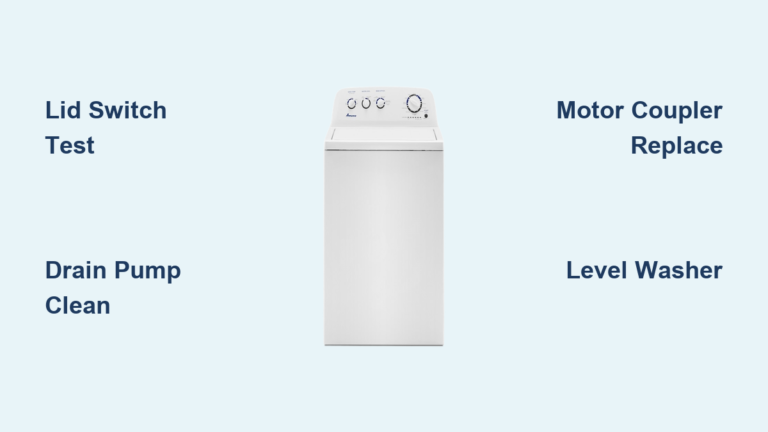
Test for Machine Leveling
A washer must sit perfectly level. Even a slight tilt worsens vibration dramatically.
Quick leveling test involves placing a spirit level on the washer top, checking front-to-back and side-to-side levels, and rocking the machine diagonally. If it moves, leveling is off.
Adjust all four leveling feet until solid contact is made. Retighten locknuts. Avoid carpeted or soft flooring unless reinforced.
Understand Error Codes and Self-Correction
Modern washers try to fix imbalance automatically. Knowing when to let them work and when to step in is key to avoiding damage.
How Auto-Correction Cycles Work
Many HE models from Samsung and Whirlpool use sensors to detect imbalance. The machine pauses mid-spin, refills with water, gently rotates the drum to redistribute clothes, and resumes spinning.
If correction fails after one to two attempts, the cycle stops and an error code appears. Manual intervention is required at that point.
Let the system attempt correction unless shaking becomes dangerous. Interrupting too soon can cause the cycle to stop prematurely.
Common Error Code Meanings
UE or UL indicates an unbalanced load requiring manual redistribution. UR means unbalanced risk detected, meaning the load is likely too small or uneven. dC indicates the drum cannot spin, which often follows repeated imbalance.
Stop Mid-Cycle Failure
When your washer stops spinning and displays an error, act fast to resume the cycle without causing additional stress on the machine.
Stop and Reset the Cycle
Press Start/Pause or cancel the program. If water remains, run Drain Only before opening the lid. Open the lid and check for clumps.
This brief pause allows the sensor to reset and prevents damage from attempting to spin through an unbalanced load.
Redistribute Clothes Properly
Break apart tangled sheets or wet blankets. Spread items evenly around the drum wall. Remove excess garments if overloaded. Add two to three lightweight items like socks or washcloths to balance heavy loads.
Never wash a single large item alone. Pair a duvet with a few T-shirts or small towels for proper mass distribution.
Restart With Correct Settings
After redistribution, close the lid fully and wait five seconds for the sensor to reset. Restart the original cycle or use Drain and Spin if only water extraction is needed.
Some models require the lid to stay closed for several seconds before resuming. This ensures the sensors detect the corrected load properly.
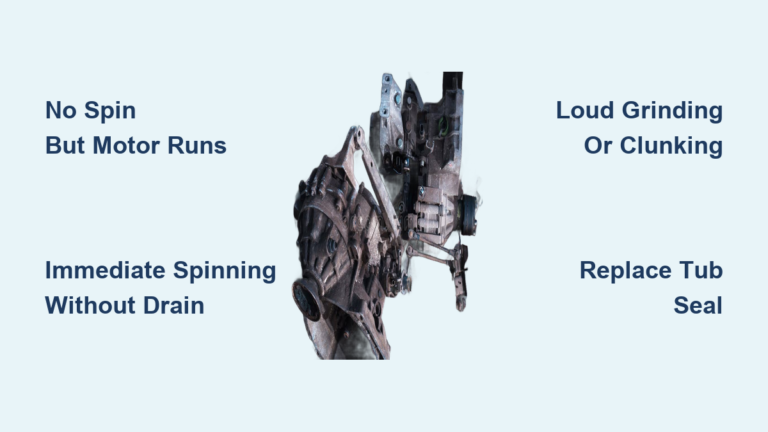
Replace Worn Suspension Rods
If your washer shakes even with perfectly balanced loads, worn suspension rods are likely the culprit, especially in Samsung models like WA50R5200AW and 44A3205AW.
Spot Worn Suspension Symptoms
Drum bounces excessively when pressed down. Violent shaking returns within weeks of repair. The machine moves across the floor despite leveling. Repeated UE or UL errors occur with small or well-distributed loads.
Replacement rods often come with thicker steel coils and firmer springs, providing better stability than original parts.
Replace Suspension Rods Step-by-Step
Tools needed include a Phillips screwdriver, a manual screwdriver to avoid stripping plastic screws, and gloves.
Safety first involves unplugging the washer and working on a stable surface.
Access the drum by removing the rear panel. Unscrew all Phillips-head screws including those hidden under rubber grommets. Lift the drum slightly to access front suspension rods.
Replace rear rods first. They are located inside the drum cavity. Detach the ground wire and wire loom near the mounting point. Release the plastic clip holding the hose or loom. Carefully snake the line aside. Pull out the old rod and insert the new one, ensuring secure fit.
Replace front rods next. This requires lifting the drum for clearance. Pull the old rod from its groove. Insert the bottom cup first, then push the top end into the bracket. Confirm the rod snaps back quickly, indicating proper tension.
Reassemble by reconnecting the wire loom and ground wire. Replace the rear panel with all screws and rubber inserts. Reinstall the top panel and tighten fasteners. Plug in and run a test load that is not overloaded.
No vibration, error codes, or drum wobble during spin indicates a successful repair.
Inspect Critical Mechanical Components

Beyond suspension rods, other internal failures can mimic or worsen imbalance issues. Regular inspection catches problems before they escalate.
Check Drum Bearings
Failing bearings cause grinding, squealing, or rumbling noises during operation.
Warning signs include loud screeching during spin-up, the drum feeling loose or wobbly when rotated by hand, and oil residue inside the outer tub.
Bearing replacement requires partial drum disassembly. This is best left to professionals unless you have extensive appliance repair experience.
Examine Counterweights
These heavy blocks stabilize rotation using concrete or metal construction.
Inspect for cracks or chips in concrete weights, loose or missing mounting bolts, and visible movement when pressing on the drum.
Tighten bolts or replace damaged counterweights. Loose weights can cause catastrophic shaking during high-speed spins.
Prevent Future Imbalance Issues
Avoid recurring problems with smart loading habits and routine maintenance. Prevention costs far less than repairs.
Load Smart, Not Full
Fill loosely, never above the top row of holes. Mix fabric types by pairing towels with shirts and jeans with lightweight tops. Wash bulky items like comforters and rugs separately in small batches. Use Bulky or Bedding cycle settings when available.
Avoid washing a single towel, rug, or pair of jeans alone. The imbalance trigger is almost guaranteed.
Use Right Cycle Settings
Match the program to your load type for optimal performance. Bulky or Bedding setting works best for comforters and blankets with lower, balanced spin speeds. Heavy Duty setting handles jeans and towels with high torque. Delicate setting protects sheers and lingerie with slow spin. Eco or Normal setting suits mixed loads with adaptive spin control.
Front-loaders with intelligent sensors adjust spin patterns dynamically. Top-loaders rely more on user input.
Address Known Design Flaws

Evidence points to systemic imbalance issues in certain Samsung top-loading models that are not caused by user error. Knowing this helps you avoid sinking money into flawed designs.
Known Problem Models
Samsung 44A3205AW and WA50R5200AW are frequently cited in user complaints. Other HE top-loaders with weak suspension systems exhibit similar problems.
Reported flaws include undersized suspension rods and springs, inadequate shock absorption, premature rod failure with some users replacing them three times in under a year, and machines failing before four years of use despite 10-year expected lifespans.
Calibration does not fix the issue. Parts wear out too fast. Repair costs exceed $140 and often do not last.
Financial and Environmental Impact
One verified case showed 80 to 90 gallons used per load versus the 15-gallon average. Wet clothes required rewashing. Drying times doubled due to poor water extraction. Water bills spiked by hundreds of dollars annually.
This represents a 5 to 6 times increase in water consumption, creating significant financial and environmental costs.
Decide When to Repair or Replace
Not all imbalance issues are worth fixing. Know when to walk away and invest in a new machine instead.
Repair If
Machine is under warranty. Only suspension rods or leveling need attention. You can source affordable, upgraded parts. The model has good reviews outside of balance issues.
Replace If
Washer is over 10 years old. Bearings or transmission are failing. You have replaced suspension rods multiple times. Repair cost exceeds 50% of new machine price. The model has documented design defects.
Many former Samsung owners report switching brands due to lack of recall or free repair program. The pattern is clear and well-documented.
Optimize Installation for Stability
Even a perfectly loaded washer will shake if installed incorrectly. Proper installation prevents most vibration issues before they start.
Install on Solid Flooring
Avoid carpet, vinyl, or laminate unless reinforced. Use a concrete slab or plywood platform for stability. Ensure the floor does not flex under the machine weight.
Use Anti-Vibration Solutions
Place anti-vibration pads under each foot. Use vibration-dampening mats like rubber washer mats. Consider pedestals with locking feet for elevated units.
These solutions also reduce noise and protect flooring from damage.
Maintain Clearance
Leave at least 2 to 3 inches around the machine for airflow, service access, and drum movement during spin.
Restricted clearance causes the machine to bump adjacent surfaces during imbalance events, amplifying noise and potential damage.
Frequently Asked Questions About Washing Machine Unbalanced
What does it mean when my washer says UE or UL?
UE and UL error codes indicate an unbalanced load. The machine detected uneven weight distribution during the spin cycle. Redistribute clothes evenly and restart the cycle.
Can a washing machine be unbalanced even when empty?
Yes. Worn suspension rods, damaged counterweights, or loose bearings can cause vibration with an empty drum. Run a diagnostic test or inspect internal components if the problem persists without laundry.
Why does my Samsung washer keep getting unbalanced errors?
Certain Samsung top-loaders have known design flaws with undersized suspension systems. Even with proper loading, these models experience chronic imbalance. Replacement of suspension rods with upgraded versions may help, but some models are inherently flawed.
How often should I replace washing machine suspension rods?
Replacement frequency depends on usage. In high-use households, inspect suspension annually. In problem models like certain Samsung top-loaders, rods may need replacement every 1 to 2 years. Quality replacement rods with firmer springs typically outlast original equipment.
Does leveling really matter that much?
Absolutely. A washer must sit perfectly level on solid flooring. Even a slight tilt amplifies vibrations dramatically during high-speed spins. Check leveling monthly and after any moving or relocation.
When should I give up and buy a new washer?
Replace if the machine is over 10 years old, repairs exceed half the cost of a new unit, you have replaced suspension rods multiple times, or the model has documented design defects. The math rarely works out for chronic problems.
Key Takeaways for Fixing Unbalanced Washers
An unbalanced washing machine is not just noisy. It is inefficient, costly, and potentially dangerous. Most issues are fixable with smart loading and basic maintenance.
Load clothes loosely and evenly around the drum. Never wash single bulky items alone. Mix heavy and light fabrics. Use appropriate cycle settings for load types.
Level the machine using a spirit level and adjust all four feet. Recheck periodically, especially after moving the unit.
Replace worn suspension rods with upgraded versions featuring firmer springs. Inspect counterweights and bearings during any repair work.
If you own a Samsung top-loader plagued by repeated UE or UL errors, consider it a known design flaw, not your fault. Whether you repair, upgrade, or replace, you now have the power to take control and get a smooth, quiet spin every time.