How to Clean a Stinky Washing Machine
If your washing machine has started to smell like mildew, rotten eggs, or damp socks, you’re not alone. A stinky washing machine is a common household issue, especially in high-efficiency (HE) models and front-loading machines. These odors are more than just unpleasant, they are a sign of mold, bacteria, and detergent buildup thriving in dark, damp environments. The good news is that with the right steps, you can deep clean your washer and restore it to fresh, odor-free performance. In this guide, you will learn exactly how to eliminate stubborn smells, target hidden problem areas, and prevent future odors using safe, effective methods.
Identify the Type of Odor You Are Dealing With
Before cleaning, pinpointing the type of smell helps determine the cause and the best solution.
Musty or Mildew-Like Smell
This damp, earthy odor usually means mold or mildew is growing in the rubber door seal, detergent drawer, or inside the drum. Front-loaders are especially prone due to trapped moisture in the gasket folds. Pull back the rubber seal and inspect for black or green specks. If visible, mold is present and needs attention.
Rotten Egg or Sulfur Smell
A sewage-like or rotten egg odor often comes from bacterial buildup in the drain or water heater. Bacteria can produce hydrogen sulfide gas. In rare cases, it could signal a gas leak if you are using a gas dryer, which requires immediate action. If the smell is strong and also affects your tap water, contact a plumber immediately.
Sewage-Like Odor
This may indicate sewer gas backing up into the laundry room. Causes include a dry P-trap under the drain hose or a blocked plumbing vent. Pour a quart of water into the floor drain near the washer to refill the P-trap and resolve this quickly.
Chemical or Sharp Smell
A harsh, artificial odor might mean cleaning residue is left behind, or worse, incompatible cleaners were mixed such as bleach plus vinegar, creating toxic fumes. Run a hot rinse cycle immediately to flush out residues, and never mix chlorine bleach with acidic cleaners.
Clean Removable Parts Where Grime Accumulates
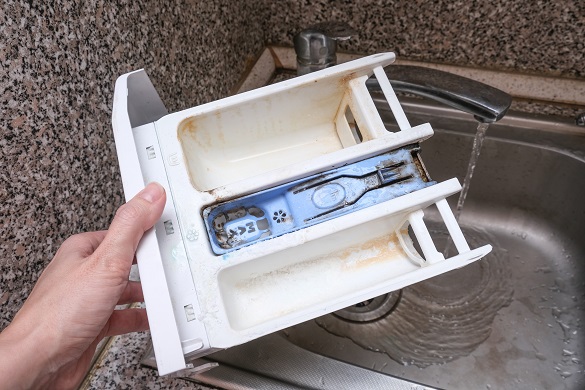
Start by removing and cleaning accessible components where buildup hides.
Remove and Soak the Detergent Drawer
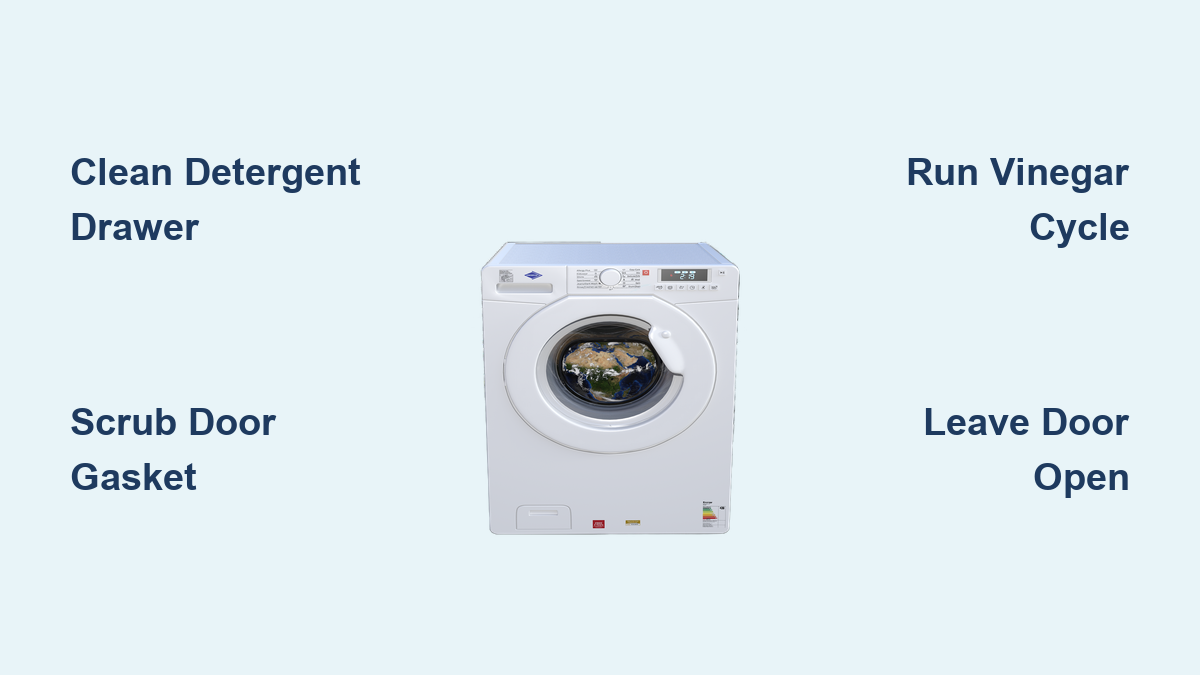
Slide out the detergent, bleach, and fabric softener trays. Soak them in warm water mixed with one part vinegar to one part water for fifteen to twenty minutes. Scrub crevices with an old toothbrush to remove gunk. Rinse well and dry before reinserting. Do this monthly to prevent biofilm buildup.
Clean the Drain Pump Filter on Front-Loaders
Place a shallow pan under the filter, usually at the front bottom of the machine. Unscrew the access panel slowly, as water will drain out. Remove lint, coins, and debris from the filter. Scrub the filter and housing with vinegar. Reinstall tightly to prevent leaks. Check this filter every month, as it is a major odor hotspot.
Lift and Clean the Agitator on Top-Loaders
Unplug the machine. Remove the center cap on the agitator. Use a socket wrench to loosen the bolt underneath. Lift the agitator off and clean the base and underside with vinegar. Wipe dry, then reassemble. This area traps hair, soap scum, and mildew over time.
Wipe Down Interior Surfaces Where Mold Hides
Surface cleaning targets mold and residue in hard-to-reach spots.
Scrub the Door Gasket on Front-Loaders
Pull back the rubber seal and inspect every fold. Spray with undiluted white vinegar or a mix of vinegar and a few drops of dish soap. Scrub moldy areas with a toothbrush. Wipe dry with a microfiber cloth. For stubborn black mold, make a paste of baking soda and water, apply it, wait ten minutes, then scrub and wipe with vinegar.
Clean the Drum and Lid Seal on Top-Loaders
Wipe the drum walls, lid underside, and any rubber seals. Use a vinegar-dampened cloth or baking soda paste. Pay attention to crevices where moisture hides. Dry all surfaces with a towel afterward to speed up evaporation.
Run a Vinegar Cleaning Cycle to Sanitize the Drum
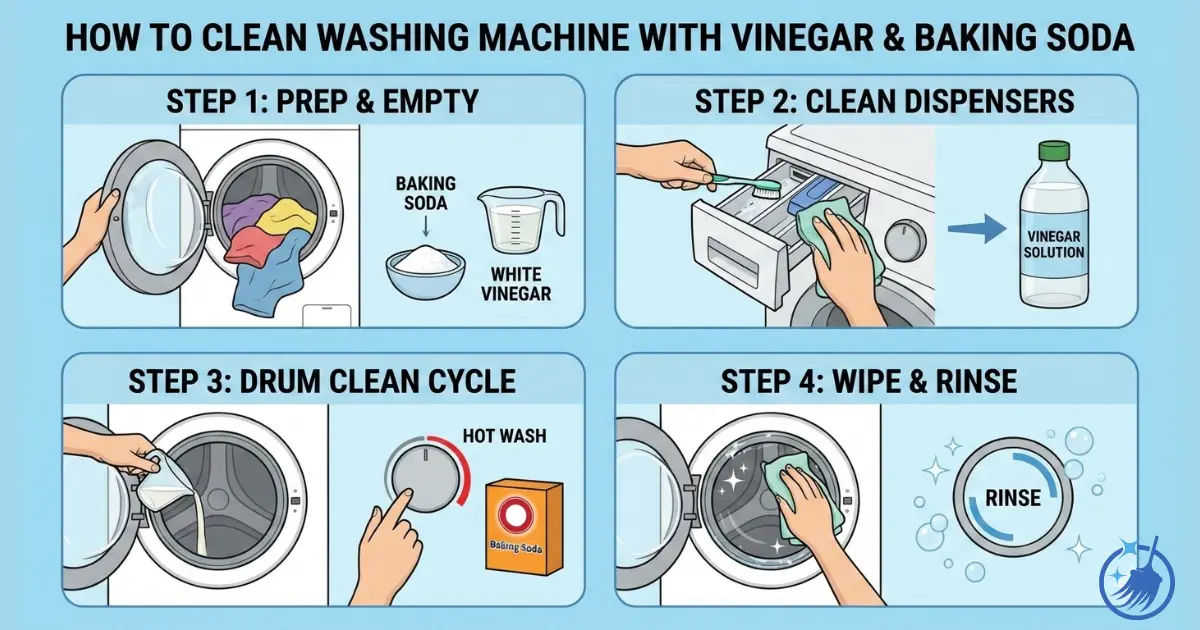
This step sanitizes the inner drum and dissolves mineral deposits.
Add Vinegar and Run the Hot Cycle
Add two cups of white vinegar directly into the drum or the detergent dispenser. Optional, add ten drops of tea tree or lavender essential oil for extra antimicrobial power. Select the hottest cycle available, such as a sanitize or tub clean setting. Include a thirty-minute soak if your machine allows. Vinegar kills ninety-nine percent of bacteria, molds, and viruses without harsh chemicals. Never use vinegar with bleach, as this creates toxic chlorine gas.
Follow With Baking Soda and Oxygen Cleaner
Neutralize odors and break down organic gunk with a second cleaning cycle.
Add Baking Soda and Run the Second Cycle
After the vinegar cycle, sprinkle one to two cups of baking soda into the drum. Add one-quarter cup of sodium percarbonate, which is oxygen bleach like OxiClean. Run another full hot water cycle. Sodium percarbonate releases hydrogen peroxide in water, safely oxidizing stains and killing microbes. Alternatively, use one commercial washer cleaner tablet instead.
Finish With a Hot Water Rinse
Flush out any leftover cleaning residue to prevent new buildup.
Run the Final Rinse Cycle
Run an empty hot wash on the largest load setting. This ensures vinegar, baking soda, and debris are fully cleared from hoses and pump. It also eliminates any lingering vinegar smell. This step is essential, so do not skip it.
Clean the Exterior and Control Panel
Do not forget the outside, as germs and grime collect there too.
Wipe Down All External Surfaces
Use a damp microfiber cloth with vinegar or all-purpose cleaner. Gently clean the door, lid, control panel, and knobs. Avoid soaking buttons or touchscreens. Dry immediately to prevent water damage.
Alternative Cleaning Methods When Needed
Use Commercial Washer Cleaner Tablets
Drop one tablet into the drum. Run the hottest cycle or tub clean mode. This is convenient and pre-measured, ideal for quick maintenance. It is more expensive than DIY methods but effective and safe for most machines.
Bleach Cleaning Only When Necessary
Only use bleach if your washer is bleach-safe, and check the manual first. Add one-half cup of bleach to the bleach dispenser for front-loaders or one cup directly in the drum for top-loaders. Run a long, hot cycle. Never mix bleach with vinegar, ammonia, or other cleaners. Bleach is harsh and corrosive, so reserve it for severe mold cases only.
Prevent Future Odors From Returning
Eliminating the smell is step one. Keeping it gone requires ongoing habits.
Leave the Door and Drawer Open After Each Use
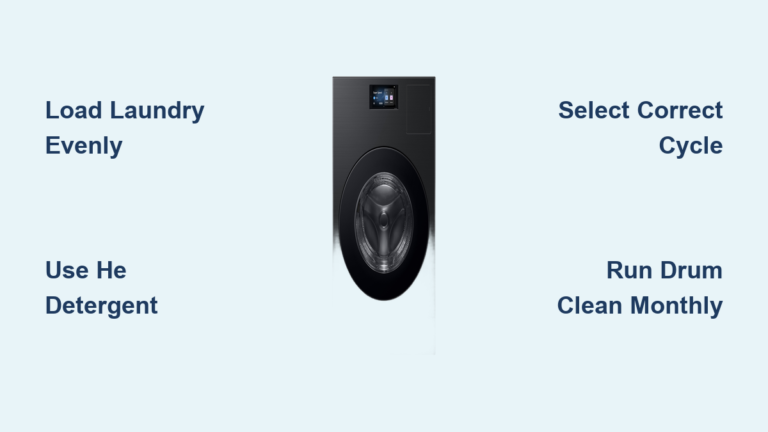
Allow air circulation and dry out moisture by leaving the door open after each wash. This is critical for front-loading machines. Close the door only when the machine is in use. Set a reminder or place a sticky note until this becomes a habit.
Use the Correct Amount of Detergent
Overuse causes soap scum that traps bacteria. For HE machines, use HE-certified detergent and follow the label dosing instructions. Skip liquid fabric softener and use wool dryer balls instead. A tablespoon of HE detergent is often enough per load.
Wipe the Gasket Weekly
After laundry, take thirty seconds to wipe the rubber seal with a dry or vinegar-dampened cloth. This prevents mold from taking hold in hidden folds. Make this a weekly habit for best results.
Run Monthly Maintenance Cycles
Every one to two months, run a hot cycle with one cup of vinegar or one oxygen cleaner tablet. This keeps internal parts fresh without requiring a full cleaning. Set a calendar reminder to stay consistent.
Clean the Drain Filter Monthly
Front-loader owners should make this a calendar reminder. Remove debris and flush the housing with hot water. This prevents buildup that causes odors.
Elevate the Machine With a Drainage Mat
Place a washing machine mat under the unit. This promotes airflow, prevents rust, and catches minor leaks. It also helps keep the area dry.
Pre-Treat Dirty Laundry Before Washing
Avoid dumping muddy clothes or pet bedding directly into the washer. Pre-rinse or use a pre-wash cycle to reduce residue that can cause odors.
When to Call a Professional
Sometimes the smell persists despite your best efforts.
Signs You Need Expert Help
Odor returns quickly after cleaning. Mold is visible under the drum or in hoses. Water drains slowly or makes gurgling noises. Sewer smell comes from walls or floor drains. A licensed technician can inspect internal hoses, the pump, and inlet valves, areas you cannot reach.
Frequently Asked Questions About Cleaning a Stinky Washing Machine
Why does my washer still smell after cleaning?
Hidden mold may be inside hoses, under the drum, or in the drain pump. These areas require professional disassembly to access and clean thoroughly.
Can too much detergent cause odors?
Yes. Excess detergent leaves sticky residue that traps moisture and bacteria, especially in HE machines that use less water.
Is vinegar safe for my washer?
Generally yes, but check your manual. Some brands, such as Whirlpool and Samsung, warn that vinegar may degrade rubber seals over time with frequent use.
Should I clean a new washing machine?
Yes. Run an empty hot cycle with one cup of vinegar or a commercial cleaner to remove factory oils and residues before first use.
Can I use lemon juice instead of vinegar?
Not recommended. Lemon juice is less acidic and may leave a sticky film. Vinegar is stronger and more effective at killing bacteria and mold.
How do I remove black mold from the door seal?
Apply baking soda paste to the mold. Let sit for ten minutes, scrub with a toothbrush. Wipe with vinegar to kill remaining spores. Dry thoroughly afterward.
Key Takeaways for Keeping Your Washing Machine Fresh
A stinky washing machine is not just annoying, it is unhygienic and can transfer odors to your clean laundry. By following this step-by-step guide, you can eliminate odors at the source and keep your washer fresh, clean, and efficient. The key steps are identifying the smell type, cleaning removable parts, running vinegar and baking soda cycles, and finishing with a hot rinse. Prevention is equally important, so make it a habit to leave the door open, use the correct detergent amount, and wipe the gasket weekly. Regular maintenance prevents buildup before it starts, saving you time, money, and frustration. Start with a deep clean today, then stick to simple prevention habits. Your clothes and your nose will thank you.