
How to Clean a Washing Machine: Quick Steps
You’ve just pulled out a load of laundry, only to find it smells musty despite using fresh detergent. The culprit is likely a dirty washing machine. Over time, mold, mildew, detergent residue, and hard water minerals build up in hidden areas like the drum, gasket, and pump filter, recontaminating your clean clothes. Regular cleaning isn’t just about freshness. It is essential for hygiene, performance, and extending your appliance’s life. In this guide, you will learn how to deep-clean both front-loading and top-loading machines using natural and commercial methods, troubleshoot common issues, and adopt habits that prevent buildup before it starts.
Monthly Deep-Clean for Front-Loading Washers

Front-loading washers are prone to mold and odors due to their rubber door seal, which traps moisture. Without regular maintenance, this damp environment breeds mildew and transfers musty smells to your laundry. A monthly deep-clean routine prevents buildup and maintains hygiene.
Run Hot Water Cleaning Cycle
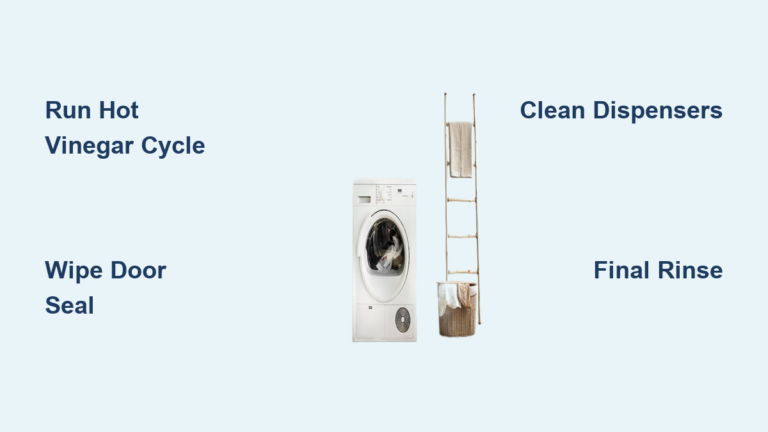
Set your machine to the hottest, longest cycle, often labeled “Sanitize,” “Tub Clean,” or “Clean Washer.” This high-temperature wash maximizes cleaning effectiveness by dissolving grease, killing bacteria, and loosening grime from internal surfaces. If your model has a dedicated cleaning cycle, use it. Ensure the drum is empty and select maximum water level if adjustable. The extended agitation and soak time help penetrate hard-to-reach areas like the drum walls and pump housing.
Use Vinegar or Bleach Safely
For natural cleaning, pour 2 cups of white vinegar directly into the drum. Vinegar breaks down soap scum and mineral deposits while eliminating 99.9% of bacteria. Avoid mixing vinegar with other chemicals, especially bleach, as this creates toxic fumes. For stronger disinfection in homes with allergies or pets, use ¾ cup of chlorine bleach instead. Bleach kills mold spores and viruses but may degrade rubber seals with frequent use. Limit bleach to once every one to two months and always follow manufacturer guidelines.
Scrub Door Gasket Weekly
The rubber seal around the door traps water, lint, and debris. After every wash, wipe it dry with a microfiber cloth. Weekly, inspect the folds by pulling back the gasket gently. Use a toothbrush dipped in a solution of 1 cup vinegar, 1 cup water, and 1 tsp Dawn dish soap to scrub away black mold or residue. Rinse with a damp cloth and dry thoroughly. For stubborn stains, apply a gel-based mold remover, let it sit three to five hours, then wipe clean. This prevents recurring odors and maintains seal integrity.
Deep-Clean Top-Loading Machines Effectively
Top-loading machines may not have a rubber gasket, but they accumulate grime in the drum rim, agitator base, and dispensers. Because these models use more water, deep cleaning requires longer soak times to ensure full coverage.
Soak With Bleach or Natural Alternatives
Fill the tub with hot water on the longest cycle. Add 4 cups of bleach and let it agitate for five minutes, then pause the cycle for a one-hour soak. This allows the solution to penetrate hidden areas like the bleach dispenser and under the agitator. Resume to complete the cycle. For a non-toxic option, use ½ cup washing soda plus ½ cup borax during the wash cycle, followed by 4 cups of vinegar in a second hot cycle. Do not mix vinegar and baking soda because they neutralize each other.
Clean Agitator and Dispensers
Remove the agitator cap and check underneath for trapped dirt or hair. Soak removable parts like the bleach and fabric softener dispensers in warm, soapy water. Use a toothbrush or pipe cleaner to clear clogged inlet slots. For models with a center post, consider removing the entire agitator to clean beneath it. Reinstall all components securely before running a rinse cycle.
Clean Detergent Drawer Monthly
The detergent dispenser is a hotspot for mold and clogs. Residue builds up when excess HE detergent is not fully rinsed, especially in cold-water cycles.
Remove and Soak Drawer
Pull the drawer out completely with a gentle tug. Soak it in warm water mixed with vinegar or dish soap for 15 to 30 minutes. This loosens dried detergent and mildew. For tough buildup, add a splash of oxygen bleach. Use an old toothbrush to scrub crevices, then rinse under running water. Let it air-dry before reinserting.
Prevent Future Clogs
Use only high-efficiency detergent and follow dosage instructions. Too much detergent leads to overflow and residue. Wipe the drawer slot inside the machine monthly with a vinegar-dampened cloth. Leave the drawer slightly open after each wash to promote drying.
Unclog Drain Pump Filter
A clogged pump filter causes poor drainage, standing water, and foul odors. Front-loaders typically have an access panel at the bottom front. Top-loaders may require removing the outer casing or checking near the agitator.
Access and Clean Filter
Place towels and a shallow dish under the filter to catch water. Turn the filter counterclockwise to open. Remove lint, coins, hair ties, and debris. Rinse under running water and scrub with a brush if needed. Check for cracks or damage, and replace if worn. Reinstall tightly to prevent leaks. Do this every one to three months, or monthly in high-use households.
Stop Water Siphoning
If water backs into the tub after a cycle, the drain hose may be siphoning. Ensure it is not inserted too deeply into the standpipe. Clip it to the side, leaving an air gap. This prevents dirty water from re-entering the machine.
Natural Versus Commercial Cleaning Solutions

You do not need harsh chemicals to maintain a fresh washer. Both DIY and store-bought options work. Choose based on your needs and water hardness.
Try Vinegar and Baking Soda Separately
White vinegar dissolves mineral deposits and deodorizes. Baking soda deodorizes and gently scrubs. Never mix them in the same cycle because they react and lose effectiveness. Instead, run one cycle with vinegar, then a second with ½ cup baking soda on hot water. Finish by wiping the drum with a microfiber cloth.
Choose Effective Commercial Tablets
Products like Affresh, Tide Washing Machine Cleaner, or Glisten Washer Magic are pre-measured and convenient. They contain surfactants and chelating agents that target hard water minerals. Place one tablet in the drum and run the Clean Washer cycle on the hottest setting. Some require a second rinse, so follow package instructions. Samsung users should opt for Eco Drum Clean tablets designed for their model.
Daily Habits to Prevent Mold and Odors
The best cleaning strategy is prevention. Simple daily habits stop moisture and residue from accumulating.
Leave Door Open After Use
Always prop the lid or door open after a wash. This allows airflow and dries out the drum and gasket. For front-loaders, use door-stop magnets to keep the seal slightly ajar. Never close the machine immediately because trapped humidity breeds mold within hours.
Wipe Drum and Gasket
After removing laundry, quickly wipe the drum and gasket with a dry microfiber towel. This removes standing water and reduces drying time. Do this even if you plan to run another load soon.
Maintenance Schedule for Long-Term Performance
Consistency beats deep cleaning once a year. A structured routine keeps your machine running efficiently and avoids costly repairs.
Monthly Deep-Clean Routine
Once a month, perform a full cleaning cycle using vinegar, bleach, or a commercial tablet. Run the hottest, longest cycle available. Wipe the gasket, clean the detergent drawer, and inspect the pump filter. High-use households or those washing cloth diapers, pet bedding, or microfiber should clean every two to four weeks.
Biweekly Component Checks
Every two weeks, remove and rinse the detergent drawer. Inspect the door seal for trapped debris. For top-loaders, check the bleach dispenser and agitator base. Address small issues before they become major problems.
Troubleshooting Common Washing Machine Problems
Even with regular care, problems can arise. Quick diagnosis saves time and protects your appliance.
Fix Musty Smells in Clean Laundry
Musty odors mean mold is present, likely in the gasket, drum, or filter. Perform a bleach or commercial cleaner cycle. Manually scrub the gasket with vinegar and Dawn soap. Clean the pump filter and ensure the drain hose is not siphoning. Run future loads with hot water and less detergent.
Stop Detergent Residue on Clothes
If clothes feel stiff or look spotty, you are likely using too much detergent. Switch to HE detergent and reduce the amount. Run a vinegar cleaning cycle to strip buildup from the drum. Avoid fabric softener buildup by cleaning the dispenser regularly.
Silence Unusual Noises
Grinding or thumping during the spin cycle often means a foreign object is stuck in the pump. Turn off the machine, unplug it, and clean the drain filter. Check for coins, hairpins, or small toys. If noise persists, consult a technician.
Frequently Asked Questions About Cleaning a Washing Machine
How often should I clean my washing machine?
You should run a deep-cleaning cycle monthly. Wipe the door seal weekly and clean the detergent drawer every two to four weeks. High-use households should clean every two to four weeks.
Can I use vinegar and bleach together to clean my washer?
No, never mix vinegar and bleach together. This creates toxic fumes that are dangerous to inhale. Use them in separate cleaning cycles instead.
Why does my front-loader smell musty even after cleaning?
Musty smells usually indicate mold in the gasket, drum, or drain filter. Scrub the gasket manually with vinegar and Dawn soap. Clean the pump filter and check that the drain hose is not siphoning dirty water back into the machine.
Is it safe to use bleach in my washing machine?
Yes, chlorine bleach is safe in moderation. Use ¾ cup for front-loaders and up to 4 cups for large top-loaders. Limit use to once every one to two months to prevent seal degradation.
What is the best natural cleaner for washing machines?
White vinegar is the best natural option. It removes 99.9% of bacteria and 82% of mold. For heavy mineral buildup, use washing soda or borax in a separate cycle from vinegar.
How do I prevent mold on my washing machine door seal?
Wipe the gasket dry with a microfiber cloth after every wash. Leave the door open to promote airflow. Use door-stop magnets to keep the seal slightly ajar when the machine is not in use.
Key Takeaways for Maintaining a Clean Washing Machine
A clean washing machine ensures cleaner, fresher laundry and extends your appliance’s life. By following this guide, cleaning monthly, wiping seals, using the right detergent, and preventing moisture buildup, you will avoid odors, clogs, and costly repairs. Whether you prefer natural solutions like vinegar and baking soda or the convenience of commercial tablets, consistency is key. Make cleaning part of your routine, and your washer will keep performing like new for years.