How to Wash Plush in Washing Machine
Nothing beats the comfort of a soft, well-loved plush toy, but over time those cuddly companions collect dust, dirt, and germs. If you are wondering how to wash plush in washing machine safely, you are not alone. Thousands of parents, collectors, and plush lovers search for a reliable method that cleans without damaging delicate fabrics or stuffing.
The good news is most plush toys can be safely machine washed if you follow the right steps. The key is knowing which plushies can handle the spin cycle, using gentle settings, and protecting them during washing and drying. This guide gives you a complete step-by-step plan to clean plush toys the right way.
Check Plush Washability First
Not all plush toys are built for the washing machine. Washing the wrong one can cause irreversible damage, so always check before proceeding.
Look for These Red Flags
Electronic parts like sound modules, batteries, or motion sensors will be destroyed by water exposure. Heated or cooling beads found in microwaveable plush can expand, burst, or leak during agitation. Weighted filling such as glass beads, sand, or pellets may shift or leak and damage your machine. Metal joints or frames may rust or break during the wash cycle. Vintage or handmade construction often has weaker fabrics and threads that disintegrate with washing. Always look for a “Surface Wash Only” label, which clearly prohibits submersion.
When in Doubt, Play It Safe
If the care label is missing or unclear, use spot cleaning or hand washing instead. For high-value or sentimental plush, consider professional cleaning services. Plush toys filled with polyester fiberfill with no electronics or structural parts are typically safe for machine washing.
Prep Plush for Machine Washing

Proper preparation protects your plush from damage and keeps your washing machine clean.
Inspect for Damage
Check seams, limbs, and stitching for wear before washing. Repair small tears with a needle and thread first. Untie or remove ribbons and accessories that could tangle.
Protect Delicate Features
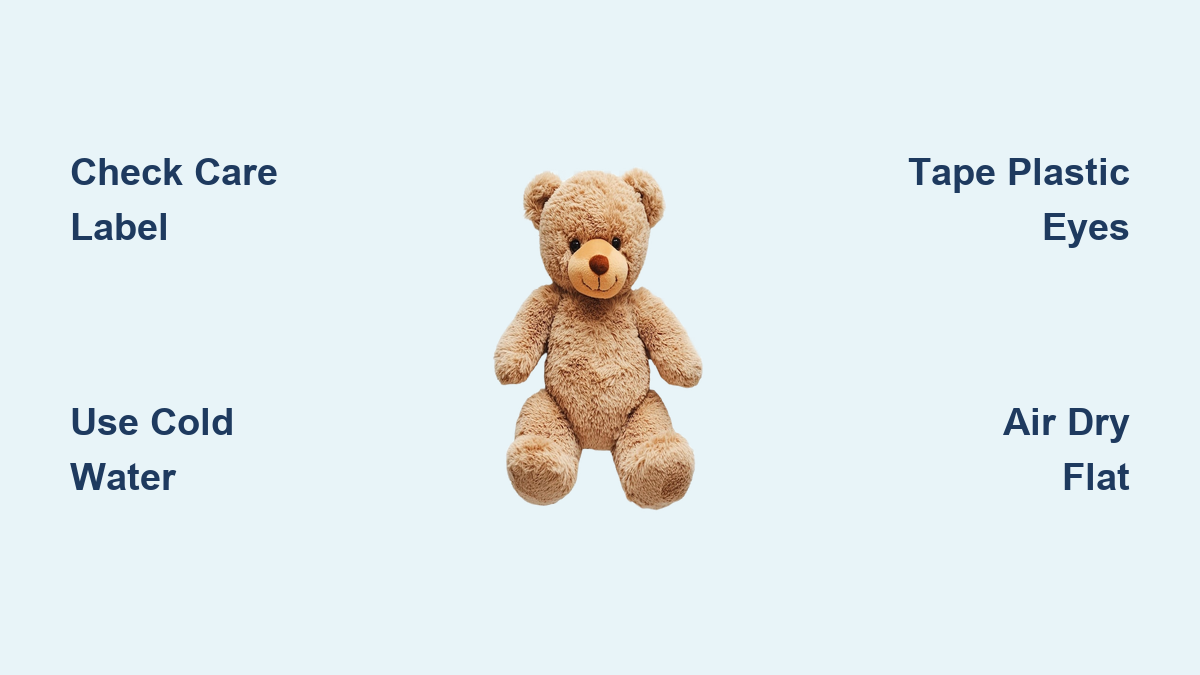
Cover plastic eyes, noses, or buttons with masking tape or painter’s tape. Tape is gentle on fabric and removes cleanly without leaving residue. Avoid duct tape, which can pull fibers or leave sticky residue.
Use a Protective Bag
Place the plush in a mesh laundry bag or tie shut a pillowcase. This reduces tumbling, prevents snagging, and shields both the toy and your machine. For extra protection, zip the bag closed and secure the opening with a knot.
Add Soft Padding
Wash with towels, soft clothes, or other plush toys. Padding cushions the load and reduces agitation stress. This helps maintain shape and keeps stuffing distributed evenly.
Choose the Right Wash Cycle
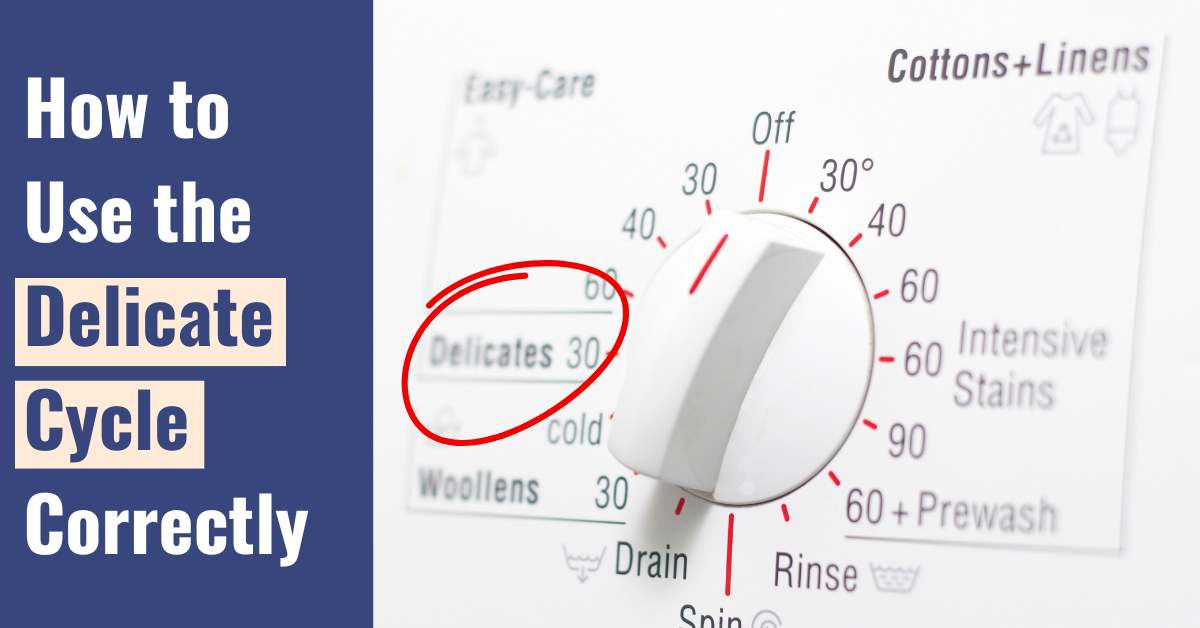
Using incorrect settings is the most common cause of plush damage in washing machines.
Select These Settings
Use gentle, delicate, or hand-wash mode for the cycle. Set water temperature to cold only, with a maximum of 86°F or 30°C. Choose low spin speed or a no-spin option. Wash only one to two plush toys maximum per cycle.
Why Cold Water Matters
Hot water can shrink synthetic fabrics and melt polyester fiberfill. It can also set protein-based stains like saliva or sweat and damage dyes, causing color bleeding. Cold water cleans effectively while preserving texture and color.
Pick a Safe, Gentle Detergent
The wrong detergent can irritate skin, leave residue, or break down fibers.
Best Detergent Choices
Tide Free & Gentle is hypoallergenic and baby-safe with no dyes. Dreft is designed for delicate fabrics and infant items. Simple Green All-Purpose Cleaner in Lemon Scent works well as a pre-treatment.
Avoid These Ingredients
Never use chlorine bleach, optical brighteners, borax, phosphates, or strong fragrances. These can degrade synthetic fibers and cause skin irritation.
How Much Detergent to Use
Follow label instructions but use half the normal amount for small loads. Excess detergent leaves residue that causes odor and stiffness.
Boost Cleaning Power Safely
Enhance results without risking damage to your plush.
Simple Green for Deep Cleaning
For top-loading machines, add ¼ cup directly to the drum. For high-efficiency machines, spray on the plush first, then wash. Simple Green breaks down grime without harsh chemicals.
Enzymatic Detergents for Odors
Use Tide Oxi Pods or Oxi Boost Liquid to remove organic soils. These are effective against saliva, food, sweat, and pet stains. Add directly to the drum rather than using the dispenser.
Downy Rinse for Residue Removal
Add ¼ cup to the rinse cycle or fabric softener dispenser. Citric-acid based formulas remove soap scum and mineral buildup more effectively than vinegar and will not leave odor.
Treat Stains Before Washing
Pre-treating increases cleaning success and prevents set-in stains.
Spot Clean Stains Safely
Dampen the stained area with cold water. Apply 1:10 diluted Simple Green or Tide Oxi Boost Liquid. Let sit for one to two minutes, no longer, as this can damage fibers. Gently dab with a soft cloth, do not scrub.
Remove Odors Without Washing
Sprinkle baking soda over the plush and let sit for two to four hours, or overnight in a sealed bag. Vacuum or brush off thoroughly. Alternatively, lightly mist high-touch areas with isopropyl alcohol at 70-90% concentration and air dry completely before use.
Dry Plush the Right Way
Improper drying causes mold, shrinkage, and matted fur.
Air Dry the Best Method
Lay flat on a clean towel in a ventilated area. Flip every few hours for even drying. Keep away from direct sunlight, which fades colors. Drying time is typically one to three days depending on size.
Tumble Dry Only If Safe
Use no-heat or delicate setting only. Place in a mesh bag to reduce tumbling. Add dryer balls or clean tennis balls to restore fluffiness. Monitor every ten to fifteen minutes and never leave unattended.
Never use high heat, which melts fibers and damages stuffing.
Restore Softness After Washing
Bring back the fluff and softness with simple post-wash care.
Brush the Fur
Use a slicker brush or boar bristle brush. Brush in the direction of the fibers. Start while slightly damp to prevent matting. Focus on high-friction areas like the face, paws, and arms.
Fluff the Body
Gently squeeze and reshape the plush. Massage the stuffing to redistribute evenly. Avoid pulling limbs or stretching fabric. Tickle the fur with your fingers to revive texture.
Maintain Plush Between Washes
Regular care extends lifespan and reduces the need for deep cleaning.
Weekly Maintenance
Brush fur weekly to prevent tangles. Spot clean spills with a damp cloth and mild soap. Air out in fresh air to reduce odors, but avoid direct sunlight.
Proper Storage
Store in a cool, dry place. Use breathable cotton bags, never plastic, which traps moisture. Keep away from pests with natural deterrents like lavender sachets.
Handle Mold Immediately
For mild mold, scrub with dish soap and baking soda paste. Rinse and dry completely. For severe mold, seek professional cleaning.
Alternative Cleaning for Non-Washable Plush
Some plush toys cannot go in the machine but still need cleaning.
Hand Wash Delicate Plush
Fill a basin with cold water and add baby detergent or mild dish soap. Submerge and gently agitate, focusing on soiled areas with a soft brush. Rinse until water runs clear. Squeeze gently, never wring. Roll in a towel to absorb moisture and air dry completely.
Professional Cleaning Services
Use professional services for high-value collectibles, large or antique plush, stubborn stains or odors, and items with sentimental importance. OXXO Cleaners uses eco-friendly GreenEarth solvents and hand-finishing to preserve softness and appearance.
How Often Should You Wash Plush
Cleaning frequency depends on use and exposure.
| Usage Level | Cleaning Frequency |
|---|---|
| Daily use, slept with | Weekly |
| Occasional use | When dirty or smelly |
| After illness | Immediately |
| Display or collectible | Every 3-6 months, spot clean only |
Avoid These Common Mistakes
Even small errors can ruin your plush.
Top Plush-Washing Mistakes
Skipping the care label check is the most common error. Using hot water or a regular cycle damages fibers. Overloading the machine causes excessive agitation. Leaving electronics inside destroys internal components. Using too much detergent leaves residue. Tumble drying on high heat melts fibers. Storing wet or damp plush causes mold.
Always test cleaning solutions on a small hidden area first.
Frequently Asked Questions About Washing Plush in Washing Machine
Can all plush toys be washed in a washing machine?
No. Only plush toys with polyester fiberfill filling and no electronics, metal parts, weighted filling, or heating beads are safe for machine washing. Always check the care label first.
What temperature should I use to wash plush toys?
Use cold water only, at a maximum of 86°F or 30°C. Hot water can shrink fabrics, melt synthetic fibers, and set stains.
How do I protect plastic eyes and noses during washing?
Cover them with masking tape or painter’s tape before washing. This prevents scratching, detachment, and protects these features from agitation damage.
Can I put plush toys in the dryer?
Only if the toy is sturdy enough. Use no-heat or delicate settings only, place in a mesh bag, and monitor frequently. Air drying is always the safest option.
How do I remove odors from plush without washing?
Sprinkle baking soda over the plush, let sit for two to four hours, then vacuum or brush off. Alternatively, light misting with 70-90% isopropyl alcohol disinfects without soaking.
How often should I wash my child’s favorite plush toy?
Plush toys used daily, especially those slept with, should be washed weekly. Occasional use plush can be washed when dirty or smelly.
Key Takeaways for Washing Plush in Washing Machine
Washing plush in the washing machine is safe when done correctly. Always check the care label to confirm machine-washability and look for electronics, metal parts, or weighted filling that would make machine washing unsafe. Use cold water with gentle or delicate cycles and protect delicate features like eyes and noses with tape.
For electronic, weighted, or vintage plush, skip the machine and opt for spot cleaning, hand washing, or professional services instead. With regular maintenance and proper cleaning techniques, your plush toys can stay soft, fresh, and huggable for years.