Ryobi Pressure Washer Troubleshooting Guide
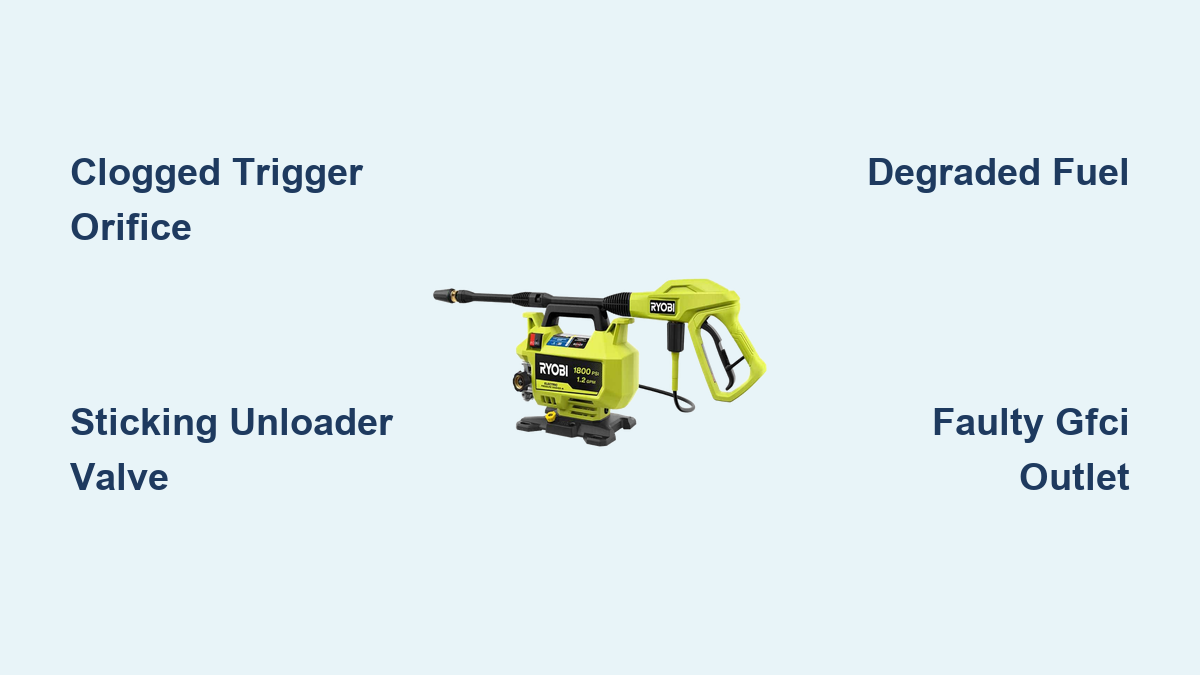
Is your Ryobi pressure washer suddenly shutting off, refusing to start, or losing pressure mid-task? You’re not alone. From clogged trigger handles to faulty GFCI outlets and degraded fuel, Ryobi pressure washers commonly face issues that seem like major failures but are often simple to fix. The good news? Most problems aren’t due to broken motors or pumps, but rather preventable blockages, electrical glitches, or fuel system failures. Understanding the real cause can save you hundreds on unnecessary replacements. In this guide, you’ll learn how to diagnose and fix the most frequent Ryobi pressure washer problems with clear, step-by-step solutions. Whether it’s a 1700 PSI electric model or a gas-powered unit that won’t start, we’ll walk you through what’s really going wrong and how to get it running again.
Fix Sudden Shutdown in Electric Models
Why the Washer Shuts Off After Seconds
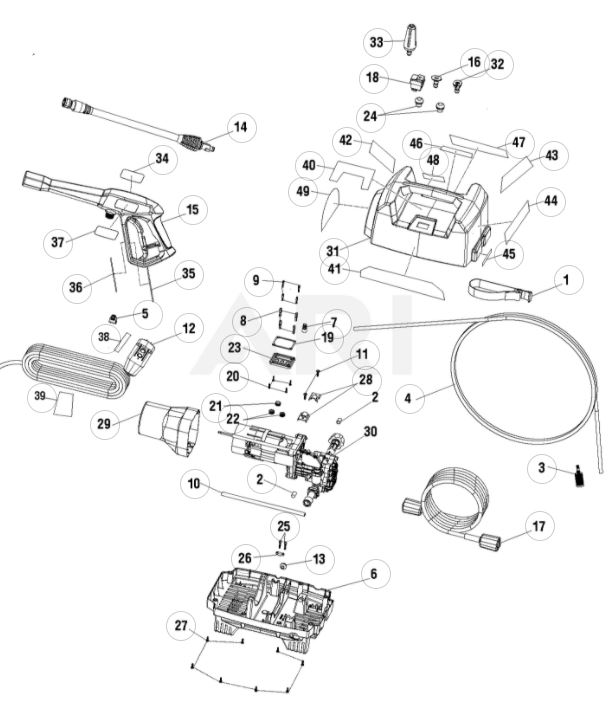
If your Ryobi electric pressure washer starts but cuts out within seconds, the issue isn’t the motor or pump. It’s a blocked trigger handle orifice. This tiny opening, less than 1mm wide, regulates water flow and is prone to clogging from rust, sediment, or hard water buildup. When blocked, water can’t exit, pressure builds instantly, and the internal safety shutoff activates to protect the motor. The result? The unit shuts down after a few seconds of operation. Unplugging and restarting temporarily resets the system, but the cycle repeats as long as the blockage remains.
Test for Orifice Blockage
To confirm the cause:
- Turn off the water supply and disconnect the garden hose
- Pull the trigger to release any remaining pressure
- Remove the trigger handle from the high-pressure hose
- Turn the water back on – if water flows freely through the hose, the line is clear
- Power on the washer – if it runs briefly before shutting off, the motor and pump are functional
- Squeeze the trigger and inspect the spray – visible grit or weak output confirms a clogged orifice
If debris sprays out when you pull the trigger, the orifice is partially blocked and likely to fail again soon.
Replace, Don’t Clean the Trigger Handle
Attempting to clear the orifice with a needle or pin rarely works. The hole is too small, and hardened mineral deposits resist cleaning. Even if cleared temporarily, the blockage often returns within minutes. Replacement is faster, cheaper, and more reliable. A new trigger handle assembly costs under $20 and installs in seconds. Just disconnect the old one and snap in the new. After replacement, the washer should run continuously without shutdowns.
Prevent Future Clogs
To avoid repeat issues:
– Flush the system with clean water for 30 seconds after every use
– Use filtered water if you’re in a hard water area
– Never store the unit with water inside – drain completely before putting it away
This simple maintenance prevents mineral buildup and keeps the orifice clear.
Diagnose Pressure Loss and Cycling
Identify the Sticking Unloader Valve
If your Ryobi electric model starts with strong pressure but quickly cycles on and off, losing power while water still flows, the culprit is likely a sticking unloader valve. This valve redirects water back into the pump when the trigger is released. When it sticks closed due to debris or old lubricant, pressure builds uncontrollably, triggering the safety system to cut power. The unit restarts briefly, then shuts down again. This creates a frustrating cycle that repeats every few seconds.
Bypass the High-Pressure Hose
To test the system:
- Disconnect the high-pressure hose from the pump
- Turn on the washer with only the garden hose connected
- Observe operation carefully
If the motor runs continuously, the electrical system and pump are working properly. If it still cycles, the issue is internal, likely the pressure switch or pump. But if it runs only when the hose is disconnected, the blockage or valve issue is downstream in the system.
Tap the Pump to Free the Valve
A quick fix that sometimes works:
- Use a rubber mallet or screwdriver handle to gently tap the pump housing near the hose connection
- This can dislodge a stuck unloader valve and restore normal operation
If tapping works, it’s a temporary fix. For a lasting solution, clean or replace the valve entirely.
Clean or Replace the Unloader Valve
Follow these steps:
- Turn off and unplug the unit
- Remove the high-pressure hose and locate the unloader valve on the pump
- Disassemble carefully – note the position of springs and seals
- Inspect for debris, corrosion, or dried grease
- Clean all parts with warm water and a soft brush
- Reassemble and retest the unit
If the valve is damaged or cleaning doesn’t help, replace it. A new valve costs $15 to $25 and ensures reliable performance.
Fix Gas Model That Won’t Start
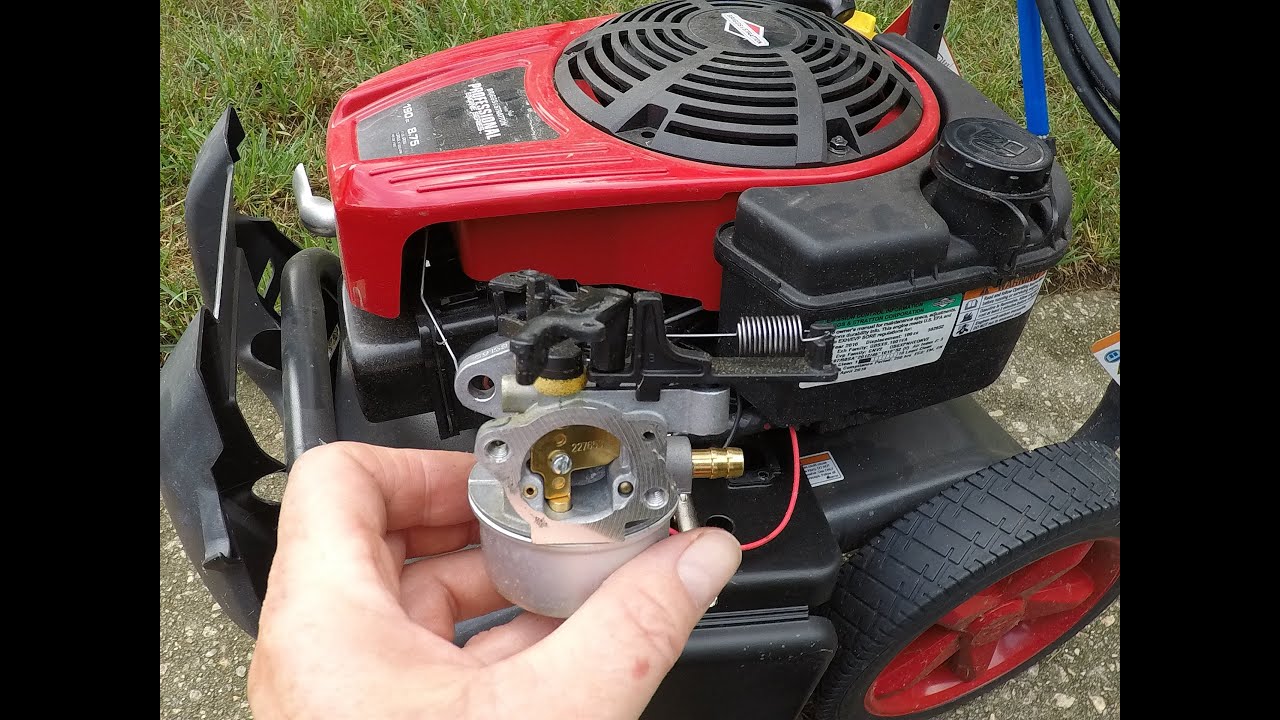
Confirm Spark with a Tester
When a Ryobi gas pressure washer won’t start, with no sputter or ignition, first rule out ignition issues. Even if the engine looks unused, fuel degradation is often the real problem. Start by checking for spark:
- Turn the switch to “On”
- Remove the spark plug boot
- Attach a spark tester to the plug wire
- Crank the engine and observe
A bright blue spark means the ignition system works. If spark is present, the issue is in the fuel system, not the engine.
Check for Degraded Fuel
Modern gasoline, especially ethanol-blended fuel, degrades in as little as 30 days. Old fuel absorbs moisture, forms varnish, and clogs the carburetor. Smell the fuel in the tank. If it smells sour or like nail polish remover, it’s stale. Even if you’ve added fresh fuel, old fuel at the bottom of the tank can still flow into the carburetor and cause failure.
Inspect the Carburetor Bowl
To confirm contamination:
- Place a container under the carburetor
- Use a 10mm wrench to remove the bowl nut
- Drain the fuel into the container
If the fuel is yellowish, fluorescent, or sticky, and the bowl contains rust or sludge, the carburetor is contaminated. Cleaning won’t fix severe varnish buildup. Replacement is required in this case.
Replace the Carburetor
A compatible Honda-style carburetor, common in Ryobi gas models, costs around $30 and includes gaskets. Installation is straightforward:
- Disconnect the fuel line from the old carburetor
- Remove mounting bolts securing it in place
- Swap the old unit for the new one
- Reconnect fuel line and linkages carefully
After replacement, the engine should start easily. Use ethanol-free fuel to prevent future issues.
Resolve No-Power Issues
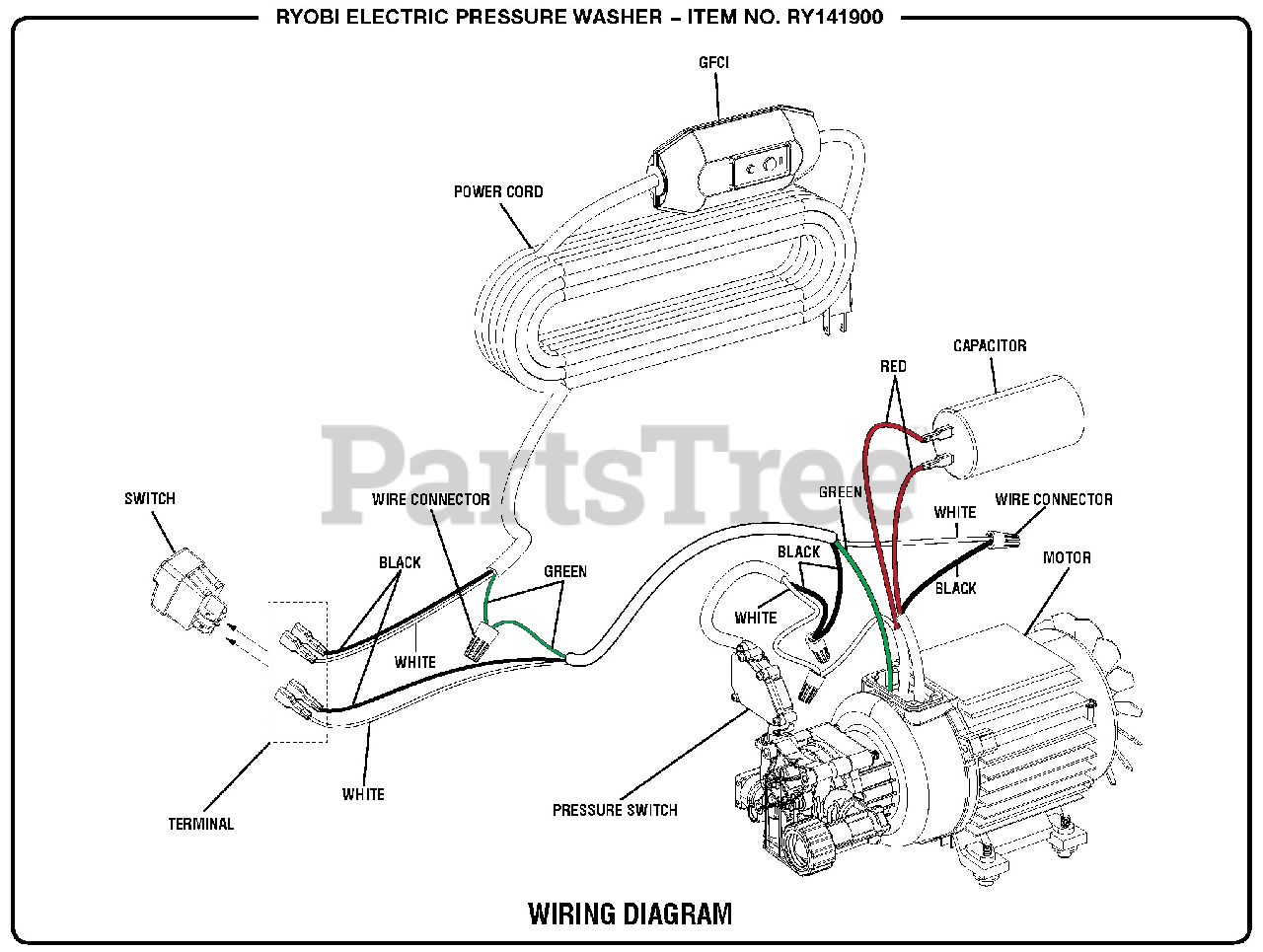
Test the GFCI Outlet First
If your Ryobi electric washer won’t turn on, the most common cause is a failed GFCI outlet. These safety outlets cut power during ground faults but can fail silently. Even if the outlet looks fine, a missing green LED indicator means it’s not passing electricity.
To test the outlet:
– Plug the washer into a known working outlet
– Or, use a lamp or phone charger to verify the GFCI is live
If the outlet has no power, replace it before touching anything else.
Replace a Faulty GFCI Outlet
Follow these steps:
- Turn off the breaker at the panel
- Remove the outlet cover using a screwdriver
- Unscrew the cord relief mounting screws
- Disconnect wires – note their positions carefully
- Install a new GFCI outlet, available for about $20
- Reconnect wires in the same configuration
- Restore power and test the washer
After replacement, test the washer. Most no-power issues are resolved at this stage.
Check for Motor Short Circuit
If the GFCI trips when you press the power switch, the motor is likely shorted. Symptoms include:
– Green light goes out instantly
– No hum or vibration from the motor
– Repeated tripping of the GFCI
In this case, motor replacement is rarely cost-effective. The unit should be replaced unless other components are salvageable.
Inspect the Internal Power Switch
If the GFCI light stays on but the washer still won’t start:
- Remove all screws around the water tank
- Lift the cover carefully to access internals
- Locate the power switch beneath the tank
Check for loose wires or a broken switch. Replace if damaged. While inside, clean the pressure washer valve. Debris here can cause flow issues and prevent startup.
Compare Electric vs. Gas Issues
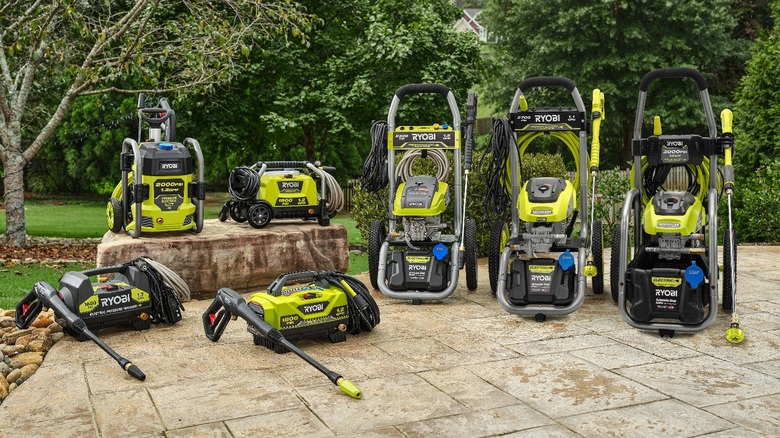
Common Problems by Type
Electric Models fail most often due to:
– GFCI outlet failure – silent and easily overlooked
– Clogged trigger orifice – leads to sudden shutdowns
– Sticking unloader valve – causes cycling and pressure loss
Gas Models typically fail from:
– Degraded fuel – clogs the carburetor in weeks
– No spark – due to faulty plugs or wires
– Pump damage – from corrosion or improper storage
While electric units suffer electrical and flow issues, gas models are more vulnerable to fuel system failures, even with minimal use.
Shared Maintenance Needs
Both types benefit from:
– Flushing after each use
– Draining before storage
– Regular inspection of filters and hoses
Neglecting these steps leads to preventable failures, especially after winter or long storage periods.
Prevent Future Failures
Flush and Drain After Every Use
Always:
– Run clean water through the system for 30 seconds after use
– Disconnect all hoses and drain completely
– Store upright in a dry place
This prevents mineral buildup in electric models and fuel residue in gas units.
Use Ethanol-Free Fuel for Gas Models
Ethanol in gasoline absorbs moisture, leading to:
– Carburetor varnish that clogs jets
– Rubber seal degradation in fuel lines
– Corrosion in metal components
Use ethanol-free fuel when possible, or add a fuel stabilizer if storing for more than 30 days.
Inspect Components Every 3 to 6 Months
Check:
– Inlet filter for debris
– High-pressure hose for kinks or cracks
– Spray wand and nozzle for clogs
– GFCI outlet functionality
– Unloader valve operation
Early detection prevents major breakdowns down the road.
Store Properly for Long-Term
Electric models:
– Flush and drain completely
– Store with trigger pulled to relieve spring tension
Gas models:
– Drain all fuel or run the engine dry
– Change oil if near service interval
– Disconnect spark plug to prevent moisture buildup
Proper storage doubles the lifespan of your pressure washer.
Frequently Asked Questions About Ryobi Pressure Washer Troubleshooting
Why does my Ryobi pressure washer shut off after a few seconds?
A blocked trigger handle orifice is the most common cause. This tiny opening, less than 1mm wide, clogs with sediment and mineral buildup. When blocked, pressure builds and triggers the safety shutoff. Replace the trigger handle assembly for about $20 to fix it permanently.
How do I know if my Ryobi pressure washer GFCI outlet is bad?
Check for the green LED indicator light on the outlet. If it’s off, the outlet isn’t passing power. Test by plugging in a lamp or phone charger. If nothing works, replace the GFCI outlet. This is a common failure point that’s easy to fix.
Why won’t my gas Ryobi pressure washer start?
The most likely cause is degraded fuel. Modern gasoline lasts only about 30 days before it starts breaking down. Old fuel clogs the carburetor with varnish and debris. Check for spark first, then inspect the carburetor bowl for discolored or sticky fuel. Replacement carburetors cost around $30.
Can I clean a clogged trigger handle instead of replacing it?
Cleaning rarely works. The orifice is too small for effective access, and hardened mineral deposits resist cleaning attempts. Even if you clear it temporarily, the blockage often returns quickly. Replacement is faster, cheaper, and more reliable.
How much does it cost to repair a Ryobi pressure washer?
Most common repairs are inexpensive. Trigger handle assemblies cost under $20, GFCI outlets around $20, and carburetors about $30. Even a full gas model repair with a new pump and carburetor runs about $150, compared to $450 for a new unit.
What maintenance prevents Ryobi pressure washer problems?
Flush the system with clean water for 30 seconds after each use. Drain completely before storage. Use ethanol-free fuel in gas models. Inspect filters, hoses, and valves every 3 to 6 months. These simple steps prevent most common failures.
Key Takeaways for Fixing Your Ryobi Pressure Washer
Most Ryobi pressure washer issues aren’t catastrophic. They’re solvable with basic troubleshooting and inexpensive parts. Whether it’s a $20 trigger handle, a $20 GFCI outlet, or a $30 carburetor, repairs are often far cheaper than replacement. By understanding the real cause, whether clogs, electrical faults, or stale fuel, you can fix the problem fast and keep your washer running for years.
Start with the simplest fixes first. Check the GFCI outlet before opening anything. Test without the high-pressure hose to isolate the problem. Smell the fuel in gas models before replacing parts. These quick diagnostic steps save time and money.
Don’t underestimate the power of proper maintenance. Flushing after each use, draining before storage, and using the right fuel prevent most common failures. A few minutes of care after each use keeps your Ryobi pressure washer performing like new for years.