
How to Choose a Washing Machine: Quick Guide
Choosing the right washing machine can feel overwhelming with dozens of models, features, and price points to consider. The best machine is not necessarily the most expensive one, but rather the one that fits your space, laundry habits, household size, and budget. Whether you are replacing an old washer or setting up laundry for the first time, understanding the key differences between types, capacities, efficiency ratings, and features will save you time, money, and frustration in the long run.
This guide uses real-world data and performance benchmarks to help you make a confident, informed decision. You will learn which washer type cleans best, how much capacity you actually need, and which features are worth paying for so you can avoid costly mistakes and choose a washer that lasts 10 to 15 years.
Front-Load vs Top-Load Washers: Key Differences
:max_bytes(150000):strip_icc()/top-load-washer-vs-front-load-2145868-v5-6606d79a51e446be957069689296fc44.png)
The first major decision you will face is choosing between a front-load or top-load washer. Each type has distinct strengths and trade-offs in cleaning performance, efficiency, and everyday usability.
Front-Load Washers: Best for Efficiency
Front-load washers use a horizontal drum that tumbles clothes through the water, using significantly less water and energy than top-loaders. They consistently outperform in cleaning, water efficiency, and fabric care.
Front-loaders are ideal for households prioritizing cleaning power, energy savings, and space efficiency. They offer capacities up to 5.8 cubic feet, suitable for large families or bulky items like comforters. These machines use 30 to 50 percent less water than top-loaders and spin at 1,200 to 1,600 RPM, extracting more moisture and reducing drying time. Front-loaders can be stacked with a dryer to save floor space and fit neatly under countertops.
One drawback is that most front-loaders do not allow mid-cycle access unless they include an Add Item function. The door seal can trap moisture, leading to mold and odors. You can prevent this by leaving the door slightly ajar after each use.
Top-Load Agitator Washers: Budget-Friendly and Fast
Traditional top-load washers use a central post called an agitator to twist clothes through the water. These models are faster and cheaper but tend to be harder on fabrics.
Agitator washers work well for budget buyers, users with mobility issues who prefer not to bend over, or homes with solar hot water systems. Wash times can be as fast as 35 minutes, and you can open the lid mid-cycle to add forgotten items. However, these machines use double the water of front-loaders, and the agitator can tangle and stretch delicate clothing.
HE Top-Load Washers: Best of Both Worlds
High-efficiency top-loaders replace the agitator with a low-profile impeller, offering better efficiency and larger capacity while remaining gentler on clothes than traditional agitator models.
These machines provide larger capacity up to 5.5 cubic feet and maintain mid-cycle access through the lid opening. However, they still use more water than front-loaders, and some users report socks getting stuck under the impeller.
Choosing the Right Drum Capacity for Your Household
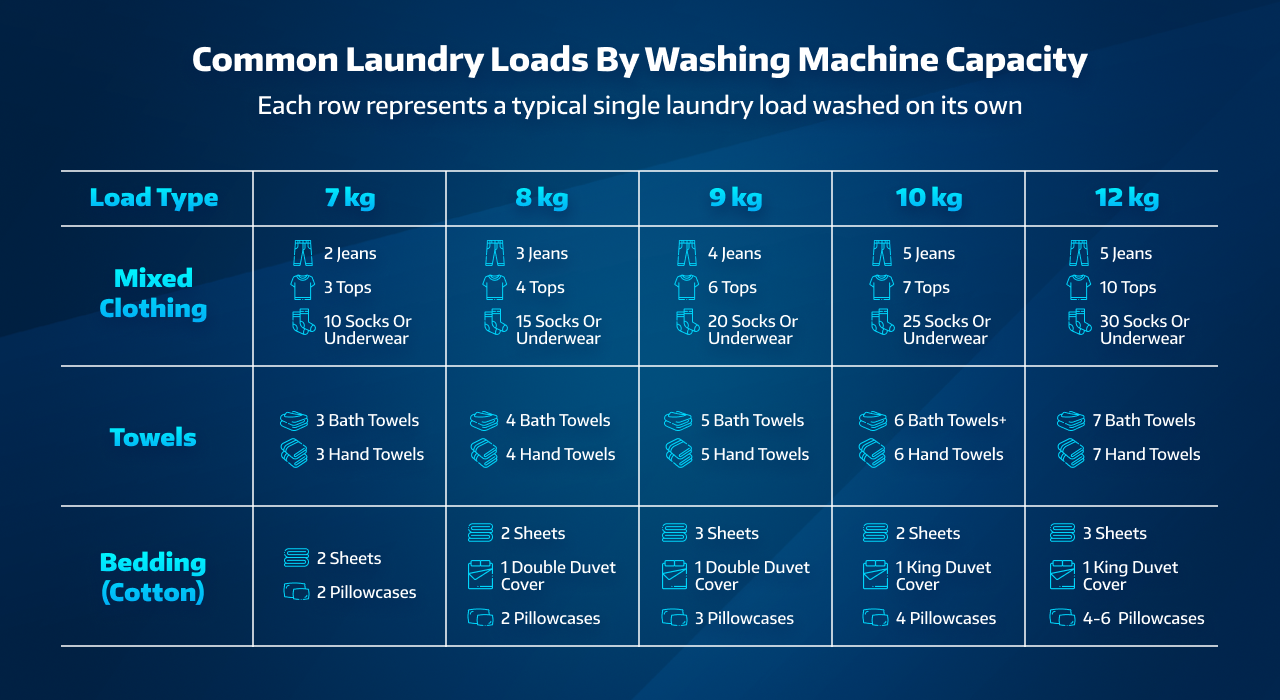
Selecting the correct drum size prevents overloading, reduces wear on your machine, and saves water and energy. Capacity is measured in cubic feet or kilograms of dry laundry.
Capacity Recommendations by Household Size
For 1 to 2 people, a capacity of 4.0 to 5.0 cubic feet or 6 to 8 kilograms works well. For 3 to 4 people, aim for 4.5 to 5.0 cubic feet or 9 to 10 kilograms to handle bedding and reduce weekly cycles. For households of 5 or more, choose 5.0 cubic feet or 12 to 20 kilograms to wash king-sized comforters and large loads efficiently.
A critical insight from consumer data shows that most people wash only about 3.5 kilograms per load regardless of machine size. Over-sizing leads to unnecessary water and energy waste unless you regularly wash bulky items.
For king-sized comforters, you need 9 kilograms or 4.5 cubic feet capacity or higher. Outdoor gear, pet beds, and towels benefit from high-capacity models of 8 kilograms or more.
Energy and Water Efficiency: What to Look For
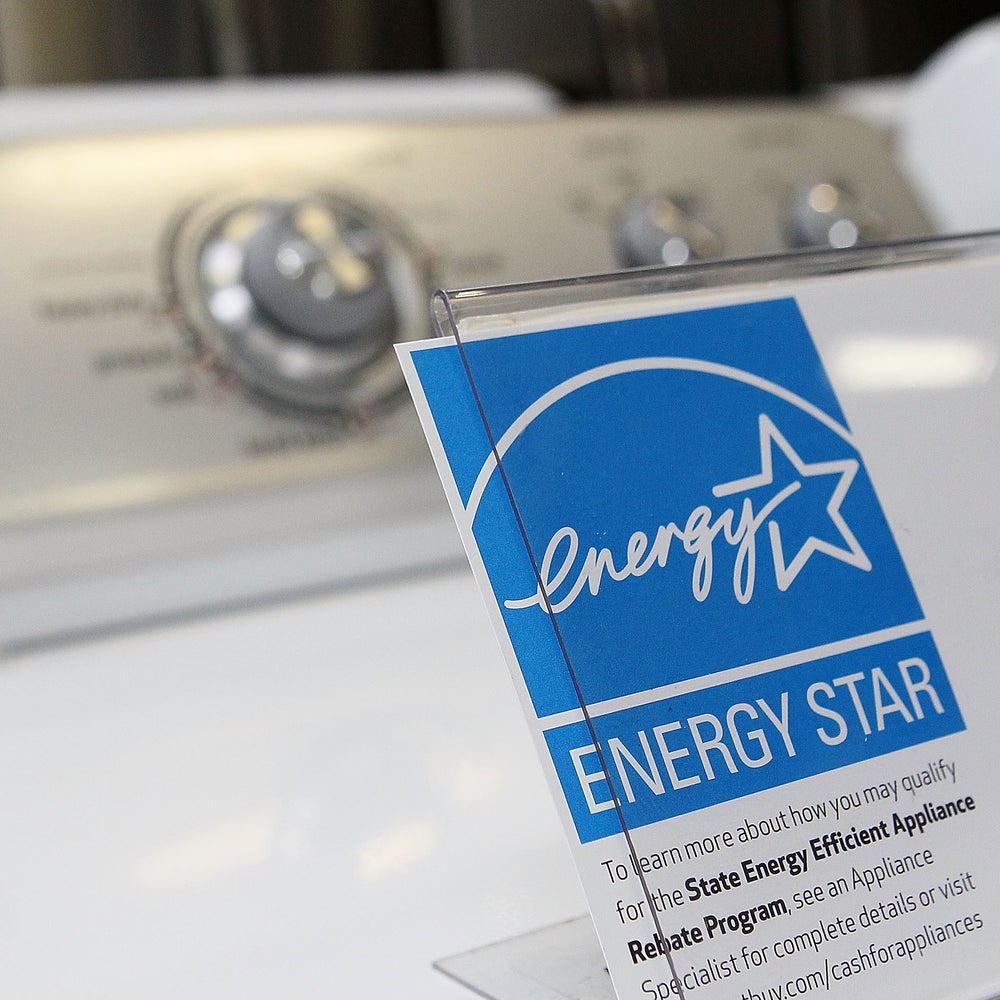
Efficiency lowers your utility bills and environmental impact, especially important over a machine lifespan of 10 to 12 years.
Energy Star Certification
Always look for Energy Star certification. These models use 25 percent less energy and 33 percent less water than non-certified units. They include smart sensors, optimized rinse cycles, and load detection features that pay off over time.
Reading Efficiency Labels
The Energy Rating Label shows kWh per year, where lower is better. The Water Rating Label displays liters per cycle, where fewer liters indicates better efficiency. Always compare annual operating costs rather than just purchase price.
One important note is that star ratings are only comparable within the same capacity class. A larger machine may have more stars but still use more total energy annually.
Efficiency Comparison by Type
Front-loaders use 30 to 50 percent less water than top-loaders and are 20 to 30 percent more energy efficient. HE top-loaders perform better than agitator models but worse than front-loaders. Agitator top-loaders have the highest water and energy consumption. Washer-dryer combos have high water and energy use, especially during the drying phase.
Measuring Your Space and Installation Requirements
Even the best washer will not work if it does not fit your space. Taking accurate measurements before you shop prevents costly mistakes.
Standard Dimensions
Front-loaders measure approximately 24 inches wide and 33.5 inches high, fitting standard kitchen cabinets. Top-loaders measure approximately 22 inches wide and 37 to 42 inches high, requiring clearance above for lid opening. Washer-dryer combos measure approximately 24 inches wide and are stackable without needing a vent.
Minimum Clearance Requirements
You need 6 inches behind the machine for hoses and drainage. Leave 1 inch between the washer and dryer. Allow 30 inches or more in front for door swing.
Consider placement options including stacking front-loaders with a dryer using a stacking kit, installing front-loaders under countertops, using pre-stacked wash towers with unified controls, or choosing quiet models for open-plan living areas.
Measure doorways and hallways before purchase since compact units can be difficult to move through narrow spaces.
Essential Features Worth Paying For
Not all features justify the extra cost. Focus on practical, high-impact features that improve everyday use.
Must-Have Features
Auto-sensing water level adjusts water to load size, saving water and energy. Selectable spin speed lets you choose 1,200 to 1,600 RPM for faster drying or lower speeds for delicates. Fast or quick wash provides a 15 to 30 minute cycle for lightly soiled loads, perfect for small households. Extra rinse option removes detergent residue, ideal for sensitive skin or HE detergent users. Out-of-balance correction redistributes the load during spin to prevent vibration, common in front-loaders. Delay start timer lets you schedule washes during off-peak hours to save on electricity. Child lock prevents accidental changes, essential if you have young children.
Optional Features That Add Value
Some features enhance your laundry experience without being essential.
Steam cleaning sanitizes clothes, removes odors, and reduces wrinkles, great for baby clothes, gym wear, or allergy sufferers. Anti-crease function tumbles clothes after the cycle ends to prevent wrinkles, reducing ironing time. Favourite or custom program stores your go-to settings, saving time if you wash the same way often. Lint filters in top-loaders or drain pump traps in front-loaders should be cleaned every 3 to 6 months.
Features That Are Not Worth the Cost
Wi-Fi and app control sounds convenient but you still need to load and unload manually, and the feature is rarely used in practice. Automatic detergent dosing holds several months of detergent but adds cost and may require proprietary cartridges. Programs with 15 or more wash settings are often redundant with cycles like jeans or synthetics that you will never use.
Noise Levels and Vibration Considerations
Noise matters if your laundry area is near living spaces or bedrooms.
Front-loaders tend to be louder during spin, ranging from 65 to 80 decibels, due to high RPM speeds. Top-loaders are quieter during the wash phase but may vibrate if the load is unbalanced. Look for models under 75 decibels during spin.
Direct-drive motors used by LG and Miele have fewer moving parts, resulting in less noise and vibration. Anti-vibration systems stabilize the drum during high-speed spins. Sound insulation used in premium brands like Bosch and Miele further reduces noise.
You can also use anti-vibration pads or install the machine in a closet to dampen sound.
Brand Reliability and Performance Data

A washing machine should last 10 to 12 years with proper care. Choosing brands with proven durability protects your investment.
Reliability Scores
Bosch scores 90 percent for reliability. LG scores 88 percent. Samsung scores 87 percent. Miele scores 86 percent.
Performance Testing Results
Among front-loaders, Miele achieves an average test score of 74 percent, LG scores 73 percent, Bosch scores 74 percent, and Samsung scores 74 percent. Among top-loaders, LG leads with an average test score of 69 percent.
LG performs well in both reliability and top-loader performance. Miele is the top performer in cleaning tests.
Maintenance Tips to Extend Your Washer’s Life
Proper care prevents mold, odors, and breakdowns, ensuring your machine lasts its full lifespan.
Monthly Cleaning Routine
Run an empty hot cycle with 2 cups of white vinegar or a bleach alternative monthly. Clean the detergent drawer, drum, and door seal for front-loaders. Check the drain pump filter every 3 to 6 months for coins, lint, and debris.
Preventing Mold and Odors
Leave the door and detergent drawer open after use to allow moisture to escape. Some models like GE include automatic vent systems that dry the drum after each cycle.
Use HE detergent only for front-load and HE top-load machines, and avoid overfilling which causes excess suds and residue buildup.
Final Checklist for Choosing Your Washer
Use this step-by-step framework to make your final decision.
First, measure your space including width, height, depth, door swing, and clearance requirements. Second, determine capacity needs based on household size and laundry frequency. Third, choose your type, with front-load offering best cleaning and efficiency, top-load providing faster cycles and easier access, or combo only if space is extremely tight. Fourth, prioritize key features including auto-sensing, spin speed, extra rinse, delay start, and child lock. Fifth, compare efficiency using Energy Star, energy and water labels, and annual operating cost. Sixth, check brand reliability by referring to consumer surveys and verified reviews. Seventh, plan installation by confirming plumbing, power, and stacking needs. Eighth, budget for total cost including purchase price, energy, water, and maintenance over 10 or more years.
Frequently Asked Questions About Choosing a Washing Machine
What is the main difference between front-load and top-load washers?
Front-load washers tumble clothes through water using less water and energy, offering superior cleaning performance and fabric care. Top-load washers use an agitator or impeller to move clothes through water, providing faster wash cycles and easier mid-cycle access but using more water and being harder on fabrics.
How do I know what capacity washing machine I need?
Match capacity to your household size, with 1 to 2 people needing 4.0 to 5.0 cubic feet, 3 to 4 people needing 4.5 to 5.0 cubic feet, and 5 or more people needing 5.0 cubic feet or more. Consider whether you regularly wash bulky items like comforters or pet beds, which require larger capacity.
Are Energy Star washing machines worth the extra cost?
Yes, Energy Star certified machines use 25 percent less energy and 33 percent less water than non-certified models. Over a 10 to 12 year lifespan, the energy and water savings typically exceed the higher purchase price, making them a smart long-term investment.
Which washing machine brand is most reliable?
Based on consumer surveys, Bosch leads with 90 percent reliability, followed by LG at 88 percent, Samsung at 87 percent, and Miele at 86 percent. LG also performs well in both front-load and top-load categories for cleaning performance.
Can I wash shoes in my washing machine?
Yes, you can wash shoes made of cotton, canvas, polyester, or nylon. Remove laces and insoles, place shoes in a closed mesh laundry bag, use a gentle cycle with cold water and liquid detergent, and air dry only. Avoid washing leather, suede, satin, or shoes with glue or metal parts.
Key Takeaways for Finding Your Perfect Washing Machine
The best washing machine is not the most expensive or feature-packed model. It is the one that fits your specific situation, including your available space, household size, laundry habits, and budget. Front-load washers offer the best cleaning performance and efficiency but require more installation thought. Top-loaders provide faster cycles and easier access but use more water. High-efficiency top-loaders balance these trade-offs.
Investing time in measuring your space, understanding your actual laundry needs, and reviewing real performance data will pay off for a decade or more. A well-chosen washing machine can last 10 to 15 years, saving you money and hassle while keeping your clothes clean and fresh.