How to Clean Pavers Without Pressure Washer
Dirty pavers can make even the most beautiful patio look neglected. Algae creeps into shaded corners, oil drips leave dark spots on driveways, and years of foot traffic grind grime deep into the surface. Many homeowners assume a pressure washer is the only answer, but high-pressure water can actually erode joint sand, pit softer stones, and leave your outdoor space worse than before.
The good news is that learning how to clean pavers without a pressure washer is simpler than you think. With common household items like baking soda, vinegar, and soda crystals, you can restore your pavers to a like-new finish. This guide walks you through five proven methods, stain-specific treatments, and the maintenance habits that keep your patio looking fresh year after year.
Identify Your Paver Type Before You Start
Choosing the wrong cleaner can permanently damage your pavers. Spend a few minutes identifying your material first.
Concrete Pavers
Concrete resists most cleaners well but reacts poorly to acids. Vinegar used too often can slowly etch the surface, leaving it dull and rough.
Natural Stone and Flagstone
Stone porosity varies widely between limestone and granite. Always choose pH-neutral cleaners or oxygen bleach, and never apply vinegar or any acid-based product.
Brick Pavers
Brick needs a gentle touch because harsh scrubbing wears down mortar joints. Soft brushes and mild detergents deliver the best results without erosion.
Wood and Composite Surfaces
Wood absorbs moisture quickly and scratches easily. Use heavily diluted oxygen bleach and a soft cloth, and never soak the surface.
Always Test First
Apply your chosen solution to a hidden corner. Wait 30 minutes, rinse, and inspect for any color change or surface damage before treating the full area.
Gather Your Cleaning Supplies
Most of what you need is probably already in your kitchen or garage.
Tools You Will Need
- Stiff-bristled broom or deck brush
- Bucket
- Garden hose with adjustable spray nozzle
- Scrub sponge or non-scratch pad
- Trowel or weeding tool
- Spray bottle or garden sprayer
Safe Cleaning Agents
- White vinegar for natural disinfecting
- Baking soda to lift oil and grease
- Soda crystals (sodium carbonate) for deep degreasing
- Oxygen bleach to kill mold and algae
- Mild dish soap in small amounts for extra power
- Water as the base for every rinse
Protective Gear
- Rubber gloves
- Safety goggles, especially when scrubbing or spraying solutions
Clear Weeds and Debris First
Loose dirt and weeds get in the way of cleaning and can scratch pavers during scrubbing.
Sweep the Entire Area
Use a stiff broom to clear leaves, dust, and sand from the joints. A leaf blower speeds things up for larger patios.
Pull Weeds by the Root
Slide a trowel or old screwdriver into the joints and pry out weeds along with their roots. This avoids herbicides and keeps your yard safe for pets.
Rake Out Excess Joint Sand
If sand has spilled over the surface, gently rake it back into the joints. Avoid metal tools that could chip paver edges.
Deep Clean with Soda Crystals
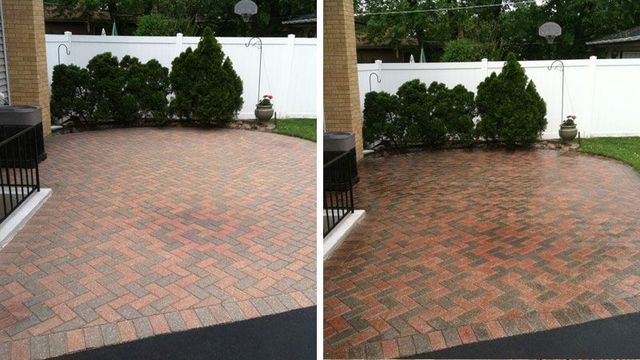
This eco-friendly method delivers powerful results without fumes or toxic runoff.
Mix the Solution
Sprinkle soda crystals evenly across dry pavers. Add just a few drops of dish soap per square foot to boost grease-cutting power.
Scrub Every Section
Work the mixture into the surface with a stiff brush. Focus on high-traffic zones, under furniture, and near planters where grime collects.
Let It Sit for Several Hours
Allow the solution to dwell for 4 to 6 hours, or overnight for the best results. Longer dwell times break down oils and organic matter more effectively.
Rinse Completely
Use a garden hose on a wide-spray setting to flush away all residue. Make sure no powder or soap remains, especially in the joints.
Target Specific Stains with the Right Solution
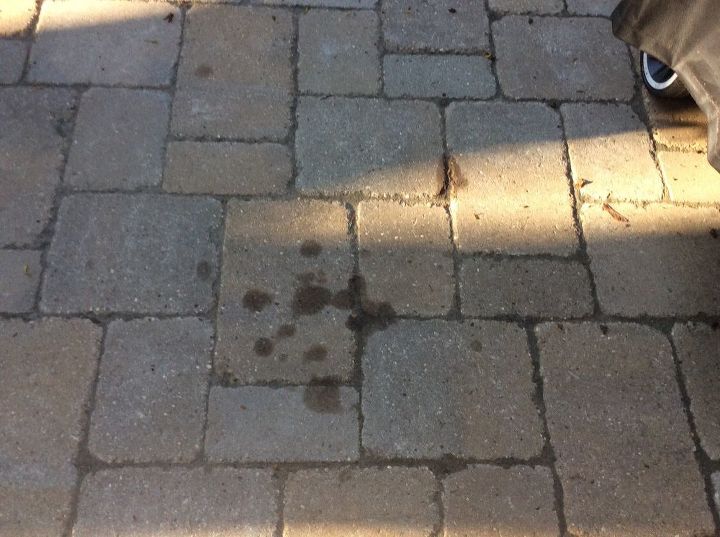
Different stains need different treatments. Matching the method to the mess gives you the best results.
Oil and Grease Spots
Baking soda pulls oil out of porous surfaces without leaving its own stain.
Make a Thick Paste
Combine baking soda with a small amount of water until it forms a paste. Spread it directly over the stain.
Wait and Scrub
Let the paste sit for 30 minutes, then scrub with a stiff brush and rinse thoroughly. Repeat for stubborn spots.
Mildew and Mold
Shaded, damp areas often develop dark biological growth. Oxygen bleach handles this safely.
Mix the Solution
Combine 1 part oxygen bleach with 10 parts water in a spray bottle or garden sprayer.
Apply and Let It Dwell
Spray evenly over affected areas and wait 2 to 4 hours. Avoid scrubbing right away so the solution can fully break down the growth.
Rinse Gently
Use low-pressure water to rinse. Light brushing helps with stubborn patches.
Algae Growth
Green, slippery films thrive where water pools. Oxygen bleach works well here too.
Spray the Full Area
Use the same 1:10 oxygen bleach ratio and cover the entire algae-covered zone.
Wait Before Rinsing
Allow at least 3 hours of dwell time. Longer waits improve results.
Improve Drainage Afterward
Adjust landscaping or grading to reduce standing water and prevent algae from returning.
General Dirt and Grime
For everyday buildup, diluted vinegar works fast and effectively.
Mix and Apply
Combine 1 part white vinegar with 3 parts water for routine cleaning, or 1:1 for tougher spots. Spray on, scrub, and rinse.
Follow a Repeatable 5-Step Cleaning Routine
A consistent process delivers consistent results.
Step 1: Dry Sweep the Area
Remove all loose debris so cleaning agents can contact the surface directly.
Step 2: Pre-Treat Stains
Spot-treat oil, mold, or algae before general cleaning. Let the solutions dwell while you prepare the next step.
Step 3: Apply Your Main Cleaner
Choose based on your paver type and soil level. Use a sprayer or sprinkle evenly across the surface.
Step 4: Scrub in Small Sections
Work in 3×3 foot areas using straight back-and-forth strokes. Circular scrubbing leaves visible swirl marks.
Step 5: Rinse From the Highest Point
Start at the top and rinse downward so dirty water does not flow back over cleaned sections.
Avoid These Common Cleaning Mistakes
Even safe methods can backfire when misused.
Skip Chlorine Bleach Entirely
Chlorine fades paver color, kills nearby plants, and weakens concrete over time. Always reach for oxygen bleach instead.
Use Only a Few Drops of Soap
Excess dish soap leaves a filmy residue that attracts more dirt. A little goes a long way.
Never Use a Pressure Washer on Joint Sand
Even low-pressure settings can blast sand out of the joints. Stick with a standard garden hose and fan spray nozzle.
Avoid Acidic Cleaners on Sensitive Stone
Vinegar and muriatic acid damage limestone, marble, and sandstone. When in doubt, test first or use oxygen bleach.
Do Not Let Cleaners Dry on the Surface
Always rinse before solutions dry. Dried residues leave white streaks or etch the finish.
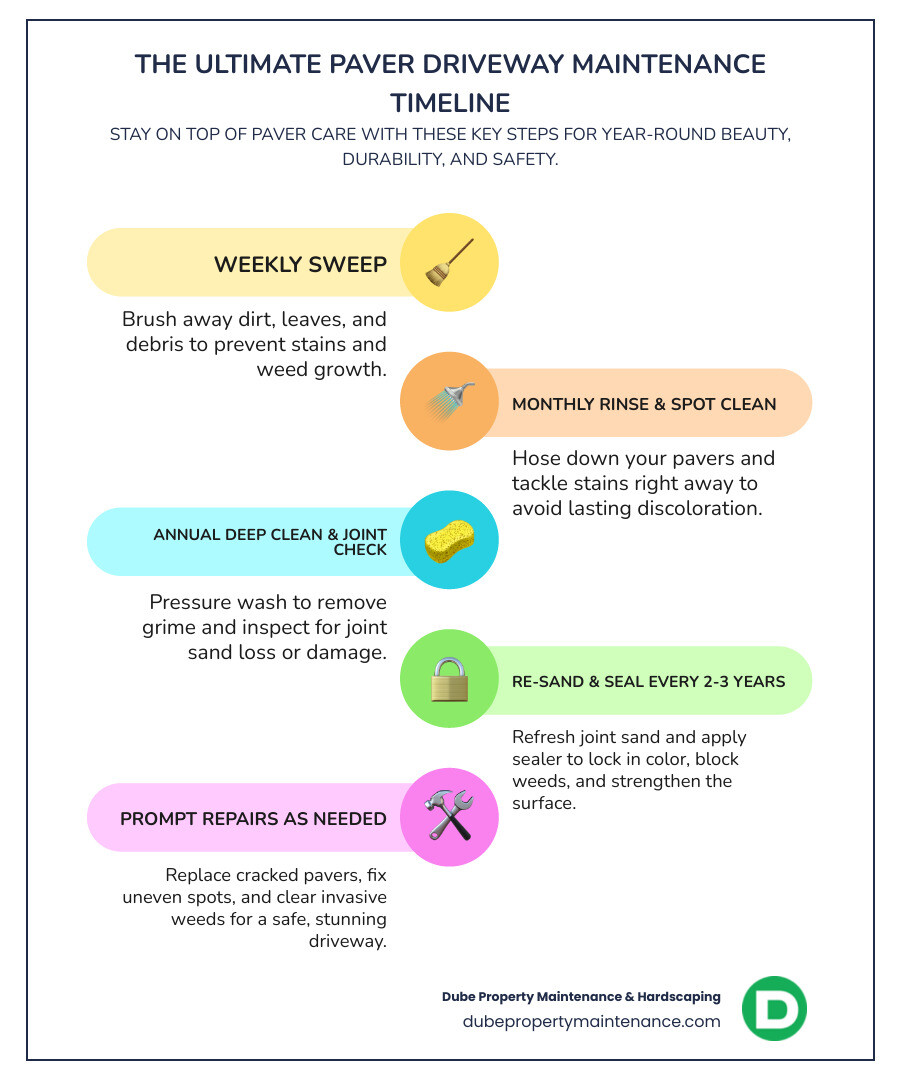
Maintain Your Pavers Year-Round
Regular light upkeep prevents the need for heavy deep cleaning every season.
Schedule Biannual Cleanings
A spring cleaning removes winter grime, while a fall cleaning clears leaves and prevents mold under debris.
Replenish Joint Sand When Needed
After cleaning, top off joints with polymeric sand to stabilize pavers and discourage weed growth.
Sweep Weekly
A quick weekly sweep prevents dirt buildup and keeps the surface looking fresh.
Trim Overhanging Plants
Branches drop sap, leaves, and excess moisture, all of which contribute to stains and algae growth.
Seal Pavers for Long-Term Protection

Sealing after cleaning locks in your results and extends the time between washes.
Choose the Right Sealer
Water-based acrylic sealers work well for concrete and pavers. Penetrating sealers protect natural stone without changing its appearance. Wood needs a UV-resistant sealant to prevent fading and warping.
Apply After Full Drying
Wait at least 24 to 48 hours after cleaning before sealing. Moisture trapped underneath causes bubbling and peeling.
Reapply Every 2 to 3 Years
Sealers wear down over time. Fresh applications maintain protection and enhance color.
Stay Safe While Cleaning
A few simple precautions protect you, your family, and your landscape.
Wear Protective Gear
Gloves and goggles prevent skin and eye irritation when handling soda crystals or oxygen bleach.
Keep Kids and Pets Away
Even natural cleaners can irritate paws and skin. Restrict access until the surface is completely dry.
Store Chemicals Safely
Keep all cleaning agents in their original labeled containers, out of reach of children and pets.
Follow Product Instructions
Commercial cleaners often have specific dilution ratios and dwell times. Always read the label before use.
Frequently Asked Questions About Cleaning Pavers Without a Pressure Washer
Can You Clean Pavers Without a Pressure Washer?
Yes. Baking soda, soda crystals, vinegar, and oxygen bleach all remove dirt, stains, and biological growth effectively. These methods are safer for joint sand, softer stones, and surrounding plants than high-pressure water.
What Is the Best Homemade Paver Cleaner?
Soda crystals mixed with a few drops of dish soap is the most versatile homemade option. It degreases, brightens, and works on concrete, brick, and most stone without leaving harmful residue.
Does Vinegar Damage Pavers?
Vinegar can etch concrete and natural stone when used too often or in concentrated form. Diluted vinegar (1 part vinegar to 3 parts water) is safer for occasional use, but oxygen bleach is a better choice for routine cleaning.
How Long Does It Take for Pavers to Dry After Cleaning?
Pavers typically dry within a few hours on sunny days. Shaded or humid areas may take 12 to 24 hours. Wait at least 24 to 48 hours before applying any sealer.
Is Oxygen Bleach Safe for Plants and Pets?
Oxygen bleach breaks down into water and oxygen, making it biodegradable and safe around gardens when used as directed. Avoid letting pets walk on wet treated surfaces until fully rinsed and dry.
How Often Should You Clean Outdoor Pavers?
Clean pavers at least once a year, ideally twice. High-traffic or shaded areas benefit from more frequent cleaning, especially in spring and fall.
Key Takeaways for Cleaning Pavers Without a Pressure Washer

Learning how to clean pavers without a pressure washer protects your surfaces, your landscape, and your wallet. Start by identifying your paver type and testing any cleaner on a hidden spot. Use soda crystals for deep cleaning, baking soda paste for oil stains, and oxygen bleach for mold and algae. Avoid chlorine bleach, excessive soap, and acidic cleaners on sensitive stone.
For the best long-term results, sweep weekly, clean twice a year, and seal every 2 to 3 years. Pick one small section of your patio, try the soda crystal method first, and watch the grime lift away without any high-pressure equipment.