How to Clean Sidewalk Without Pressure Washer
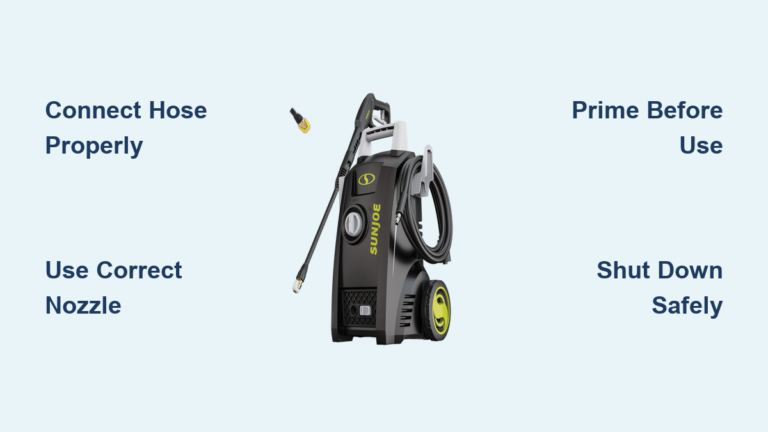
A stained, grimy sidewalk can drag down the look of your entire property. Many homeowners assume a pressure washer is the only real solution, but blasting porous concrete with high PSI water often causes etching, microfractures, and faster regrowth of algae and mold. The good news is that learning how to clean sidewalk without pressure washer is simple, affordable, and surprisingly effective when you use the right chemical solutions and manual tools.
This guide walks you through proven DIY methods, commercial product options, and step-by-step techniques tailored to specific stain types. You will discover which ingredients dissolve oil, kill algae, and lift mildew, plus how to protect nearby plants and avoid common mistakes that ruin results.
Pick the Best Cleaning Method for Your Stain

Before mixing any solution, identify what you are fighting. Oil spots, green algae, mildew, and general discoloration each respond best to different cleaners. Matching the right product to the stain saves time, reduces scrubbing effort, and protects your concrete from unnecessary wear.
Match Cleaner to Stain Type
Different contaminants require different chemistry, so choosing correctly makes all the difference.
- Mildew and general grime: White vinegar diluted with water in a 1:3 ratio
- Oil stains and light discoloration: Baking soda paste
- Grease and heavy oil: Dish soap such as Dawn mixed with warm water
- Algae and mold: Bleach solution at a 1:3 ratio with water, or 30 Seconds Outdoor Cleaner
- Stubborn spots: A scouring pad paired with vinegar or baking soda
- Light maintenance cleaning: Garden hose with a strong spray nozzle
Avoid Common Cleaning Mistakes
A few simple errors can cut your cleaning power in half.
- Working in direct sunlight causes solutions to evaporate before they break down grime
- Skipping dwell time prevents chemicals from penetrating concrete pores
- Under-saturating the surface leaves porous concrete dry in spots that need treatment
- Ignoring plant protection allows bleach runoff to kill nearby grass and flowers
Plan your cleaning for a cool, overcast day and prep protective coverings before you start.
Apply Vinegar Solution for Light Grime

White vinegar is a natural, budget-friendly option that handles everyday dirt and mildew on concrete. Its mild acidity breaks down organic buildup without harming the surface when properly diluted.
Mix and Apply the Vinegar Solution
Combine 1 part white vinegar with 3 parts water in a bucket or pump sprayer. Pour or spray the mixture directly onto the sidewalk, focusing on dark streaks and discolored patches. Let it sit for 15 to 20 minutes so the liquid can soak into the pores and loosen grime.
Pro Tip: If the concrete looks dry after a few minutes, reapply immediately. Porous surfaces absorb liquid fast, and saturation is essential for results.
Scrub and Rinse the Area
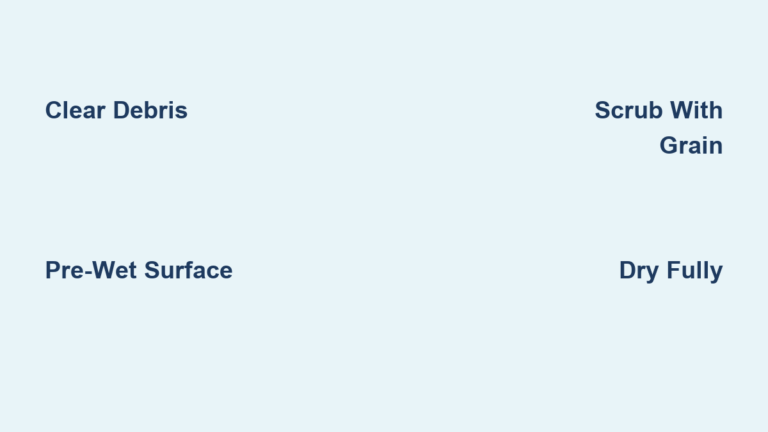
Work in small sections using a stiff-bristled brush to scrub the treated zones. This prevents the solution from drying out before you finish. Rinse thoroughly with a garden hose fitted with a strong spray nozzle, and repeat the process on any areas that still show buildup.
Warning: Never mix vinegar with bleach. The combination produces toxic fumes that are dangerous to breathe.
This method works best on newer concrete with light to moderate buildup.
Lift Oil Stains With Baking Soda Paste

Baking soda acts as a gentle abrasive and a natural neutralizer, making it ideal for pulling oil out of concrete and restoring faded color.
Prepare a Thick Cleaning Paste
Mix baking soda with a small amount of water until you reach a thick, toothpaste-like consistency. Spread the paste directly over oil spots, covering the entire stained area with an even layer.
Let It Dwell and Scrub
Allow the paste to sit for 30 minutes so it can draw oil up from the pores. Scrub vigorously with a stiff brush, then rinse completely with a garden hose. For deeply set stains, repeat the application once more.
Expert Note: Baking soda is non-toxic and safe for pets, children, and surrounding vegetation, making it a great eco-friendly choice.
Cut Through Grease Using Dish Soap

Grease from grills, driveways, and vehicles bonds tightly to concrete. A concentrated degreaser like Dawn dish soap breaks down this residue safely and effectively.
Soak the Area With Soapy Water
Mix 1 cup of Dawn dish soap into 1 gallon of warm water. Warm water helps the soap activate faster and penetrate deeper. Pour or spray the solution over the greasy zone and let it soak for 15 to 30 minutes.
Scrub and Rinse Thoroughly
Agitate the surface with a stiff-bristled brush to lift grease from the pores. Rinse with a garden hose, and repeat the soak-and-scrub process for any stubborn spots that remain.
Pro Tip: For larger grease patches, lay plastic wrap over the soapy area during dwell time. This prevents evaporation and keeps the solution working longer.
This approach works especially well near garage entrances and sidewalk edges that border driveways.
Kill Algae and Mold With Bleach
Green, slippery patches in shaded or damp spots usually signal algae or mold growth. A diluted bleach solution kills these organisms at the root and restores a clean appearance.
Mix a Safe Bleach Solution
Combine 1 part household bleach with 3 parts water in a plastic sprayer or bucket. Avoid metal containers since bleach can corrode them quickly.
Critical Safety Step: Cover nearby plants, grass, and flower beds with plastic sheeting or wet towels before applying. Bleach kills vegetation on contact.
Apply and Allow Dwell Time
Spray or pour the solution over affected areas and let it sit for 10 to 15 minutes. Avoid exceeding 15 minutes to prevent potential surface damage. You will notice green growth fading as the bleach takes effect.
Scrub and Rinse the Surface
Lightly scrub with a soft-bristle brush to remove dead organisms, then rinse thoroughly with a garden hose. Make sure all bleach residue washes away, especially near lawns and garden beds.
Warning: Always wear gloves and eye protection when handling bleach. Never combine it with vinegar or ammonia.
Use this method sparingly due to its environmental impact.
Try 30 Seconds Outdoor Cleaner for Best Results
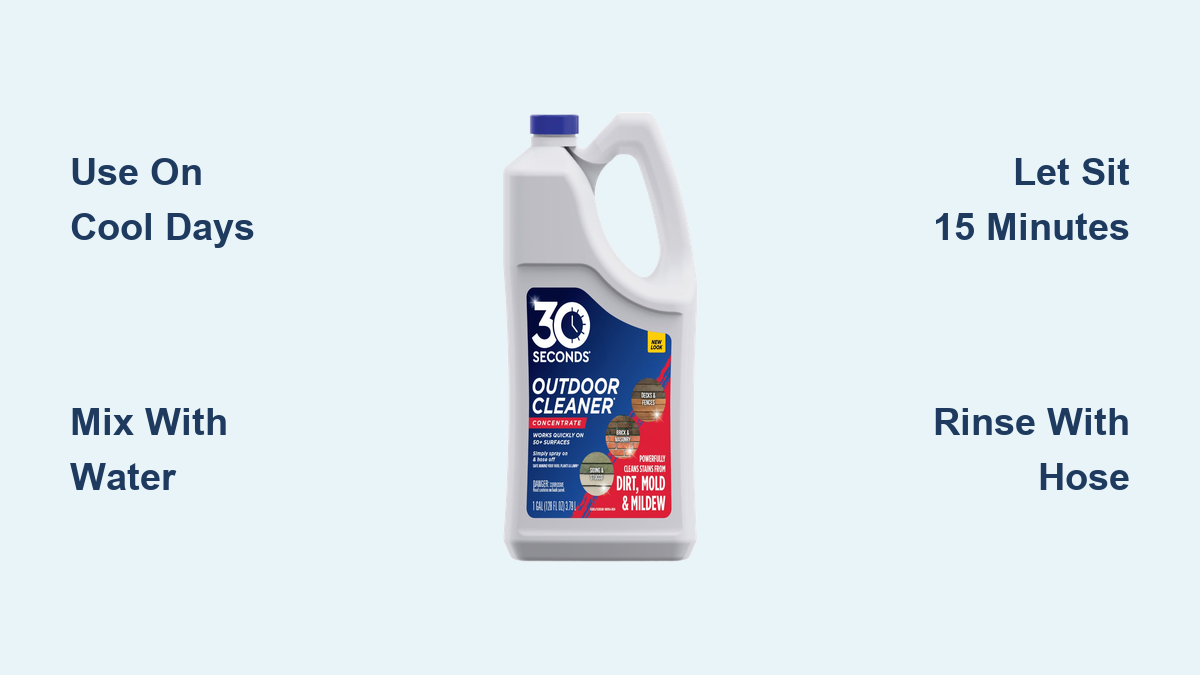
For a fast, powerful, and eco-friendly option, 30 Seconds Outdoor Cleaner delivers professional-level cleaning without a pressure washer. Its biodegradable formula is safe for concrete, vinyl, wood, and metal surfaces.
Apply on Cool, Overcast Days
Direct sunlight causes cleaners to dry too quickly and reduces their effectiveness. Choose a cloudy day or early morning when temperatures stay mild for best results.
Mix and Saturate the Surface
In a sprayer, combine equal parts 30 Seconds Outdoor Cleaner and water. Spray generously across the sidewalk until the solution visibly pools on the surface. This confirms full saturation on porous concrete.
Pro Tip: If the surface dries within 5 minutes, apply a second coat. Highly absorbent concrete often needs extra coverage for deep cleaning.
Let the Cleaner Work for 15 Minutes
Allow the solution to dwell for 15 minutes so it can break down algae, mold, dirt, and organic stains. For stubborn spots, gently agitate with a soft-bristle brush or spray additional cleaner on problem areas.
Rinse With a Standard Garden Hose
After the dwell time, rinse the entire surface with a regular garden hose. No high pressure is needed since the cleaner lifts grime so it washes away easily.
Eco Advantage: This biodegradable formula is safe for lawns, plants, and pets once rinsed, making it one of the best outdoor cleaners for routine maintenance.
Use Proper Tools for Manual Scrubbing
Even the best cleaning solution needs the right tools to deliver results. Manual scrubbing replaces pressure washer force with targeted mechanical action that protects your concrete.
Choose Stiff-Bristled Brushes for Tough Jobs
A stiff-bristled nylon or poly brush provides the scrubbing power needed for oil, grease, and set-in dirt. Pair it with vinegar, baking soda, or dish soap for maximum effectiveness.
Avoid wire brushes at all costs. They can scratch and damage concrete surfaces permanently.
Use Soft Brushes With Commercial Cleaners
When using 30 Seconds Outdoor Cleaner or similar products, a soft-bristle brush is sufficient. These cleaners do most of the heavy lifting, so gentle scrubbing is all that is needed.
Try Scouring Pads for Stubborn Spots
For small, heavily stained areas, a Scotch-Brite pad combined with baking soda or vinegar can remove residue that brushing misses. Apply gentle pressure to avoid surface abrasion.
Use a Strong Spray Nozzle on Your Hose
A garden hose fitted with a jet or turbo spray nozzle mimics low-pressure washing. It helps dislodge loosened debris and speeds up rinsing without damaging concrete.
Time Estimate: Manual cleaning typically takes 2 to 4 hours depending on sidewalk size and condition.
Protect Yourself and the Environment
Safety and environmental care matter when cleaning sidewalks with chemical solutions. A few precautions go a long way toward preventing injury and damage.
Wear Protective Gear
Always wear the following equipment when handling cleaners:
- Rubber gloves to protect skin from bleach, TSP, and strong degreasers
- Safety goggles to prevent splashes from reaching your eyes
- Closed-toe shoes to avoid slips and chemical contact
Shield Nearby Plants and Grass
Before applying bleach or strong cleaners, wet surrounding vegetation and cover it with plastic sheeting or old towels. Rinse plants immediately after cleaning to wash away any residual chemicals.
Choose Biodegradable Options
Whenever possible, select eco-friendly products such as:
- 30 Seconds Outdoor Cleaner
- Vinegar and baking soda combinations
- Plant-safe degreasers
These options break down naturally and protect soil and water systems from contamination.
Why Skipping the Pressure Washer Is the Smarter Choice
You might wonder why anyone would skip renting a pressure washer for faster results. The answer comes down to long-term surface health and cleaning effectiveness.
Avoid Concrete Damage
Pressure washers, especially those above 3,000 PSI, can etch the surface, create microfractures, and force water deep into pores. These issues accelerate mold regrowth and make your sidewalk dirtier faster over time.
Chemical Cleaning Penetrates Deeper
Solutions like vinegar, bleach, or 30 Seconds Outdoor Cleaner lift grime at the molecular level. They dissolve organic matter rather than blasting it away superficially, which means cleaner results that last longer.
Save Money and Reduce Effort
Skip equipment rentals, fuel costs, and the risk of injury from high-pressure recoil. All you need is a sprayer, brush, and hose, which most homeowners already own.
Frequently Asked Questions About Cleaning Sidewalks Without a Pressure Washer
What is the best homemade cleaner for a concrete sidewalk?
White vinegar mixed with water at a 1:3 ratio works well for mildew and general grime. Baking soda paste is the best homemade option for oil stains and light discoloration.
How long does it take to clean a sidewalk without a pressure washer?
Manual cleaning typically takes 2 to 4 hours depending on sidewalk size, stain severity, and weather conditions. Cool, overcast days allow solutions to work longer and improve results.
Can bleach damage concrete sidewalks?
Bleach can damage concrete if left on the surface longer than 15 minutes or used at full strength. Always dilute bleach at a 1:3 ratio with water and rinse thoroughly after dwell time.
Is 30 Seconds Outdoor Cleaner safe for plants and pets?
Yes. 30 Seconds Outdoor Cleaner features a biodegradable formula that is safe for lawns, plants, and pets once rinsed. Always follow label directions and rinse vegetation after application.
Do I need a stiff brush to clean concrete without a pressure washer?
A stiff-bristled nylon or poly brush is essential for most cleaning methods. Avoid wire brushes, which can scratch and damage concrete surfaces. Soft-bristle brushes work well with commercial cleaners like 30 Seconds Outdoor Cleaner.
Will vinegar alone remove tough algae from concrete?
Vinegar helps with mildew and light grime but may not kill heavy algae growth. For stubborn algae and mold, use a 1:3 bleach solution or 30 Seconds Outdoor Cleaner for stronger results.
Key Takeaways for Cleaning Your Sidewalk Without a Pressure Washer
Learning how to clean sidewalk without pressure washer protects your concrete while delivering professional-quality results. The best approach starts with identifying your stain type, then matching the right solution, whether that is vinegar for mildew, baking soda for oil, dish soap for grease, or bleach for algae and mold. Allowing proper dwell time, using stiff-bristled brushes, and rinsing with a standard garden hose completes the process without expensive equipment.
For the easiest and most eco-friendly results, 30 Seconds Outdoor Cleaner stands out as the top choice. Its biodegradable formula lifts algae, mold, dirt, and oil with minimal scrubbing, and it is safe for surrounding plants and pets once rinsed. Pick up a bottle today, choose a cool overcast day, and transform your sidewalk into a clean, welcoming surface without the risks of pressure washing.