
How to Safely Clean Gutters With a Pressure Washer
Clogged gutters can quietly destroy a home. Water overflow seeps under shingles, rots fascia boards, and pools around foundations. Many homeowners dread the messy job of scooping debris by hand, which makes pressure washing an appealing alternative. When used correctly, a pressure washer clears wet sludge and compacted debris far faster than manual methods. The trick lies in matching the right attachment to the situation and following a sequence that protects both you and your home.
This guide walks you through the safest pressure washing techniques based on professional workflows. You will learn which attachments eliminate dangerous kickback, how to unclog stubborn downspouts without dismantling them, and when pressure washing actually creates more problems than it solves.
Assess Your Gutter Condition Before Pressuring
Firing up a pressure washer without inspection can damage siding, scatter debris across landscaping, or leave you stranded on a wobbly ladder. A quick evaluation saves time and prevents costly mistakes.
Match the Method to the Debris Type
Pressure washing works brilliantly on certain materials and fails miserably on others. Use these guidelines to decide:
- Wet, compacted sludge: Pressure washing excels here. The high force breaks up muck that scoops cannot penetrate.
- Dry leaves and twigs: Skip the pressure washer entirely. A leaf blower clears this material in minutes with zero mess.
- Mixed debris: Scoop the solid chunks first, then flush with moderate pressure if residue remains.
Evaluate Roof Pitch and Access
Your roof angle dictates whether you should walk on it, stay on a ladder, or work entirely from the ground.
- Roofs at 45 degrees or steeper: Never walk on these surfaces. Use a telescopic pole or a stabilized ladder setup.
- Low-pitch or flat roofs: Walking is safe with proper footwear. Leather roofing boots provide grip and waterproofing.
- Single-story homes: A 24-foot telescopic pole lets you reach most gutters without ever leaving the ground.
Survey the Surroundings
Before spraying, look down. Delicate plants, freshly painted siding, or clean patios can become collateral damage when high-pressure water blasts debris sideways. If the area below is sensitive, consider hand scooping or blowing instead.
Choose the Right Pressure Washer Setup
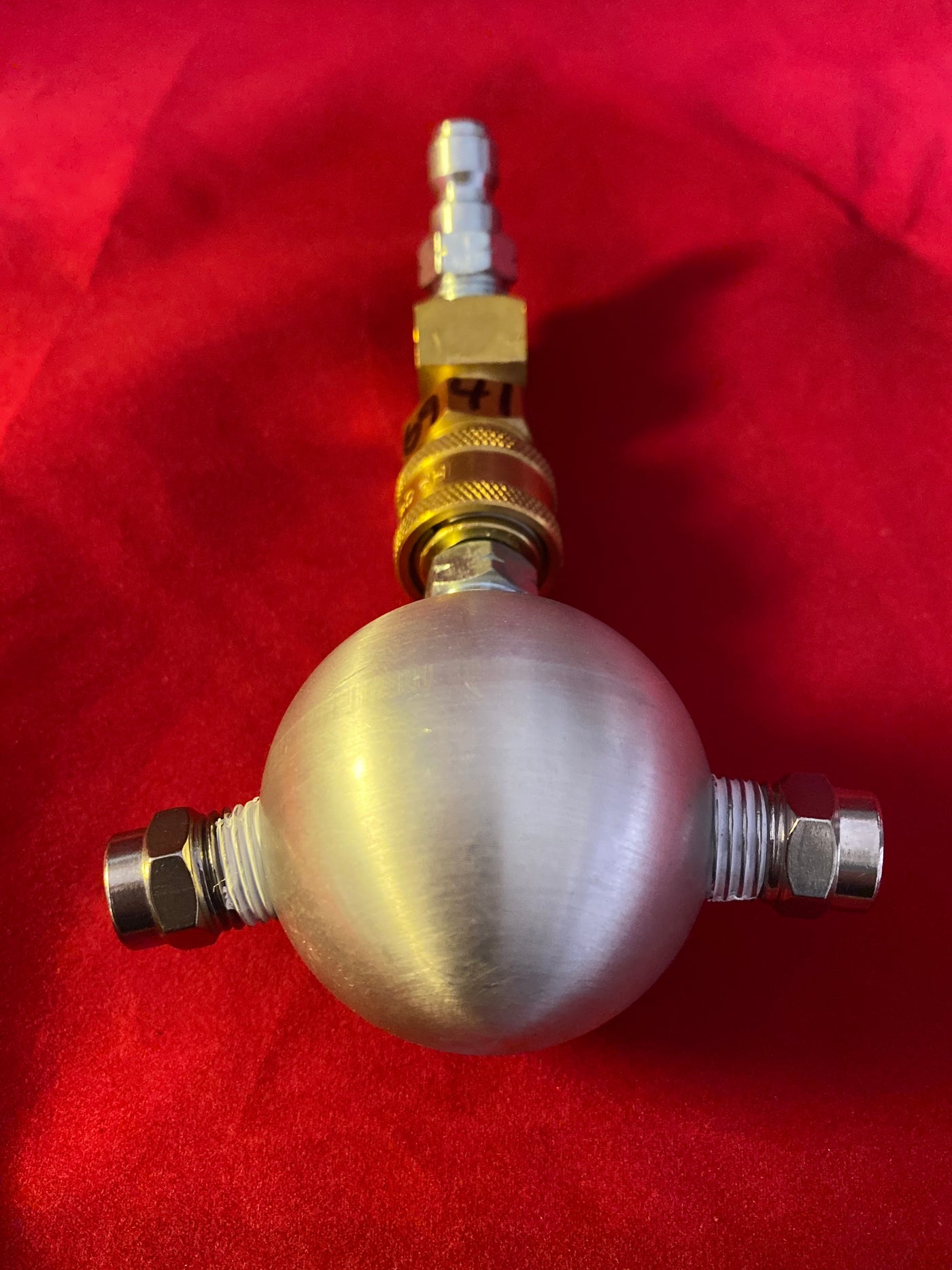
Using a standard nozzle from a ladder is one of the most dangerous mistakes in gutter cleaning. The backward force can throw you off balance in an instant. The correct attachments eliminate this risk.
Use a Gutter Ball Attachment for Recoil Control
The gutter ball is the single most important accessory for safe pressure washing. It features counter-rotating jets that neutralize backward thrust.
- How it works: Forward jets blast debris while opposing jets cancel out recoil.
- Why it matters: You can guide the wand steadily without straining your arms or risking ladder slips.
- Where to find it: Available from suppliers like PowerWash.com and major tool retailers.
Even with a gutter ball, debris still flies sideways. Always plan for cleanup afterward.
Extend Your Reach with Telescopic Poles or Noodles
Avoiding ladders entirely is the safest approach whenever possible.
- Telescopic poles: A 24-foot pole with a mounted pressure washer tip keeps you grounded for most single-story homes.
- Yellow extension tubes (“noodles”): Attach to your wand for extra length while maintaining control.
Standard wands without recoil control can bend or break telescopic poles under pressure. Always pair extensions with a counter-balanced nozzle.
Reserve Dual Turbo Nozzles for Full House Washes
Dual turbo nozzles blast in opposite directions, making them powerful but extremely messy.
- Best use case: During a full house wash, where siding gets cleaned immediately after.
- Avoid standalone use: They scatter debris over large areas, requiring extensive cleanup that negates any time savings.
Step-by-Step Safe Gutter Flushing Procedure

Following a clear sequence maximizes efficiency and minimizes damage. Rushing the process leads to clogged downspouts and dirty siding.
Clear Downspouts First
Blockages hide most often in downspout elbows. Address these vertical passages before flushing the horizontal channels.
- Attach a narrow jet nozzle or use a garden hose with a polybraid extension.
- Spray from the top down to push clogs through the system.
- Listen for free-flowing water. You will hear the difference when the blockage clears.
Visual cue: water should exit the bottom of the downspout within seconds of starting.
Flush Gutters with the Gutter Ball
Once downspouts are open, clean the main channel systematically.
- Position yourself securely on a stable ladder or use a telescopic pole.
- Aim the gutter ball forward, never toward the house, to avoid forcing water under shingles.
- Move from one end of the gutter toward the nearest downspout.
- Flush in short bursts to control debris spray.
Never overreach. Move the ladder every few feet to stay centered and balanced.
Recheck Downspouts After the Main Flush
The initial gutter flush often pushes new debris into downspouts. Repeat the downspout blast after cleaning the channel to confirm continuous water flow from top to ground.
Unclog Stubborn Downspouts with Three Proven Methods
When surface pressure fails, targeted techniques break through deep blockages.
Method 1: Garden Hose and Polybraid Hose
This DIY-friendly approach works for light to moderate clogs.
Tools needed:
– 5-foot polybraid hose
– Hose barb connector
– Quick-connect fitting
– Standard garden hose
Steps:
1. Assemble the polybraid hose with the connectors, leaving one end bare.
2. Turn on water to pressurize the line.
3. Insert the bare end into the top of the downspout.
4. Push downward. Water pressure helps drive the hose through the clog.
5. For lower blockages, feed from the bottom up, a technique called “reaming.”
Success sign: water flows freely and debris ejects at the blockage point.
Method 2: Drill Out Elbows for Severe Blockages
When jetting fails, mechanical access is the fastest path.
Tools needed:
– Cordless drill
– Small drill bit (1/8 inch)
– Replacement gutter screws
Steps:
1. Locate the clogged elbow, usually the first bend near the gutter.
2. Drill out the rivets holding the section together.
3. Remove the elbow and pull out debris by hand.
4. Reassemble using gutter screws instead of rivets for easier future access.
Replacing rivets with screws is a small upgrade that saves significant time during future cleanings.
Method 3: Professional Jetting for Deep Clogs
For solidified sludge or tree roots deep in downspouts, professional jetting delivers unmatched power.
Tools needed:
– 50-foot jetter hose
– Drain jetter nozzle with rear-facing jets
– Pressure washer with jetting capability
The nozzle’s rear jets pull the hose downward while front jets blast the clog apart. This is the most effective method for severe, deep-seated blockages in multi-story homes.
Prevent Damage to Your Home and Property
Pressure washing can harm siding, windows, and landscaping if done carelessly. These precautions protect your investment.
Avoid Water Intrusion
High-pressure water sneaks under shingles and behind siding when angled incorrectly.
- Always angle the spray away from the house structure.
- Never point the nozzle upward into the roofline.
- Use moderate pressure (1,500 to 2,000 PSI) on vinyl or aluminum gutters.
Contain the Mess
Pressure washing spreads debris. Plan for it before you start.
- Use “Catch and Cover” tarps under work zones to protect plants and walkways.
- Spray toward lawns rather than patios or gardens where cleanup is easier.
- If you are already washing the siding, timing the gutter flush beforehand makes sense.
Protect Landscaping
Falling debris and high-pressure runoff damage flowers and shrubs.
- Cover sensitive plants with breathable landscape fabric.
- Avoid spraying directly onto mulch beds or delicate foliage.
- Consider hand cleaning if landscaping is newly planted or high-value.
When Pressure Washing Is the Wrong Choice
Despite its speed, pressure washing is not always the best option. Recognizing these scenarios prevents unnecessary cleanup and potential damage.
Dry Leaves Only: Reach for a Blower
A leaf blower clears dry debris in minutes with zero mess.
- 99 percent effective on dry material.
- Mountable on a telescopic pole for ground-level use.
- No water, no splash, no post-cleanup required.
Customer Present or High Standards: Scoop Instead
Homeowners often prefer the “scoop and bag” method because it looks cleaner and more thorough.
- Removes debris directly into bags with nothing scattered.
- No risk to siding, windows, or paint.
- Preferred by professionals when presentation matters.
Pristine Siding or Fresh Paint: Skip the Pressure
Freshly painted or delicate surfaces suffer from stray spray.
- Even careful aiming leaves mist and debris on walls.
- Residual grime may require a full wash to fix.
- Safer alternative: hand scoop, then rinse with a garden hose.
Build a Professional Multi-Tool Workflow
Carrying multiple tools and matching them to the situation produces the best results. No single method works for every job.
Essential Tools by Situation
| Situation | Recommended Tool |
|---|---|
| Wet sludge in gutters | Pressure washer with gutter ball |
| Dry leaves | Leaf blower on telescopic pole |
| Mixed debris | Hand scoop plus garden hose flush |
| Clogged downspout | Polybraid hose or drain jetter |
| Steep roof access | Telescopic pole with blower or washer |
| Future maintenance | Gutter screws instead of rivets |
The Balanced Professional Sequence
Professionals use a workflow that balances speed and cleanliness:
- Scoop large debris into bags using an extendable gutter tool.
- Flush with a garden hose to check flow.
- Blow dry residue off walkways.
- Use the pressure washer only if sludge remains or downspouts stay clogged.
A full clean using this sequence takes one to two hours for a typical home.
Safety First: Avoid Falls and Injuries
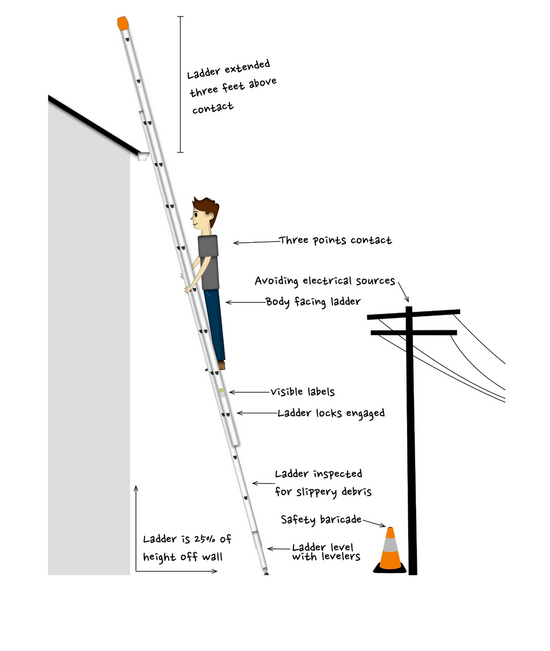
Most gutter accidents happen on ladders. Pressure washing adds kickback risk that compounds the danger. Mitigate both with these protocols.
Follow Ladder Safety Rules
- Use a stabilizer bar to prevent gutter damage and improve balance.
- Maintain three points of contact at all times.
- Never carry the pressure washer gun one-handed while climbing.
- Move the ladder every four feet instead of overreaching.
Wear Proper Protective Gear
- Slip-resistant shoes, or leather roofing boots if walking the roof.
- Safety goggles to shield eyes from flying debris.
- Gloves for grip and hand protection.
Never Work Alone on Heights
Have someone spot you, especially on steep roofs or tall ladders. They can call for help if you fall and hand up tools so you never climb with both hands full.
Maintain Gutters for Long-Term Performance
Cleaning is only half the battle. Smart maintenance prevents future clogs and extends gutter life.
Replace Rivets with Screws
After disassembling any downspout section, use screws instead of rivets.
- Allows quick access next time.
- Saves time and tools during future cleanings.
Install Gutter Guards Selectively
Not all guards perform equally.
- Mesh screens: Good for leaves but clog easily with pine needles.
- Foam inserts: Easy to install but degrade over time.
- Reverse curve hoods: Best for heavy pine areas but costly.
No guard eliminates cleaning entirely. They only reduce frequency.
Schedule Biannual Cleanings
The best times are late spring after tree seeds drop and early fall after leaves finish falling.
- Prevents ice dams in winter.
- Reduces strain on hangers and fascia boards.
Frequently Asked Questions About Pressure Washing Gutters
Is pressure washing gutters safe for all gutter materials?
Pressure washing is generally safe for vinyl and aluminum gutters when used at moderate pressure (1,500 to 2,000 PSI). Avoid high pressure on older or damaged gutters, which can crack or detach under force. Always angle the spray away from the house to prevent water intrusion under shingles.
Can I clean gutters with a pressure washer from the ground?
Yes, using a 24-foot telescopic pole with a gutter ball attachment lets you clean single-story gutters without climbing. This approach eliminates ladder fall risk and works well for routine maintenance. Multi-story homes typically require ladder access or professional equipment.
What is the best pressure washer attachment for gutters?
The gutter ball is the safest and most effective attachment. Its counter-rotating jets neutralize kickback, allowing steady control without straining your arms or destabilizing your ladder. Standard nozzles create dangerous backward force and should be avoided.
How do I unclog a downspout without taking it apart?
A garden hose fitted with a 5-foot polybraid extension works for most clogs. Insert the bare end into the top of the downspout and push downward while water flows. For lower blockages, feed the hose from the bottom up. This method clears standard leaf and mud clogs without disassembly.
When should I avoid pressure washing my gutters?
Skip pressure washing when gutters contain only dry leaves (use a blower instead), when freshly painted siding is nearby, or when delicate landscaping sits below. Pressure washing creates significant mess in these scenarios, making hand scooping or blowing the smarter choice.
How often should I clean my gutters with a pressure washer?
Most homes benefit from biannual cleanings in late spring and early fall. Homes surrounded by pine trees or heavy foliage may need quarterly attention. Regular cleaning prevents ice dams, reduces strain on gutter hangers, and extends system lifespan.
Key Takeaways for Safe Gutter Pressure Washing
Knowing how to clean gutters with a pressure washer safely means choosing the right tool for each situation rather than defaulting to the fastest option. Pressure washing excels on wet sludge and stubborn downspout clogs, but it creates mess that demands cleanup. For dry debris, pristine siding, or sensitive landscaping, hand scooping or blowing delivers better results with less risk.
Always assess debris type, roof pitch, and surroundings before starting. Pair your pressure washer with a gutter ball attachment to eliminate kickback, and work systematically from downspouts outward. Replace rivets with screws during any disassembly to simplify future maintenance.
Your next step: inspect your gutters today and identify the debris type. If you find wet sludge or suspect a downspout clog, gather a gutter ball attachment and a polybraid hose. For dry leaves, grab a blower instead. Matching the method to the conditions protects both your home and your weekend.