
How to Wash a Duffel Bag in the Washing Machine
You’ve just returned from a weekend trip or gym session, and your duffel bag reeks of sweat, sand, or spilled snacks. The natural instinct? Toss it in the washing machine. But how to wash a duffel bag in the washing machine safely isn’t as simple as it sounds. Many people ruin their bags by skipping key steps, using hot water, harsh detergents, or worse, tossing it in the dryer.
The good news is that most nylon, polyester, and canvas duffel bags can be machine-washed if you follow the right process. But not all bags are built the same. Machine washing can damage leather trims, warp rigid inserts, or strip waterproof coatings. Done wrong, it shortens your bag’s life. Done right, it restores freshness and function. In this guide, you’ll learn exactly how to wash a duffel bag in the washing machine without causing damage, when to skip the machine altogether, and how to remove odors, dry properly, and store it for long-term use.
Check if Your Duffel Is Machine-Washable
Before loading your bag into the washer, confirm it can handle the cycle. Skipping this step is the most common mistake that leads to ruined bags.
Look for Care Label Instructions
Find the care tag, usually stitched inside a pocket or along the lining. It may include symbols or text indicating water temperature limits, machine wash safety, or warnings against bleach or tumble dry. If there’s no label, assume hand washing is safer. When in doubt, skip the machine.
Identify Safe Materials
Only machine-wash duffel bags made from nylon, polyester, canvas without coating, or cotton or linen without leather trim. These fabrics tolerate gentle agitation and cold water without shrinking or warping. Most athletic and travel duffels fall into these categories.
Avoid Machine Washing These Bags
Never machine-wash if your duffel has leather, suede, or vinyl trim, as these will crack or warp. Also avoid machine washing bags with rigid base boards or metal frames, which can break or shift during agitation. Skip the machine if your bag has waterproof coatings or technical membranes, since agitation damages these protective layers.
Pro Tip: Even if the main fabric is washable, leather handles or trim make the entire bag hand-wash only.
Prepare the Bag for Washing

Skipping preparation can lead to damaged zippers, stained clothes, or a broken washing machine. Taking these extra minutes saves your bag and your appliance.
Empty All Compartments
Remove all clothes, shoes, toiletries, electronics, documents, and forgotten snacks. Check side pockets, mesh sleeves, and hidden zippers thoroughly. Shake the bag upside down to dislodge sand, dirt, or crumbs that could clog your machine.
Remove Hardware and Inserts
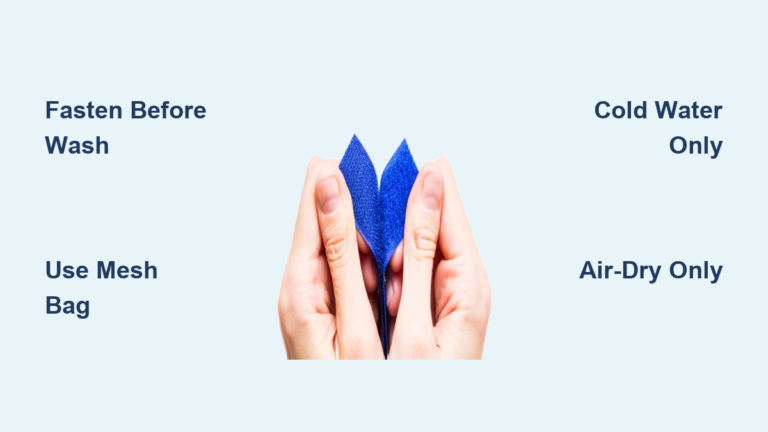
Take out removable base boards, shoulder straps, backpack clips, and padded inserts. If straps cannot be detached, tie them together with a rubber band to prevent tangling during the wash cycle. This prevents damage to both the bag and your machine.
Zip All Compartments Closed
Secure all zippers before washing. This prevents snagging on the drum, maintains the bag’s shape, and stops small items from falling into seams where they can cause problems.
Protect the Bag During the Wash

Tossing a duffel loose into the drum risks damaging both the bag and your washing machine. Protection is essential for successful machine washing.
Use a Mesh Laundry Bag or Pillowcase
Place the duffel inside a large mesh laundry bag or an old pillowcase. This shields zippers from hitting the drum, prevents buckles from catching on agitators, and stops straps from fraying or tangling. It also protects your washer from damage caused by hard components.
Wash Alone, No Mixed Loads
Never wash your duffel with jeans or heavy towels that cause abrasion. Avoid washing shoes or sharp objects that can scratch the fabric. Skip washing with colored clothes that risk dye transfer. Run a dedicated cycle to avoid friction and contamination.
Set the Right Washing Machine Settings
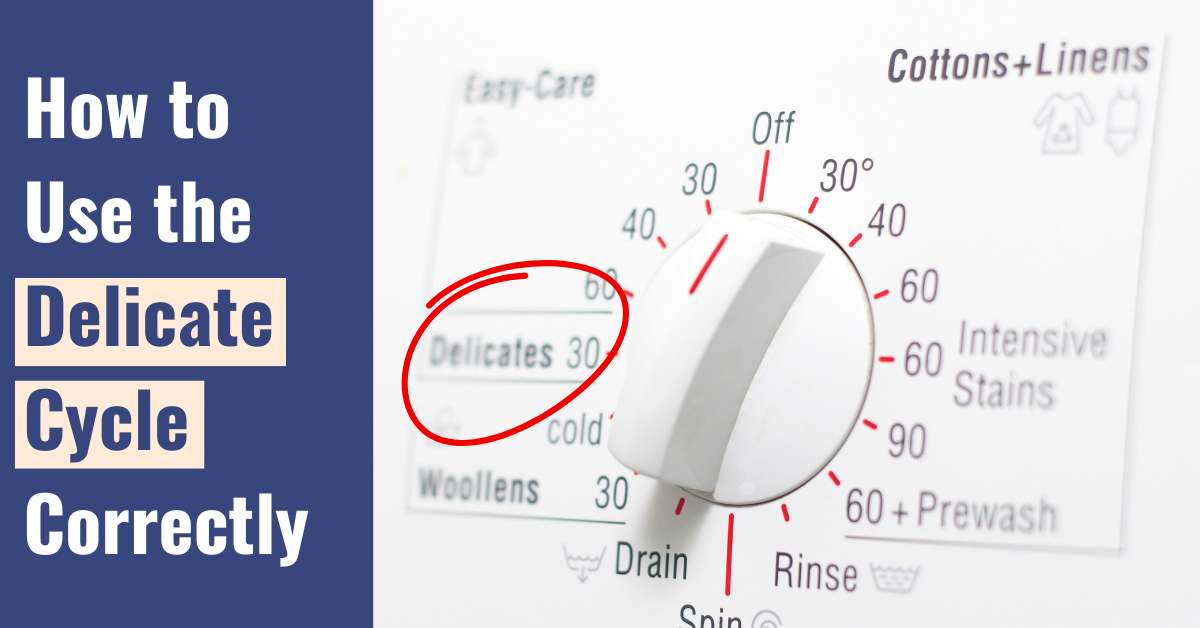
Using the wrong cycle can shrink, fade, or destroy your bag. Proper settings are crucial for safe machine washing.
Select Cold Water Only
Use cold water below 30°C or 86°F to prevent shrinking, avoid melting waterproof linings, and protect colorfastness. Hot water weakens fibers and damages technical coatings. Cold water is always the safe choice for duffel bags.
Choose Gentle or Delicate Cycle
Opt for hand wash or delicate mode with low spin speed. This reduces stress on seams and stitching. High-speed spins can stretch fabrics and damage structural elements.
Use Mild Detergent, No Bleach or Softener
Add only a quarter ounce or one to two teaspoons of mild liquid detergent. Avoid bleach, which degrades fabric and fades colors. Skip fabric softener, which leaves residue and reduces breathability. Avoid powder detergents that may not dissolve fully.
For Odor Removal: Add half a cup of white vinegar to the rinse cycle to kill bacteria and neutralize smells naturally.
Hand Washing: The Safer Alternative
If your bag has mixed materials or no care label, hand washing is the best choice. This method preserves your bag’s integrity longer than machine washing.
Fill a Tub with Cool Water
Use a bathtub, sink, or basin with enough lukewarm or cool water to submerge the bag. Add a small amount of mild detergent like Woolite or dish soap.
Spot Clean Stains First
Before soaking, apply detergent directly to dirty areas like the bottom, handles, and corners. Use a soft toothbrush or detailing brush and scrub gently in circular motions. This lifts grime without spreading it across the bag.
Submerge and Agitate Gently
Let the bag soak for five to ten minutes. Press it down and swish by hand without scrubbing. For hardware, wipe zippers and buckles with a soapy cloth and use a toothbrush for gunk in zipper teeth.
Rinse Thoroughly
Drain soapy water and refill with clean cold water. Press the bag repeatedly to flush out detergent. Repeat until water runs clear. Residual soap attracts dirt and causes faster re-soiling.
Never Use a Dryer: Air Dry Only
Never put a duffel bag in the dryer. Heat causes irreversible damage to most bag materials.
Why Dryers Ruin Duffel Bags
Dryers shrink nylon and polyester, melt waterproof linings, crack leather or vinyl trim, and warp or misshape the structure. Even low heat settings are too aggressive and weaken stitching over time.
Air Dry the Right Way
Proper drying prevents mold, odors, and deformation. Follow these steps for the best results.
Remove Excess Water
After washing, press the bag gently with a clean towel. Do not wring or twist, as this strains seams and distorts the shape.
Unzip All Compartments
Open every zipper to allow airflow and prevent moisture trapping. This stops mildew and odor buildup inside the bag.
Hang Upside Down
Drape the bag upside down over a clothesline, shower rod, or sturdy hanger. This lets water drain from the opening and speeds drying. Stuff the bag lightly with paper towels or a rolled-up towel to help it hold its shape.
Choose a Well-Ventilated Area
Dry in a room with good airflow away from direct sunlight, which causes fading. Avoid radiators, heaters, or damp basements. Wait six to twenty-four hours depending on fabric thickness, humidity, and airflow. Ensure the bag is completely dry before storing.
Eliminate Odors for Good
Sweat, damp clothes, and food spills cause stubborn smells. Address these promptly to keep your bag fresh.
Baking Soda Overnight Treatment
Sprinkle half a cup of baking soda inside the bag and let it sit for eight to twelve hours. Shake out and vacuum thoroughly. Baking soda absorbs moisture and neutralizes acids in sweat.
Vinegar Wipe for Bacteria
Mix one part white vinegar with two parts water. Spray or wipe interior surfaces and let sit for fifteen to thirty minutes before air drying. This is safe for most linings and kills odor-causing bacteria.
Rubbing Alcohol for Sanitizing
Use fifty percent isopropyl alcohol mixed with fifty percent water to wipe down the interior, kill microbes, and dry quickly without residue. Test on a small area first.
Use Odor Absorbers Between Uses
After cleaning, place used cooled tea bags inside, or add dryer sheets or charcoal packets. These absorb lingering smells and add a fresh scent. Prevention is key: always air out your duffel after use by leaving it unzipped in a ventilated space for a few hours.
Care for Specific Duffel Types
Different materials need tailored cleaning approaches. Here’s how to handle the most common duffel bag types.
Wheeled Duffel Bags
Clean wheels with warm soapy water and a soft brush, rotating while cleaning to reach all sides. Dry thoroughly to prevent rust on axles. Never submerge wheel mechanisms.
Canvas Duffel Bags
Machine wash only if uncoated and leather-free. Hand wash is preferred using mild soap and cool water. Do not soak, as canvas holds water and dries slowly. Reshape while damp and always air dry.
Nylon and Polyester Duffels
Most are machine-washable if no structural inserts exist. They retain color and strength well. Avoid bleach and fabric softener. If the bag has DWR coating, reapply spray after washing if water no longer beads.
Gym Duffel Bags
These have high risk of bacterial growth. Wipe the interior weekly with antibacterial wipes. Use separate wet and dry compartments. Store with baking soda or charcoal packs between uses.
Long-Term Maintenance Tips
Keep your duffel bag fresh and functional for years with these care practices.
Clean After Every Use
Empty and vacuum the interior after each use. Wipe down with a damp cloth and mild soap. Spot clean stains immediately to prevent setting.
Deep Clean Every Three to Six Months
Frequency depends on use. Weekly gym bags need cleaning every three months. Frequent travelers should clean every six months. Clean immediately after spills or strong odors.
Store Properly
Keep in a cool, dry, ventilated area. Store partially open or lightly stuffed to maintain shape. Avoid plastic bins that trap moisture. Use cotton storage sacks instead.
Quick Reference: Dos and Don’ts
| DO | DON’T |
|---|---|
| Check care label first | Assume all bags are machine-safe |
| Use cold water and mild detergent | Use bleach or fabric softener |
| Protect with pillowcase or mesh bag | Wash with heavy or sharp items |
| Air dry only | Use the dryer |
| Spot clean before washing | Scrub with stiff brushes |
| Unzip all compartments when drying | Store while damp |
| Use baking soda for odors | Mask smells with sprays |
Frequently Asked Questions About Washing Duffel Bags
Can I wash a duffel bag with leather trim?
No. Leather will crack or discolor when wet. Spot clean only with a damp cloth and mild soap. Never submerge or machine wash leather-trimmed bags.
How often should I wash my duffel bag?
For light use like weekly gym sessions, deep clean every three months. For heavy use like travel or sports, clean after every trip. Clean immediately after spills or strong odors.
Can I use dish soap to wash my duffel?
Yes. Mild dish soap like Dawn works for hand washing. Use sparingly and rinse well to avoid residue buildup.
What if it smells but isn’t dirty?
You likely have bacteria buildup. Sprinkle baking soda inside, leave overnight, then vacuum. Follow with a vinegar or alcohol wipe if needed.
Is it safe to hose it down?
No. High-pressure water damages seams and coatings. Stick to hand or machine washing with gentle agitation.
Key Takeaways for Washing Your Duffel Bag
Washing a duffel bag in the machine is possible, but only when done carefully. Always check the care label first to confirm machine washing is safe for your specific bag. Use cold water with mild detergent, protect the bag in a mesh laundry bag or pillowcase, and always air dry away from direct heat. For most users, hand washing is safer and more effective, especially for bags with mixed materials or delicate finishes. With proper care, your duffel will stay fresh, odor-free, and durable for years of travel, gym sessions, and adventures.