How to Start a Pressure Washer
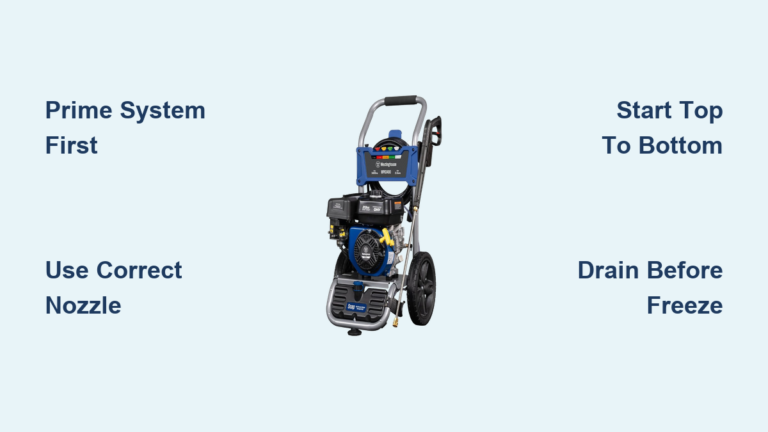
You have a dirty driveway or grimy siding that needs immediate attention, so you reach for your pressure washer. However, knowing how to start a pressure washer correctly is vital to avoid cracking the pump or flooding the engine. A single missed step in the setup process can lead to costly internal damage or a machine that refuses to run.
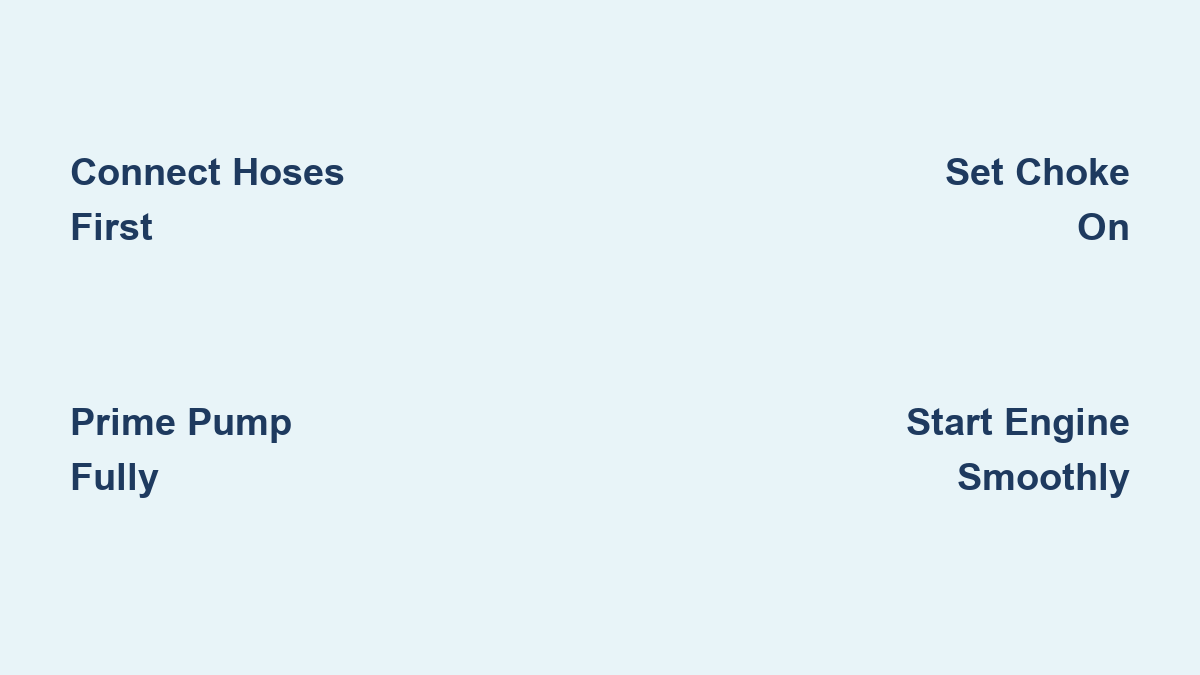
This guide walks you through the exact sequence to connect hoses, prime the system, and ignite the engine safely. You will learn how to purge air from the pump, set the throttle to the correct position, and execute a proper shutdown. Following these steps ensures reliable performance and extends the life of your cleaning equipment.
Connect Water Hoses Securely Before Engine Contact
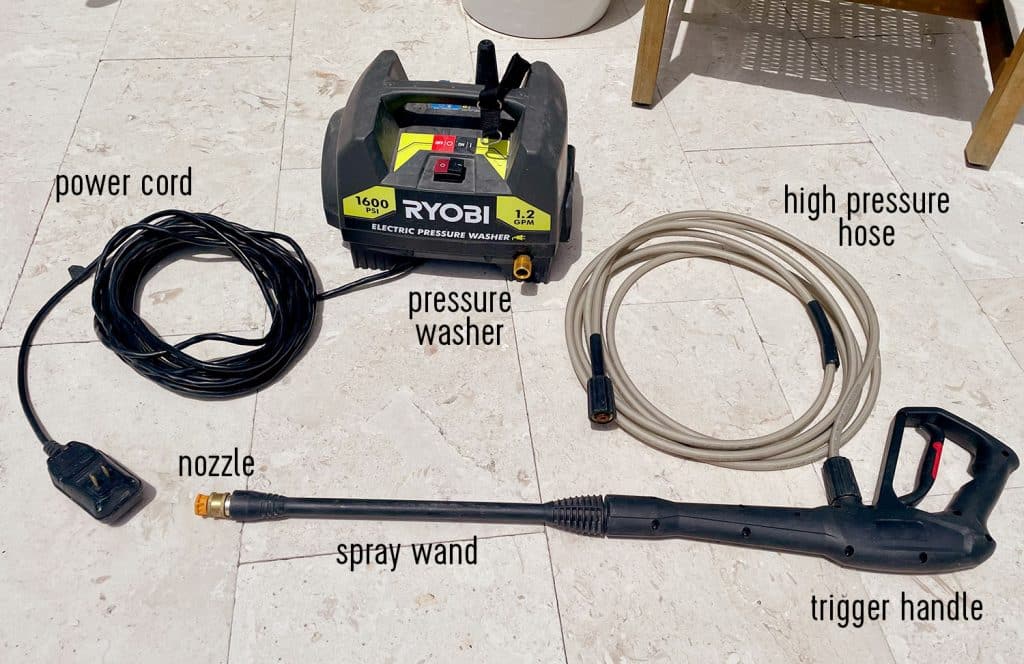
You must assemble the water delivery system before touching any engine controls. A loose connection here causes leaks that reduce pressure and create safety hazards during operation.
Attach Garden Hose to Inlet Port
Locate the water inlet on your pressure washer, which is usually threaded and clearly labeled. Connect a standard garden hose to this port and hand-tighten it until it feels secure. Do not use wrenches or pliers because over-tightening can strip the threads and cause leaks later.
Connect High-Pressure Hose to Pump
Attach the high-pressure hose to the outlet on the pump unit. Push the connector in firmly and twist or lock it according to your specific model design. Give the hose a firm tug to confirm it is locked in place since a loose hose can whip dangerously when pressurized.
Turn On Water Supply Only After Connections
Open the water spigot only after both hoses are fully connected to the machine. Water must flow through the entire system before you attempt to start the engine. Never start the engine without water running because this destroys internal seals and cracks pistons within seconds due to lack of lubrication.
Prepare Fuel System and Engine Controls
Shift your focus to the engine once water is flowing steadily through the hoses. Proper fuel management and throttle settings are critical for a smooth and successful ignition.
Fill Tank with Fresh Gasoline
Check the fuel tank level and fill it with clean, fresh gasoline if needed. Never use old gas or fuel blended with ethanol that has sat for more than 30 days. Stale fuel gums up the carburetor and makes the engine difficult or impossible to start reliably.
Open Fuel Valve to On Position
Flip the fuel valve, often called the gas release switch, to the ON position. This action allows fuel to flow freely from the tank into the engine carburetor. The engine will crank but fail to start if this valve remains closed, so verify it is fully open.
Set Throttle Lever to Rabbit Speed
Move the throttle lever to the maximum speed setting, commonly marked with a rabbit icon. This position is typically the farthest point away from the operator on the control panel. A high idle setting provides the necessary airflow and fuel momentum for a reliable cold start.
Prime Pump and Execute Ignition Sequence
Your machine is ready for ignition once the water and fuel systems are prepared correctly. You must purge air from the pump before pulling the starter cord to prevent damage.
Purge Air from Pump System
Squeeze the trigger on the spray gun and hold it down tightly. Water will sputter initially as trapped air escapes the lines. Keep the trigger depressed until you see a steady, bubble-free stream of water flowing from the nozzle.
Engage Choke for Cold Engine Start
Flip the choke switch to the ON position to restrict air intake. This enriches the fuel mixture, which is essential for igniting a cold engine. You may not need the choke if the engine is already warm, but it is required for a cold start.
Turn On Red Engine Switch
Flip the red engine switch to the ON position to activate the spark plug. Ensure all safety switches are engaged if your model has them. Some units will not start if the oil level is low or if the machine is tilted at an unsafe angle.
Pull Recoil Starter Cord Firmly
Grasp the starter handle firmly and pull the cord in one fast, smooth motion. Do not yank slowly because this fails to generate enough momentum to turn the engine over. If the engine does not start immediately, let the cord rewind fully and try again.
Turn Off Choke After Engine Starts
Switch the choke to OFF as soon as the engine runs smoothly. Leaving the choke on causes the engine to run too rich, leading to flooding or black smoke. The engine should settle into a steady idle within a few seconds of this adjustment.
Begin Cleaning Tasks Safely and Effectively
The pressure washer is now operational and ready to handle heavy-duty cleaning tasks. You can begin washing your driveway, deck, or siding with confidence.
Squeeze Trigger to Release Pressure
Point the wand away from people, pets, and delicate surfaces before squeezing the trigger. You should feel immediate high-pressure output as soon as you engage the gun. Check for kinks or clogs if the pressure feels weak or inconsistent.
Adjust Nozzle for Specific Surfaces
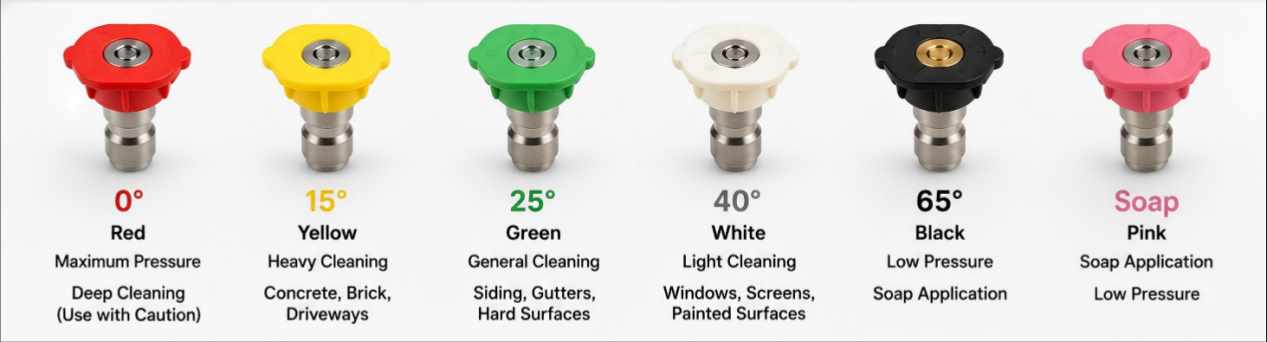
Select the correct nozzle tip based on the surface you are cleaning. Using the wrong tip can damage materials or fail to remove grime effectively. Choose from the following options:
* 0° (red): Intense jet for tough stains on concrete
* 15° (yellow): General cleaning for driveways
* 25° (green): Decks and siding
* 40° (white): Delicate surfaces like cars
* Soap applicator (black): Applying detergent
Always test the spray on a small, inconspicuous area first to ensure it does not damage the surface.
Shut Down Properly to Prevent Damage
Correct shutdown procedures prevent freeze damage and internal corrosion during storage. Skipping these steps can ruin the pump when temperatures drop.
Stop Water Supply and Disconnect
Turn off the water spigot and disconnect the garden hose from the inlet. Let the pressure washer run for 30 to 60 seconds without water input. This step clears residual water from the pump and internal hoses.
Run Engine Dry to Clear System
Allowing the engine to run briefly without water flushes the system completely. This is critical if you store the unit in cold weather. Leftover water can freeze inside the pump block and crack the housing.
Turn Off Engine and Drain Plugs
Release the throttle to idle and flip the engine switch to OFF once the water is purged. Wait for all moving parts to stop before moving the unit. Open any pump drain plugs if you plan to store the machine long-term or in freezing conditions.
Troubleshoot Common Startup Issues
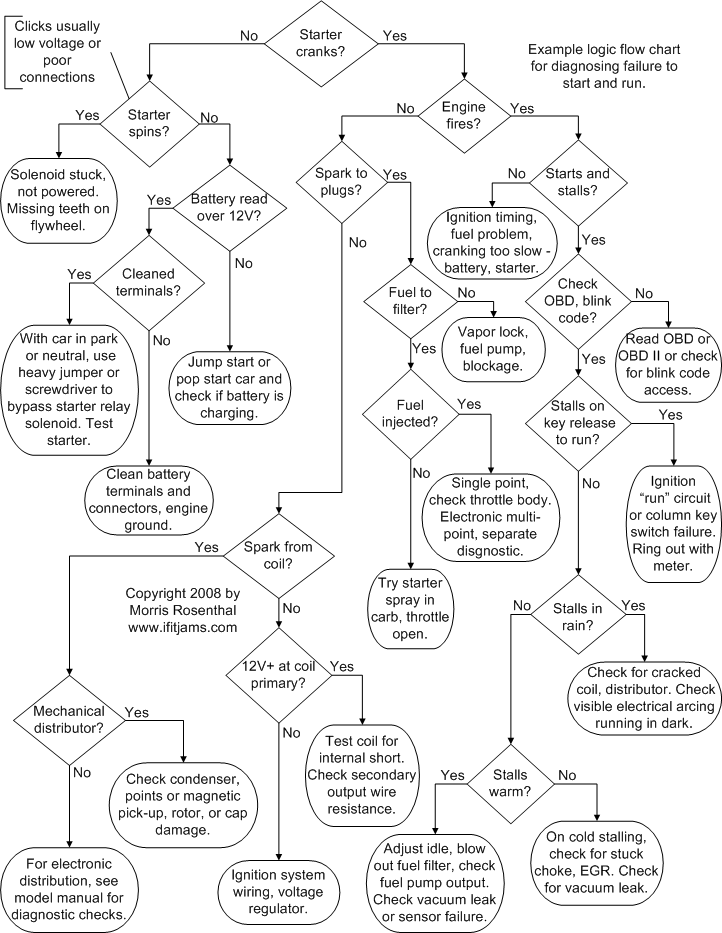
Even with careful preparation, you might encounter issues when learning how to start a pressure washer. Use these tips to fix common problems quickly.
Engine Fails to Start
- Verify the fuel tank has fresh gas and is not empty.
- Ensure the choke is set to ON for cold starts.
- Check that the red ignition switch is flipped on.
- Inspect the spark plug for fouling if the engine still will not catch.
Pump Makes Bubbling Noises
- Air remains in the system, so hold the trigger longer.
- The water supply might be low, so check the spigot.
- The inlet filter could be clogged with debris and needs cleaning.
Low Pressure After Startup
- Remove the nozzle and clear any debris with a pin.
- Straighten the high-pressure hose if it is kinked.
- Inspect pump seals for failure if the issue persists.
Engine Floods After Multiple Pulls
- Turn the choke OFF immediately if the engine floods.
- Avoid pulling the cord more than five times without pausing.
- Clean the carburetor if flooding continues repeatedly.
Prevent Damage with Routine Maintenance Checks
Consistent pre-use inspections help you avoid failure and extend the life of your machine. Simple checks take only minutes but save hundreds in repairs.
Inspect Hoses Weekly for Damage
Look for cracks, bulges, or leaks in both garden and high-pressure hoses. Replace any damaged hoses immediately and never attempt to tape a high-pressure hose repair.
Clean Inlet Filter Monthly
Remove the water inlet filter and rinse it under running water. A clogged filter reduces water flow and places unnecessary strain on the pump motor.
Check Oil Level Before Each Use
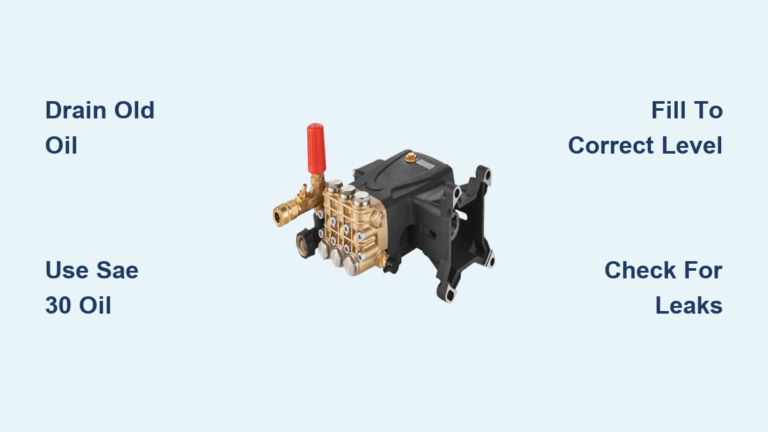
Low oil levels can seize the engine permanently. Pull the dipstick, wipe it clean, reinsert it, and check the level. Top up with SAE 30 non-detergent oil if the level is low.
Store Indoors During Winter
Keep the pressure washer in a dry, frost-free area during winter months. If you must leave it outside, drain all water and add fuel stabilizer to the tank.
Frequently Asked Questions About Starting a Pressure Washer
What happens if I start the pressure washer without water?
Starting the unit without water flow destroys internal seals and can crack pistons instantly. Water provides essential lubrication and cooling that the pump needs to operate safely.
Why won’t my pressure washer start even with fresh fuel?
Check that the fuel valve is open and the choke is set to ON for a cold start. Also, ensure the throttle is set to the high-speed rabbit position for proper ignition momentum.
How do I know when the pump is fully primed?
The pump is fully primed when water flows from the nozzle in a steady stream with no air bubbles. You must hold the trigger down until all sputtering stops completely.
When should I turn off the choke after starting?
You should turn the choke OFF immediately after the engine starts running smoothly. Leaving it on causes the engine to flood, run rough, or emit black smoke.
How do I prevent freeze damage when storing my machine?
Run the engine for 30 to 60 seconds after disconnecting the water supply to clear internal lines. This removes residual water that could freeze and crack the pump block in cold weather.
Key Takeaways for Starting Your Pressure Washer
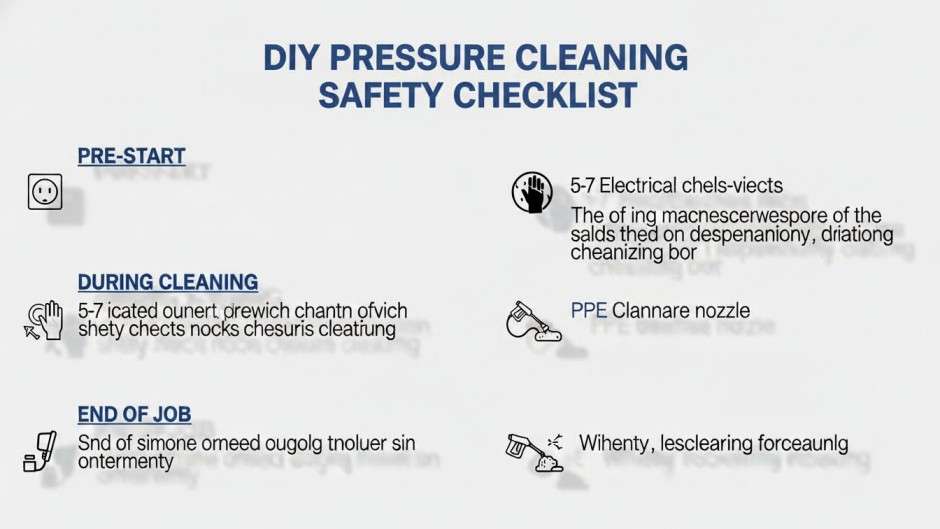
Mastering how to start a pressure washer protects your investment and ensures powerful cleaning performance every time. Remember to always connect hoses and turn on the water before touching the engine controls to prevent catastrophic pump damage. Following the correct sequence of priming, choking, and throttling guarantees a smooth start and long equipment life.
Take action today by inspecting your hoses and checking your fuel before your next cleaning project. Adhering to these steps will keep your pressure washer running efficiently for years to come.