How to Unlock a Washing Machine Lid
A washing machine lid that refuses to open after the cycle ends is a frustrating but common problem. You stand ready to grab your freshly cleaned laundry, only to find the door or lid firmly locked, sometimes with water still sitting in the drum. This situation typically isn’t a breakdown but rather a safety feature doing exactly what it was designed to do. Modern washers include automatic locking mechanisms that prevent opening during operation to protect against water spills, injury, or damage to internal components. When these locks fail to release, you need clear, safe steps to regain access to your machine. In approximately 80% of cases, you can resolve a locked lid at home without calling a technician, using simple patience, a few basic checks, and a proper reset. This guide covers exactly how to unlock a washing machine lid, explains why the lock engages, and provides solutions when simple fixes do not work.
Wait for the Safety Lock Delay
Most lid lock issues resolve with nothing more than time. Modern washers do not unlock the instant the cycle completes.
Why Washers Delay Unlocking
After the spin cycle stops, your washer typically waits 1 to 5 minutes before releasing the lock. This delay allows the drum to come to a complete stop, ensures all water has drained, and lets internal pressure stabilize. If you attempt to open the lid immediately after the cycle ends, the lock may still be engaged. Simply wait 3 to 5 minutes after the cycle completes. You might hear a soft click when the lock disengages. Check the display panel for messages such as “End” or “Door Locked.” If the display shows “End,” continue waiting. If the display is blank or frozen, proceed to a power reset.
Check for Standing Water in the Drum
:max_bytes(150000):strip_icc()/repair-washing-machine-water-level-fill-switch-1824607-hero-f7677789212746bdb1be2eaad58be1dc.jpg)
Water remaining in the tub triggers the safety lock to stay engaged. The machine will not unlock until the drum is empty.
Why Water Keeps the Lid Locked
If your washer did not fully drain, the lid stays locked to prevent flooding and accidental opening with water inside. Peer through the door glass or slightly open the detergent dispenser drawer to check for water. If you see water, the issue is likely drainage related.
Fix Drain Issues Quickly
Run a drain-only or spin-only cycle. This forces the pump to clear remaining water. If that fails, check the drain hose for kinks or blockages. Ensure the hose is not installed higher than 96 inches from the floor. Clean the pump filter, which is usually located behind a front lower panel. Remove any lint, coins, or debris clogging the filter, then reassemble and restart the drain cycle.
Perform a Power Reset
A power reset clears electronic glitches that may trap the lock in the engaged position.
How to Reset Your Washing Machine
Press Power to turn off the machine. Unplug it from the wall or turn off the circuit breaker. Wait 5 full minutes, which is critical for allowing capacitors to discharge. Plug the machine back in. Turn it on and test the lid. This simple step fixes approximately 60% of lock issues caused by software freezes or control board errors.
Signs a Reset Is Needed
Look for these indicators that a reset may resolve the problem. The display is frozen or blank. The lid will not unlock after waiting. The washer does not respond to button presses. You hear repeated clicking coming from the door area. A proper reset often restores normal operation.
Inspect for Lid Obstructions
Laundry items or debris can jam the latch mechanism, preventing proper release.
Remove Trapped Items
Open the door seal on front-loaders or check the lid rim on top-loaders. Look for clothing caught in the gasket. Check for excess detergent foam. Inspect for lint buildup around the latch. Look for a misaligned door or bent strike plate. Gently pull out any obstructions. Wipe down the seal with a damp cloth to remove residue.
Clean the Latch Area
Detergent and fabric softener buildup can gum up the lock mechanism. Use a soft brush or cloth to clean the door latch mechanism. Clean the strike plate where the latch engages. Wipe down the rubber gasket folds. Avoid harsh chemicals. A vinegar-water mix at a 1:1 ratio works well for cleaning without causing damage.
Listen to Lock Sounds
The noise your washer makes reveals what is happening inside the locking mechanism.
Single Click Means Normal Unlock
After the delay period, you should hear one distinct click. That sound means the solenoid has released the lock. If you hear it but the lid will not open, check for physical blockages preventing release.
Repeated Clicking Indicates Lock Failure
If you hear rapid clicking without the lid unlocking, the control board is sending signals but the lock is not responding. This usually indicates a failing lid lock assembly. It may also mean a worn solenoid or an electrical connection issue. This requires inspection or replacement.
Use Emergency Manual Unlock
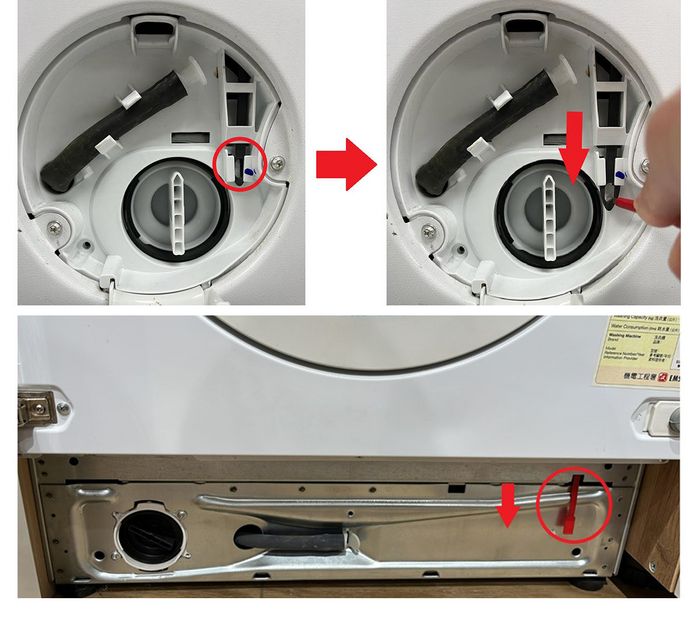
Some models include a built-in emergency release for situations where the lid remains locked.
Find the Manual Release Cord
On many front-loaders, a small access panel at the bottom front hides the emergency drain hose and unlock tab. Place a towel under the washer. Open the panel, which is often clipped or screwed in place. Pull the manual release cord down gently. Listen for a click, then open the door. Always unplug the washer first. Never force the cord.
Top-Loader Override Tips
Some top-loaders allow lid release with a flathead screwdriver. Insert it into a small hole near the latch and press the internal lever. Only perform this if your manual confirms it is safe. Forcing it can break the lock mechanism.
Test the Lid Lock Assembly
If all else fails, the lock itself may be faulty and require inspection or replacement.
Visual Inspection Steps
Unplug the washer. Remove the top or front panel, consulting your model’s manual for guidance. Locate the lid lock switch near the door opening. Look for burn marks or melted plastic. Check for loose or corroded wires. Look for cracked housing or broken parts. Any of these indicate the lock needs replacement.
Check Electrical Connections
Ensure wires connected to the lock are secure. A loose connection can mimic lock failure. Gently reseat the connector. If the lock still does not respond, test with a multimeter set to continuity mode. The lock switch should show continuity when engaged. Check voltage to confirm the board sends 12V to 24V to the lock. No signal indicates the control board may be at fault. No continuity means replace the lock.
When to Call a Professional Technician
Not every lock problem can be fixed at home.
Call a Professional If
The lid stays locked after reset, drain, and wait procedures. You see burn marks or melted plastic near the lock. There is a burning smell or electrical arcing. The drain pump does not run. The issue happens repeatedly. A licensed technician can replace the lock assembly, pump, or control board safely.
Cost of Professional Repair
Lid lock replacement costs $100 to $250 including parts and labor. Drain pump repair costs $150 to $300. Control board fix costs $200 to $400. Most repairs take 1 to 2 hours.
Prevent Future Lock Problems
Keep your washer running smoothly with simple maintenance habits.
Recommended Maintenance Practices
Avoid overloading the machine. Too much laundry causes imbalance, incomplete spins, and drainage issues. Fill the drum only three-quarters full. For top-loaders, do not pack clothes above the agitator. Clean the pump filter monthly to prevent clogs. Use only HE detergent in high-efficiency washers. Regular detergent creates excess suds that can trigger sensors and interfere with draining. Inspect the drain hose regularly to ensure it is free of kinks and not looped higher than 96 inches from the floor. Wipe the door seal weekly to prevent mold and gunk buildup.
Key Takeaways for Unlocking Your Washing Machine Lid
A locked washing machine lid is usually a temporary safety response rather than a permanent breakdown. In most cases, waiting 3 to 5 minutes after the cycle ends, checking for standing water, and performing a power reset will restore access. Drain problems account for approximately 30% of persistent lock cases, so always check the filter and drain hose if water remains in the tub. For recurring issues, electrical faults, or failed lock assemblies showing repeated clicking, professional repair is the safest choice. Regular cleaning, proper detergent use, and avoiding overloading prevent most lock problems before they start. Always consult your user manual for model-specific guidance, and keep your serial and model number handy for future reference.
Frequently Asked Questions About Locked Washing Machine Lids
Why won’t my washer lid unlock after the cycle ends?
Most often this is due to a safety delay, residual water in the drum, or a failing lock. Start with a 5-minute wait followed by a power reset.
Can a clogged filter keep the door locked?
Yes. If water cannot drain from the machine, the washer keeps the lid locked as a safety measure. Clean the pump filter to resolve this.
Is it safe to force the door open?
No. Forcing the door can break the latch, damage the seal, or harm internal components. Always try safe troubleshooting methods first.
Will unplugging the washer unlock the door?
Often, yes. A 5-minute power disconnect resets the control board and may release the lock, especially if the issue is software related.
How long should I wait for the lid to unlock?
Wait 3 to 5 minutes after the cycle ends. Some machines take longer with large loads or high spin speeds.
Can humidity cause the lock to fail?
Not directly. However, chronic moisture can corrode electrical connections over time. Keep the laundry area dry and well ventilated.