How to Use a Front Loader Washing Machine
You’ve just bought a front loader washing machine, and now you’re staring at the door, detergent in hand, wondering where to start. You’re not alone. Many users struggle with overloading, using the wrong detergent, or dealing with musty smells. Front loader washing machines use up to 50% less water than top-loaders, but they only work well when used correctly.
In this guide, you’ll learn exactly how to use a front loader washing machine the right way. From loading and detergent use to cycle selection and maintenance, these step-by-step instructions will help you get fresh, clean laundry every time while extending your machine’s life.
Load Clothes Properly in Your Front Loader
:max_bytes(150000):strip_icc()/4-Tips-for-Using-Front-Load-Washers-2147306-v1-RZ-6abee863324e46cc8b7c475dda70b237.png)
Proper loading is the foundation of effective cleaning. When clothes are jammed into the drum, they cannot tumble properly, leading to poor cleaning results and extra strain on your machine.
Avoid Overloading the Drum
Overloading is the number one mistake new front loader owners make. Use the “1-palm rule” to check if your load is properly sized. After loading clothes, slide your hand between the garments and the door. If your palm fits comfortably, you’re good to go. If not, remove a few items.
Keep these guidelines in mind:
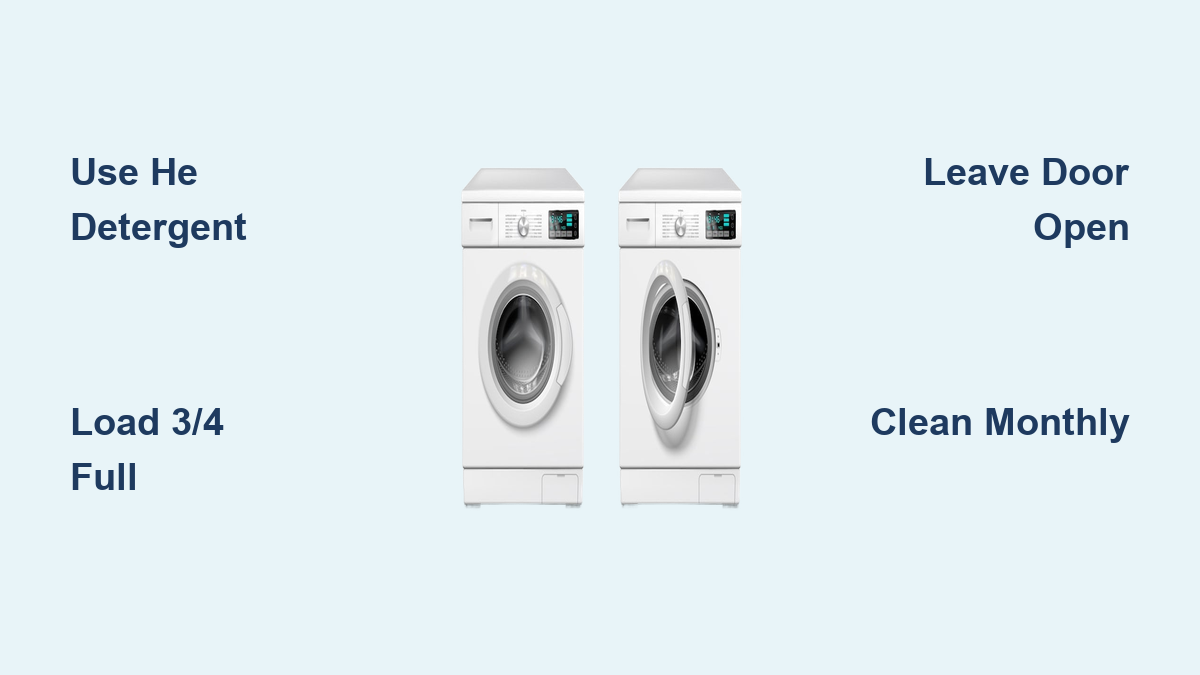
- Load up to ¾ full maximum
- Leave space for water and movement
- Mix large and small items like towels with shirts to balance the load
Never Wash a Single Item Alone
Running just one shirt or pair of jeans causes imbalance during the spin cycle. This leads to loud vibrations, excess wear on the machine, and potential damage. Always add a clean towel or a few similar items to balance small loads.
Prepare Clothes Before Loading
Turn delicates, prints, and embroidered items inside out before loading. This reduces surface friction and prevents fading. Close all zippers and fasten hooks to prevent snagging other clothes during the wash cycle.
Use HE Detergent the Right Way

Front loaders require specially formulated detergent to function properly. Using the wrong type can damage your machine and leave residue on your clothes.
Only Use HE-Labeled Detergent
HE (High-Efficiency) detergent is specifically designed for front loaders. It produces fewer suds, which is essential because regular detergent creates excess bubbles that can overflow from the dispenser, damage internal electronics, leave residue on clothes, and void your warranty. Always look for the HE logo on the bottle or box.
Add the Correct Amount
More detergent does not mean cleaner clothes. Using too much leads to residue buildup and odor problems. Follow these dosage guidelines:
- Standard HE liquid or powder: up to 1 tablespoon per load
- 2x concentrated HE detergent: 2 teaspoons
- 3x concentrated HE detergent: 1 teaspoon
Adjust based on soil level and load size. In hard water areas, slightly more may be needed, but never exceed the cap fill line.
Place Detergent Packs in the Drum
Never put detergent pacs in the dispenser drawer. They will not dissolve properly and may leave chunks on your clothes. Instead, place the pac at the bottom of the drum before adding clothes. This ensures full water contact and complete dissolution.
Add Fabric Softener and Bleach Safely
Fabric softener and bleach must be added to the correct dispenser compartments to work effectively and avoid damaging your clothes.
Use Dispenser Compartments Only
Always add fabric softener and bleach to their designated slots in the drawer, never directly on clothes. Use 1 teaspoon of fabric softener per full load, and never exceed the MAX line to prevent staining. For chlorine bleach, use 2 tablespoons for standard bleach or 1 tablespoon for concentrated formulas.
Never mix bleach and vinegar together, as toxic fumes may result.
Clean the Dispenser Monthly
Residue builds up in the dispenser drawer over time, blocking ports and reducing performance. Remove the drawer and rinse it under warm water monthly. Use a toothbrush to scrub small openings, and reinsert the drawer only when completely dry.
Choose the Correct Wash Cycle for Your Clothes
Selecting the right cycle ensures your clothes get clean without damage. Always check garment care labels before washing.
Match Cycle to Fabric Type
Front loaders offer multiple cycle options tailored to different fabric types. The Cotton/Normal cycle works best for towels, sheets, and jeans using warm or hot water with high spin. Use Synthetics for polyester and nylon items at medium temperature and spin. Choose Delicates for low agitation cycles that protect lace, silk, and lingerie. The Quick Wash cycle, lasting 15 to 30 minutes, works well for lightly soiled clothes. Cold Wash saves energy and performs effectively with modern HE detergents.
Use Advanced Features When Needed
Many models offer special cycles for specific needs. Extra Rinse adds an additional rinse cycle, ideal for sensitive skin or heavily soiled items. Sanitize with Oxy uses oxygen additive to kill bacteria, perfect for baby clothes or gym wear. Power Steam injects steam to loosen stains and odors. Some models like GE include My Cycle, which lets you save your favorite settings for one-touch use next time.
Set Temperature and Spin Speed Properly
Correct temperature and spin settings protect your clothes while ensuring a thorough clean.
Pick the Right Temperature
Cold water (30°C or 86°F and below) prevents color bleeding and shrinkage, making it great for darks. Warm water (40°C or 104°F) balances cleaning power and fabric safety. Hot water (60°C or 140°F and above) works best for whites, underwear, and bedding to kill germs and remove oils. When in doubt, choose the lowest recommended temperature, as modern HE detergents like Ariel work well even in cold water.
Adjust Spin Speed by Fabric Type
Higher spin speeds remove more water, reducing dryer time. Cotton and towels should be washed at 1200 to 1600 RPM. Synthetics work best at 800 to 1000 RPM. Delicates and wool need only 400 to 600 RPM to prevent damage.
Start Your Washing Machine Correctly
Following the correct starting procedure ensures your machine runs safely and efficiently.
Proper Start Procedure
Load clothes loosely into the drum. Add detergent, softener, and bleach to their correct compartments. Close the door firmly until you hear it click. Select your cycle, temperature, and spin settings. Press Start. Most front loaders will not run unless the door is fully sealed, so listen for the click.
Add Forgotten Items Mid-Cycle
Forgot a sock? No problem. Press Start/Pause and wait up to 30 seconds. The door will unlock if it is safe to open, meaning low water and no active spin. Open the door, add the item, close the door, and press Start/Pause again to resume. Never force the door open during operation, as this risks water spray and safety hazards.
Prevent Odors and Maintain Your Front Loader

Front loaders are prone to musty odors due to trapped moisture in the rubber gasket. Regular maintenance prevents these problems.
Leave the Door Open After Use
Moisture trapped in the rubber gasket breeds mold and causes musty smells. After unloading your laundry, leave the door ajar to let the drum dry completely. Exception: GE models with Ultra Fresh Vent System automatically vent moisture, allowing the door to stay closed without odor risk.
Wipe the Gasket Weekly
Check the folds of the rubber seal where water, lint, and debris accumulate. Wipe these areas with a cloth dipped in diluted vinegar or bleach solution. Do this weekly to prevent mold and mildew buildup.
Run Monthly Cleaning Cycles
Every four weeks, run an empty hot wash with either 2 cups of white vinegar, or half a cup of baking soda plus 1 cup of vinegar, or a commercial washer cleaner. Place these directly in the drum, not in the dispenser. This removes residue, kills bacteria, and keeps your machine fresh.
Maximize Energy Efficiency and Drying Performance
Front loaders are designed to save water and energy while delivering excellent cleaning results.
Reduce Dryer Time
Front loaders spin faster than top-loaders, extracting more moisture. This can reduce drying time by up to 30%, saving energy and reducing fabric wear. Use high spin settings for cotton items to maximize water removal.
Save Energy with Cold Washes
Modern HE detergents clean effectively in cold water. Switching all loads to cold can cut energy costs significantly while protecting colors and fibers. Cold washes use up to 90% less energy compared to hot cycles.
Common Mistakes to Avoid with Front Loaders
Avoid these frequent errors to keep your machine running smoothly and your clothes fresh.
Using regular (non-HE) detergent creates excess suds that can overflow and damage your machine. Always check for the HE label. Overloading the machine leads to poor cleaning and vibration problems, so follow the three-quarters full rule and use the palm test. Ignoring gasket maintenance allows mold to develop, causing persistent odors. Wipe weekly and clean monthly. Placing detergent pacs in the drawer prevents proper dissolution, so always place them at the bottom of the drum. Leaving the door closed 24 hours a day traps moisture unless you have a vented model.
Key Takeaways for Front Loader Success
To get the most from your front loader, develop these essential habits. Sort clothes by color and fabric before loading. Use HE detergent in the correct amounts. Load loosely, leaving space for tumbling. Balance small loads with a towel. Close zippers and turn delicates inside out. Choose the lowest recommended temperature to save energy. Use high spin for cottons and low spin for delicates. Add forgotten items using the Start/Pause button. Remove laundry within 2 hours to prevent wrinkles and odors. Keep the door open between uses unless you have a vented model. Clean your washer monthly with vinegar or a commercial cleaner. Wipe the gasket weekly to stop mold growth.
Frequently Asked Questions About Front Loader Washing Machines
Can I use regular detergent in a front loader?
No, you should only use HE (High-Efficiency) detergent in front loaders. Regular detergent creates too many suds, which can overflow, damage electronics, and leave residue on clothes. Always look for the HE logo on the packaging.
Why does my front loader smell musty?
Musty smells come from moisture trapped in the rubber door gasket. Leave the door ajar after each use to allow the drum to dry. Wipe the gasket weekly with diluted vinegar or bleach solution, and run a monthly cleaning cycle with vinegar or washer cleaner.
How full should I fill my front loader?
Load your front loader to a maximum of three-quarters full. Use the “1-palm rule”: if your palm fits between the clothes and the door after loading, the load is properly sized. Overloading prevents proper tumbling and reduces cleaning effectiveness.
Can I add clothes after the wash cycle starts?
Yes, most front loaders allow you to add forgotten items mid-cycle. Press Start/Pause, wait up to 30 seconds for the door to unlock (if water level is low and no spin is active), add the item, close the door, and press Start/Pause again. Never force the door open.
How often should I clean my front loader?
Run an empty hot wash with vinegar or washer cleaner every four weeks to remove residue and kill bacteria. Wipe the door gasket weekly to prevent mold buildup, and clean the detergent drawer monthly to ensure proper dispenser function.
Final Thoughts on Using Your Front Loader
Front loader washing machines deliver superior cleaning, water savings, and fabric care, but only when used correctly. By following these proven steps, you will avoid common pitfalls like overloading, using wrong detergent, and neglecting maintenance. Your machine will run efficiently for years, and your laundry will come out fresh and clean every time.
The key is consistency. Develop the habit of leaving the door open after use, using HE detergent in the correct amount, and performing monthly deep cleaning. Whether you own a GE, Samsung, LG, or any other brand, these principles apply across all front loader models. Start implementing these practices today, and every wash will be a success.