
How to Use Washing Machine Pods: Quick Guide
Washing machine pods have revolutionized laundry day by offering a mess-free, pre-measured alternative to liquid and powder detergents. With just one quick toss into the drum, you can get clean, fresh-smelling clothes without spills, guesswork, or lingering residue. But despite their simplicity, using laundry pods correctly is essential to avoid common issues like undissolved film, stains, or excessive suds.
If you’ve ever wondered whether to place the pod in the drawer or drum, how many to use, or why your clothes still feel stiff after washing, this guide has the answers. You’ll learn the right number of pods per load, where to place them, which cycles work best, and how to prevent mistakes that could damage your washer or ruin your clothes.
Place Pod in Drum First
The single most important rule when using laundry pods is always put the pod in the drum before adding clothes. This ensures immediate contact with water at the start of the cycle, allowing the water-soluble film to dissolve fully.
Why Bottom-of-Drum Placement Matters
When you drop the pod into the empty washer and then pile clothes on top, the incoming water hits the pod directly, triggering rapid dissolution. If the pod gets trapped inside a folded towel or shirt, it may not receive enough water or agitation to break down completely, leading to sticky residue or staining.
Aiming for the center of the drum works best. Avoid wedging the pod between the drum wall and rubber gasket, especially in front-loaders, where water flow is limited.
Never Use the Detergent Drawer
Despite its convenience, do not place pods in the detergent dispenser. These compartments are designed for liquids and powders, not solid capsules. The delayed release and lower water volume can prevent full dissolution, clog the system, or leave behind undissolved film.
Some newer washing machines now feature pod-safe drawers with a dedicated chamber. Check your manual before assuming compatibility.
Choose the Right Number of Pods
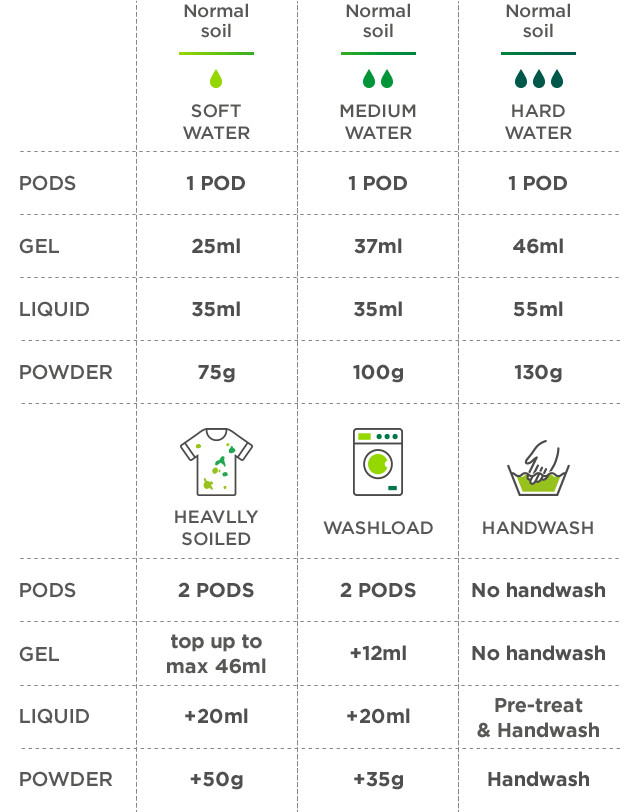
Using too few pods leads to poor cleaning. Using too many creates excess suds and residue. The correct amount depends on three key factors: load size, soil level, and pod concentration.
Standard Pod Counts by Load Type
• Small or medium, lightly soiled: 1 pod
• Normal-sized, average dirt: 2 pods
• Large or bulky, heavily soiled (towels, bedding, workout gear): 3 pods
For ultra-concentrated pods, one pod may suffice for standard loads. Always check packaging for dose-specific guidance.
Avoid Overdose for Extra Clean
More pods do not mean cleaner clothes. Overdosing increases sudsing, which HE washers struggle to rinse out. This can lead to detergent buildup in fabrics, mustier-smelling laundry over time, and potential strain on pump and seals. Stick to the recommended count.
Match Cycle to Soil and Fabric
:max_bytes(150000):strip_icc()/how-to-select-the-correct-cycle-2145866_FINAL-10d1b95640284e0a8d01d4523455c7ee-25c018a4c0304212a13315b7ab181e33.png)
Selecting the right wash cycle directly affects pod dissolution and cleaning performance.
Best Cycles for Pod Use
Normal Cycle works best for mixed loads of everyday clothing with warm water. This provides consistent agitation and heat for full film breakdown.
Heavy-Duty Cycle is ideal for muddy jeans, greasy workwear, and athletic gear. Hot water and extended wash time ensure complete cleaning and rinsing.
Delicate Cycle suits lingerie, silks, and lace. Low water levels and gentle tumbling may delay pod dissolution. Use only one pod and place it centrally under lightweight items.
Cold Wash Cycle works for dark colors and energy savings. Most modern pods dissolve in cold water, but in older machines or hard water areas, incomplete dissolution can occur. Opt for warm water if residue appears.
Prevent Common Pod Problems
Even when following instructions, users sometimes encounter issues. Here is how to diagnose and fix the most frequent complaints.
Pod Did Not Dissolve Completely
White film on clothes, gel-like residue, and visible capsule remnants indicate incomplete dissolution. This happens when the pod is buried in thick fabric, the washer is overloaded, cold water is used with less-effective pod formula, or the cycle duration is too short.
Quick fixes include rewashing in warm water with no detergent, using the handshake test to check load size, and switching to longer cycles for bulky items.
Stains or Marks on Clothes
Staining almost always results from improper placement or trapped pods, not from pods inherently staining clothes. Common scenarios include pod placed on top of laundry, wet hands during handling, or overloading.
To avoid stains, use dry hands only, place pod in empty drum first, and load clothes loosely and evenly.
Excessive Suds in Washer
Overflowing suds, machine pausing mid-cycle, and SUDS error codes indicate too many pods were used, especially in HE machines. Run an extra rinse cycle to flush out suds, add half a cup of white vinegar to the drum and run a rinse-only spin, and reduce pod count going forward.
Optimize for Your Washer Type
Not all washers operate the same. Here is how to tailor pod use to your machine.
Front-Loading Machines
Place the pod at the bottom of the drum, centered. Do not exceed three-quarters full. Select Anti-Allergy or Allergen setting if available, as these use higher temperatures and extra rinses for complete pod clearance. Leave the door ajar after washing to dry out moisture and prevent mold in the gasket.
High-Efficiency Top-Loaders
Place the pod directly in the drum before loading. These machines use less water, so proper pod placement is critical. Without a central agitator, rely on tumbling motion to mix water and detergent.
Run a monthly clean washer cycle using vinegar or a dedicated cleaner to remove buildup.
Store Pods Safely and Correctly
Laundry pods are powerful cleaning tools but require responsible storage.
Safety First: Child and Pet Risks
Pods are brightly colored and resemble candy, which can attract accidental ingestion. This can cause serious health issues including respiratory distress or poisoning. Store pods out of reach and sight, keep the container sealed tightly, and choose child-resistant packaging when available.
Shelf Life and Storage Tips
Pods do not have a strict expiration, but performance declines after fifteen months. Degradation signs include clumping or sticking together, film appearing brittle or cloudy, and foul odor upon opening.
Store pods in a cool, dry place away from sunlight and heat sources. Never store pods on top of the washer or dryer, as vibration and warmth degrade them.
Eco-Friendly and Septic-Safe Options
Modern pods can be sustainable as well as convenient.
For Septic Systems
Look for the septic-safe label. Tide PODS and others are formulated to break down safely. Avoid pods with phosphates or synthetic dyes, and use recommended doses to prevent sludge buildup.
Green Alternatives
Some brands use biodegradable PVA film that dissolves completely in wastewater. Plastic-free packaging options are available from brands like Clean People. Dye-free and hypoallergenic options work well for sensitive skin.
Frequently Asked Questions About Washing Machine Pods
Can I put laundry pods in the detergent drawer?
No, you should not put pods in the detergent drawer. Dispenser compartments are designed for liquid or powder detergents. Placing pods there can cause incomplete dissolution and may damage the machine. Always place pods directly in the drum.
Do laundry pods dissolve in cold water?
Yes, most modern pods dissolve in cold water thanks to multi-chamber designs. However, in older machines or hard water areas, warm water provides more reliable dissolution. If residue appears on clothes, switch to warm water.
How many pods should I use per load?
Use one pod for small or lightly soiled loads, two pods for standard loads, and three pods for large or heavily soiled items like towels and workout gear. Always check packaging for brand-specific guidance.
Why do my clothes have residue after washing?
Residue usually occurs because the pod was not fully submerged. This happens when the pod gets trapped in thick fabric, the washer is overloaded, or cold water does not dissolve the pod properly. Place the pod in the empty drum first and avoid overloading.
Are laundry pods safe for septic systems?
Yes, most major brands like Tide PODS are septic-safe when used as directed. Look for the septic-safe label and avoid pods containing phosphates.
Can I use laundry pods in any washing machine?
Yes, pods work in all washer types including HE top-loaders, front-loaders, and standard machines. Always check that your pods are HE-compatible, which most major brands are.
Key Takeaways for Using Washing Machine Pods
Using washing machine pods correctly makes laundry faster, cleaner, and safer for both your clothes and your home. The core principles are simple.
Place the pod in the drum first, never in the drawer. Use one to three pods based on load size and soil level. Warm water offers the most reliable dissolution. Never overload the washer, as clothes need room for water and movement. Store pods securely away from children, heat, and moisture.
When used properly, laundry pods deliver powerful, mess-free cleaning with minimal effort. No measuring, no spills, no waste. Just drop, load, and go.
If something goes wrong, such as an undissolved pod, stain, or excess suds, it is almost always due to placement or overuse. Stick to the steps above, and your washer will run smoothly for years.