
How to Add Bleach to Washing Machine
Adding bleach to your laundry can transform dingy whites into bright, sanitized garments, but using the wrong amount or method can damage fabrics and your appliance. Knowing how to put bleach in washing machine correctly is essential for achieving clean, bright results without ruining your clothes or machine. This guide covers exact dosages, placement instructions, and safety tips for both standard and HE washing machines.
By following these machine-specific instructions, you will learn exactly where to add bleach, how much to use, and which mistakes to avoid for safe and effective laundry treatment every time.
Choose the Right Bleach Type
Use Liquid Chlorine Bleach Only
The only bleach recommended for most washing machines is liquid chlorine bleach containing sodium hypochlorite, such as Clorox Disinfecting Bleach. This type effectively whitens whites, removes organic stains like coffee and blood, and kills 99.9% of household bacteria.
Chlorine bleach breaks down into salt and water during the wash cycle, making it more environmentally friendly than many assume, especially when used in cold water.
Avoid using powdered bleach, color-safe bleach, or non-liquid forms in the bleach dispenser unless your manufacturer specifies otherwise.
Check Fabric Compatibility First
Test for Colorfastness Before Bleaching
Never apply chlorine bleach to wool, silk, leather, spandex, rayon, or non-colorfast materials. Even small amounts can weaken fibers, cause yellowing, or create holes in these fabrics.
Before using bleach on any garment, perform a colorfastness test:
Mix one teaspoon of bleach with one-quarter cup of water. Apply the solution to an inside seam or hidden area. Wait one minute, then rinse and blot dry. If the color fades or changes, do not bleach that item.
Always wash questionable items separately the first time to avoid accidents.
Bleach Dosage for Your Machine Type

Amounts for Standard Top-Loading Washers
Standard machines use more water and require higher bleach volumes. For whitening with normal soil, use one-third cup. For heavy stain removal, use two-thirds cup. For sanitizing, use one-half to one cup.
Use one cup only for large, heavily soiled loads like towels or bedding. Start with one-half cup for average loads.
Amounts for High-Efficiency HE Machines
HE machines use less water, so less bleach is required. For whitening or sanitizing, use one-quarter to one-third cup. Never exceed the max fill line in the dispenser.
Exceeding the max fill line causes residue buildup, damages fabrics, and can corrode internal machine parts over time.
Where to Add Bleach by Machine Type
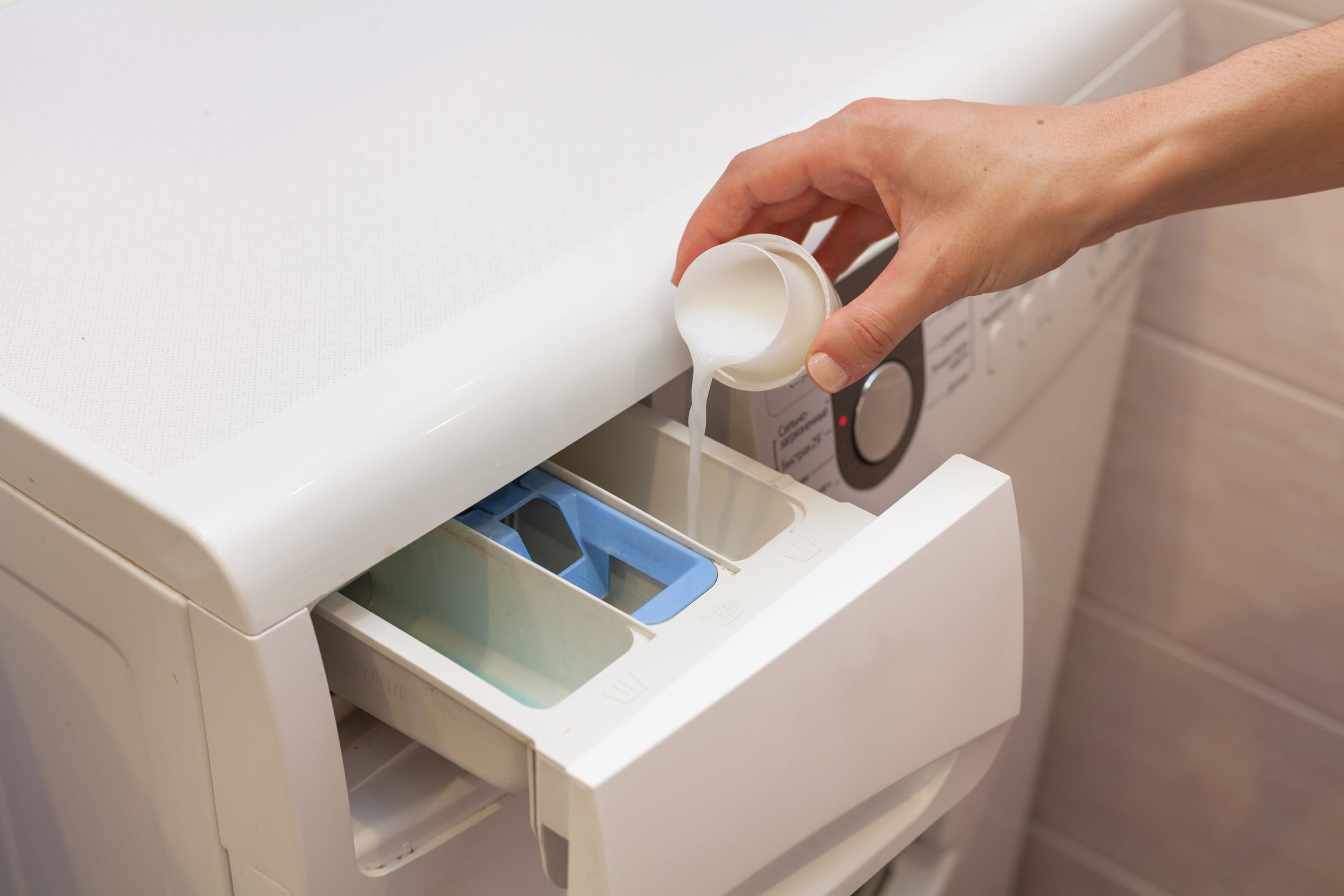
For HE Front- or Top-Loading Washers
Always use the bleach dispenser compartment, typically located at the back of the detergent drawer and marked with a flower icon or bleach label. Open the detergent drawer and locate the bleach compartment. Pour in the correct amount up to the max line. Close the drawer, and the machine dispenses bleach automatically during the cycle.
Never pour bleach directly into the drum, as this damages rubber seals and fabrics.
Clean the bleach tray monthly with warm water to prevent clogs in older HE models.
For Standard Top-Loading Washers
Add bleach during the fill cycle rather than at the beginning. Start the washer and let it fill about halfway. Add detergent first, then add bleach. Wait five minutes before adding clothes.
Pre-dilute bleach in one quart of water before adding to reduce the risk of spotting or fabric damage. Never dump undiluted bleach directly on clothes, even in top-loaders.
Step-by-Step Bleach Addition Process
In HE Machines
Add detergent pods to the drum first if using them. Add liquid detergent to the main wash compartment. Add fabric softener to the small front cup without overfilling. Pour bleach into the rear compartment up to the max line.
Select a normal or heavy-duty cycle. Use hot water for best disinfection. Enable extra rinse to remove residue and extra spin to reduce drying time. The machine releases bleach at the optimal time automatically.
In Standard Top-Loaders
Start the wash cycle with hot water. Wait until the tub is half full. Add detergent. Pour in pre-diluted bleach mixed with one quart of water. Let the machine agitate for five minutes before adding laundry.
This timing ensures bleach is fully diluted before clothes enter the wash.
When to Use Bleach Effectively
Sanitize Laundry for Health Safety
Use bleach when washing gym clothes, towels, bedding, cloth diapers, or items soiled with bodily fluids. For true sanitization, ensure ten minutes of bleach contact time during the wash cycle.
Restore Dingy Whites
Combat grayness from repeated washing, sweat buildup, or hard water minerals. Combine bleach with an enzyme laundry booster added directly to the drum for better results.
Remove Tough Stains
Bleach effectively removes coffee, tea, grass, and blood stains. For pretreating, dab diluted bleach on the stain and wait five minutes before washing. Use cold water first for blood stains.
Common Mistakes to Avoid
Overfilling the Bleach Dispenser
Too much bleach leaves harsh residue, causes skin irritation, degrades fabric over time, and may void warranties on HE machines. Stick to the max fill line, not the cup brim.
Mixing Bleach with Other Cleaners
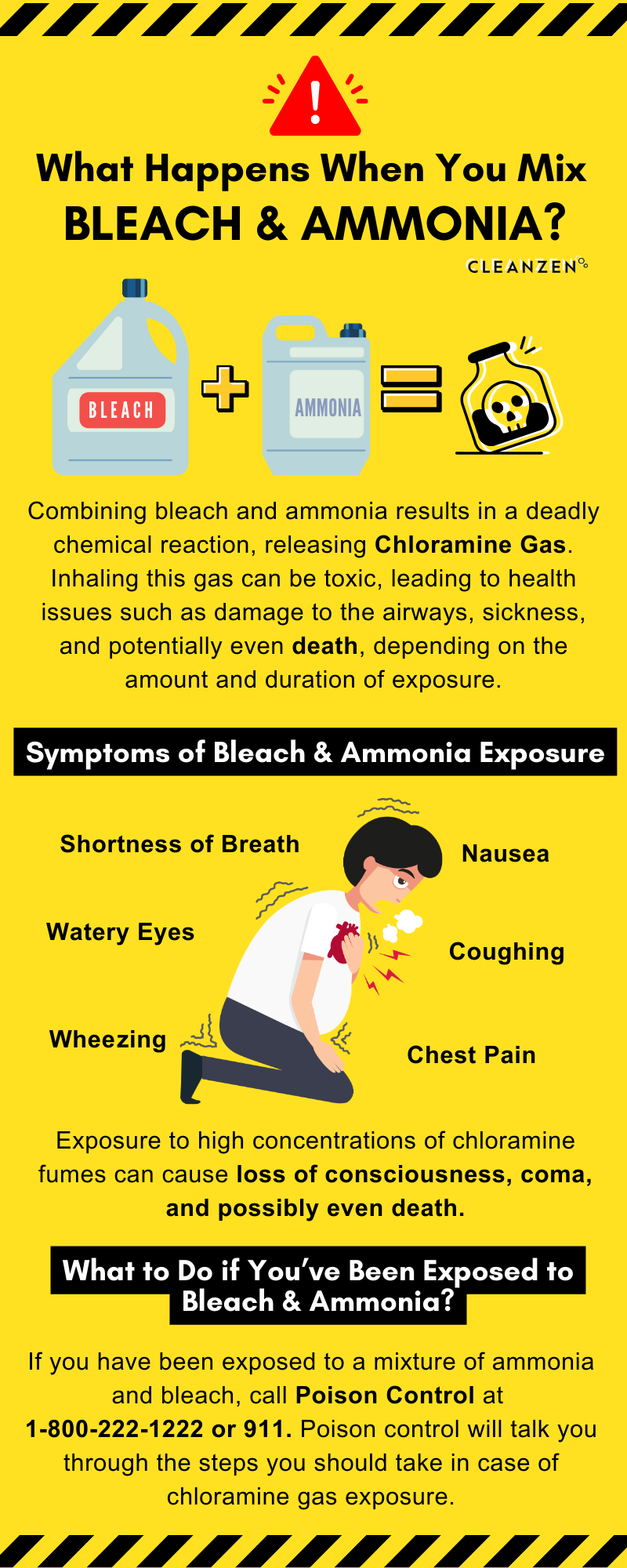
Never combine bleach with ammonia, vinegar, or peroxide-based cleaners. Toxic chlorine gas can form, creating a dangerous situation even inside the washer drum.
Using Old or Weak Bleach
Unopened bleach lasts about one year. Opened bottles remain effective for approximately six months. Test strength by mixing one teaspoon of bleach in water with a drop of food coloring. If the color fades in one minute, the bleach is still strong.
Pro Tips for Better Results
Use Cold Water When Possible
Bleach works effectively in cold water and saves energy. It breaks down faster into salt and water, reducing environmental impact.
Add Enzyme Booster for Deep Cleaning
Use a product like OxiClean or Tide Stain Release. Add it directly to the drum, not the dispenser. Users report whiter whites and fewer re-washes when combining bleach with enzymes.
Run an Extra Rinse
This is especially important for sensitive skin, towels, and baby clothes. An extra rinse prevents residual bleach that can cause itching or odor.
Special Cases and Hand Washing
Hand Washing Small Items
For bleach-safe delicates or small batches, mix one-quarter cup bleach per one gallon of cool water. Submerge the item for five minutes, then rinse thoroughly. Machine wash as usual afterward.
Pretreating Stains Before Washing
Dilute one teaspoon of bleach in one-quarter cup water. Apply to the stain with a cotton swab. Wait up to five minutes, then wash immediately. Always test colorfastness first.
Maintain Your Washing Machine
Clean the Bleach Dispenser Monthly
Mineral and chemical buildup can clog the system. Pull out the detergent drawer. Rinse the bleach cup under warm water. Wipe with a damp cloth. Reinsert securely.
Check for Leaks or Residue
After use, inspect the door seal, drum walls, and detergent drawer. Wipe any spilled bleach immediately, as it can corrode plastic and metal components.
Final Checklist for Safe Bleach Use
Sort laundry to ensure whites only and bleach-safe fabrics. Test colorfastness on new or questionable items. Measure correctly using one-fourth to one-third cup for HE machines or one-third to one cup for standard machines. Add bleach in the right place, either the dispenser or diluted mid-fill. Optimize your cycle with hot water and extra rinse. Complete monthly dispenser cleaning.
Frequently Asked Questions About Putting Bleach in Washing Machines
Can I put bleach directly on clothes in the washing machine?
Never pour undiluted bleach directly on clothes. For standard machines, add bleach after the tub is half full and pre-dilute it in one quart of water. For HE machines, always use the bleach dispenser to ensure proper dilution during the cycle.
How much bleach should I use in a front-loading HE washing machine?
Use one-quarter to one-third cup of bleach, or fill up to the max line in the bleach dispenser. Never exceed the max fill line, as HE machines use less water and excess bleach damages fabrics and leaves residue.
What happens if I use too much bleach in my washing machine?
Overfilling the bleach dispenser causes harsh residue on clothes, skin irritation, fabric degradation over time, and potential damage to internal machine parts. It may also void your warranty on HE machines.
Can I mix bleach with detergent in the washing machine?
Add detergent to its proper compartment and bleach to the bleach compartment. The machine dispenses each at the correct time. Never mix undiluted bleach with detergent before adding them to the machine.
How do I know if my fabric is safe for bleach?
Test for colorfastness by applying diluted bleach to an inside seam. Wait one minute, rinse, and blot dry. If the color changes, do not use bleach on that item. Avoid chlorine bleach on wool, silk, leather, spandex, and rayon.
Does bleach work in cold water washing cycles?
Yes, bleach remains effective in cold water. Using cold water saves energy while still providing whitening and sanitizing benefits. Cold water also helps bleach break down more environmentally into salt and water.
Key Takeaways for Putting Bleach in Your Washing Machine
The most important factors for safe bleach use are matching your method to your machine type and following proper dosage guidelines. HE machines require one-quarter to one-third cup in the dispenser, while standard top-loaders need one-third to two-thirds cup added after the tub is half fills.
Always test fabric colorfastness before bleaching, avoid incompatible materials like wool and silk, and never mix bleach with other cleaning products. Pre-diluting bleach in standard machines and using the dispenser in HE machines prevents direct contact with fabrics that causes damage.
Run an extra rinse cycle to remove residual bleach, clean your dispenser monthly, and use hot water when sanitizing to ensure at least ten minutes of bleach contact time for effective germ elimination.