How to Wash a Coat in the Washing Machine
Washing a coat in the washing machine might seem like a simple chore, but one wrong move can shrink, damage, or ruin your favorite outerwear. Whether it is a puffy winter parka, a wool trench, or a synthetic puffer, knowing how to wash a coat in the washing machine safely is essential for preserving its shape, insulation, and finish. Many people skip the care label, use hot water, or toss coats into the dryer without checking, mistakes that lead to costly repairs or replacements.
The good news is that most machine-washable coats like down jackets, fleece, and certain wool blends can be cleaned effectively at home with the right approach. The key is preparation, correct settings, and proper drying. This guide walks you through every step, from checking labels to storing your coat post-wash, so you can refresh your outerwear confidently.
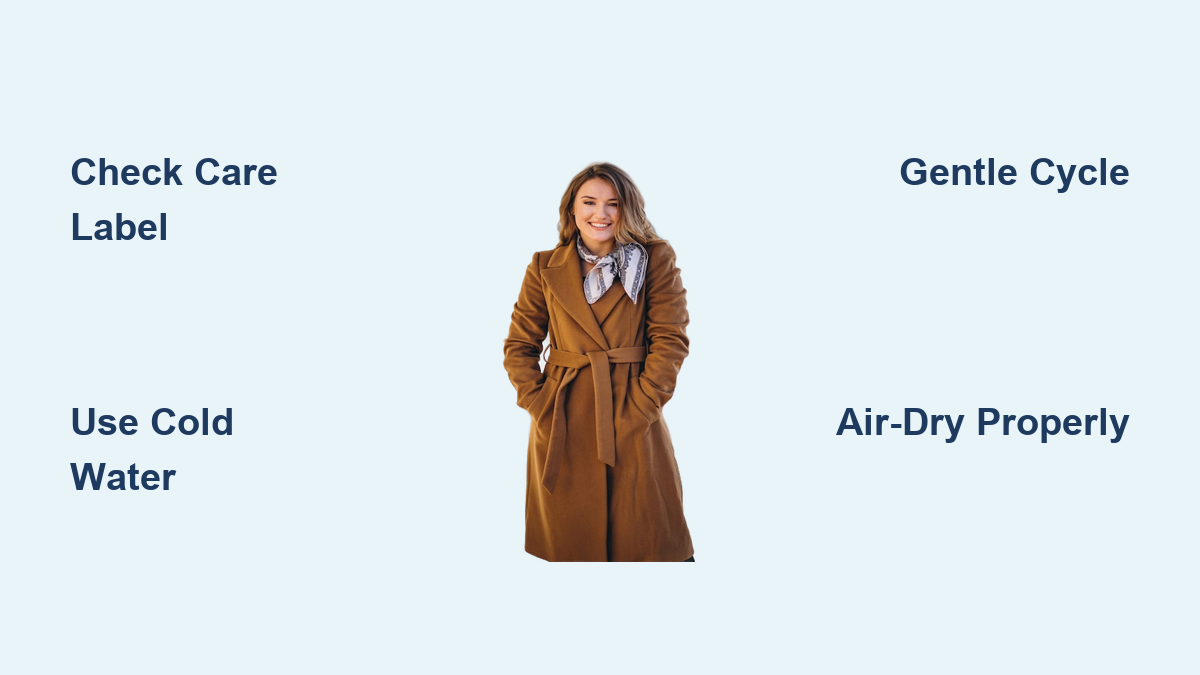
Check the Care Label Before Washing
The care label is your most reliable source of washing guidance. Flip your coat inside out and locate the tag, usually near the collar or side seam. Look for symbols or text indicating water temperature, cycle type, detergent restrictions, and whether dry cleaning is required.
Some coats have multiple labels for different parts like the shell, lining, or trim. If components require different care, follow the most delicate instruction or wash parts separately. Ignoring the label is the number one cause of coat damage. For example, wool can felt and shrink in warm water, and down can lose its loft if washed with regular detergent.
Identify Washable vs. Non-Washable Coats
Coats Safe for Machine Washing
These materials generally tolerate gentle machine cycles when cleaned properly:
- Down and synthetic puffer jackets
- Fleece coats and jackets
- Cotton trench coats
- Polyester dusters
- Certain wool-blend coats (check label first)
Coats to Avoid Machine Washing
Skip the washing machine for these items:
- Leather, suede, or vinyl coats
- Natural fur trim or full fur coats
- Structured wool coats with heavy tailoring
- Vintage or fragile outerwear
- Coats with water-sensitive trims
When in doubt, opt for professional cleaning to avoid irreversible damage.
Prepare the Coat for Washing
Empty Pockets and Fasten All Closures
Always empty every pocket because coins, keys, or tissues can damage the drum or coat. Then zip all zippers to prevent snagging, and button all buttons and snap closures to maintain structure. This simple step protects both the coat and your washing machine.
Turn the Coat Inside Out
Flipping the coat inside out shields the outer fabric from abrasion, preserves color and water-resistant finishes, and targets hidden sweat stains in collars and underarms. It is a small action with big benefits for longevity.
Remove Detachable Parts
Take off hoods, fur or leather trims, and removable linings before washing. Wash these separately only if their care labels match the shell requirements. Never wash a coat with non-removable fur or leather because water can ruin them.
Pretreat Stains Before Washing
Spot-Treat High-Soil Areas
Even if the coat looks clean, areas like collars, cuffs, and underarms collect oils and sweat. Pretreat them by applying a dime-sized amount of fabric-safe stain remover and using a soft brush to gently work it in. Focus on visible stains or odor-prone zones, and always test on a hidden area first to avoid color damage.
Avoid Harsh Chemicals
Never use bleach or heavy-duty stain removers unless the label specifies otherwise. For enzyme-based products, avoid use on wool or silk unless labeled safe. Stick to mild, pH-balanced solutions for delicate fabrics.
Choose the Right Washing Machine
Use a Front-Loader When Possible
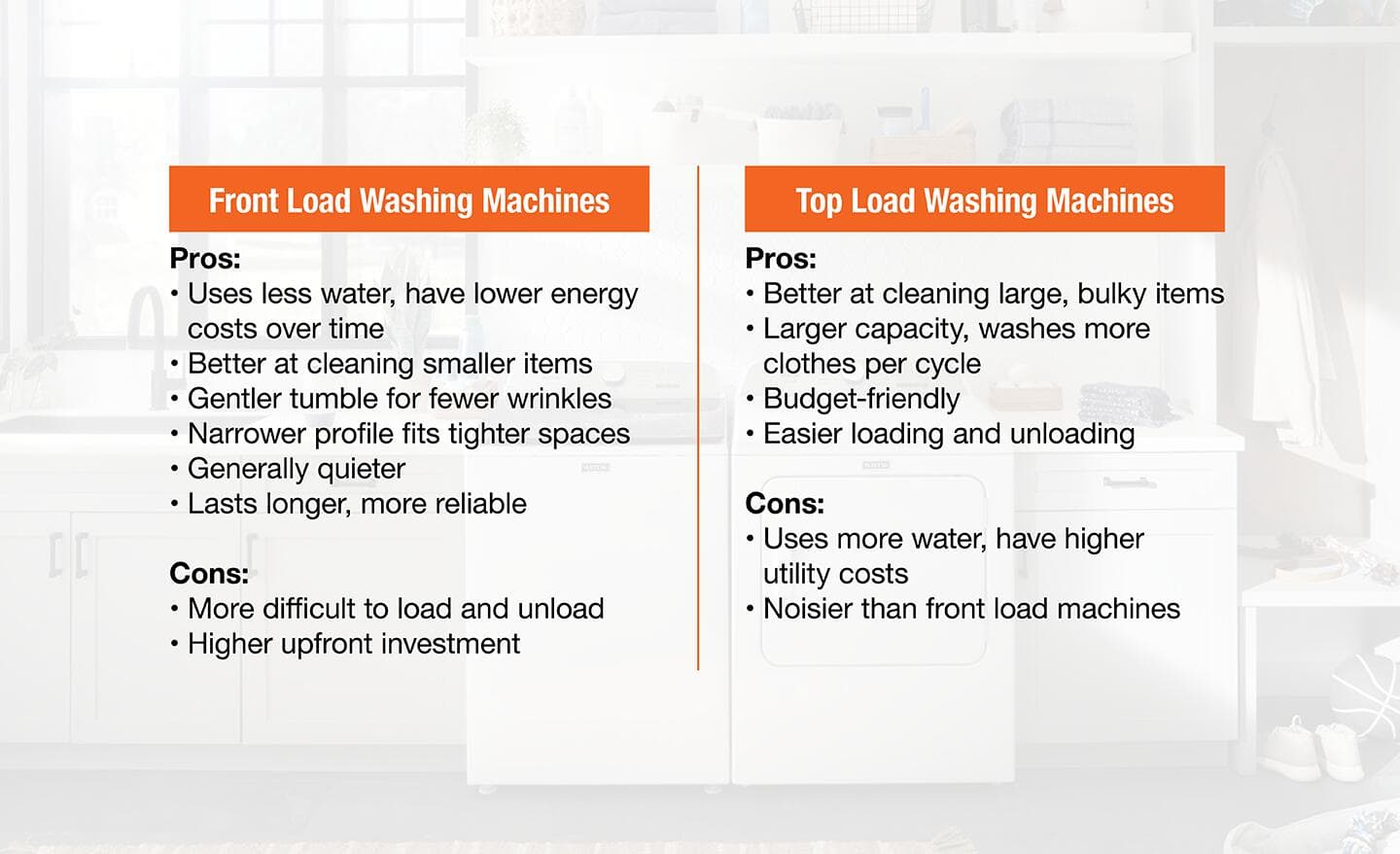
Front-loading washers are ideal because they lack a central agitator that can tear or twist bulky coats, offer gentler tumbling action, and provide better water distribution. If you only have a top-loader, ensure it is high-efficiency and agitator-free because older models with agitators can damage thick or structured coats.
Ensure Adequate Capacity
Large coats like parkas need space to move freely. Use a large-capacity machine because many home units struggle with volume. If your coat barely fits, consider using a laundromat commercial washer.
Use a Mesh Washing Bag
Slip the coat into a mesh laundry bag before loading. This prevents snagging and tearing, reduces tangling, and helps maintain shape. Mesh bags are especially useful for faux fur, vintage coats, and coats with loose trims. It is a small investment for big protection.
Select the Right Detergent

Match Detergent to Fabric Type
Using the wrong detergent can strip oils or leave residue. Choose the correct type for your coat:
- Down and synthetic puffers: Use down-specific detergent like Nikwax or Woolite because regular detergent removes natural oils and reduces loft
- Wool and cashmere: Use wool and cashmere shampoo that is enzyme-free and gentle in cold water
- Cotton and polyester: Use regular HE detergent that is effective on dirt and odors
- Thinsulate and thermal: Use mild detergent and avoid fabric softeners because they clog fibers
Use the Correct Amount
Measure precisely because too much detergent will not rinse out and can stiffen fabric. For HE machines, use HE-compatible detergent only. Pour into the dispenser, not directly on the coat, for even distribution.
Set the Correct Wash Cycle
Use Cold Water
Cold water is safest for nearly all coats. It prevents shrinking, protects dyes, and maintains insulation in down and synthetic materials. Only use warm water if the label allows and the coat is heavily soiled.
Choose a Gentle Cycle
Select the gentle, delicate, or hand-wash cycle for wool, down, faux fur, and vintage pieces. Use permanent-press for synthetic puffers and cotton coats. Avoid heavy-duty or regular cycles because they are too harsh for outerwear.
Adjust Spin Speed
Use low spin for delicate or structured coats to reduce stress. Use high spin if allowed for thick coats to remove more water and speed drying. Check your care label for specific guidance.
Enable Extra Rinse and Spin
Thick fabrics trap suds easily. Enable the extra rinse cycle to flush out all detergent and use extra spin to reduce moisture, especially in layered or insulated coats. This step prevents stiffness, odor, and damage to water-repellent coatings.
Dry the Coat Properly
Air-Dry Most Coats
Lay flat on a drying rack or hang on a wide, padded hanger. Avoid direct sunlight because it fades colors, and avoid radiators or vents because they warp fibers and shrink wool. Air-drying is essential for wool and wool blends, trench and duster coats, leather, suede, and vinyl. Never wring or twist the coat because it can distort the shape.
Machine-Dry Only When Safe
If the label says machine drying is safe, use a no-heat or low-heat setting. Tumble dry with wool dryer balls or clean tennis balls to break up clumps in fill, restore loft, and speed up drying. Run multiple cycles, pausing to shake and fluff between runs. Ensure the coat is 100 percent dry because damp down breeds mildew and loses warmth.
Wash Specific Coat Types Correctly
Down Coats and Parkas
Wash in a front-loader on gentle cycle with cold water and down-specific detergent. Dry on low heat with dryer balls, running multiple cycles until completely dry. Full drying is non-negotiable because partial drying ruins insulation.
Wool Coats
Wash in cold water on gentle cycle with wool-safe detergent. Always air-dry flat or hung, and never machine-dry. Consider dry cleaning seasonally to prevent moths and maintain drape.
Fleece Coats
Wash on permanent-press cycle with cool water and regular detergent. Air-dry or tumble dry on low heat. Never use high heat because it causes pilling.
Trench and Duster Coats
Wash on delicate cycle with cold water and air-dry only. Remove lining if possible and reapply water-repellent spray every few years to maintain weather resistance.
Leather and Suede Coats
Never machine-wash leather or suede. Spot clean leather with a damp cloth or seek professional cleaning. For suede, use a suede brush or eraser for spot cleaning, or opt for professional services.
Avoid Common Washing Mistakes
Many coat damage results from these preventable errors:
- Ignoring the care label
- Using regular detergent on down fills
- Overloading the washing machine
- Using hot water on delicate fabrics
- Skipping the extra rinse cycle
- Machine-drying wool or structured coats
- Storing a damp coat
One mistake can undo months of wear, so take the time to do it right.
Refresh Coats Between Washes
Wash coats once per season unless soiled or smelly. To freshen between washes, use wool and cashmere spray for odor control, or steam to remove wrinkles and bacteria by hovering a garment steamer over the fabric. Air the coat outdoors in sunlight because UV rays naturally kill odor-causing bacteria. For vintage faux fur, steam only and never wash.
Store Coats Correctly After Washing
Ensure the coat is completely dry before storing. Hang on a wooden or padded hanger because plastic deforms shoulders and metal rusts. For down jackets, store in a breathable cotton bag or pillowcase and never compress in a stuff sack because this damages loft. Keep in a cool, dry, dark place with good airflow, and add cedar blocks for wool coats to deter moths.
When to Seek Professional Help
For high-value, structured, or complex coats, professional cleaning is safer. This includes tailored wool coats, coats with fur, leather, or suede, and vintage or heirloom pieces. Services like Rinse or local dry cleaners specialize in delicate outerwear and can extend its life.
Frequently Asked Questions About Washing Coats in the Machine
Can I wash a wool coat in the washing machine?
Only if the care label specifies machine washing. Use cold water on a gentle cycle with wool-specific detergent, and always air-dry flat or hung. When in doubt, dry clean seasonally to preserve the coat is shape and drape.
What happens if I use regular detergent on a down jacket?
Regular detergent strips the natural oils from down feathers, reducing loft and insulation power. This causes the jacket to flatten and lose warmth. Always use down-specific detergent or Woolite for best results.
How do I know if my coat is machine-washable?
Check the care label inside the coat. Look for symbols indicating machine washability, water temperature, and cycle type. If the label says dry clean only or shows a tub with an X, avoid machine washing.
Can I put my coat in the dryer?
Only if the care label permits machine drying. For down jackets, use low heat with dryer balls. For wool, cotton, and structured coats, always air-dry because the dryer can shrink or warp the fabric.
How often should I wash my coat?
Wash once per season unless the coat is visibly stained or develops an odor. Over-washing can accelerate fabric wear. Spot clean minor stains and freshen with steam between full washes.
Key Takeaways for Washing Coats in the Washing Machine
Washing a coat in the washing machine does not have to be risky. By following the care label, using the right settings, and drying properly, you can keep your outerwear clean, warm, and looking new for years. The most important steps are checking the label first, using cold water and gentle cycles, selecting fabric-appropriate detergents, and air-drying unless the label explicitly permits machine drying. For down jackets, always use down-specific detergent and dry completely with dryer balls to maintain loft. When in doubt between washing methods, air-dry and consult a professional cleaner because your coat will thank you with years of reliable wear.