Pressure Washer Maintenance Guide
A neglected pressure washer often fails due to a seized pump or clogged carburetor, turning a powerful cleaning tool into an expensive paperweight. Proper care prevents these costly breakdowns and keeps your machine running efficiently for years.
This guide details the exact steps to inspect, flush, and protect your unit before and after every use. You will learn how to apply pump saver fluid, change engine oil, and prepare your equipment for winter storage using proven methods.
Perform Critical Pre-Use Inspections
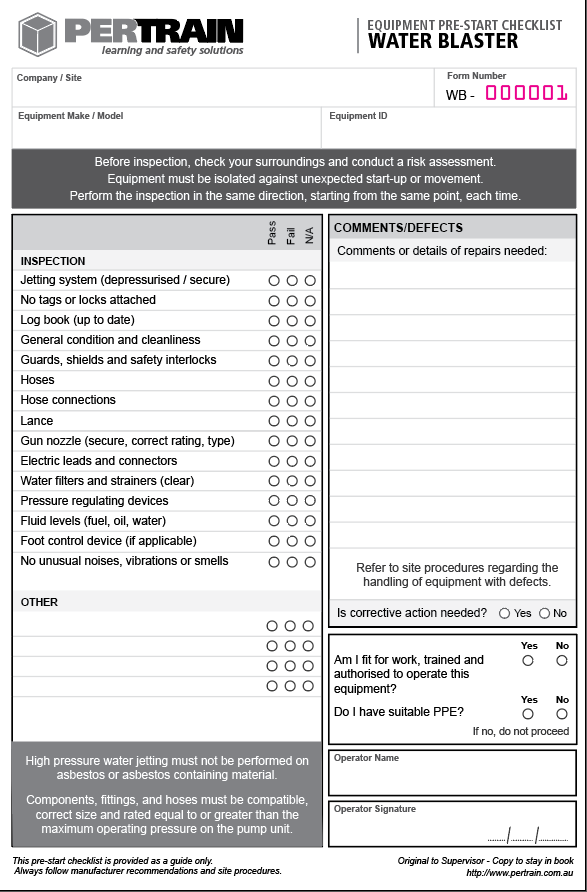
Skipping a pre-use check invites debris into your pump and risks engine damage from low fluids. A quick five-minute inspection ensures safety and optimal performance before you start cleaning.
Verify Engine Oil and Fuel Levels
Check the engine oil dipstick immediately to ensure the level is adequate for operation. Top off with 30-weight oil like Valvoline VR1 if the level appears low on the stick. Always use fresh gasoline mixed with a stabilizer to prevent carburetor issues caused by ethanol degradation. Fill your tank just before starting to minimize condensation buildup inside the fuel system.
Inspect Water Inlet and Filter Screens
Debris in your water supply can destroy pump internals, so checking screens is vital. Remove the inlet screen at the water intake and rinse it under clean water if you see sediment or sand. Examine the in-line filter screen as well and replace its O-ring if you notice any cracks or wear. A blocked screen restricts flow and causes cavitation that damages the pump over time.
Examine High-Pressure Hoses and Connections
Visually scan your high-pressure hose for any cuts, abrasions, or bulging areas on the outer cover. Replace the hose immediately if you see bulging, as this indicates internal liner failure that could lead to bursting. Check all couplings for tightness and ensure no water leaks from the connections during operation. Flush your garden hose before attaching it to remove any dirt that might enter the pump.
Test Spray Wand and Nozzle Functionality
Attach your wand and trigger gun to check for leaks at every connector point. Fire a short burst of water to confirm that all spray tips are clear and producing a strong stream. Clean any clogged nozzle orifices with a thin pin or wire if the flow seems weak or uneven. Store your nozzles in a labeled case to prevent loss and ensure you select the correct tip for each job.
Execute Post-Use Flushing Routines
Leaving soap or water in your system after use leads to corrosion and mineral buildup that ruins seals. Following a strict shutdown routine protects your investment and prepares the machine for its next use.
Flush Detergent Injection Systems
Run clean water through the detergent injector for two minutes immediately after using soap. This step clears chemical residue that can corrode internal seals and clog the injection tube overnight. Disconnect the siphon tube from the soap bottle before starting this flushing process. Never leave detergent sitting in the system when you finish cleaning.
Release System Pressure Safely
Press and hold the trigger on your spray gun until no more water sprays out after shutting off the engine. This action depressurizes the entire system and prevents stress on seals while reducing injury risk. Never assume the pressure has bled off on its own without manually releasing it. Always verify zero pressure before disconnecting any hoses or components.
Drain Water from Pump Chambers
Pull the recoil starter six times after disconnecting all hoses to expel residual water from the pump. You should see a small drip from the outlet, which confirms the pump chambers are empty. This step prevents freezing damage and internal corrosion during storage. Leaving water inside the pump is a primary cause of cracked housings in cold weather.
Disconnect and Dry All Accessories
Remove both the high-pressure hose and garden hose from the pump immediately after draining. Drain all remaining water from the wand, hose, and gun before coiling them for storage. Leave hoses loosely coiled and store them off the ground to prevent mold and mildew growth. Trapped water weakens seals and promotes rust inside metal components.
Apply Pump Protection Protocols
The pump is the most expensive component on your machine and requires specific lubrication to survive. Applying a pump protector fluid is the single most effective habit for extending pump life.
Use Pump Saver After Every Job
Using a pump protector fluid like Power Care or Berryman after every job takes less than two minutes. This fluid prevents rust, lubricates seals, and displaces moisture that causes internal damage.
- Turn off the water supply and disconnect the spark plug or power source.
- Remove the high-pressure hose from the pump inlet fitting.
- Tilt the unit so the inlet faces upward to prevent fast draining.
- Screw the pump saver bottle directly onto the inlet fitting.
- Squeeze slowly until green or colored fluid exits the outlet.
- Loosen the bottle slightly and tilt to drain any excess fluid.
- Wipe down the pump and store the unit in a dry place.
Pro Tip: Doing this after every use eliminates the need for intensive winterization and drastically cuts repair costs.
Change Horizontal Pump Oil
Models with horizontal shaft pumps require oil changes before long-term storage or heavy use periods. Old oil contains acidic contaminants that damage internal components if left too long.
- Place a drain pan under the pump to catch old oil.
- Remove the drain plug and let all old oil flow out completely.
- Refill through the fill port using a funnel and manufacturer-approved oil.
- Fill to the sight glass mark or about half to three-quarters of a quart.
- Reinstall the plug securely and wipe away any spills.
Warning: Never overfill the pump, as this can cause seal failure and leaks.
Complete Essential Engine Maintenance
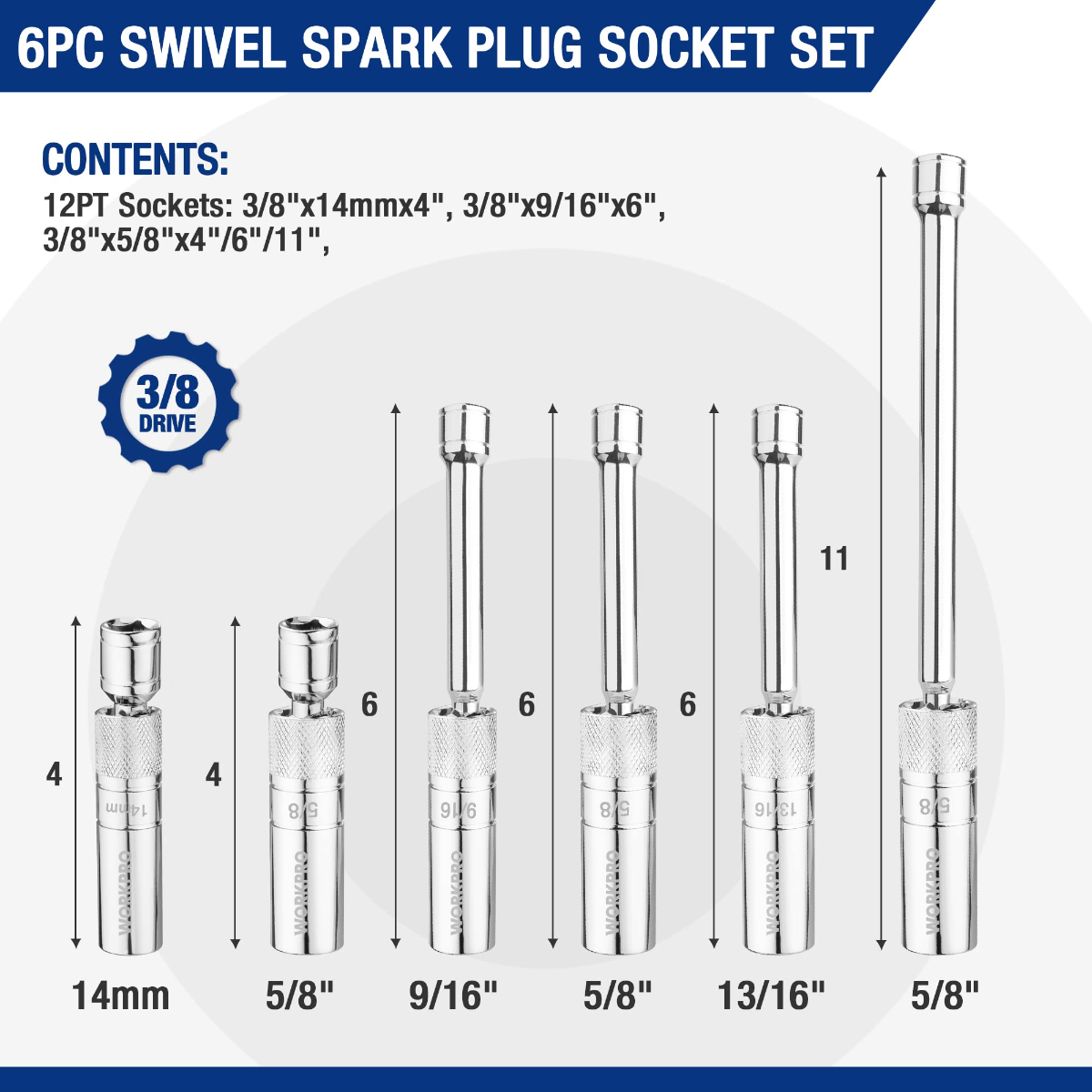
Your engine requires regular care to deliver consistent power and start reliably every time. Neglecting spark plugs, filters, and oil leads to poor performance and hard starting.
Replace Spark Plugs Annually
Replace your spark plug every year or after 100 hours of use to ensure easy starting. A fouled plug causes hard starting and reduces overall engine efficiency significantly.
- Wear gloves and eye protection before touching the engine.
- Disconnect the spark plug wire to prevent accidental starts.
- Use a 13/16-inch socket wrench to remove the old plug carefully.
- Hand-thread the new plug to avoid cross-threading the cylinder head.
- Tighten securely with the wrench and reconnect the wire last.
Note: Always leave the wire disconnected until all maintenance work is fully complete.
Clean or Replace Air Filters
A clogged air filter starves the engine of oxygen and increases fuel consumption. Check your filter every 25 hours and replace it if it looks dirty or damaged.
- Remove both wing nuts holding the top cover in place.
- Take out the old air filter and inspect the compartment for debris.
- Install a new filter that matches your specific engine model.
- Reattach the cover and tighten the wing nuts securely.
Pro Tip: Running without a filter allows dust to enter the engine and cause premature wear.
Change Engine Oil Regularly
Change your engine oil every 50 hours or at the end of each cleaning season. Dirty oil accelerates engine wear and reduces the lifespan of internal components.
- Warm the engine for two to three minutes to loosen the old oil.
- Position a drain pan under the engine drain plug.
- Remove the 10 mm drain plug and let oil drain completely.
- Reinstall the plug by hand first, then tighten it with a wrench.
- Remove the oil fill cap and add 30-weight oil to the top of the threads.
- Wipe spills and recheck the level with the dipstick.
Time-Saver: Use an oil extractor through the fill neck to avoid mess and draining.
Manage Fuel Systems Effectively

Fuel degradation is a leading cause of pressure washer failure, especially with ethanol-blended gasoline. Proper fuel management prevents carburetor clogging and varnish buildup.
Prevent Ethanol Damage with Stabilizers
Ethanol in gasoline attracts moisture and degrades in as little as 30 days without protection. Always add a fuel stabilizer like Stabil 360 to every tank you fill. If you do not use the machine regularly, fill the tank with stabilized fuel and run it for five minutes. This circulates the treated fuel through the entire system for maximum protection.
Prepare for Long-Term Storage
Run the engine dry or drain the tank completely if storing for more than 30 days. Close the fuel valve and let the engine run until it stalls to clear the carburetor. Alternatively, remove the drain screw at the bottom of the fuel tank to empty it. Never store the unit with old fuel inside, as it gums up the carburetor and invites rust.
Maintain Accessories and Hoses
Peripheral components like hoses and nozzles need care to maintain pressure and prevent leaks. Proper storage extends the life of these critical accessories.
Lubricate Nozzles and O-Rings
Flush the wand, connectors, and quick couplers with WD-40 after draining water. This removes soap residue and prevents mineral buildup on metal parts. Dry all components before storage to keep O-rings supple and prevent cracking.
Store Hoses Properly
Coil the high-pressure hose loosely without kinking or crushing it. Hang it on a wall-mounted reel or store it in a shaded, dry area away from direct sunlight. Sunlight degrades rubber over time and leads to premature cracking.
Label and Organize Nozzles
Use a nozzle storage case with labeled slots for different degrees like 0, 15, 25, and 40. This prevents loss and ensures you use the right tip for every cleaning job. Organized nozzles improve cleaning efficiency and safety during operation.
Prepare for Winter Storage Conditions
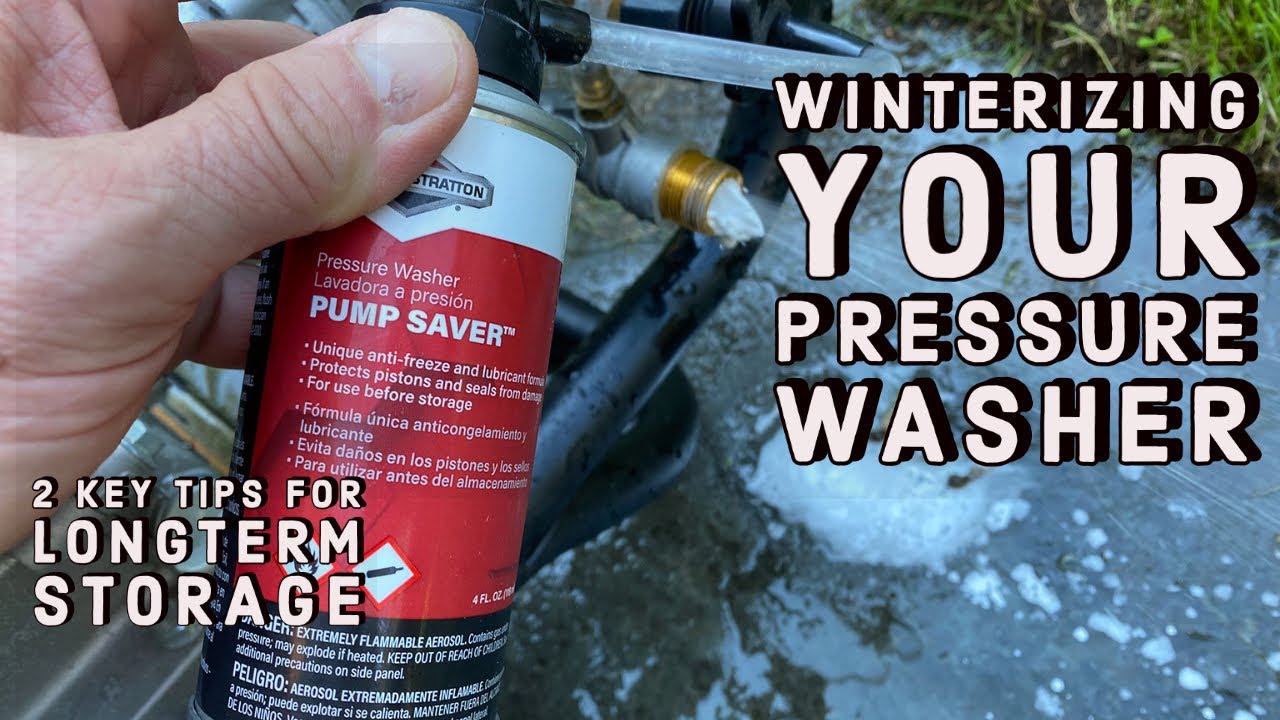
Winterization is critical to prevent freeze damage and corrosion during long periods of inactivity. Follow a complete checklist to ensure your machine survives the off-season.
Complete Winterization Steps
Drain all fuel and run the engine dry before storing for winter. Flush and drain all water from the system, then pull the recoil six times to expel pump water. Apply pump protector fluid to fill the pump chamber and displace moisture. Change engine and pump oil to remove contaminants before storage. Clean the unit thoroughly and cover it with a breathable tarp.
Critical: Never store the unit in an unheated garage without draining water, as frozen liquid can crack pump heads.
Choose the Right Storage Location
Store your pressure washer in a clean, dry, frost-free area. Avoid damp basements or sheds with extreme temperature swings. A garage with stable conditions is ideal for long-term storage. Keep the unit elevated off concrete to prevent moisture absorption from the floor.
Troubleshoot Common Issues Fast
Identifying problems early saves time and money on repairs. Use these diagnostic tips to resolve common pressure washer issues quickly.
Diagnose No-Start Conditions
Check if the spark plug wire is reconnected if the engine fails to start. Drain old fuel and refill with fresh, stabilized gas if the unit has been sitting. Replace the spark plug if it appears fouled or worn from extended use.
Fix Low Pressure Problems
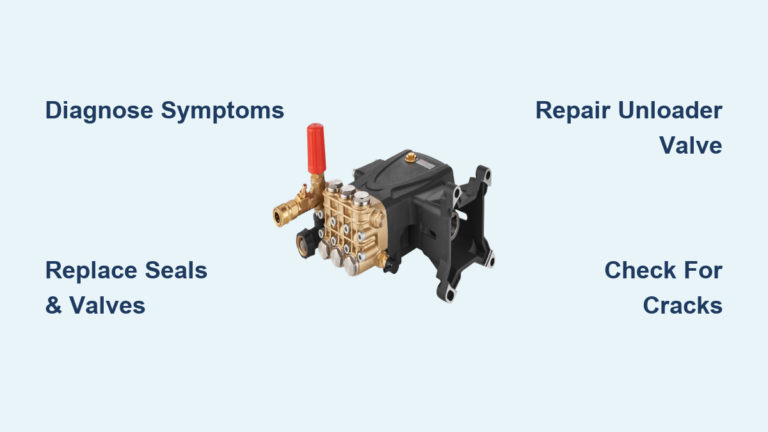
Weak spray usually indicates a clogged nozzle or worn O-rings on connectors. Clean the nozzle orifice with a pin or replace damaged O-rings on the wand. Inspect pump seals if fluid leaks from the pump body during operation.
Address Leaking Hoses Immediately
A bulging outer cover means the inner liner has failed and the hose must be replaced. Do not use a damaged hose, as it can burst under high pressure. Replace with a hose rated higher than your machine maximum PSI.
Resolve Pump Saver Flow Issues
Tilt the pump inlet upward if fluid drains out too fast during application. Continue squeezing until colored fluid exits the outlet to confirm water displacement. Adjusting the angle slows intake and allows full priming of the pump.
Frequently Asked Questions About Pressure Washer Maintenance
How often should I apply pump saver fluid?
You should apply pump saver fluid after every single use, not just seasonally. This habit takes less than two minutes and prevents corrosion while lubricating internal seals effectively.
What type of oil works best for pressure washer engines?
Use 30-weight oil like Valvoline VR1, which contains high zinc for superior wear protection. Avoid oils designed for modern cars with catalytic converters, as they lack necessary additives.
How do I prevent fuel issues during storage?
Add a fuel stabilizer to every tank and run the engine for five minutes before storage. Alternatively, drain the fuel tank completely or run the engine dry to clear the carburetor.
Why is my pressure washer losing pressure?
Low pressure often results from a clogged nozzle, worn O-rings, or a blocked inlet screen. Clean the nozzle orifice and inspect seals for damage to restore full pressure.
Can I leave water in the pump during winter?
No, leaving water in the pump during winter will cause it to freeze and crack the housing. Always drain water and apply pump protector fluid before cold weather storage.
Key Takeaways for Maintaining Your Pressure Washer
Consistent maintenance turns your pressure washer into a reliable tool that lasts for years. The most critical steps include applying pump saver fluid after every use, changing engine oil regularly, and managing fuel properly to prevent carburetor issues.
Start your next cleaning session by performing a full pre-use inspection and end with a thorough flushing routine. Treat your machine with care, and it will deliver powerful cleaning performance whenever you need it.