
How to Wash a Hoodie in the Washing Machine
You pull on your favorite hoodie, only to catch a whiff of lingering sweat or notice the color isn’t as vibrant as it used to be. It’s time to wash it, but how do you clean it without ruining the softness, shrinking the fabric, or cracking the print? Washing a hoodie might seem simple, but the wrong method can lead to irreversible damage like pilling, fading, stretched necklines, or a once-plush fleece that now feels stiff and lifeless.
The good news is that with the right steps, you can keep your hoodie looking and feeling like new for years. This guide breaks down exactly how to wash a hoodie in the washing machine safely and effectively, using cold water, gentle cycles, and smart prep techniques. Whether it’s an oversized fleece, a graphic tee-style hoodie, or a zip-up favorite, we’ll walk you through every step from checking the care label to drying it the right way.
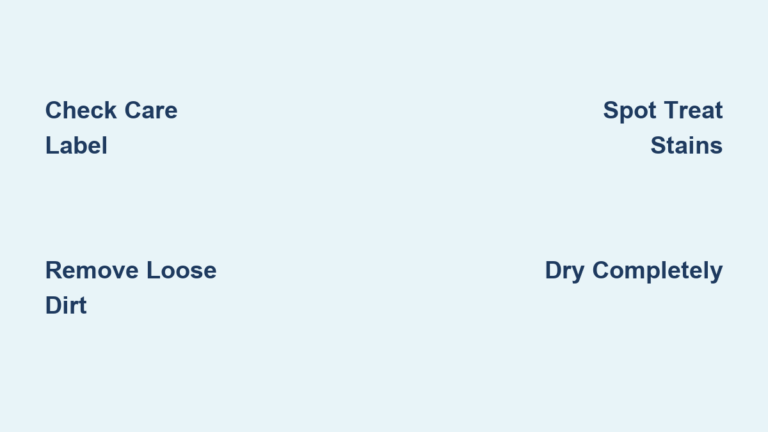
Check the Care Label First
Your hoodie’s care label is the ultimate rulebook. It tells you exactly how to wash it and what to avoid, so skipping this step is the number one cause of damaged hoodies. Always look for symbols or text indicating the wash temperature, cycle type, drying instructions, and any special warnings.
Look specifically for these key details. The label will indicate whether to use cold water, warm water, or if it says “hand wash only,” you should skip the machine entirely. It will also tell you whether to use a gentle cycle or if there are specific instructions for drying, like “lay flat” or “tumble dry low.” Some labels include warnings about bleach or whether dry cleaning is recommended.
Why Labels Matter by Fabric Type
Different fabrics require different care approaches. Cotton blends are often safe for machine washing but prone to shrinkage in hot water. Fleece or plush styles require cold water and air drying, never high heat. Wool or wool-blend hoodies may need a wool cycle or hand washing to prevent felting. For printed or graphic hoodies, labels often specify washing inside out or avoiding tumble drying altogether.
Ignoring the label risks voiding warranties on premium brands and can ruin custom or limited-edition designs. When in doubt, always follow what the manufacturer recommends.
Wash Less Often, Not More
Over-washing wears out fibers faster than anything else. Most hoodies do not need cleaning after every wear, and washing them too frequently is one of the most common mistakes people make.
When to Wash Your Hoodie
The frequency depends on how you use your hoodie. For daily wear over a shirt, wash every five to seven wears. If you use it lightly with no sweat or odor, you can go up to ten wears. Workout hoodies or outdoor work hoodies should be washed after every two to three wears. Oversized or fleece hoodies benefit from washing every three to five wears. For a new hoodie, wash once before wearing to remove dyes and manufacturing residues.
Extend Time Between Washes
You can keep your hoodie fresher for longer between washes by air it out overnight in a well-ventilated room. Use a fabric spray with vodka or enzymes to neutralize odors. For minor stains, spot-clean instead of doing a full wash. Less washing means longer life, better texture, and brighter colors overall.
Pre-Treat Stains Before Washing
:max_bytes(150000):strip_icc()/stain-removal-tips-1900644-final-4b3ccb1ecfe043729f7237c85dd19be2.png)
Stains set permanently if not treated before washing, especially once heat from drying locks them in. Always inspect and treat stains before loading your hoodie into the machine.
Targeted Stain Solutions
For sweat or body odor, mix equal parts white vinegar and water, spray on underarms and collar, and let sit for ten to fifteen minutes. For grass, food, or blood stains, apply a color-safe stain remover or mild detergent, gently rub in, wait five to fifteen minutes, and always test on a hidden area first. For oil or grease, blot excess with a paper towel, dab with a few drops of dish soap like Dawn, and wait ten to thirty minutes without drying until fully removed. For lingering smells, add one-half cup of baking soda to the wash cycle or pre-soak in cold water with baking soda for thirty minutes.
Always check the hoodie after washing but before drying. Re-wash if any stain remains, because heat from the dryer will lock it in forever.
Prepare the Hoodie for Washing

Proper preparation protects prints, prevents pilling, and keeps the shape intact. Taking a few extra minutes to prep your hoodie before washing makes a significant difference in how it looks after.
Key Prep Steps
Turn the hoodie inside out to shield prints and colors from friction, reduce pilling and fading, and keep the outer surface smooth. Zip it up completely to prevent the zipper from snagging other clothes or the drum, and use a safety pin on the pull tab to keep it closed. Tie the drawstring ends together to stop them from retracting into the hood channel. Close any pockets and flaps to stop lint buildup and internal abrasion. Consider using a mesh laundry bag for printed, embroidered, or delicate hoodies to reduce agitation and protect surface details.
Sort Laundry Like a Pro
Wrong sorting leads to color bleeding, pilling, and fabric damage. Taking time to sort properly protects your hoodie from unnecessary wear.
Sort By Color, Fabric, and Soil Level
Sort by color to prevent dye transfer. Wash darks like black, navy, and gray separately from lights like pastels and whites. Sort by fabric type as well. Wash soft items together and never pair hoodies with jeans, which cause abrasion, towels, which are lint-heavy and rough, or garments with zippers or Velcro that can snag fabric. For heavily soiled hoodies, wash them alone rather than with lightly worn items.
For best results, wash oversized or plush hoodies solo or with cotton tees and pajamas. Avoid overloading the machine to give the hoodie room to move freely.
Choose the Right Wash Cycle
Using the wrong cycle can stretch, shrink, or destroy your hoodie. Selecting the appropriate cycle for your fabric type is essential for maintaining its shape and quality.
Cycle Guide by Fabric
For cotton or cotton-poly blends, use the delicate or cotton cycle with cold water. For wool or wool-blend hoodies, use the wool or delicate cycle with water below thirty degrees Celsius. For polyester or synthetic hoodies, use the synthetic cycle with cold water. For sponge fleece or plush hoodies, use the gentle or delicate cycle only with cold water.
Always avoid normal, quick, or heavy-duty cycles because they use high spin speeds that damage fibers and distort shape.
Why Cold Water Wins
Cold water prevents shrinkage, especially in cotton fabrics. It preserves color and print integrity and saves energy, using up to ninety percent less energy than hot water. Cold water effectively removes sweat and light dirt while minimizing wrinkling. The only exception is that one hundred percent cotton hoodies may tolerate warm water up to forty degrees Celsius, but cold remains safest.
Use the Right Detergent
The wrong detergent leaves residue, dulls colors, or ruins performance fabrics. Choosing the correct detergent matters as much as the washing method.
Detergent by Fabric
For cotton blends, use a mild, color-safe liquid detergent and avoid bleach. For wool or silk blends, use a wool-specific, pH-neutral detergent and avoid harsh chemicals. For all types, use a low-dose liquid detergent rather than powder, which can leave residue. For performance fabrics like Dri-FIT, use a sport-specific detergent and avoid fabric softener.
What to Never Use
Never use fabric softener because it coats fibers with wax, reduces breathability, dulls moisture-wicking in athletic hoodies, and makes fleece feel stiff over time. Avoid bleach entirely, even color-safe varieties, because it weakens dyes and fibers, causes fading, and damages prints. Instead of fabric softener, add one-half cup of white vinegar to the rinse cycle to remove detergent buildup, soften naturally, and set colors.
Dry Safely: Air Dry Is Best
Drying is where most hoodies get ruined. Heat causes shrinkage, cracked prints, and hardened fabric, so this step requires careful attention.
Best Method: Air Dry Flat
Remove the hoodie from the washer and press gently to remove excess water without wringing. Roll it in a dry towel to absorb moisture, then lay flat on a clean towel or mesh rack. Reshape to the original size while damp and dry indoors away from direct sunlight, which fades colors. Drying time is typically eight to twenty-four hours depending on thickness.
Alternative: Hang Dry
If hanging to dry, use a wide, padded hanger and clip from the bottom hem rather than the shoulders. Avoid hanging by the hood because it stretches the neckline. Never hang a wet hoodie by the shoulders, as it will stretch out of shape.
Dryer Use Only If Label Allows
If you must use a dryer, select low heat or delicate only and dry until slightly damp, then finish flat. Add wool dryer balls to fluff fleece and reduce drying time. High heat destroys prints and shrinks cotton, so even low heat risks damage on premium or oversized styles.
Fabric-Specific Care Tips

Not all hoodies are created equal. Tailor your routine to the material for the best results.
Sponge Fleece Oversized Hoodies
Wash in cold water on gentle cycle and always air dry flat. Avoid dryers, jeans, and towels. The main risks are pilling and print cracking from friction.
French Terry Hoodies
Wash cold on delicate or cotton cycle. Air dry is preferred, but brief low-heat drying is acceptable if needed. These are more durable but still benefit from gentle care.
Cotton Polyester Blend
Wash cold or warm up to forty degrees Celsius on gentle cycle. Can handle occasional low-heat drying. Turn inside out to protect prints.
Sherpa Fleece or Oodie-Style
Wash cold on gentle cycle. Avoid washing with Velcro or linty items. Air dry or use lowest heat setting. Fix pilling with a fabric shaver.
Wool or Wool-Blend
Wash on wool cycle or hand wash in cold water with minimal agitation. Never wring. Lay flat and reshape while wet. Avoid ironing; use steam instead.
Printed Hoodies
Wash inside out on cold gentle cycle and air dry only because heat weakens ink. Iron only over a cloth on low heat and never directly on the print. Hand washing provides the best print longevity.
Zipper Hoodies
Zip fully closed before washing and use a safety pin on the pull tab. Avoid corrosive detergents. Dry away from heat to prevent plastic teeth from warping.
Hand Wash for Delicate Styles
For hand wash only hoodies or high-value pieces, skip the machine entirely.
Step-by-Step Hand Washing
Fill a sink with cold water and add one-fourth of a detergent sheet or one teaspoon of mild liquid detergent. Submerge the hoodie and gently press, do not scrub. Soak for ten to fifteen minutes, focusing on stained areas. Rinse thoroughly with cold water. Press out water by rolling in a dry towel, then lay flat to dry.
This method is ideal for vintage, wool, or limited-edition graphic hoodies.
Long-Term Maintenance Tips
Keep your hoodie in top shape between washes with these maintenance practices.
Avoid Fabric Softener
Fabric softener causes buildup, stiffness, and reduced absorbency. Use white vinegar in the rinse cycle instead for natural softening.
Do Not Iron Unless Necessary
Heat can melt prints or flatten fleece. If needed, use low heat and a protective cloth. A better option is to hang the hoodie in the bathroom during a hot shower to relax wrinkles naturally.
Never Use Bleach or Acid Wash
Both degrade dyes and weaken fabric, ruining prints and causing uneven fading.
Store It Right
Always dry the hoodie completely before storing to prevent mildew. Fold or use a wide hanger to keep shoulders from sagging. Keep in a cool, dry place away from sunlight.
Fix Common Hoodie Problems
Know how to address common issues when they arise.
Drawstring Disappeared
The pull was likely retracting into the hood channel. Use a safety pin or cord lock to rethread. Prevent this by tying knots in the ends before washing.
Pilling on Surface
This is caused by friction from washing with rough clothes. Fix it with a fabric shaver or sweater stone. Prevent by washing inside out, avoiding the dryer, and using a mesh bag.
Print Cracked or Peeling
This is caused by exposure to heat from dryers or hot water. It is not reversible, so prevent it by washing cold, inside out, and air drying.
Hoodie Feels Stiff
Detergent or fabric softener buildup causes this. Fix by washing one to two times with cold water and no detergent. Prevent by avoiding softeners and rinsing thoroughly.
Colors Faded
Heat, UV light, and harsh detergents cause fading. This is not reversible, so prevent it by washing cold, inside out, and drying in the shade.
Stretched Neckline
Hanging wet or improper drying causes stretching. This is not fully reversible, so prevent it by drying flat or from the hem, never by the shoulders.
Frequently Asked Questions About Washing Hoodies
Can I machine wash an oversized hoodie?
Yes, use cold water, gentle cycle, mild detergent, and air dry. Avoid washing with rough fabrics like jeans or towels.
Should I hand wash my hoodie?
Hand washing is not required for most hoodies but is ideal for delicate prints, wool blends, or hoodies with hand wash only labels. Soak in cold water with gentle detergent, rinse thoroughly, and lay flat to dry.
Can I iron a hoodie?
Ironing is not recommended, especially on printed hoodies, because heat can melt designs or flatten fleece. Use steam from a bathroom shower instead to relax wrinkles.
Does washing in cold water clean effectively?
Yes, cold water effectively removes most everyday dirt and sweat without damaging fibers, making it ideal for lightly soiled hoodies.
Will my hoodie shrink?
Only if exposed to hot water or high dryer heat. Cotton-rich fabrics are most prone to shrinkage. Washing cold and air drying prevents this issue.
Do prints fade over time?
With improper care, yes. Heat, friction, and UV exposure cause fading. To preserve prints, wash inside out, use cold water, air dry away from sunlight, and avoid washing with abrasive fabrics.
Can I dry clean a hoodie?
Dry cleaning is not necessary and can be harmful. Some dry cleaning solvents degrade fleece or rubber-based prints. Stick to gentle machine washing and air drying instead.
Key Takeaways for Washing Your Hoodie
The secret to a long-lasting hoodie is simple: cold wash, inside out, gentle cycle, air dry. Following these core principles prevents shrinkage, preserves color and print integrity, and maintains the soft feel of your favorite fleece. Always check the care label first because it provides manufacturer-specific instructions critical to safe laundering. Wash hoodies less frequently, every five to seven wears for daily use, and treat stains immediately before they set.
With proper care, a quality hoodie can last fifty to one hundred washes or more, maintaining its softness, shape, and style for years. Treat your hoodie right, and it will keep you cozy wash after wash.