How to Wash Carpet in Washing Machine
You’ve spilled coffee, tracked in mud, or noticed your small carpet has lost its freshness. Instead of tossing it or booking an expensive cleaning service, you might wonder: can I just toss this in the washing machine? The answer is sometimes, but not all carpets survive a spin cycle. This guide walks you through exactly how to wash carpet in a washing machine safely without damaging your appliance or the rug.
We’ll cover how to verify if your carpet can handle the wash, how to load it properly, which cycle to use, and why air-drying is non-negotiable. Whether it is a bathroom mat, kitchen runner, or small decorative rug, this step-by-step approach ensures a clean, fresh result every time.
Check If Your Carpet Is Washable
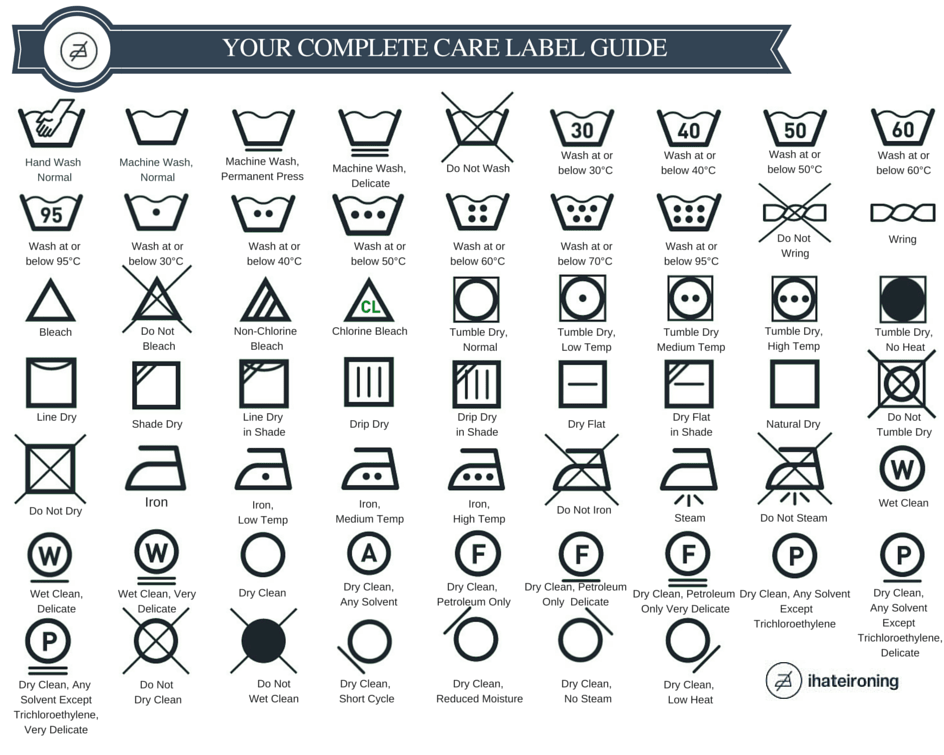
Before turning on the machine, confirm your carpet can handle the cycle. Washing the wrong type can cause irreversible shrinkage, damage to fibers, or harm your washing machine.
Look for a Care Label
Flip the carpet over and search for a tag or printed instructions on the backing. Look for terms like “machine-washable,” “safe for washer use,” or “wash cold, gentle cycle.” If it says “dry clean only” or lists wool, silk, or natural fibers, do not machine wash. These materials can shrink, felt, or disintegrate in water.
Assess Carpet Type and Size
Only small, lightweight, low-pile carpets should go in a home washing machine. Ideal candidates include bathroom floor mats, kitchen anti-fatigue mats, entryway rugs under 2′ x 3′, and synthetic fiber rugs made from polypropylene, nylon, or polyester. Avoid washing large area rugs, heavy wool or cotton rugs, rugs with rubber or foam backing, and vintage or handwoven textiles.
Load the Washing Machine Safely

Even a washable carpet can cause serious damage if loaded incorrectly. Proper loading prevents mechanical strain and appliance displacement during the cycle.
Place Carpet Loosely in the Drum
Open the washer door and lay the carpet gently inside. Do not fold, roll tightly, or cram it in. The goal is even weight distribution so the drum spins smoothly without creating an uneven load that leads to excessive vibration.
Never Mix with Other Laundry
Washing a carpet with towels, clothes, or other rugs increases the risk of imbalance. The carpet may absorb extra water and become too heavy, throwing off the machine is balance and causing loud thumping or displacement. Use one carpet per load.
Add the Right Detergent
Add one high-efficiency laundry pod or the recommended amount of liquid detergent. Avoid powder detergents because they may not dissolve fully and can leave residue in thick fibers. Skip fabric softener and bleach unless explicitly approved for your carpet.
Choose the Right Wash Cycle
Selecting the wrong cycle can damage both the carpet and your machine. The right settings minimize stress while ensuring thorough cleaning.
Use Bulky or Bedding Setting
Opt for a cycle labeled “bulky,” “bedding,” “large item,” or “rug” if available. These settings use slower spin speeds and longer wash times, which reduce stress on the machine and help maintain balance. Avoid heavy-duty or deep clean cycles with aggressive agitation.
Stick to Cold or Lukewarm Water
Use cold or lukewarm water unless the manufacturer specifies otherwise. Hot water can melt synthetic fibers, cause shrinkage, or degrade adhesives in layered mats. Cold water protects both the fibers and any backing material.
Monitor the Spin Cycle
The spin phase is when problems can occur, especially with uneven loads. Staying nearby during the first few minutes helps prevent damage.
Watch for Excessive Vibration
Stay nearby during the first few minutes of the spin cycle. If you hear loud banging, shaking, or see the machine walking across the floor, pause the cycle, open the door if safe, reshape or reposition the carpet for better balance, then restart the spin. Persistent imbalance can damage the washer is drum bearings, suspension, or pump.
Inspect After the Cycle
Wait until the entire cycle finishes and the drum stops completely before opening the door. Pulling the carpet out mid-cycle risks flooding or mechanical strain. After the cycle ends, inspect the machine for water pooling underneath, ensure the drum spins freely, and check that the carpet feels evenly wet, not clumped or twisted.
Air-Dry the Carpet Completely
:max_bytes(150000):strip_icc()/spr-hugear-outdoor-rug-mike-navarro-19-dc501dd78ba44239a16ca998e2ee4455.jpeg)
Drying is just as important as washing. Improper drying leads to mildew, odors, and warping. Never skip this step.
Lay Flat on an Elevated Surface
The best method is outdoor air-drying on a deck chair, patio table, or clothesline with a flat rack. Position the carpet so both sides get airflow and keep it off the ground to prevent dirt pickup and slow drying. Sunlight helps kill bacteria and freshen odors naturally.
Flip Every Few Hours
Turn the carpet over every 2-3 hours to speed up drying. Most small rugs dry in 1-4 hours depending on humidity, thickness, and sun exposure. Test for dryness by pressing your palm into the fibers. If you feel any coolness or dampness, keep drying.
Never Use a Tumble Dryer
Even if the carpet survived the wash, the dryer is a no-go unless the label specifically says “dryer-safe.” Uneven tumbling traps moisture in folds, high heat can melt synthetic fibers or scorch edges, and overloaded dryers restrict airflow, increasing fire risk. Natural fibers like cotton can shrink dramatically. No exceptions.
Know What Not to Wash
Just because something fits does not mean it belongs in the washer. Understanding which carpets to avoid prevents costly mistakes.
Avoid These Carpet Types
Avoid washing wool rugs because they will shrink and felt in water, silk or delicate fiber rugs that are too fragile for agitation, rugs with rubber backing that trap water and promote mold, large area rugs that are too heavy and can break home washers, and vintage or antique rugs that are irreplaceable and structurally weak. For these, use a professional cleaning service or spot-clean with a damp cloth and mild detergent.
Use Commercial Machines for Larger Rugs
If you have a medium-sized rug that is machine-washable but too large for your home washer, consider a laundromat is commercial machine.
Benefits of Commercial Washers
Commercial washers offer larger drum capacity, higher spin efficiency, and are built to handle bulky items like comforters and rugs. They often have dedicated rug or blanket cycles. Bring your own HE detergent and follow the same guidelines: cold water, no mixing, slow spin. Always call ahead to confirm the location allows rugs.
Prevent Damage to Your Washer
Your washing machine is not designed for rugs, but you can minimize risk with proper technique.
Balance Is Everything
An unbalanced load is the number one cause of washer damage. Load the carpet loosely and centered, use only one rug per cycle, and consider adding 1-2 bath towels if the drum is very large to help balance small rugs. Do not overdo it because adding too many items increases weight and friction.
Inspect Machine After Use
After the cycle, wipe down the drum and door seal, check for trapped fibers or debris, and run an empty hot water cycle with washer cleaner monthly to prevent odor buildup. This keeps your machine running smoothly for regular laundry.
Frequently Asked Questions About Washing Carpets in a Washing Machine
Can I wash any carpet in my washing machine?
No. Only carpets labeled as “machine-washable” should go in your washer. Check the care tag for specific instructions. Carpets made of wool, silk, or with rubber backing should be cleaned professionally or spot-treated.
How often can I machine wash my carpet?
Wash machine-washable carpets only 2-4 times per year. Overwashing degrades fibers and can cause premature wear. For maintenance between washes, shake out the carpet monthly and spot-clean spills immediately.
What happens if my carpet is not machine-washable?
Non-machine-washable carpets can shrink, felt, lose shape, or damage your washing machine. The agitation and water can destroy natural fibers like wool and cotton. Always check the label first.
Can I dry my carpet in the dryer?
No. Unless the manufacturer explicitly states the carpet is dryer-safe, air-drying is required. Tumble dryers can melt synthetic fibers, scorch edges, shrink natural fibers, and create fire risks due to restricted airflow.
Why is my washing machine vibrating violently during the wash?
Violent vibration usually indicates an unbalanced load. The carpet may be bunched, too heavy for the machine, or mixed with other laundry. Stop the cycle, redistribute the carpet evenly, and restart. If vibration persists, use a commercial washer or professional cleaning service.
What is the best way to dry a carpet after washing?
Lay the carpet flat on an elevated surface outdoors, such as a deck chair or drying rack. Ensure both sides get airflow by flipping every few hours. Drying takes 1-4 hours depending on thickness and humidity. Never place carpet in a tumble dryer.
Key Takeaways for Washing Carpets in Your Washing Machine
Following these steps ensures safe and effective cleaning of machine-washable carpets while protecting both your rug and your appliance. First, always verify washability by checking the care label for “machine-washable” before proceeding. Second, load the carpet loosely in the drum without folding or mixing with other laundry. Third, use the bulky or bedding cycle with cold water and slow spin speeds. Fourth, monitor the spin cycle for excessive vibration and rebalance if needed. Fifth, air-dry the carpet completely on an elevated surface outdoors, flipping every few hours. Finally, never use a tumble dryer unless the label specifically permits it.
By sticking to these rules, you can safely refresh small, machine-washable carpets at home, saving time and money while extending the life of your favorite floor mats. When in doubt, do not wash it. A quick spot treatment or professional clean is always safer than risking damage to your carpet or washing machine.