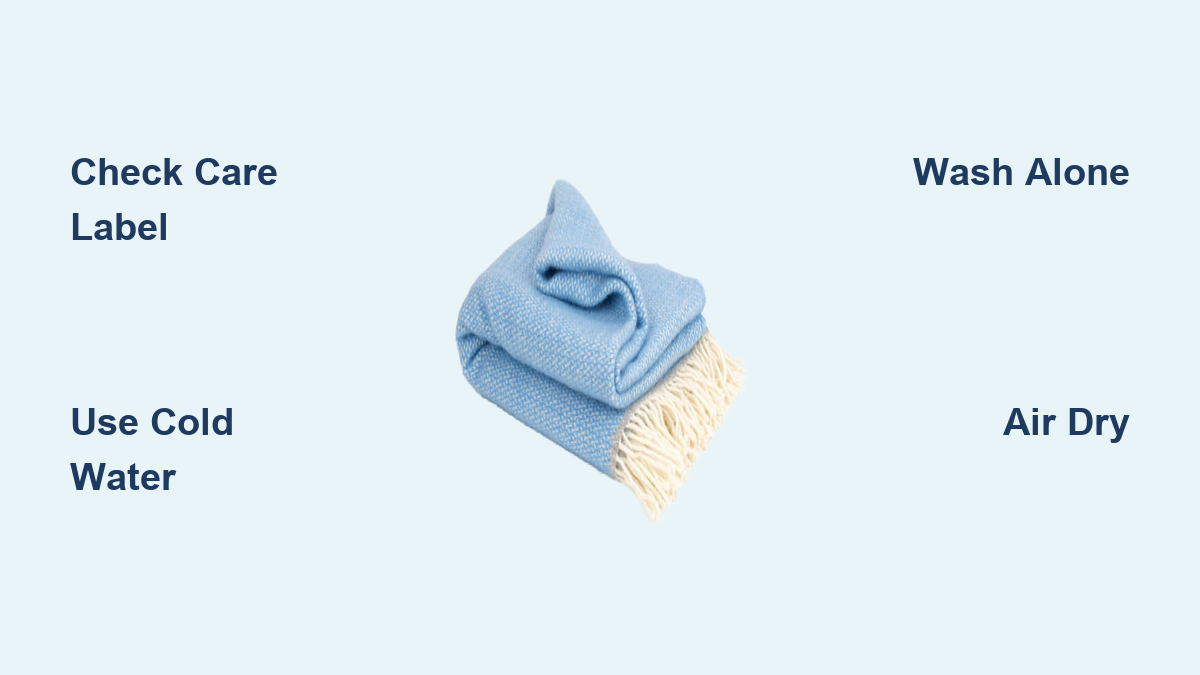
How to Wash a Blanket in the Washing Machine
Nothing beats the comfort of a soft, clean blanket—until it starts to smell or feel dingy after weeks of use. If you’ve ever wondered how to wash blanket in washing machine without ruining it, you’re not alone. Many people hesitate to toss their favorite throw or weighted blanket into the washer, fearing shrinkage, damage, or machine strain. But with the right steps, most blankets can be safely and effectively cleaned at home.
The key is knowing your blanket’s material, checking the care label, and using the correct settings. Whether it’s cotton, fleece, wool, or even an electric blanket, each type demands specific handling. This guide breaks down everything you need to know—from stain treatment and cycle selection to drying tips and detergent choices—so you can wash any blanket safely and confidently. By the end, you’ll know exactly how to keep your blankets fresh, fluffy, and long-lasting.
Check the Care Label First
Before doing anything, read the care label. It’s the most reliable source of washing instructions. Look for symbols or text indicating whether the blanket is machine washable or dry clean only, the maximum water temperature recommended, the appropriate cycle setting like delicate or bulky, any detergent restrictions, and whether professional cleaning is required.
Ignoring this step can lead to irreversible damage. You might shrink a wool blanket in hot water or ruin an electric blanket’s internal wiring. If the label says “dry clean only,” don’t machine wash it. For machine-washable labels, proceed with the appropriate settings based on the specific material.
Prepare the Blanket for Washing
Pretreat Stains Before Washing
Spot clean visible stains before starting the cycle to ensure they don’t set in during washing. Mix mild detergent with cold water, apply directly to the stain, and let sit for 10 to 15 minutes. For stubborn marks, you can let it sit overnight. Blot gently—never scrub, which can fray fibers and damage the weave.
For blood stains, use only cold water. Heat sets protein-based stains, making them nearly impossible to remove. Avoid bleach on all blankets—it weakens fabric fibers and causes discoloration that can’t be reversed.
Unplug Electric Blankets Completely
If you’re washing an electric blanket, safety comes first. Unplug and remove all control units and cords before any water exposure. Only wash if the manufacturer explicitly allows machine washing. Never submerge the cord or controls in water, and always check the care label for specific instructions.
Choose the Right Washing Machine Settings
:max_bytes(150000):strip_icc()/how-to-select-the-correct-cycle-2145866_FINAL-10d1b95640284e0a8d01d4523455c7ee-25c018a4c0304212a13315b7ab181e33.png)
Washing settings vary significantly by blanket type. Using the wrong cycle or temperature can damage fibers or reduce softness. Always match your settings to the material.
Cotton Blankets: Warm or Cold, Normal Cycle
Cotton blankets are generally durable and forgiving. Use warm or cold water based on the care label instructions. Select the normal cycle with a standard enzymatic detergent like Tide. Cotton blankets can be washed with similar colors and are resistant to wear, though they may shrink if dried with high heat.
Fleece and Sherpa: Cold, Gentle Cycle
Fleece and Sherpa blankets require more delicate handling. Wash in cold water on the gentle or delicate cycle using a mild detergent. Always wash these separately to prevent pilling caused by friction from zippers, buttons, or rougher fabrics. Avoid fabric softeners—they coat fibers and reduce breathability, leaving the blanket feeling less soft over time.
Wool Blankets: Cold, Wool or Hand-Wash Cycle
Wool requires the gentlest treatment. Use cold or lukewarm water at 30°C (86°F) or lower. Select the wool, delicate, or hand-wash cycle. Use a wool-safe detergent containing lanolin to preserve softness and prevent shrinkage. Never use hot water—it causes felting and irreversible shrinkage. Soak for 15 minutes before washing for better cleaning results.
Weighted Blankets: Cold, Gentle or Duvet Cycle
Weighted blankets need careful handling to protect their internal filling. Use cold or lukewarm water (30°C maximum) on the gentle or duvet cycle. Choose a mild, neutral pH detergent. Avoid bleach and fabric softeners entirely. If the blanket exceeds 20 pounds, use a commercial washer at a laundromat rather than straining your home machine.
Electric Blankets: Cool Water, Delicate Cycle
Electric blankets demand extra caution. Use cool or cold water on the delicate cycle with gentle detergent. Always follow the brand’s specific instructions. Never use bleach or fabric softener. Air dry completely before reconnecting any controls—typically 24 to 48 hours.
Faux Fur and Crochet: Cold, Gentle with Protection
For faux fur, wash alone on cold, gentle cycle and air dry. Once dry, brush gently to restore fluffiness. For crochet blankets, use a mesh laundry bag, cold water, and gentle cycle to protect the weave. Lay flat to dry to maintain shape and prevent stretching.
Use the Correct Detergent and Additives
Best Detergents by Blanket Type
Choosing the right detergent matters as much as the cycle setting. For general use, Tide Oxi Pods or Tide Free & Gentle provide enzymatic power that removes stains and odors effectively. For sensitive skin or baby blankets, use Dreft or Tide Free & Gentle—both are certified free of dyes and perfumes. Wool blankets need wool-specific detergent with lanolin to preserve softness. Microfiber and weighted blankets work best with cold-water compatible, low-residue formulas.
Enzymatic detergents like Tide break down body oils and stains effectively, even in cold water. This makes them ideal for blankets that need gentle yet thorough cleaning.
What to Avoid
Skip the bleach on all blanket types—it damages fibers and weakens fabric structure. Powdered detergents may not dissolve fully in cold water, leaving residue on delicate fabrics. Fabric softeners coat fibers and reduce absorbency and breathability, especially problematic for microfiber and performance fabrics.
Safe Additives for Freshness
Scent boosters like Unstopables or Snuggle add long-lasting fragrance. Pour them directly into the drum before loading the blanket. Fabric rinses like Downy Rinse use citric acid to remove mineral and odor buildup. They’re five times more effective than vinegar and won’t interfere with detergent performance. Use them in the softener dispenser.
Never put laundry pods in the dispenser. Place them directly in the drum before adding the blanket for proper dissolution.
Load the Machine Properly
Wash Alone or with Similar Items
Wash large or heavy blankets alone to allow complete freedom of movement. For smaller blankets, pair only with like-sized, soft items. Avoid washing with jeans, towels, or anything abrasive that could cause pilling or snagging.
Prevent Overloading and Imbalance
Overloading reduces cleaning efficiency and strains the machine. In top-loading machines, ensure the blanket is evenly distributed around the agitator or drum. Shake the blanket out before loading to prevent clumping, which leads to uneven cleaning and potential damage to the machine’s balance system.
Use a Mesh Laundry Bag for Delicates
A mesh laundry bag provides essential protection for crochet, Sherpa, or thin fleece blankets. It reduces agitation and shields fibers from snagging on drum holes or other items. This simple step extends the life of delicate blankets significantly.
Special Care for Specific Blankets
How to Wash a Weighted Blanket
Confirm the blanket is machine-washable by checking the label first. Use cold water and the gentle or duvet cycle with a mild, low-suds detergent. Wash alone or use a commercial washer if the blanket exceeds 20 pounds. Do not use high spin cycles—they can damage stitching and shift the filling unevenly. Air dry when possible; if machine drying, use low heat and fluff frequently throughout the cycle.
Note that cotton batting-filled weighted blankets should not be washed with water. Instead, air them out in sunlight every few months to sanitize and freshen.
How to Wash a Wool Blanket Safely

Shake the blanket outdoors to remove dust and loose particles. Spot clean any stains with cold water and wool detergent. Soak in cold water for 15 minutes before washing to help the detergent penetrate fibers. Use the wool cycle or hand-wash setting. Never wring or twist—press water out gently with your hands. Lay flat to dry away from direct sunlight to prevent fading and maintain shape.
Wool blankets should only be washed two to three times per year to preserve the fibers and extend their lifespan.
How to Wash an Electric Blanket
Unplug and remove all controls and cords completely. Use cool water and the delicate cycle with mild detergent. Never use bleach or fabric softener. Air dry completely—this takes 24 to 48 hours. Do not tumble dry. Before reusing, inspect the blanket for any damage to wiring or seams.
Dry the Blanket Correctly
Air Dry Whenever Possible
Air drying is the best method for wool, electric, crochet, and faux fur blankets. Lay flat on a clean towel or drying rack. Keep out of direct sunlight to prevent fading. Flip occasionally for even drying on both sides. Ensure the blanket is 100% dry before storing—this is especially critical for weighted and electric types to prevent mold and electrical damage.
Machine Dry with Caution
If machine drying is necessary, use low heat or the air-dry setting only. For weighted blankets, use the duvet cycle if available. Stop the dryer every 20 to 30 minutes to fluff and redistribute the filling manually. Remove promptly to prevent wrinkles and stiffness that set into the fabric.
Never use high heat. It melts synthetic fibers and damages insulation in electric blankets.
How Often Should You Wash a Blanket
Wash frequency depends on how the blanket is used. For daily use, wash every three to four weeks. For occasional use, every three to four months is sufficient. Baby blankets and pet blankets need more frequent washing—every one to two weeks using hypoallergenic detergent. Allergy sufferers should wash monthly with fragrance-free, dermatologist-tested products.
Spot clean between washes for spills, drool, or stains to extend the time between full washes and protect the fabric.
Prevent Common Washing Problems
| Problem | Cause | Fix |
|---|---|---|
| Musty smell | Dampness, detergent buildup | Use enzymatic detergent plus Downy Rinse; clean washer monthly |
| Stiff texture | Residue, high heat | Use less detergent; add fabric rinse; dry on low |
| Clumping in weighted blankets | Poor drying technique | Fluff manually during drying; air dry when possible |
| Shrinkage | Hot water, high heat | Always use cold water and air dry |
| Fading or pilling | Harsh detergents, friction | Wash separately; use mild detergent; avoid zippers |
Clean Your Washing Machine Monthly
A dirty washer can make blankets smell worse instead of cleaner. Run an empty cycle monthly with Tide Washing Machine Cleaner or Downy Rinse using hot water if safe for your machine. Clean the detergent drawer by removing it and rinsing under running water. Wipe the door seal and drum to prevent mold buildup.
If you have hard water, choose detergents with built-in water softeners like Tide. Add citric acid-based fabric rinse to prevent mineral buildup that can affect cleaning performance.
Recommended Products by Use Case
| Need | Best Product | Why |
|---|---|---|
| General cleaning | Tide Oxi Pods | Enzymatic power removes stains and odors |
| Odor removal | Tide plus Downy Rinse | Breaks down body soils better than vinegar |
| Sensitive skin | Tide Free & Gentle, Dreft | NEA and NPF certified, no dyes or perfumes |
| Softness and scent | Downy, Unstopables | Long-lasting freshness and smooth texture |
| Static control | Bounce MegaSheet | Three times the static-fighting power for large loads |
| Washer care | Tide Washer Cleaner, Downy Rinse | Prevents mold, odor, and residue |
Step-by-Step: How to Wash Any Blanket in a Washing Machine
- Check the care label to confirm machine washability
- Pre-treat stains using cold water and mild detergent
- Unplug electric blankets and remove all controls
- Choose the correct cycle based on blanket material
- Set water temperature to cold or lukewarm (30°C or lower)
- Add appropriate detergent—enzymatic, mild, or wool-safe
- Load the machine properly, washing alone or with similar items
- Start the cycle and ensure even distribution
- Dry properly—air dry preferred, low heat if machine drying
- Inspect before storing to ensure completely dry
Key Takeaways for Washing Blankets in Your Machine
Not all blankets belong in the washing machine. When in doubt, follow the care label or opt for professional cleaning—especially for large, heavy, or delicate materials. Using the right method protects your investment, keeps your blanket soft, and ensures it stays cozy for years. With this guide, you now have the knowledge to wash any blanket safely, effectively, and with confidence.
Frequently Asked Questions About Washing Blankets in a Washing Machine
Can I wash a weighted blanket in a washing machine?
Yes, if the care label permits. Use cold water on the gentle or duvet cycle with mild detergent. If the blanket exceeds 20 pounds, consider using a commercial washer at a laundromat to prevent machine damage.
What temperature should I use to wash a wool blanket?
Use cold or lukewarm water at 30°C (86°F) or lower. Hot water causes wool to felt and shrink irreversibly. Always use the wool or delicate cycle with wool-safe detergent.
How do I keep my blanket from getting stiff after washing?
Stiffness comes from detergent residue or high heat drying. Use less detergent, add a fabric rinse like Downy Rinse, and dry on low heat or air dry. Avoid fabric softeners on some materials as they can also cause stiffness.
Can I wash an electric blanket in the machine?
Only if the manufacturer explicitly states it’s machine washable. Unplug all controls first, use cool water on delicate cycle, and air dry completely—typically 24 to 48 hours—before reconnecting.
How often should I wash blankets I use every night?
Wash blankets used daily every three to four weeks. Between full washes, spot clean any stains or spills to keep the blanket fresh and extend the time between machine washes.