Pressure Washer Pump Types Explained
If your pressure washer loses power after a few months or overheats during routine cleaning, the issue likely lies with the pump type rather than the motor. Selecting the correct pressure washer pump types determines how long your machine lasts and whether it can handle daily commercial work or just weekend chores.
This guide breaks down the differences between wobble plate, axial cam, and triplex plunger designs so you can avoid costly mistakes. You will learn exactly how each mechanism works, what their lifespans look like in real hours, and which model fits your specific cleaning volume.
How Wobble Plate Pumps Function for Light Duty
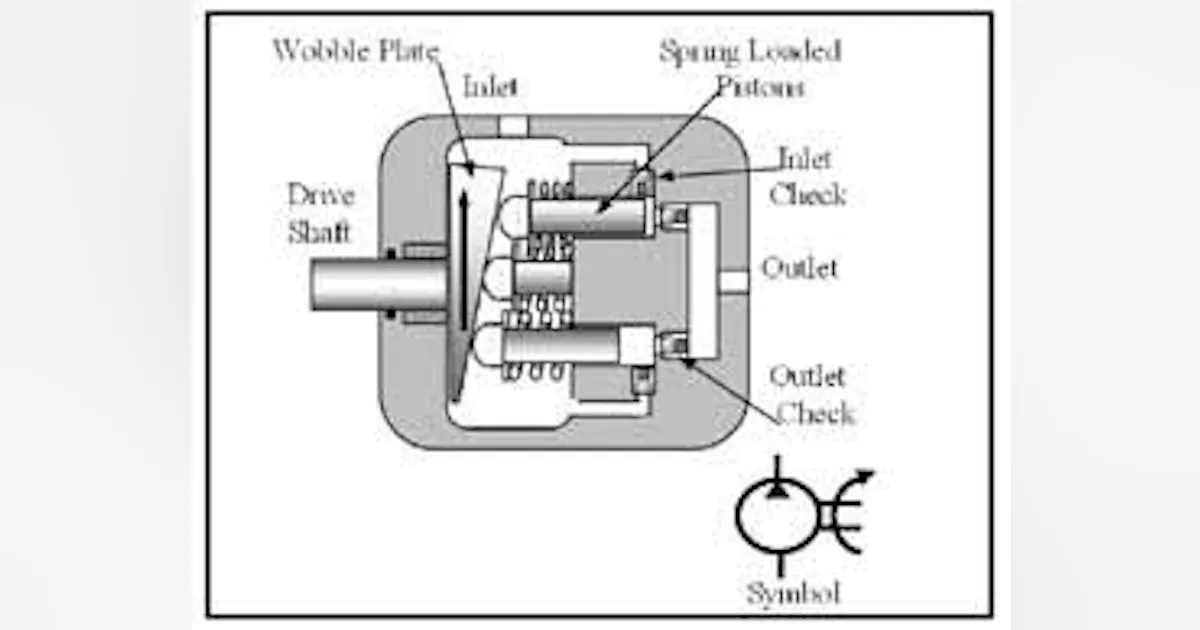
Wobble plate pumps serve as the entry-level option for budget-friendly electric and small gas models under 2,500 PSI. These units rely on a simple mechanism where a rotating drive shaft pushes pistons against large return springs to create pressure.
Why Spring Resistance Limits Efficiency
The design uses large springs to return pistons after each stroke, which wastes a significant amount of energy. This constant compression creates internal friction that limits overall efficiency to around 70 percent.
- Energy Loss: Up to 30% of power fights spring resistance.
- Wear Points: Multiple small parts working together increase failure risks.
- Visual Cue: Look for a compact cylindrical housing with the motor shaft feeding directly into the body.
Lifespan and Replacement Reality
These pumps typically last between 200 and 400 hours of operation before failing. For a homeowner running the machine three hours weekly, this translates to roughly two to three years of service.
Common Mistake: Attempting to repair these units is usually futile. The tight seals and fragile springs make disassembly nearly impossible for most users, often making full replacement the only viable option.
Axial Cam Swash Plate Mechanics for Homeowners

Axial cam pumps, also known as swash plate pumps, represent the standard for mid-range gas pressure washers rated up to 3,500 PSI. They offer a noticeable upgrade in durability and smoothness compared to wobble plate designs.
Operational Differences from Wobble Designs
In this system, pistons mount parallel to the drive shaft and rotate against a fixed angled plate called a swash plate. The angle forces pistons in and out without relying on heavy return springs, resulting in smoother operation.
- Fixed Geometry: Piston movement relies on the swash plate angle rather than spring compression.
- Higher RPM: These pumps run at engine speed, typically between 1,000 and 3,600 RPM.
- Heat Generation: High operating speeds cause heat to build quickly without adequate water flow.
Maintenance Needs and Dry Run Risks
Unlike wobble plate models, axial cam pumps are not dry-run safe and can suffer catastrophic damage within 30 seconds of running without water. They feature an oil reservoir requiring changes every 100 to 200 hours to prevent seal degradation.
Warning: Never start the engine until water is flowing through the system. Running dry overheats internal components rapidly due to the lack of cooling water flow.
Triplex Plunger Pumps for Professional Performance
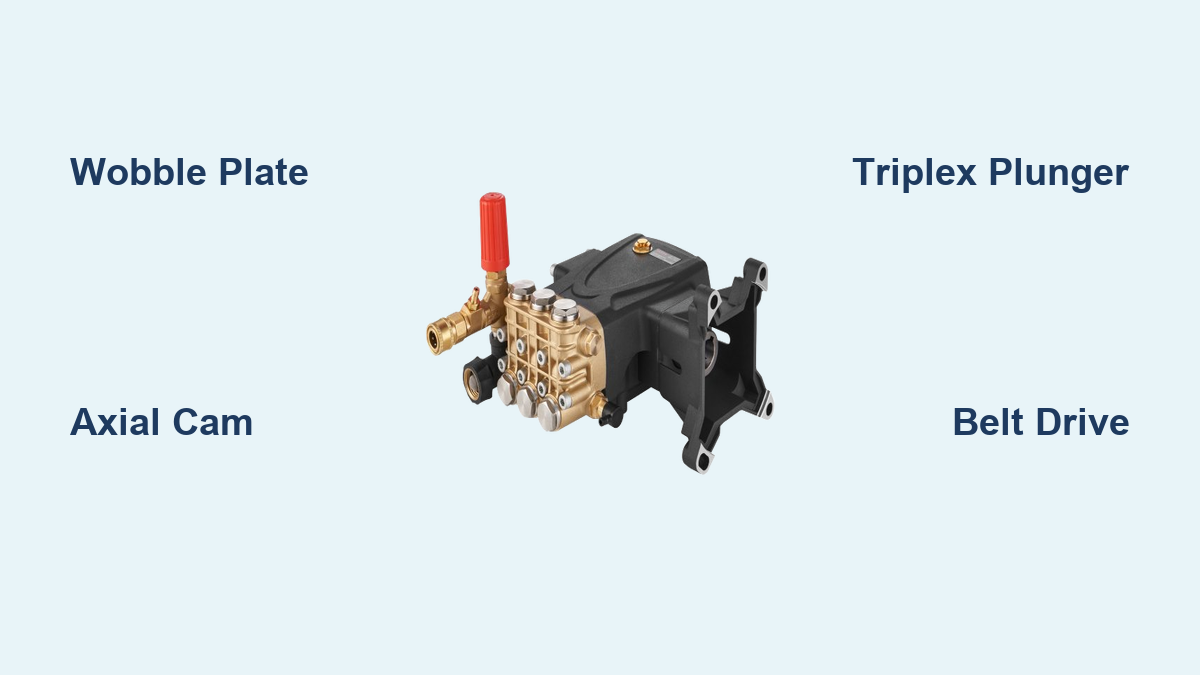
Triplex plunger pumps are the undisputed choice for commercial and industrial applications where uptime and consistency matter most. Engineered like miniature engines, they use a crankshaft and connecting rods to drive three plungers spaced 120 degrees apart.
Crankshaft Design Advantages
The staggered movement of three plungers ensures one is always discharging, creating a near-constant flow with minimal pulsation. This design allows plungers to slide straight in and out without lateral movement, drastically reducing seal wear.
- Modular Head: You can replace valves, seals, or plungers individually without junking the unit.
- Stationary Seals: Seals remain static relative to plunger movement, improving longevity.
- Flow Consistency: Minimal pulsation protects surfaces and ensures even chemical application.
Longevity and Operating Speeds
These pumps operate at optimized low speeds between 1,000 and 1,750 RPM, which reduces friction and thermal stress significantly. With proper maintenance, a triplex pump can last 5,000 to 10,000 hours or more.
Pro Tip: Most failures in these units stem from neglected oil changes or water entering the crankcase. Routine checks prevent these easily avoidable issues.
Direct Drive Versus Belt Drive Configurations
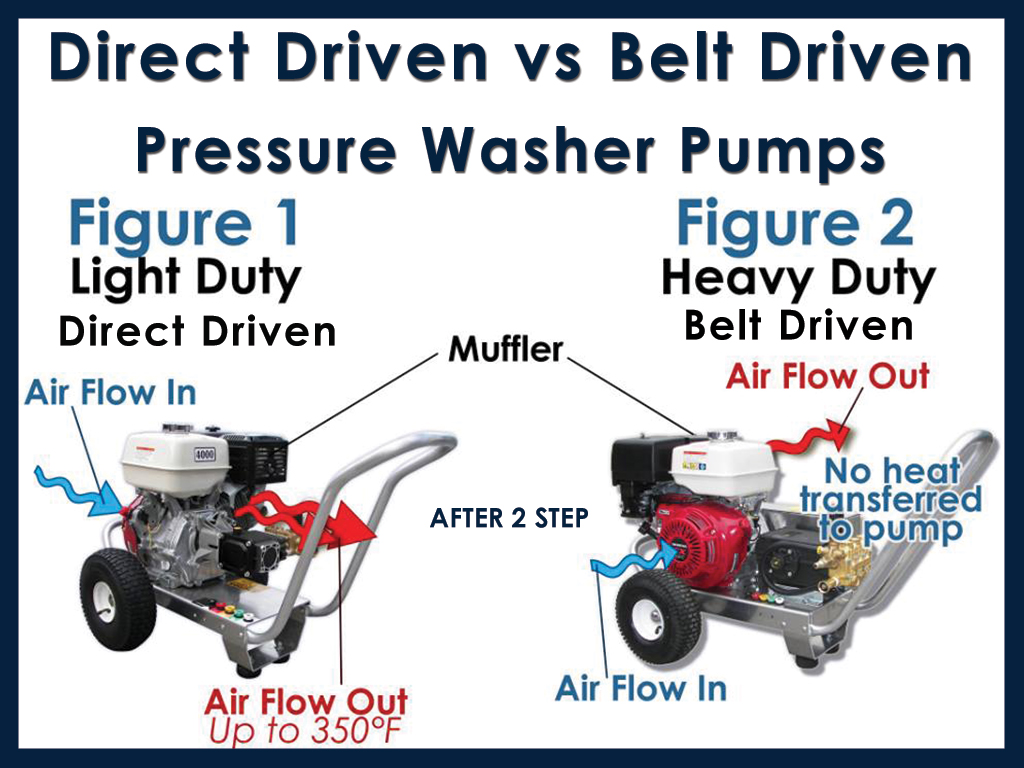
Even within the triplex category, the method connecting the pump to the engine dramatically impacts performance and lifespan. Understanding the difference between direct-drive and belt-drive systems is crucial for professional buyers.
Direct-Drive Triplex Pump Characteristics
Direct-drive models mount the pump directly onto the engine crankshaft, creating a compact and cost-effective unit. While they offer solid performance, they run at higher RPMs unless equipped with a rare gear reduction box.
- Pros: Compact size, fewer parts, and lower upfront cost.
- Cons: Higher heat generation and direct vibration transfer from the engine.
- Best Use: General contractors who use equipment daily but not continuously for eight-hour shifts.
Belt-Drive System Benefits
Belt-drive systems use pulleys and a rubber belt to connect the engine to the pump, allowing for significant gear reduction. This setup isolates the pump from engine heat and absorbs vibration, extending component life.
- RPM Reduction: Lowers pump speed to optimal 1,000–1,750 RPM regardless of engine speed.
- Vibration Dampening: The belt acts as a shock absorber for smoother operation.
- Cooling: Increased spacing improves airflow and separates the pump from engine heat.
Identifying Pump Types by Visual Clues

You do not need to disassemble a unit to determine which pressure washer pump types you are inspecting. Visual inspection and sound analysis can reveal the internal mechanism quickly.
Physical Shape and Mounting Styles
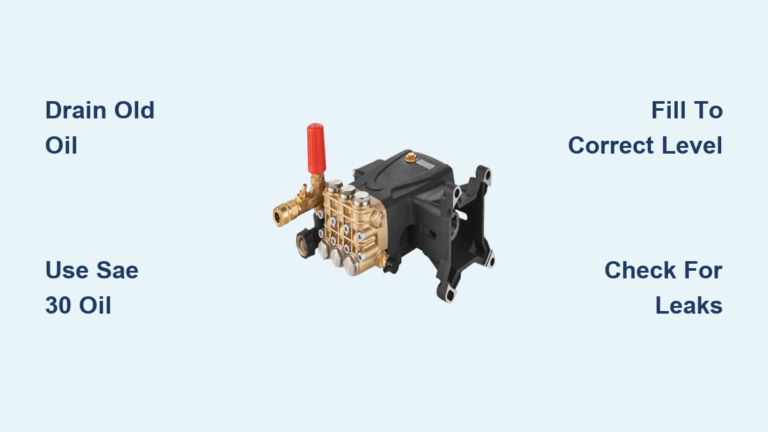
Axial cam pumps typically feature a round, compact cylinder body with the pressure head inline with the engine mount. Triplex pumps usually have a larger, square-style housing with the head mounted at a 90-degree angle or separated entirely in belt-drive models.
- Size Check: Triplex units are noticeably larger and heavier than axial or wobble models.
- Belt Inspection: Look for a belt cover and pulleys between the engine and pump to identify belt-drive systems.
- Sound Test: Triplex pumps produce a smooth, low-frequency thrum while axial models often hum with slight pulsation.
Flow Consistency Test
Run the pressure washer and feel the spray pattern on a surface. Strong pulsation in the hose often indicates a wobble plate or axial cam design. Triplex pumps deliver a steady, consistent stream ideal for delicate cleaning tasks.
Total Cost of Ownership Analysis
The sticker price tells only part of the story when evaluating pressure washer pump types. Calculating the total cost of ownership reveals why professionals avoid budget options despite their low initial price tag.
Hidden Costs of Budget Pumps
Wobble plate pumps may seem cheap initially but often require replacement every two to three years with regular use. Over a five-year period, buying multiple disposable units often exceeds the cost of a single commercial-grade triplex pump.
- Downtime: Non-repairable units mean waiting for parts or buying new machines.
- Frequency: A homeowner might replace a wobble pump three times in the lifespan of one triplex unit.
Long-Term Value of Triplex Units
Triplex pumps offer the lowest cost per hour of operation due to their modular repairability and extended lifespan. Seal kits and oil changes are inexpensive compared to buying a whole new pump.
Example: A belt-drive triplex used 500 hours annually can last a decade. A comparable wobble plate unit would need five or more replacements in that same timeframe, costing more money and causing constant workflow interruptions.
Maintenance Protocols to Extend Pump Life
Proper care prevents the majority of pump failures regardless of which pressure washer pump types you own. Following specific maintenance schedules ensures you reach or exceed the rated service life of your equipment.
Universal Care Rules
Never run any pump dry except for brief priming moments with wobble plate models. Always use clean water filtered from tanks or ponds to prevent debris from damaging internal valves and seals.
- Pressure Relief: Release pressure before shutting down the engine to protect seals.
- Winterization: Drain all water and use antifreeze if storing in freezing climates.
- Oil Checks: Inspect oil regularly for a milky appearance, which indicates water contamination.
Specific Service Intervals
Axial cam pumps need oil changes every 100 to 200 hours, while triplex units can go up to 500 hours between changes. Always use manufacturer-recommended oil rather than generic motor oil to ensure proper lubrication.
Expert Note: Replace seal kits proactively every 1,000 to 2,000 hours on triplex units. Waiting for a leak to appear often means water has already damaged other internal components.
Final Selection Guide for Your Application
Choosing the right pressure washer pump types depends entirely on your annual usage hours and budget constraints. Matching the pump technology to your workload ensures you do not overspend on capability you do not need or underspend on durability you require.
Recommendations by Usage Volume
Select a wobble plate or axial cam pump if you clean less than 50 hours per year for occasional home tasks. Users operating between 50 and 200 hours annually should choose an axial cam pump for better durability. Professionals exceeding 200 hours per year must invest in a triplex plunger pump to minimize downtime and repair costs.
- Occasional Use: Wobble plate offers sufficient performance at the lowest price.
- Frequent Home Use: Axial cam provides the best balance of power and value.
- Commercial Use: Triplex plunger is the only viable option for profitability.
Remember that a higher initial investment in a belt-drive triplex unit often results in lower long-term expenses. The right pump choice saves money, time, and frustration over the life of your cleaning business.
Frequently Asked Questions About Pressure Washer Pump Types
Which pressure washer pump type lasts the longest?
Triplex plunger pumps last the longest, offering 5,000 to 10,000 hours of service with proper maintenance. This lifespan is significantly longer than axial cam or wobble plate designs, making them the standard for professional use.
Can I repair a wobble plate pump when it fails?
Repairing a wobble plate pump is generally not practical due to tight seals and complex internal springs. Most users find it cheaper and easier to replace the entire pump unit rather than attempt a repair.
What is the main difference between axial and triplex pumps?
Axial pumps run at high engine speeds causing more heat and wear, while triplex pumps use a crankshaft to run at lower RPMs for cooler operation. Triplex designs also allow individual part replacement, whereas axial pumps often require full replacement.
Are belt-drive pumps worth the extra cost?
Belt-drive pumps are worth the cost for commercial users because they reduce vibration and heat. This configuration extends the pump lifespan significantly compared to direct-drive models, reducing downtime and repair frequency.
How often should I change the oil in my pressure washer pump?
Change oil every 100 to 200 hours for axial cam pumps and every 500 hours for triplex pumps. Always check the manufacturer guidelines and inspect oil color regularly for signs of water contamination.
Can I run my pressure washer pump without water?
Only wobble plate pumps can run dry briefly without immediate damage. Axial and triplex pumps will overheat and fail quickly if run without water flow, so always ensure water supply before starting the engine.
Key Takeaways for Selecting Pressure Washer Pump Types
Selecting the correct pressure washer pump types determines whether your equipment becomes a reliable asset or a recurring expense. Wobble plate pumps suit occasional light duty, axial cam models serve frequent homeowners well, and triplex plunger units provide the durability professionals require.
Investing in a belt-drive triplex system pays off through reduced vibration, lower operating temperatures, and extended service life. Evaluate your annual usage hours honestly to choose a pump that balances upfront cost with long-term reliability and performance.