Fix Pressure Washer Burner Not Working
Your pressure washer burner is not working despite hearing the fan spin or smelling diesel in the exhaust. This frustrating stall usually happens because one part of the critical ignition triangle fails to function at the exact right moment. Without all three elements present simultaneously, your machine will only blow cold air.
This guide helps you diagnose and repair a pressure washer burner not working by testing air supply, fuel delivery, and spark generation in that specific order. You will learn how to bypass faulty switches, test voltage under load, and identify wiring errors that often occur after part replacements.
Decode the Ignition Sequence to Find the Failure Point
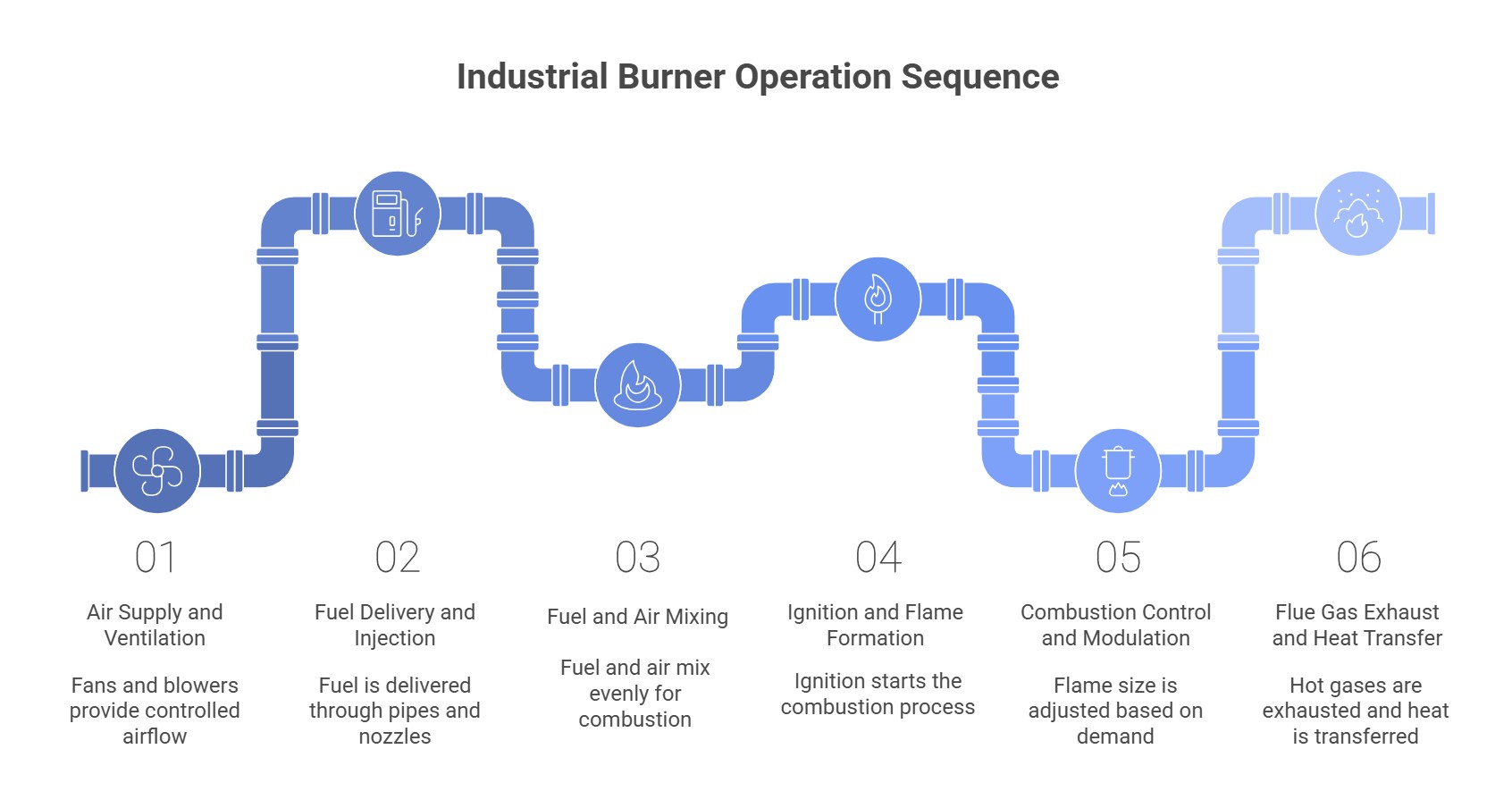
An oil-fired burner requires precise synchronization of air, fuel, and spark to ignite successfully. If your pressure washer burner is not working, it means one of these three systems is broken or out of sync.
How Burners Actually Light
The system follows a strict logical chain when you engage the heat switch. First, the blower motor forces air into the combustion chamber. Next, squeezing the trigger gun signals the fuel solenoid to open and the transformer to create a high-voltage arc.
- Air: The blower motor spins a squirrel cage fan immediately upon activation.
- Fuel: Pressurized diesel sprays through the nozzle only when the trigger is pulled.
- Spark: The transformer generates roughly 10,000 volts across the electrode gap.
Check Your Operating Mode Settings
Some units feature a “Without Gun” (W/O) mode for recirculation or pre-heating without holding the trigger. If your throttle is set incorrectly, the burner will not fire even if components are healthy.
- Set the throttle to “W/O” if you are recirculating water.
- If the burner fires in W/O mode but not during normal use, the issue likely lies with the flow switch or trigger wiring.
Verify Blower Motor Operation and Voltage
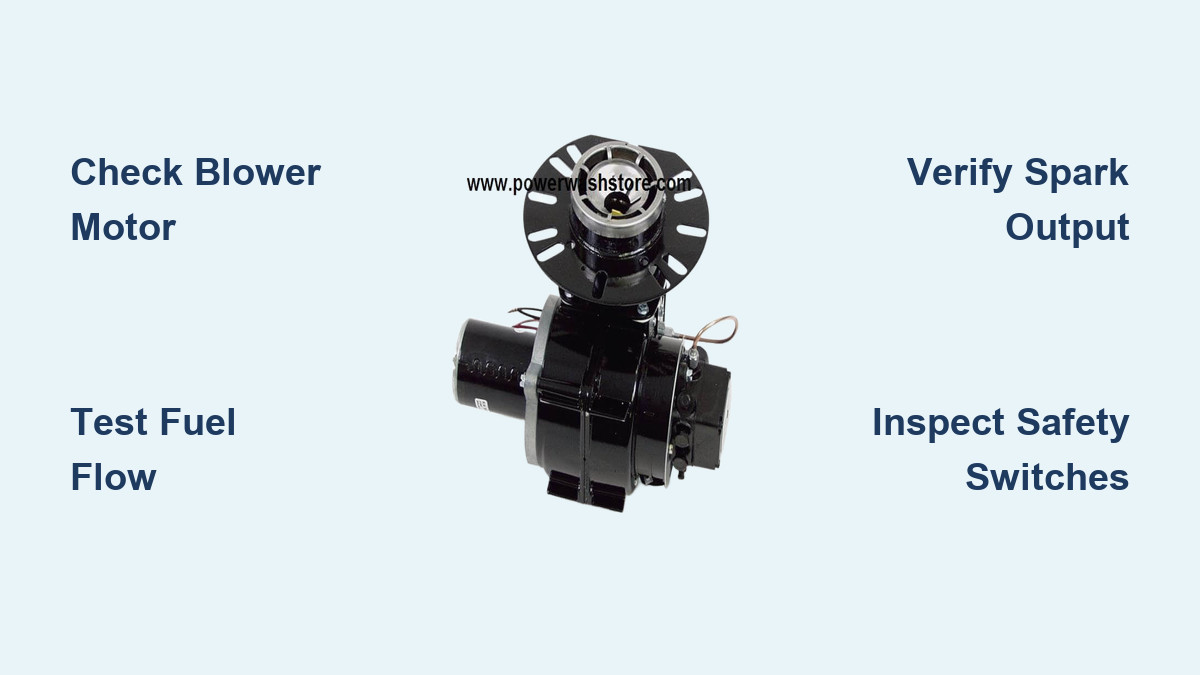
No air means no combustion, making the blower motor the first component to inspect. If this motor does not spin, the rest of the ignition sequence cannot begin.
Confirm Airflow and Reset Overloads
Listen closely when you engage the heat switch. If you do not hear the fan spin up, check the red overload reset button on the motor housing.
- Press the button firmly if it has popped out.
- Trips often occur due to low voltage or a seized fuel pump increasing motor load.
- Water in the fuel system can also cause excessive resistance and trigger the overload.
Test Battery Voltage Under Load
Low voltage is a silent killer for burner systems. A battery reading 11 volts or less will prevent proper operation or cause immediate motor trips.
- Connect a multimeter to the battery terminals.
- Engage the burner switch to put the system under load.
- Watch the voltage reading carefully.
The voltage must stay above 12.5 volts while running. If it drops below 12 volts, charge or replace the battery immediately. Generator users should ensure belts are tight to prevent slipping that causes voltage drops.
Inspect the Mechanical Drive Shaft
The blower motor often drives the fuel pump via a plastic vent ring or coupling. If this part cracks, the blower spins but the pump remains stationary.
- Remove the housing to access the drive shaft.
- Spin the blower by hand to see if the pump turns with it.
- Replace the coupling if there is any slippage between the two parts.
Diagnose Fuel Delivery Problems Step by Step
If air is present, you must verify that diesel is reaching the nozzle at the correct pressure. A blockage or air lock here is a common reason a pressure washer burner is not working.
Look for Bubbles in the Filter
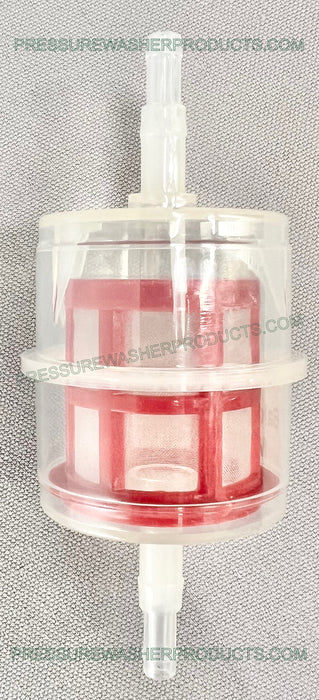
Use a clear water-trapping fuel filter to observe flow visually. When the system runs, you should see fuel movement or bubbling inside the bowl.
- Air bubbles indicate an air lock or suction leak in the line.
- No movement suggests a blockage upstream or a failed pump.
- Replace the filter if it appears dirty or contaminated with water.
Bleed the Fuel Pump Safely
The bleeder valve located on the lower right of the fuel pump helps you verify pressure and remove air.
- Place a rag under the valve to catch spraying fuel.
- Open the valve slightly with a wrench.
- Squeeze the trigger gun to activate the pump.
Diesel should spurt out forcefully if the pump is working. If no fuel emerges, the problem is upstream in the tank, filter, or supply lines. Be careful as fuel can shoot out several feet.
Isolate Upstream and Downstream Issues
Unscrew the fuel line nut going to the burner assembly to test flow directly from the pump. Squeeze the trigger and observe the line.
- Fuel flows: The issue is downstream (solenoid, nozzle, or spark).
- No fuel: The issue is upstream (pump, filter, or tank).
Inspect the Fuel Solenoid and Nozzle
The solenoid must open magnetically to allow fuel through. Hold a screwdriver near the solenoid body while triggering to feel for a magnetic pull.
- Check that the connector is plugged in tightly.
- Inspect the nozzle for carbon buildup or debris that prevents atomization.
- Ensure fuel pressure reaches the target of 120 psi for a proper spray pattern.
Test the Spark System Without Risking Injury
The burner transformer outputs dangerous high voltage, so you must test safely. Never use a standard multimeter to check for spark as it will destroy the tool.
Perform a Safe Spark Test
Remove the latch screw and retainer clip to open the transformer housing. Use an insulated screwdriver with a plastic or rubber handle for this test.
- Hold the screwdriver by the insulated handle only.
- Turn on the burner switch.
- Touch the metal tip between the two terminals.
A healthy system produces a visible spark jumping a 3/8-inch gap. If no spark appears, the transformer is faulty and requires replacement.
Inspect Electrodes and Wiring Colors
Even with a good transformer, cracked ceramics or incorrect wiring can prevent ignition. Check the electrode gap and ensure ceramics are free of cracks.
- Clean carbon buildup from electrodes with a dry cloth.
- Verify wire colors match the diagram exactly, especially after part replacements.
- Check the 7-amp fuse protecting the ignitor circuit for blows.
Wiring mistakes are common after installing new igniters. Red wires connected to black terminals will prevent the spark path from completing.
Bypass and Test Critical Control Switches

Several safety switches prevent ignition if conditions are not met. A failed switch breaks the circuit even if air, fuel, and spark are perfect.
Flow Switch Failure Is Common
The flow switch ensures water is moving before allowing the burner to fire. This is a frequent failure point in many hot water models.
- Hold a strong magnet to the side of the flow switch while attempting to ignite.
- If the burner starts, the flow switch is defective.
- You can bypass the terminals with alligator clips to confirm the diagnosis.
Check Pressure and High Limit Switches
The pressure switch verifies adequate water pressure, while the high limit switch cuts power if water gets too hot.
- Bypass the pressure switch with a jumper wire to test functionality.
- Set the thermostat to maximum and check for continuity with a voltmeter.
- Replace any switch that shows water leaks or fails to pass power.
Resolve Grounding and Intermittent Failures
Poor grounding can prevent the electrical circuit from completing, causing a no-fire condition despite good components.
Burner Must Be Grounded to Frame
Inspect mounting bolts and contact points for corrosion or paint that blocks electrical contact.
- Clean the burner base and frame contact areas.
- Add a dedicated ground strap if the standard mounting does not provide a solid connection.
- Test by grounding the burner directly to the frame with a jumper wire.
Solve Intermittent Burner Failures
If the burner works briefly then dies, suspect marginal voltage or a component failing under load.
- Monitor battery voltage continuously while running.
- Check for loose wires at the power switch or cracked filter housings.
- Inspect the fuel pump for internal rust that increases resistance.
Prevent Burner Problems with Regular Maintenance
Regular upkeep prevents most failures that cause a pressure washer burner not working. Use only clean diesel fuel and drain water from the filter bowl daily.
- Change the fuel filter every 50 to 100 hours.
- Check the 7-amp fuse during every service interval.
- Inspect electrode gaps and clean carbon buildup regularly.
Frequently Asked Questions About Pressure Washer Burner Issues
Why does my burner blow air but no flame?
This indicates a failure in either the fuel or spark system. Check that the fuel solenoid opens and that a strong spark jumps the electrode gap.
How do I know if my flow switch is bad?
Place a strong magnet against the flow switch while trying to ignite. If the burner fires with the magnet present, the switch is faulty and needs replacement.
Can low battery voltage stop the burner from working?
Yes. If voltage drops below 12 volts under load, the blower motor may trip or the spark will be too weak to ignite the fuel.
What causes the blower motor overload button to trip?
Common causes include low voltage, a seized fuel pump increasing resistance, or water contamination in the fuel system.
Is it safe to test the spark with a multimeter?
No. The transformer outputs 10,000 volts which will destroy a multimeter. Use an insulated screwdriver to test for a visible arc instead.
Why won’t my burner fire after replacing the igniter?
Incorrect wiring is the most likely cause. Verify all wire colors match the diagram and ensure the Cad-eye sensor is connected properly.
Key Takeaways for Fixing a Pressure Washer Burner Not Working
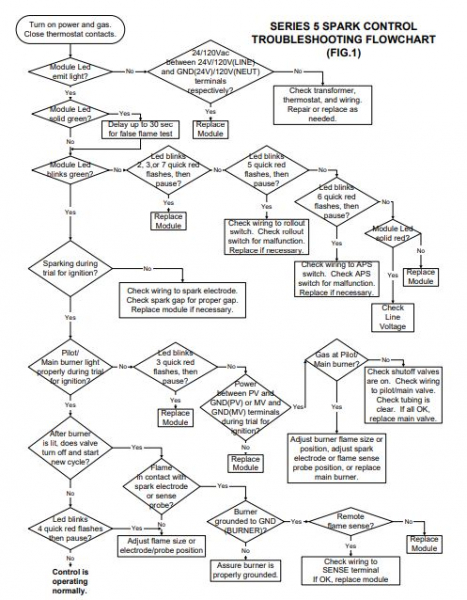
A pressure washer burner not working is almost always due to a missing element in the air, fuel, or spark triangle. Start by verifying blower operation and battery voltage, then confirm fuel flow through the solenoid and nozzle. Finally, test for a strong 3/8-inch spark using safe methods and check all safety switches for continuity.
Always double-check wiring colors after replacing parts and ensure the burner assembly has a solid ground to the frame. By following this systematic approach, you can identify the specific failure point and return your hot water pressure washer to full operation quickly.