Washing Machine Maintenance Tips
If your washing machine starts smelling musty, leaking, or shaking violently, you are not alone. These are classic signs of neglected washing machine maintenance. A well-maintained washer can last over a decade, but without routine care, even high-end models degrade quickly, leading to poor cleaning, mold growth, and costly water damage. This guide delivers a complete roadmap for extending your washer is lifespan, improving performance, and avoiding expensive repairs.
Whether you own a front-loader, top-loader, or high-efficiency model, the steps here apply universally. You will learn how to clean hidden buildup, inspect critical components, choose the right detergent, and spot red flags before they become disasters.
Inspect Hoses Monthly to Prevent Water Damage

Every month, inspect both hot and cold water supply hoses right after a wash cycle. Look closely at the connections to the wall and the machine. Signs of trouble include cracks or brittleness in the rubber, bulging or swelling, fraying at the ends, dampness around fittings, and soft spots when gently squeezed.
Even if no leaks are visible, aging hoses can fail suddenly. A ruptured hose can release hundreds of gallons per hour, causing severe water damage.
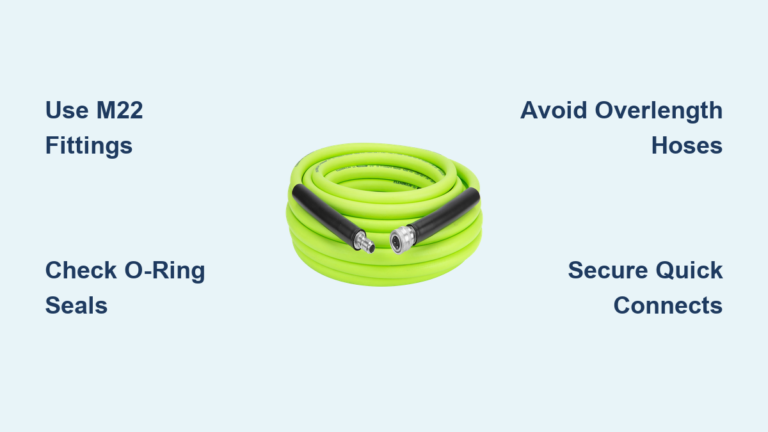
Replace all water supply hoses every 3 to 5 years, regardless of appearance. Mark the installation date on each new hose with a permanent marker. Upgrade to reinforced stainless steel braided hoses, which resist bursting under pressure and are recommended by plumbers and insurance companies.
Clean Detergent Dispensers Monthly
Detergent and fabric softener build up in dispenser trays over time, leading to clogs and musty odors. Every month, pull out the detergent drawer until it stops, press the release tab to fully remove it, rinse under warm water, use a soft brush to scrub away residue, and wipe the compartment inside the machine.
Ensure you load the correct compartment based on the tray markings. Using regular detergent in a high-efficiency washer creates excess suds that reduce cleaning power and leave residue. Always use HE-labeled liquid or powder detergent.
Prevent Mold in Front-Load Washers
The rubber seal around a front-load washer door traps moisture, creating a perfect breeding ground for mold. After every wash, wipe the gasket with a dry microfiber cloth, check the folds for trapped water or debris, and remove any foreign objects.
Inspect weekly for black spots or slimy residue, which are early signs of mildew. Always leave the front door slightly ajar after use to allow air circulation and the drum to dry.
Run Monthly Cleaning Cycles
Run a hot water cleaning cycle every 1 to 2 months to eliminate biofilm, detergent residue, and odor-causing bacteria. Use a washing machine-specific cleaner or half a cup of bleach in an empty drum. Never mix bleach with vinegar.
Select the hottest, longest cycle on your machine. While vinegar is popular for descaling, frequent use damages rubber seals and hoses. Use it no more than once or twice a year.
Clean the Pump Filter Every 3-6 Months
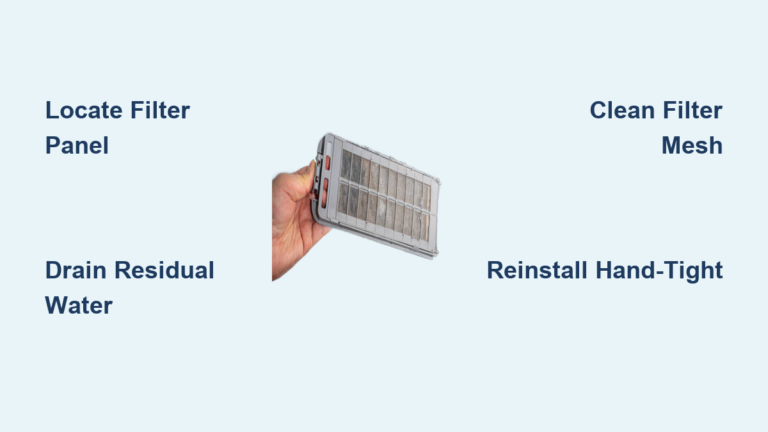
The pump filter catches lint, coins, hair clips, and debris. If clogged, it causes poor drainage and foul smells. To clean, turn off water and unplug the machine, place towels and a shallow container under the filter, open the access panel, slowly unscrew the filter to drain residual water, remove and rinse under running water, then reinstall tightly.
Clean every 3 to 6 months, or more often if washing pet bedding or towels. Never open the filter while the machine is running or full of water.
Maintain Drain System Efficiency
Place a drip pan under the washer, especially if it is on an upper floor. It catches minor leaks and prevents floor damage. If your washer drains into a floor drain, check the P-trap monthly. It must stay filled with water to block sewer gases.
If the drain hose fits tightly into the standpipe, pressure can build up and cause gurgling or slow drainage. Install a drain hose vent if the hose is fully inserted and you hear gurgling during drain cycles.
Deep Clean the Tub Annually
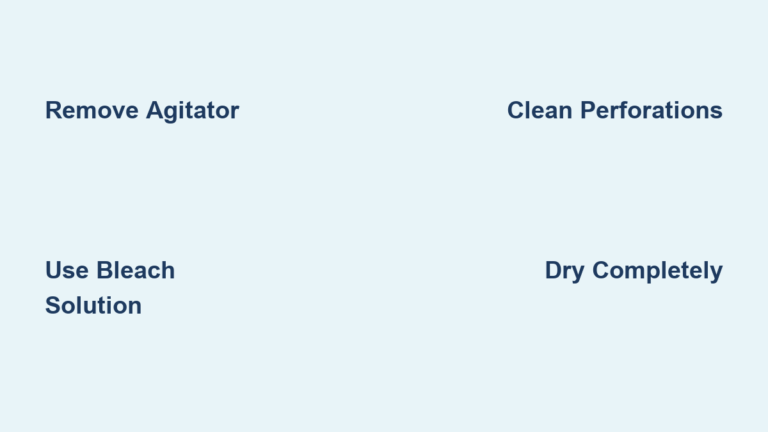
Over time, sludge, hair, and minerals collect in the outer tub. To deep clean, unplug the machine and shut off water, pull it away from the wall, remove the back panel with a Torx screwdriver, use a shop vacuum to remove standing water, and scrub with a one to ten bleach-water solution.
For top-load agitator models, pry off the cap on top of the agitator, unscrew the central bolt with a socket wrench, lift out the agitator, clean underneath and inside the fins, then reinstall securely.
Manage Lint and Debris
Most washers have a lint filter, though many users do not know where it is. Common locations include inside the agitator tube, at the top of the wash basket, and behind the front pump access panel. Remove and rinse the filter every 3 to 6 months.
Avoid overloading the machine, which strains the motor and reduces cleaning effectiveness. Fill the drum no more than three-quarters full. Clothes should move freely during the cycle.
Level the Machine Quarterly
An unbalanced washer vibrates excessively and walks across the floor. To level, use a bubble level on the top of the machine, turn the front leveling legs clockwise to lower or counterclockwise to raise, tilt the machine forward slightly to let rear legs self-adjust, and ensure all four feet touch the floor.
Recheck after moving the washer. Proper leveling reduces bearing wear by up to 40 percent.
Handle Bulky Items Carefully
Comforters, sleeping bags, and large rugs can overload home washers, causing imbalance and mechanical stress. If your machine is not rated for bulky items, use a commercial washer at a laundromat or hand-wash in a bathtub.
If washing at home, use a small load setting with extra spin to reduce water retention.
Remove Wet Clothes Immediately
Leaving damp laundry in the drum for hours breeds bacteria and mold. Always remove clothes as soon as the cycle ends and transfer to the dryer or hang to dry promptly. If delayed, crack the door open to dry the interior.
This simple habit prevents 80 percent of musty odor complaints.
Watch for Warning Signs
Listen for strange noises during operation. Grinding indicates failing motor or drum bearing, banging suggests loose counterweight or foreign object, squealing means worn belt or pulley, and humming with no spin signals failed motor or clutch.
Check for persistent leaks. A small puddle under the machine is a red flag. Trace the source, shut off water and unplug immediately if leaking.
Follow a Maintenance Schedule
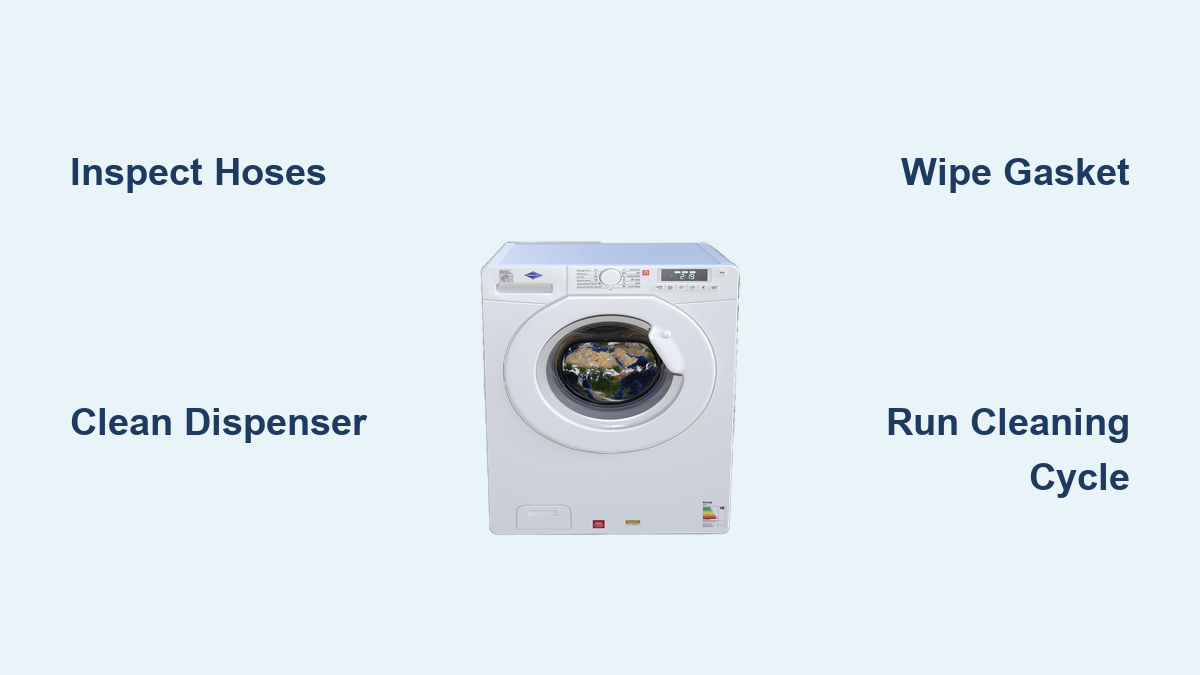
Monthly tasks include inspecting hoses for cracks, cleaning detergent dispenser, wiping door gasket, and running a cleaning cycle. Every 3 to 6 months, clean the pump filter and lint filter, and check machine level.
Annually, deep clean the outer tub, replace water hoses if due, and inspect the P-trap. Every 3 to 5 years, replace all supply hoses proactively.
Know When to Replace the Washer
Replace your washer if it is over 10 years old, repair costs exceed 50 percent of a new unit price, you see multiple recurring issues, or it has persistent odors or leaks.
Common expensive repairs include pump replacement at 250 to 400 dollars, drum bearing at 300 to 500 dollars, and control board at 200 to 350 dollars. New washers start at 500 dollars, with ENERGY STAR models saving water and energy.
Frequently Asked Questions About Washing Machine Maintenance
How often should I run a cleaning cycle on my washing machine?
Run a hot water cleaning cycle every 1 to 2 months. Use a washing machine-specific cleaner or half a cup of bleach. This eliminates biofilm, detergent residue, and odor-causing bacteria that accumulate over time.
What is the best way to prevent mold in a front-load washer?
Wipe the door gasket with a dry microfiber cloth after every load. Leave the door slightly ajar between uses to allow air circulation. Inspect weekly for black spots or slimy residue.
How often should washing machine hoses be replaced?
Replace all water supply hoses every 3 to 5 years, regardless of visible condition. Upgrade to reinforced stainless steel braided hoses for superior burst resistance.
Can I use vinegar to clean my washing machine?
Use vinegar sparingly, no more than once or twice a year. Frequent use damages rubber seals and hoses. For regular cleaning, use manufacturer-approved washing machine cleaners instead.
Why is my washing machine vibrating excessively?
Excessive vibration usually indicates an unbalanced machine. Check that all four feet touch the floor using a bubble level. Adjust the front leveling legs as needed. Proper leveling reduces bearing wear by up to 40 percent.
How do I know if my washing machine needs replacement?
Replace if the machine is over 10 years old, repair costs exceed half the price of a new unit, you have multiple recurring issues, or persistent odors and leaks remain after thorough cleaning.
Key Takeaways for Washing Machine Maintenance Success
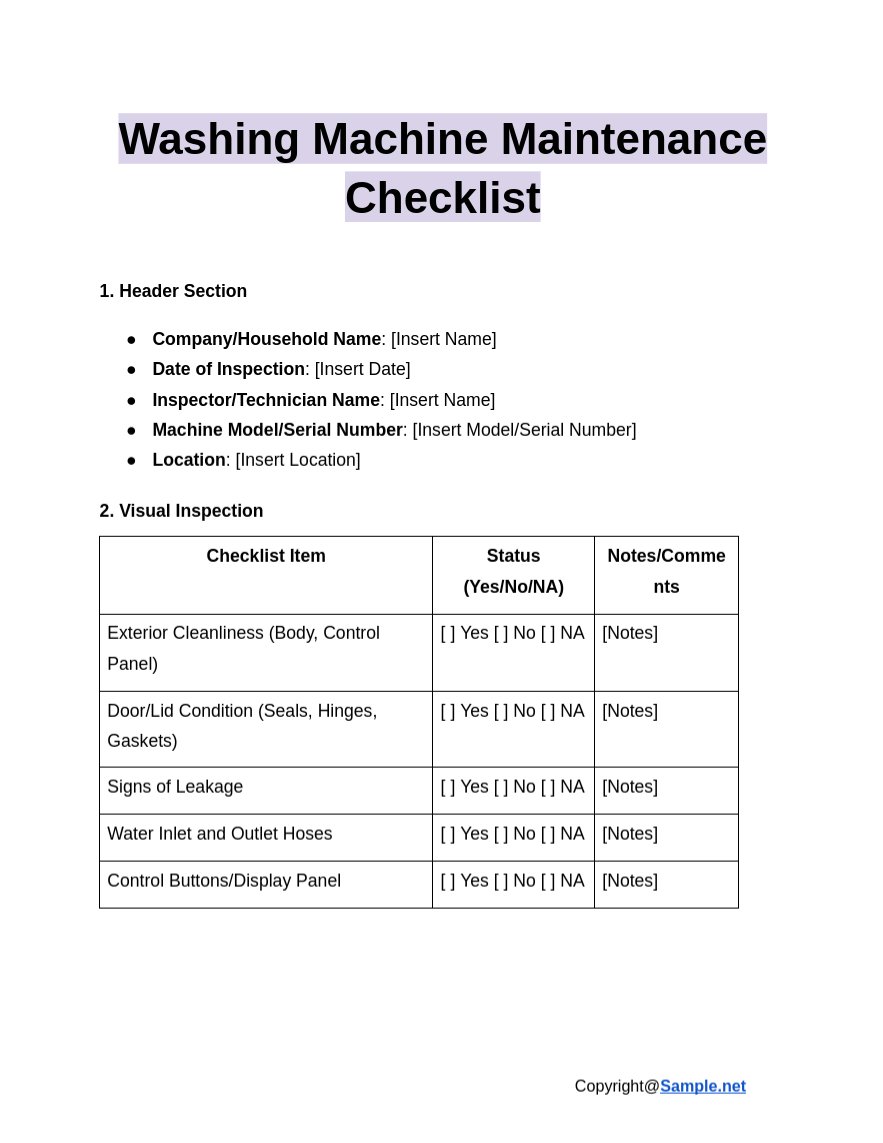
Consistent washing machine maintenance saves money, prevents disasters, and keeps your laundry truly clean. By inspecting hoses, cleaning filters, using the right detergent, and leveling the unit, you can extend your washer is life to 13 years or more.
Premium brands like Miele and Speed Queen can last 20 years or longer with proper care. Start today by wiping the gasket, running a cleaning cycle, and scheduling your next hose check. A little effort now prevents a flood later.