How to Use a Twin Tub Washing Machine: Easy Guide
If you have just purchased a twin tub washing machine or are switching from a fully automatic model, you might be wondering how to operate it properly. Unlike one-button automatics, twin tub washing machines require hands-on involvement, but they give you more control, use less water and electricity, and complete laundry faster. This guide walks you through every step: from setup and washing to spinning, rinsing, and maintenance. Whether you own a Croma, Samsung, or any other brand, these universal steps will help you get clean, well-spun clothes every time.
Let’s walk through the full process with no guesswork and no confusion. You will learn exactly how to set up your machine, add detergent, run wash and spin cycles, and maintain your twin tub for long-lasting performance.
Setup Your Twin Tub Machine

Before tossing in clothes, proper installation ensures safe and efficient operation. Taking a few minutes to set up correctly prevents problems later.
Connect to Power Safely
Plug the machine into a grounded 220 to 240V outlet, which is the standard for most twin tub models. Never use an extension cord. Check that the power switch turns on both tubs and test the lights or motor hum to confirm power flow.
Fill the Wash Tub with Water
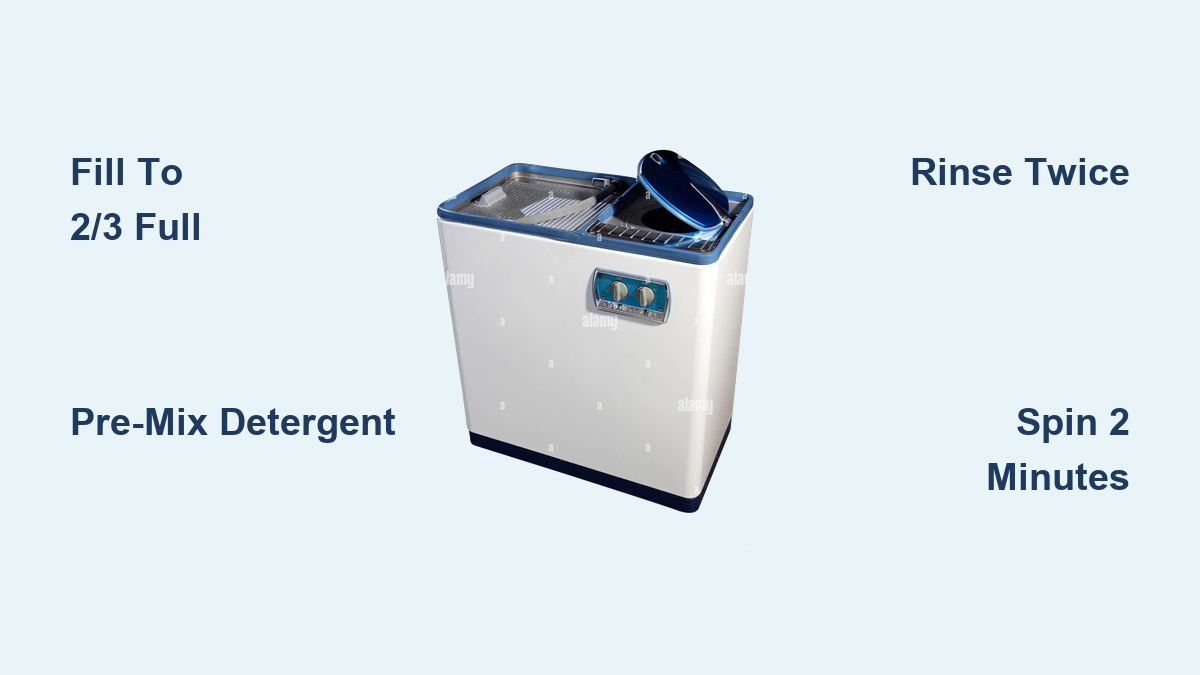
Most twin tubs come with a short inlet hose. Attach one end to your tap and the other to the wash tub water inlet. Open the tap and fill to about two-thirds full, which is roughly 12 to 15 liters depending on load size.
Too little water causes clothes not to agitate properly. Too much water risks overflow during washing. If you have no inlet hose, use a bucket to pour water manually. For tough stains, use warm (not boiling) tap water, which is ideal for whites and cottons. Stick to cold or lukewarm water for delicates and colored fabrics.
Add Detergent Correctly
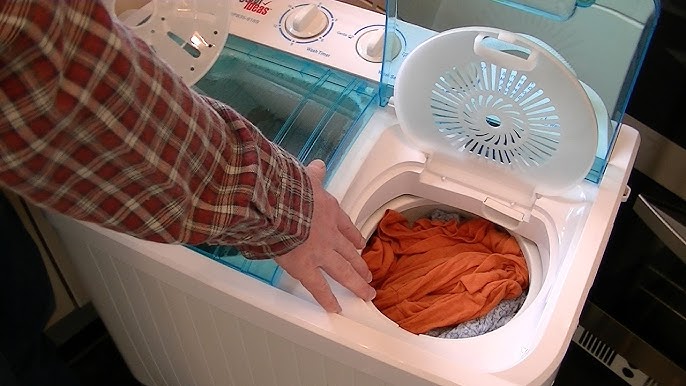
Using the right amount and type of detergent prevents residue and ensures deep cleaning. This step is crucial for getting spotless clothes.
Choose and Measure Detergent
Use any standard liquid or powder laundry detergent. For liquid detergent, use one capful, which is approximately 50ml. For powder detergent, follow package instructions, which is usually 1 to 2 tablespoons. If you have hard water, you may need slightly more detergent.
Mix Detergent Before Adding Clothes
Pour detergent into the water-filled tub. Then close the lid, turn the wash timer to 10 to 15 seconds, and start the cycle briefly to dissolve the detergent. Stop and check that the water is evenly soapy with no clumps. This pre-mix step stops undissolved powder from staining dark clothes.
Load the Wash Tub Properly
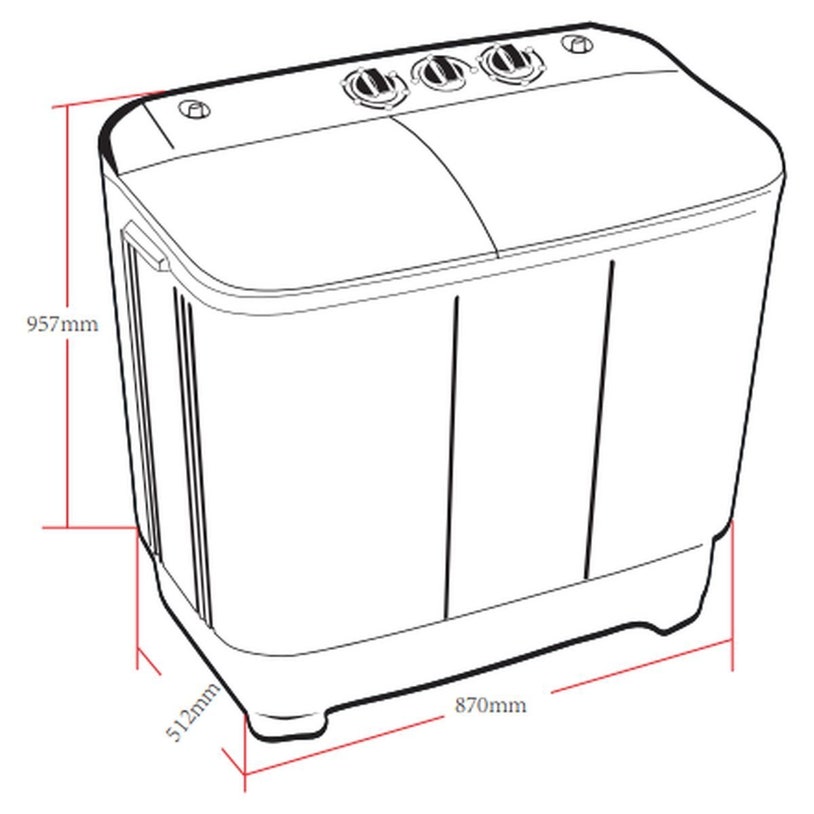
Overloading ruins cleaning and strains the motor. Getting this step right makes a huge difference in results.
Know the Capacity Limits
The wash tub has a maximum capacity of 3.5kg of dry laundry. The spin tub has a maximum capacity of 2kg per spin. Exceeding these limits causes poor spinning, excessive vibration, or motor burnout.
Load for Best Agitation
Add clothes gradually while the wash cycle runs. Watch the agitation closely. If clothes are not moving freely, remove a few items. If water level drops, top up with more water. The ideal load is 1.75kg, which is half full, for maximum cleaning efficiency. Avoid washing bulky items like quilts unless your model supports larger loads.
Run the Wash Cycle
Now it is time to clean your clothes by choosing the right settings for each load.
Set the Wash Timer
Adjust the timer based on dirt level. Six minutes works for lightly soiled clothes like shirts and underwear. Ten to 15 minutes is better for heavily soiled items like towels and workwear. Longer is not always better because excessive washing wears out fabrics.
Select the Wash Mode
Use the wash selector switch to choose between Normal mode for cottons, jeans, and towels, or Gentle mode for synthetics, delicates, and printed clothes. Match water temperature to fabric type. Hot water works best for grease, oil, and sweat stains. Cold water is safer for colors, wool blends, and spandex.
Drain Soapy Water Completely
After washing, you must remove dirty water before rinsing. This step is essential for getting fresh, clean clothes.
Attach the Drain Hose
Connect the drain hose from the wash tub to a sink, shower drain, outdoor outlet, or a bucket if you have no permanent drain. Let gravity pull water out. Lower the hose below tub level to start the flow. Some models have a built-in pump, so simply turn the selector to drain.
Confirm Full Drainage
Wait until water stops flowing completely. Residual soap reduces rinse effectiveness and leaves stains on clothes.
Rinse Clothes Thoroughly
Rinsing removes detergent. Skip this step and clothes will feel stiff or irritate skin.
Refill for First Rinse
Fill the wash tub again to two-thirds with clean, cold water. Use the same hose or bucket method.
Agitate and Drain
Set the timer for 2 to 3 minutes and run a rinse cycle. Then drain again. Repeat once more for best results. Two rinses is standard. Three rinses is better for baby clothes or sensitive skin. Some models have a manual rinse setting that skips timer adjustments.
Transfer Clothes to Spin Tub
This step is manual, so you need to transfer clothes from wash to spin tub carefully.
Remove and Squeeze Clothes
Take clothes out of the wash tub. You can hand-squeeze to remove excess water, which reduces spin time and strain on the motor.
Load Spin Tub Evenly
Place clothes symmetrically in the spin tub. Put two shirts opposite each other. Balance jeans and towels around the basket. Never exceed 2kg. An unbalanced load causes violent shaking that can damage the machine.
Use the Spinner Mat
Place the spinner mat on top of the clothes if your model includes one. It holds fabrics down and stabilizes spinning, especially for lightweight items.
Close Both Lids
Ensure both wash and spin tub lids are shut before starting. Most models will not spin if lids are open.
Run the Spin Cycle
This step extracts water so damp clothes dry faster on the line.
Set Spin Timer
Two minutes is enough for 90% water removal. Extending beyond three minutes offers little benefit and stresses the motor.
Position Drain Hose
Route the spin tub drain hose to a floor drain, sink, or bucket. Hold the bucket securely if using one. Water will be clear or slightly cloudy, which is normal.
Reuse Rinse Water
For water-saving, direct the spin hose back into the wash tub to reuse clean rinse water for the next load. This is great for washing multiple small batches.
Use Fabric Softener the Right Way
Softener makes clothes feel softer and reduces static, but you must apply it correctly.
Method 1: During Final Rinse
Add one capful to the rinse water as it fills. The agitation spreads it evenly without residue.
Method 2: Post-Wash Soak
After washing, fill the tub with cold water and add softener. Reinsert clothes and run the wash cycle for 1 to 2 minutes. Transfer directly to the spin tub with no extra rinse needed. This method gives deeper softening, especially for towels.
Final Spin and Drying
After spinning, clothes are damp, not wet. Now it is drying time.
Remove Clothes Promptly
Take clothes out immediately after spinning to prevent musty smells from developing.
Hang for Drying
Use a clothesline outdoors where sunlight disinfects, or a drying rack indoors with good airflow. Hang shirts by the shoulders. Turn dark clothes inside out to prevent fading. Lay delicates flat to avoid stretching. For delicate fabrics, skip the spin or reduce time to one minute.
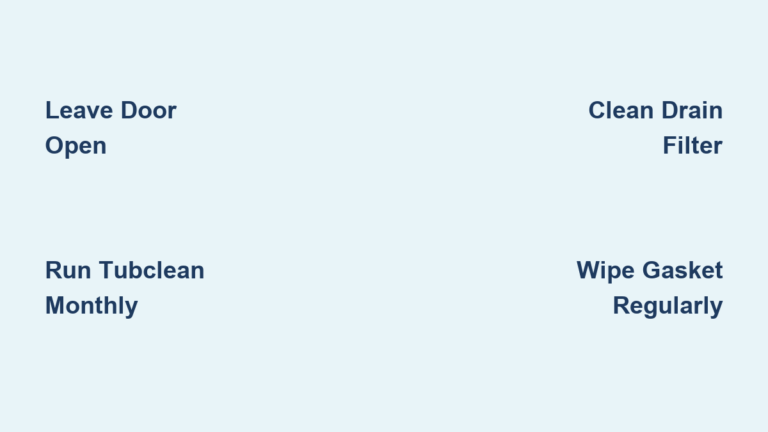
Clean and Maintain After Use
A clean machine lasts longer and prevents odors from forming.
Drain Both Tubs Completely
Turn the selector to drain and empty both wash and spin tubs. Never leave standing water.
Rinse the Wash Tub
Fill partially with clean water, swirl, and drain. Repeat once. This removes leftover soap and lint.
Wipe Down Surfaces
Use a dry cloth to wipe inside both tubs, the spinner basket, and the exterior and control panel. This prevents mold and keeps the machine looking new.
Store Properly
Keep the machine in a dry, ventilated area. Coil hoses neatly with no kinks. Leave lids open when not in use to air out moisture.
Why Choose a Twin Tub Machine
These machines are not outdated. They are smart choices for many households.
Save Water and Energy
Twin tub machines use 30 to 50% less water than top-loading machines. There is no heater element, so electricity use is lower. Wash and spin cycles total 25 to 40 minutes, which is faster than most automatics.
Full Control Over Laundry
You decide how long to wash, what water temperature to use, how many rinses to perform, and how long to spin. This perfect control is ideal for custom care, like treating baby clothes gently or deep-cleaning work uniforms.
Who Should Use a Twin Tub
Best For
Budget-conscious households benefit from lower upfront costs. Rural or off-grid homes with limited water and power save resources. Small families or singles with moderate laundry volumes get fast cycles. Users who want full control over laundry care appreciate the customization. Areas without permanent plumbing work well because the machine operates with buckets.
Not Ideal For
People wanting fully automatic, hands-free washing will prefer a different model. Those with back pain or mobility issues may struggle with manual transfer between tubs. Large families needing daily high-capacity washes may find twin tubs too small.
Troubleshoot Common Problems
Machine Won Start
Check the power outlet. Ensure the plug is secure. Reset the circuit breaker if it has tripped.
Poor Agitation
Reduce the load size. Add more water. Check the timer setting.
Excessive Vibration During Spin
Redistribute clothes evenly. Use the spinner mat. Ensure the machine is on a flat, solid surface.
Water Not Draining
Clear clogs in the drain hose. Remove any kinks. Check for lint blockage.
Detergent Residue on Clothes
Pre-mix detergent before adding clothes. Add an extra rinse cycle. Avoid overloading.
Musty Smell Over Time
Clean the tub after each use. Leave lids open. Run a clean cycle with vinegar monthly.
Twin Tub vs Fully Automatic Quick Comparison
| Feature | Twin Tub | Fully Automatic |
|---|---|---|
| Cost | Low (₹8,000 to ₹15,000) | High (₹18,000 to ₹40,000+) |
| Water Use | Low | Moderate to high |
| Electricity | Minimal | Higher (longer cycles) |
| User Effort | Moderate (manual transfer) | Low (set and forget) |
| Cycle Control | Full manual control | Pre-set programs |
| Drying Efficiency | High (fast spin) | Varies (some have dryers) |
| Space Needed | Compact | Larger footprint |
Pro Tips from Real Users
Pre-soak stained clothes in the tub for 10 minutes before washing to improve cleaning results. Use mesh laundry bags for socks, bras, and baby clothes to prevent loss during transfer. Inspect hoses every six months and replace if cracked or leaking, typically every 2 to 3 years. Clean the lint filter after each use if your model has one. Avoid washing blankets or curtains unless your model supports it. Never pour detergent directly on clothes; always mix it in water first.
Frequently Asked Questions About Twin Tub Washing Machines
How long does a typical wash cycle take on a twin tub machine?
A typical wash cycle takes 6 to 15 minutes depending on soil level, followed by 2 to 3 minutes of rinsing and 2 minutes of spinning. The total time for one load is approximately 25 to 40 minutes.
Can I use hot water in a twin tub washing machine?
Yes, you can use hot water from your tap for heavily soiled garments like whites, towels, and workwear. Avoid boiling water, and use cold or lukewarm water for delicates and colored fabrics to prevent shrinking and fading.
How much laundry can I wash in a twin tub at once?
The wash tub typically holds up to 3.5kg of dry laundry. For best cleaning results, wash approximately 1.75kg, which is half full, to allow clothes to agitate freely.
Do I need to manually transfer clothes between tubs?
Yes, twin tub machines require you to manually move clothes from the wash tub to the spin tub after washing and rinsing. This is a key difference from fully automatic machines.
How often should I clean my twin tub washing machine?
Clean the tub after each use by draining all water and wiping it dry. Run a vinegar clean cycle monthly to prevent mold and odors. Inspect hoses every six months for cracks or leaks.
Is a twin tub washing machine suitable for large families?
Twin tub machines are best suited for small to medium households. Large families needing frequent, high-capacity washes may find the 3.5kg wash capacity limiting compared to larger automatic machines.
Key Takeaways for Using Your Twin Tub Washing Machine
Using a twin tub washing machine is simple once you know the steps. It is not about automation; it is about control, efficiency, and saving resources. From filling and washing to spinning and drying, each stage puts you in charge of your laundry quality.
The key steps are filling the wash tub to two-thirds, pre-mixing detergent before adding clothes, washing for 6 to 15 minutes based on soil level, rinsing thoroughly with 2 to 3 cycles, and spinning for 2 minutes for damp, almost-dry clothes. Regular maintenance, including draining both tubs, wiping surfaces, and leaving lids open, keeps your machine fresh and functional for years.
Follow this guide and you will get clean, fresh-smelling clothes every time without wasting water, energy, or money. Whether you are in a village, apartment, or off-grid home, the twin tub remains one of the most practical laundry solutions available. Now you are ready: plug in, fill up, and start washing smarter.