
How to Use a Top Loader Washing Machine
If you’ve ever stood in front of your top loader washing machine, detergent in hand, wondering whether you’re loading it correctly or accidentally ruining your favorite shirts, you’re not alone. Many people use their top loader wrong and end up with faded clothes, weird smells, or a machine that shakes violently during the spin cycle. This guide shows you exactly how to use a top loader washing machine the right way, from sorting and loading to selecting cycles and maintaining your appliance for years of fresh laundry.
Sort Clothes by Color and Fabric Type
Separate Lights, Darks, and Delicates
Sorting laundry before washing prevents dye transfer and fabric damage. Separate your clothes into whites, darks, lights, and bright colors. A single red sock mixed with whites can ruin an entire load.
You should also sort by fabric weight. Heavy items like jeans and towels need stronger agitation, while delicate fabrics like lingerie, silk, and synthetics require gentle handling. Washing these together often results in damage or uneven cleaning.
Avoid combining dissimilar textures. A fuzzy towel rubbing against a smooth dress causes pilling and premature wear.
Load Your Top Loader the Right Way
Place Clothes Around the Agitator or Infuser
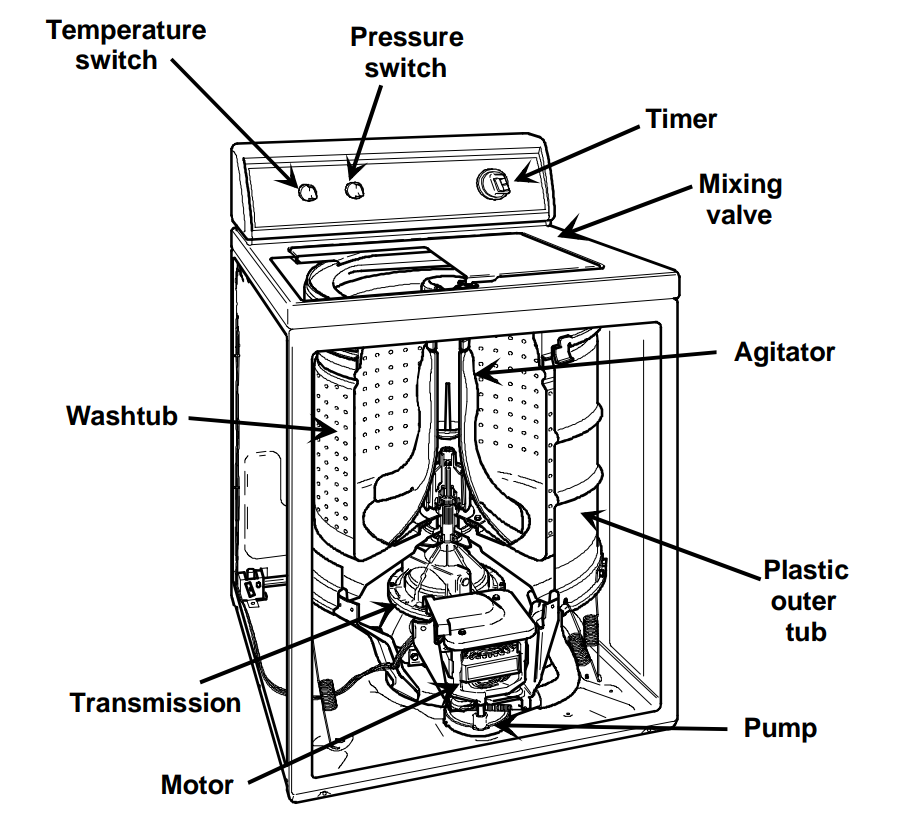
Open the lid and loosely add clothes around the center post. Whether your machine has an agitator or an infuser, the clothes should sit below the top of the drum with plenty of room to move around.
Never force or overstuff the drum. An overloaded washer restricts garment movement, reduces cleaning power, and causes imbalance during spin that makes the machine shake or stop mid-cycle. Underloading is also problematic. Washing a single shirt can trigger balance issues.
Aim for a three-quarters full drum. You should be able to fit your hand between the clothes and the top of the drum without forcing it.
Follow Capacity Guidelines
Most top loaders hold between 3.0 and 5.0 cubic feet. Heavier fabrics like towels and jeans absorb water and become very heavy when wet, so wash fewer items at once. Reduce load size by 20 to 30 percent for heavy items compared to lighter clothes.
Add Detergent and Fabric Care Products Correctly
Use HE Detergent in the Right Amount
Always use HE detergent in HE-compatible machines. This specially formulated detergent produces fewer suds and prevents overflow and residue buildup. Pour liquid or powder into the detergent dispenser if your model has one. If not, add it before or after loading clothes so it dissolves in the water.
For detergent packets, place them at the bottom of the drum before adding clothes. Never place packets on top of the load because they may not dissolve fully and can leave stains on fabric.
Adjust the detergent amount based on load size, soil level, and water hardness. Use more detergent in hard water areas and less for lightly soiled loads.
Add Bleach and Fabric Softener Safely
Use liquid chlorine bleach only in the designated bleach dispenser. Most machines automatically release it during the last few minutes of the wash cycle to avoid fabric damage. Never pour bleach directly onto clothes because it causes holes or discoloration. For colored fabrics, use non-chlorine color-safe bleach instead.
Add liquid fabric softener to the dedicated dispenser. It releases during the final rinse to leave clothes soft and static-free. Do not overfill. Follow the marked fill lines. On some infuser models, fabric softener may not be supported. If your model allows it, run an Extra Rinse or Deep Rinse cycle to prevent waxy buildup from residue.
Select the Perfect Wash Cycle for Your Clothes
:max_bytes(150000):strip_icc()/how-to-select-the-correct-cycle-2145866_FINAL-10d1b95640284e0a8d01d4523455c7ee-25c018a4c0304212a13315b7ab181e33.png)
Match the Cycle to Fabric Type
Choose a cycle that fits your laundry. The Normal or Cottons cycle works for everyday clothes made of cotton or polyester. Use Heavy Duty for muddy work clothes, bedding, or heavily soiled items. Select Delicates or Hand Wash for fragile fabrics that need gentle care.
The Whites cycle boosts brightness using hot water and longer agitation. Use the Colors cycle with cooler water to prevent fading. Choose Bedding or Bulky for comforters, sleeping bags, and large items. The Quick Wash cycle provides a 15 to 30 minute refresh for lightly worn clothes.
Set Water Temperature and Spin Speed Wisely
Choose water temperature based on care labels and cleaning needs. Cold water works best for darks and delicates, saves energy, and prevents shrinkage. Warm water provides balanced cleaning for synthetics and mixed loads. Hot water is ideal for whites, towels, and sanitizing because it kills bacteria and allergens.
If your machine lacks automatic water sensing, manually set the water level to match your load size. Too much water wastes resources while too little reduces cleaning power. Choose higher spin speeds to extract more moisture and cut drying time. Use lower spin for delicates to prevent stretching or damage.
Use Advanced Features on Your Top Loader
Save Favorite Settings With My Cycle
On select GE models, the My Cycle feature lets you save your favorite settings as a custom profile. Save your preferred combination like warm wash, heavy soil, and extra rinse. One press recalls your routine, saving time on repetitive loads.
Add Extra Rinse for Sensitive Skin
Turn on Extra Rinse when using lots of detergent or bleach, washing baby clothes or items for allergy-prone family members, or noticing residue or stiffness on cleaned clothes. This feature adds a second rinse to flush out soap and allergens.
Sanitize With Oxy for Germ Removal
GE’s Sanitize with Oxy cycle uses oxygen-based additives to kill 99.9 percent of bacteria, meeting NSF/ANSI Standard 291. It includes a pump purge and deep rinse. This cycle works well for gym clothes, towels, bedding, and cloth diapers.
Use Deep Rinse in Hard Water Areas
If your water is hard, minerals and soap scum build up over time. Deep Rinse intensifies the final wash to reduce residue, especially when using fabric softener.
Start Your Washer and Monitor the Cycle
Close the Lid and Press Start
Always close the lid fully. The machine will not start if the lid is open. Many models lock automatically during spin for safety. Pull the timer knob on mechanical models or press Start on digital models. The drum fills with water, then begins agitating.
Add Forgotten Items Mid-Cycle
Some GE washers let you add laundry after the cycle starts. Press and hold the back guard buttons as indicated in your manual to unlock the lid temporarily. Add the item, close the lid, and the cycle resumes automatically. Never force the lid open during high-speed spin because it damages the lock mechanism.
Read Cycle Status Indicators
Modern top loaders show progress via LED indicators or digital displays. Watch for remaining time, current phase like wash, rinse, or spin, and alerts such as unbalanced load. Refer to your manual for error code meanings.
Remove Laundry Immediately After Washing
Prevent Odors and Wrinkles
Take clothes out within 30 to 60 minutes after the cycle ends. Leaving them inside leads to musty smells from trapped moisture, deep wrinkles that need ironing, and mold or mildew growth in extreme cases.
If you cannot unload right away, use the Wrinkle Prevent feature if available. It tumbles the load periodically to keep clothes loose and reduce creasing.
Clean Your Top Loader Monthly
Run an Empty Clean Drum Cycle
Prevent mold, odors, and buildup by running an empty clean drum cycle monthly. Use hot water and add bleach or washing machine cleaner. Let it complete a full wash and spin cycle. Wipe the inner drum, lid, and gasket with a damp cloth to remove grime.
Clean Dispensers and Check the Drain
Remove and rinse the detergent, bleach, and fabric softener trays under warm water to prevent clogs. Check the pump filter if accessible for lint, coins, or debris. Ensure the drain hose is straight and free of kinks to avoid leaks or slow draining.
Stop Musty Smells Before They Start
After each use, leave the lid slightly ajar to let air circulate and dry the interior. This simple step stops mildew and keeps your washer fresh. Use only HE detergent because regular detergents create excess suds that trap moisture and cause odors.
Get Better Performance From Your Washer
Balance Loads to Reduce Vibration
Uneven distribution causes loud shaking during spin. If the machine walks or stops, pause and redistribute clothes evenly around the drum. Break up clumps and spread out heavy items.
Pre-Treat Stains Before Washing
For tough stains like grass, oil, blood, or sweat, apply stain remover before loading. Use your washer’s stain pre-treat cycle if available. It soaks and agitates longer for better results.
Save Energy With Cold Water
Washing in cold water saves up to 90 percent of energy used per load. It also helps clothes last longer by preventing shrinkage and fading. Reserve hot water for whites and sanitizing only.
Pre-Soak Heavy Soils
For greasy or muddy clothes, pre-soak for 30 minutes before starting the cycle. Use the soak option if your machine has one with heavy-duty detergent for deep cleaning.
Fix Common Top Loader Problems Fast
Washer Won’t Start
The lid is not fully closed. Press down firmly until it clicks. The lid must engage the safety switch for the machine to operate.
Load Imbalance During Spin
The load is overloaded or clothes are unevenly distributed. Redistribute the load, remove a few items, and restart the cycle.
Excess Foam in Drum
Too much detergent was used or non-HE formula was added. Use less detergent and switch to HE formula. Run a rinse cycle to remove suds.
Musty Smell After Washing
Residual moisture or detergent buildup is present. Run a cleaning cycle, leave the lid open, and use less fabric softener.
Leaks Around Machine
The hose is loose or the machine is overfilling. Check inlet and drain hose connections. Ensure water level matches load size.
Fabric Softener Not Dispensing
The dispenser is clogged or was overfilled. Clean the tray and refill only to the max line.
Check Your Owner’s Manual for Specific Instructions
Know Your Machine’s Limits
Every washer is different. Always consult your owner’s manual for exact cycle names, control panel layout, error code meanings, warranty details, and maintenance schedules. GE owners can visit GE Appliances Support for manuals, videos, and service help.
Newer models may run longer cycles up to 90 minutes but use less water and energy while cleaning better. Do not interrupt cycles early. Some features like Mid-Cycle Add or Sanitize with Oxy are only available on select models.
Frequently Asked Questions About Using a Top Loader Washing Machine
What is the correct way to load a top loader washing machine?
Load clothes loosely around the agitator or infuser, keeping the drum about three-quarters full. You should be able to fit your hand between the clothes and the top of the drum. Avoid overloading or underloading.
How much detergent should I use in a top loader?
Use HE detergent and follow the manufacturer’s guidelines based on load size, soil level, and water hardness. Typically, use less than you would with a standard detergent. For hard water areas, use more detergent.
Can I add fabric softener to any top loader?
Add liquid fabric softener to the designated dispenser if your model has one. Some infuser models do not support fabric softener. Check your manual. Always run Extra Rinse when using softener to prevent residue buildup.
Why does my top loader shake during the spin cycle?
The load is unbalanced, either from overloading or uneven distribution of clothes. Pause the machine and redistribute clothes evenly around the drum. Remove heavy items if needed.
How often should I clean my top loader washing machine?
Run an empty clean drum cycle monthly using hot water and bleach or washing machine cleaner. Leave the lid slightly ajar after each use to prevent mold and mildew growth.
Key Takeaways for Using Your Top Loader Effectively
Using a top loader washing machine properly requires more than just pressing start. Sorting clothes by color and fabric type before washing prevents damage and dye transfer. Loading the drum correctly to about three-quarters full ensures proper cleaning and prevents imbalance issues.
Choosing the right cycle and water temperature for your fabric type makes a significant difference in results. Using HE detergent in the correct amount prevents residue and odors. Taking advantage of features like Extra Rinse, Sanitize with Oxy, and My Cycle improves cleaning performance and convenience.
Maintaining your machine monthly by running a clean drum cycle and leaving the lid open prevents musty smells and extends the life of your appliance. Remove laundry promptly after the cycle ends to avoid wrinkles and mold growth.
Keep this guide handy, refer to your owner’s manual for model-specific instructions, and turn laundry day from a frustrating chore into a seamless routine that delivers fresh, clean clothes every time.