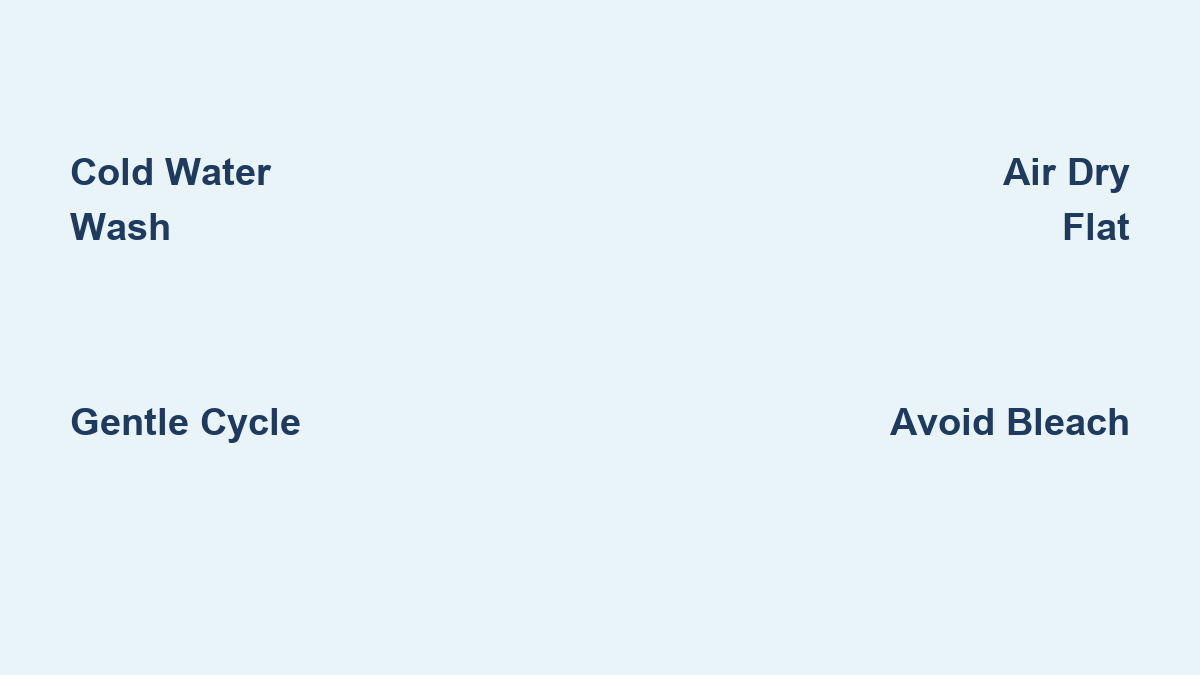
How to Wash Linen Clothes in Washing Machine
Washing linen clothes in a washing machine does not have to be intimidating. Despite its delicate reputation, 100% linen is one of the strongest natural fabrics, even stronger than cotton, and can safely go in the washer if you follow the right steps. The key is gentle handling, cold water, and smart drying. When done correctly, machine washing actually helps linen become softer and more comfortable over time. But get it wrong, use hot water, bleach, or high heat, and you risk shrinkage up to 10%, fiber damage, or permanent wrinkles. This guide cuts through the confusion with a clear, step-by-step method based on fabric science and care expertise.
Check the Care Label First
Before tossing any linen garment into the machine, always check the care label. It is your first defense against accidental damage.
Look for Washing Symbols
The care label contains essential symbols that tell you exactly how to treat your linen.
• Bucket with water means machine washable
• Hand in bucket means hand wash only
• Circle in bucket with X means do not machine wash
• Dots inside the bucket indicate temperature limits
Even if the garment is 100% linen, structured pieces like blazers or items with lining may require special care. Dry clean only labels do not always mean the fabric cannot be washed. They often protect poor construction or blended fibers.
When to Skip the Machine
Avoid machine washing in these situations.
• The label says hand wash only or dry clean only
• It is vintage or heirloom linen with fragile fibers
• The item has embellishments, lace, or open weaves
• It is a structured garment like a suit or tailored jacket
For these items, hand washing is safer. But most everyday linen, including shirts, pants, dresses, and napkins, can go in the machine with the right settings.
Sort and Prep Linen Before Washing
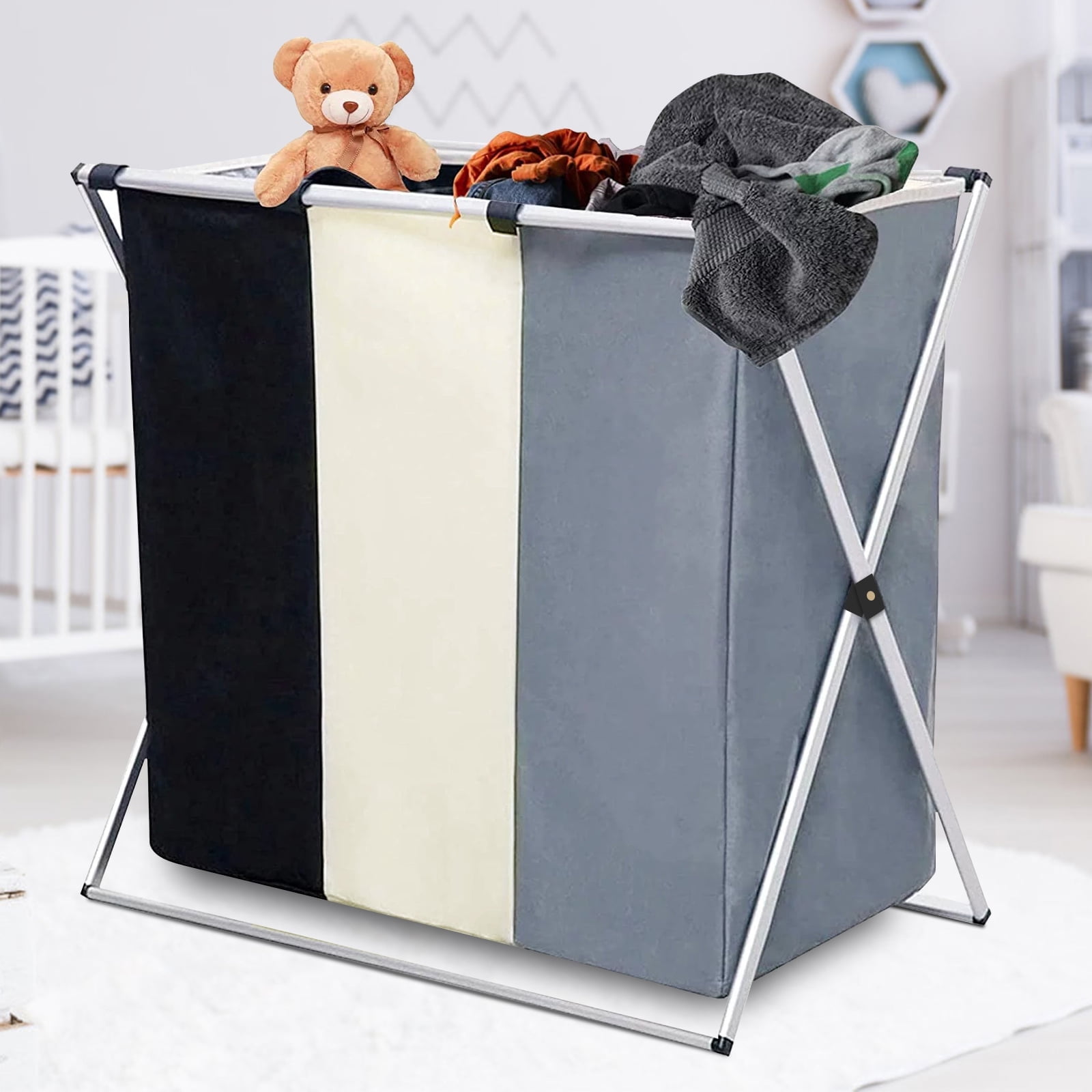
Proper preparation prevents stains, color bleeding, and fabric damage before the cycle even starts.
Separate by Color and Weight
Sorting your linen correctly protects both color and fabric integrity.
• Sort lights from darks to avoid dye transfer
• Wash similar weights together
• Avoid overloading the machine
Heavy fabrics cause friction, leading to pilling and distortion in lightweight linen. Leave at least one-third of the drum empty for proper movement.
Pre-Treat Stains Quickly
Linen releases stains easily if you act fast. The faster you treat a stain, the better chance you have of removing it completely.
Best Stain Removal Methods
• For oil or food stains: Apply one drop of Blue Dawn dish soap, gently dab, then rinse with cold water
• For sweat or odor: Mix baking soda and white vinegar on the stain, let it fizz, then blot and rinse
• Always test first on a hidden seam and wait 10 minutes to check for discoloration
Never use chlorine bleach, hydrogen peroxide, or optical brighteners. They weaken fibers and cause yellowing over time.
Prepare the Garment
A few simple steps before loading protect your linen during the wash.
• Turn inside out to protect the outer surface and reduce pilling
• Button buttons and zip zippers to maintain shape
• Use a mesh laundry bag for delicate or embellished items
This simple prep keeps your linen looking crisp and extends its lifespan.
Use Cold Water and Gentle Cycle

Water temperature and cycle type are the most critical factors in preventing shrinkage and damage to your linen clothes.
Set Water to Cold or Lukewarm
The temperature setting makes or breaks your linen wash.
• Maximum 30 to 40 degrees Celsius, which is 86 to 104 degrees Fahrenheit
• Cold water prevents shrinkage, preserves color, and protects fibers
• Never use hot water because it can shrink linen by up to 10%
Even pre-washed linen can shrink 2 to 3%, so err on the side of caution.
Choose the Right Wash Cycle
Your machine cycle selection matters more than you might think.
• Use gentle, delicate, or hand-wash cycle only
• These cycles use low agitation to minimize stress on fibers
• Avoid heavy-duty, permanent press, or regular cycles
Front-loading machines are gentler than top-loaders. If using a top-loader, ensure the water level is high enough for clothes to move freely.
Set Spin Speed Low
Reducing spin speed prevents wrinkles and fabric stress.
• Use low or medium spin speed
• High spin increases wrinkling and makes ironing harder
• Shorten spin time if your machine allows
Less spin means fewer creases and better fabric care overall.
Pick the Right Detergent
The wrong detergent can ruin linen over time, even if it smells clean afterward.
Use Mild, Fragrance-Free Detergent
These options clean effectively without harsh chemicals.
• Woolite Delicates
• All Free and Clear
• Baby-safe or eco-friendly formulas
These gentle detergents maintain fiber integrity while removing dirt and odors.
Avoid These Additives
Certain products do more harm than good on linen fabric.
| Product | Why to Avoid |
|---|---|
| Chlorine bleach | Weakens fibers and causes yellowing |
| Optical brighteners | Leave residue and cause long-term yellowing |
| Fabric softeners | Coat fibers and reduce breathability |
Even softeners like Downy can build up over time, making linen stiff and less functional.
Natural Boosters That Work
Two household items actually improve your linen wash.
• White vinegar, half a cup, added to the softener dispenser softens naturally, removes detergent residue, and deodorizes
• Baking soda, half a cup, added to the drum boosts cleaning power, neutralizes odors, and balances pH
These are safe, effective, and eco-friendly alternatives to chemical additives.
Air Dry Whenever Possible
Drying is where most linen damage happens. Skip the dryer when you can.
Best Drying Method: Lay Flat or Hang
Proper drying preserves shape and extends garment life.
• Lay flat on a clean towel or mesh rack to prevent stretching
• Hang on padded or wooden hangers to avoid shoulder bumps
• Reshape while damp by smoothing out collars, cuffs, and seams
• Dry in the shade to prevent UV fading and yellowing
Linen dries quickly thanks to its moisture-wicking nature. Good airflow reduces stiffness.
Tumble Drying: Proceed with Caution
Only tumble dry if the care label allows it.
• Use low heat or air-dry setting
• Remove while still slightly damp, around 80 to 90% dry
• Never over-dry because high heat causes shrinkage and fiber damage
Never wring out linen by hand because it can stretch or distort the fabric.
Iron or Steam for a Crisp Finish
Linen wrinkles easily, but that is part of its charm. You can minimize creases with smart finishing techniques.
Why Linen Wrinkles
Linen has low elasticity and a rigid fiber structure, which makes wrinkling inevitable. Many people embrace the relaxed, lived-in look as part of linen is character.
But for a polished appearance, ironing or steaming works well.
Iron While Slightly Damp
Ironing at the right moisture level produces the best results.
• Best time to iron is when fabric is 80% dry
• Use medium to medium-high heat, the linen or cotton setting
• Iron on the reverse side to prevent shine or scorching
• Use a pressing cloth for dark or delicate linen
Start with collars and cuffs, then move to larger panels.
Steaming: The Easier Daily Option
Steaming is faster and often easier than ironing.
• Use a handheld garment steamer
• Hold one to two centimeters from fabric and use pulsed steam
• Gently stretch with your free hand to smooth wrinkles
• Steaming also kills bacteria and refreshes stored clothes
Pro tip: Remove linen from the washer and steam immediately. You may skip ironing entirely.
Quick Wrinkle Fixes
For a fast refresh without full ironing.
• Hang in a steamy bathroom during a hot shower
• For casual wear, embrace the wrinkles because they add character
Care for Specific Linen Items
Different garments need slightly different handling to maintain their best appearance.
Linen Shirts and Tops
Proper care keeps your favorite tops looking crisp.
• Turn inside out and button up
• Wash on gentle cycle with cold water
• Add vinegar to softener compartment
• Hang or lay flat to dry
• Steam or iron while damp
• Store on padded hangers to prevent shoulder bumps
Linen Pants and Bottoms
Bottom weights require specific handling to maintain shape.
• Turn inside out and zip or button
• Hang by the hem or lay flat to dry
• Iron along the grain to avoid shine
• Avoid high heat at the waistband to prevent shrinkage
Linen Dresses and Skirts
Dresses need careful treatment to preserve their silhouette.
• Use a mesh laundry bag if delicate or embellished
• Reshape at waist and hem while damp
• Iron inside out or with a press cloth
• Avoid long-term hanging because it can stretch at shoulders
Linen Tableware
Napkins and tablecloths need special attention for stain removal.
• Pre-treat food and drink stains immediately
• Wash with similar colors using mild detergent
• Dry flat or on a clothesline
• Iron on reverse side for a crisp, formal look
Vintage or Heirloom Linen
Old pieces need extra gentle care.
• Hand-wash only using cold water and Woolite Delicates
• Soak 5 to 10 minutes, then rinse thoroughly
• Never wring, press out water gently instead
• Dry flat away from direct sun
Colored and Dark Linen
Preserving color requires extra precautions.
• Wash separately to prevent bleeding
• Use color-safe, pH-neutral detergent
• Avoid prolonged soaking
• Dry in shade to preserve dye
Avoid These Common Mistakes
Small errors lead to big problems with linen. Here is what to watch out for.
Top Linen Washing Mistakes
| Mistake | Consequence |
|---|---|
| Hot water | Shrinkage, color fade, fiber damage |
| Overloading washer | Pilling, poor rinse, misshaping |
| Using bleach | Fiber degradation, yellowing |
| High-heat drying | Shrinkage, stiffness, brittleness |
| Skipping pre-treatment | Set-in stains, re-washing needed |
| Using fabric softener | Residue, reduced breathability |
| Ignoring care labels | Irreversible damage |
| Wringing by hand | Stretching, distortion |
Stick to cold water, gentle cycles, and air drying to avoid all of these problems.
Skip Dry Cleaning (Usually)
You probably do not need professional dry cleaning for most linen items.
Why Dry Cleaning Is Not Necessary
Dry cleaning solvents break down natural fibers over time.
• Chemical solvents like perchloroethylene degrade linen fibers
• Dry clean only labels often protect low-quality construction
• High-quality linen is meant to be washed
Reserve dry cleaning for structured vintage pieces, heavily blended fabrics at risk of shrinkage, or heavily embellished items. For everyday linen, water washing is safer and more sustainable.
Store Linen Properly for Long Life
How you store linen affects its condition for the next wear.
Best Storage Practices
Proper storage keeps your linen fresh between wears.
• Store in a cool, dry, ventilated area
• Use breathable fabric bags, cotton pillowcases, or muslin wraps
• Avoid plastic bags because they trap moisture and lead to mildew
• Fold loosely or hang on padded hangers
• Do not stack heavy items on folded linen
Prevent Damage in Storage
Keep your stored linen in top condition.
• Never store damp because it causes mildew and odor
• Keep away from mothballs or strong chemicals
• Rotate garments to prevent permanent creases
Refresh Before Wearing
Get your stored linen ready to wear.
• Steam to remove wrinkles and odors
• Sunlight for 10 to 15 minutes disinfects safely
Frequently Asked Questions About Washing Linen in a Machine
Can you machine wash 100% linen clothes?
Yes, you can machine wash most 100% linen clothes if the care label permits. Use cold water, a gentle cycle, and mild detergent. Always check the care label first because some structured or vintage pieces may require hand washing.
What temperature should you wash linen?
Wash linen in cold or lukewarm water at 30 to 40 degrees Celsius, which is 86 to 104 degrees Fahrenheit. Cold water is safest because it prevents shrinkage, preserves color, and protects fiber integrity. Hot water can shrink linen by up to 10%.
Does linen shrink in the washing machine?
Yes, linen can shrink in the washing machine, especially on the first wash. Non-pre-washed linen can shrink up to 10%, while pre-washed linen typically shrinks 2 to 3%. Using cold water and air drying minimizes shrinkage.
Can you put linen in the dryer?
You can put linen in the dryer only if the care label allows it. Use low heat or air-dry setting and remove the garment while still slightly damp, around 80 to 90% dry. Over-drying causes shrinkage and fiber damage.
What happens if you wash linen in hot water?
Washing linen in hot water causes significant shrinkage up to 10%, fiber weakening, and color fading. Always use cold or lukewarm water to protect your linen garments. The damage from hot water is often irreversible.
How often should you wash linen clothes?
Linen is naturally odor-resistant and bacteria-resistant, so you do not need to wash it after every wear. Airing out or steaming between washes is often sufficient. Wash when visibly dirty or after several wears.
Key Takeaways for Washing Linen Clothes in a Washing Machine
Linen gets better with every wash. It softens, breathes easier, and becomes more comfortable over time. By using cold water, a gentle cycle, and air drying, you will keep your linen looking great for 5 to 10 years or more.
Pre-washed linen shrinks 2 to 3%, while non-pre-washed can shrink up to 10%. Proper care minimizes this shrinkage. Skip bleach, avoid high heat, and embrace the natural texture that makes linen special.
With these steps, your linen clothes will not just survive the washing machine. They will thrive in it. Start with cold water, choose gentle settings, and air dry whenever possible. Your linen will thank you with years of comfortable wear.