How to Wash Sleeping Bag in Washing Machine
You’ve returned from a multi-day backpacking trip, and your trusted sleeping bag is caked with dirt, smells faintly of campfire and sweat, and just won’t loft like it used to. It’s time to clean it, but you’re not sure how. Can you really wash a sleeping bag in a washing machine? And if so, how do you do it without ruining the insulation or tearing the delicate fabric?
Yes, you can safely wash a sleeping bag in a washing machine, but only if you follow the right steps. Whether your bag is filled with down or synthetic insulation, improper cleaning can destroy its warmth, cause clumping, or even void the warranty. This guide gives you a complete, step-by-step process for washing any sleeping bag in a machine without damage.
When Your Sleeping Bag Needs Cleaning
Signs It’s Time to Wash
Your sleeping bag will tell you when it needs a good cleaning. Watch for these indicators that it’s time to run it through the wash.
The insulation has gone flat and won’t fluff back up, even when you give it a good shake. Stains and grime have built up around the hood, zipper, and foot box. Persistent odors from sweat, campfire smoke, or dampness linger even after airing it out. The fill has clumped together, reducing warmth. The outer shell no longer beads water like it used to.
Spot Clean Before Full Washing
For small stains or localized dirt, skip the full wash. Spot cleaning preserves fabric and saves time. Reserve machine washing for when spot treatment isn’t enough. Using a sleeping bag liner can reduce soiling and cut down on washes significantly.
Check the Care Label First
Read Manufacturer Instructions
Every sleeping bag has a care tag, usually near the zipper or draft tube. Follow it exactly. Some brands void warranties if you use the wrong detergent or machine type. Ignoring these instructions can also reduce the bag’s performance or lifespan.
Know Your Insulation Type
Down bags need gentler treatment. Harsh detergents coat feathers, killing loft and reducing warmth. Synthetic bags are tougher but still require proper rinsing to avoid residue buildup that compromises insulation. Mixing up these care requirements can ruin your bag’s performance permanently.
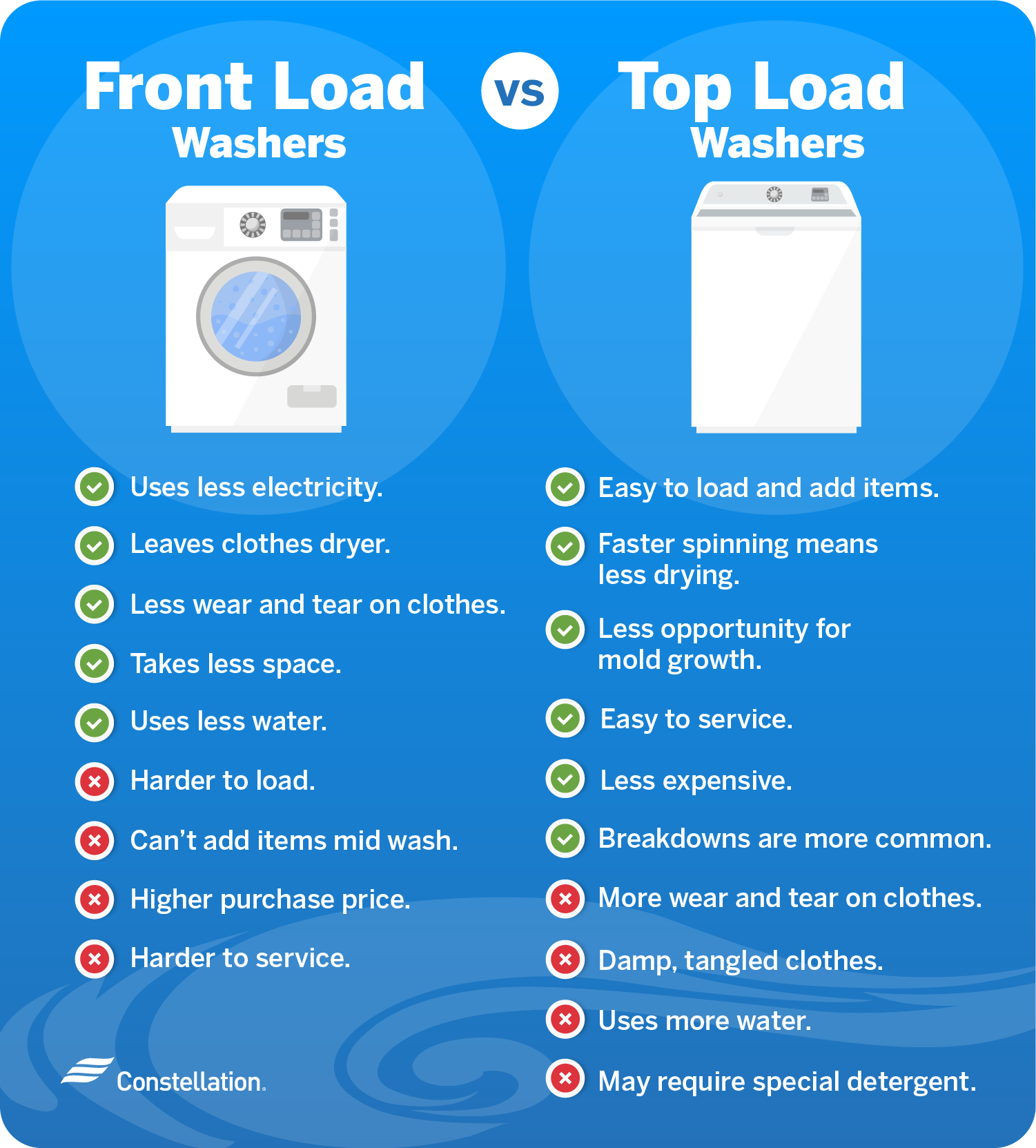
Use a Front-Load Washer Only
Avoid Top-Load Agitators
Never use a top-loading machine with a central agitator. It can rip seams, tear baffles, and twist the bag. The spinning action is too aggressive for delicate fabrics and insulation.
Choose a Large-Capacity Machine
Wash your sleeping bag in a front-loading washer, ideally a commercial model at a laundromat. These have bigger drums and no agitator, allowing the bag to tumble freely and get fully saturated. Home front-loaders may work for smaller bags, but large expedition models often won’t fit properly.
Prepare the Bag for Washing
Close Zippers and Loosen Cords
Zip all zippers to prevent snagging. Loosen drawcords to reduce stress on fabric. Remove any external straps common on quilts or backpacking bags to avoid tangling during the wash cycle.
Turn It Inside Out
Flip the bag to expose the liner. This cleans sweat and oils where they accumulate most. It also protects the outer shell during washing and allows water to reach the inner insulation more effectively.
Pre-Soak Thick Bags
For bulky expedition or winter sleeping bags, run a pre-soak cycle or soak in a tub first. This ensures water reaches deep into dense insulation before detergent is added. Skipping this step can leave the center of the bag still dirty after washing.
Use the Right Detergent

Down Bags: Use Nikwax or Grangers
Nikwax Down Wash.Direct or Grangers Down Wash are specially formulated to clean down without stripping natural oils. Use 100 ml for small bags weighing 1 to 2.5 pounds. Use 150 ml for medium bags weighing 2.5 to 4.5 pounds. Use 200 ml for large bags weighing 4.5 pounds or more.
Synthetic Bags: Use Nikwax Tech Wash
Nikwax Tech Wash removes dirt and oils while preserving wicking and insulation properties. Use the same dosage guidelines as down bags. This product is specifically designed for synthetic insulation.
Never Use These Products
Avoid regular laundry detergent, which leaves water-attracting residue. Never use fabric softener, which coats fibers and kills breathability. Skip bleach or brighteners, which damage fabric and DWR coatings. Never dry clean a down bag, as solvents destroy down clusters. If your down bag was previously washed with regular detergent, a Nikwax wash can restore it by removing residue and reviving loft.
Wash on Gentle Cycle
Set the Correct Wash Settings
Select a gentle, delicate, or wool cycle. Use cold or warm water, never exceeding 40°C or 100°F. Use high-speed spin to remove excess water before drying.
Add Detergent Properly
Pour detergent into the dispenser, not directly on the bag. This ensures even distribution and prevents concentrated spots that can leave residue on the insulation.
Extra Rinse Is Critical
Run at least one extra rinse cycle. Detergent residue is the number one cause of poor performance after washing. Down bags need this most, as residue prevents proper lofting and can make the bag attract moisture instead of repelling it.
Dry the Bag Completely
Use a Large Dryer on Low Heat
Drying is more important than washing. Incomplete drying leads to mold, mildew, and permanent damage. Use a commercial dryer if possible. Set to low heat or delicate. High heat melts synthetic fibers and scorches down.
Add Dryer Balls or Tennis Balls
Toss in 2 to 3 clean tennis balls or wool dryer balls. These break up clumps, restore loft, and speed up drying. Do not use dryer sheets, as they leave a coating that harms water repellency.
Dry in Intervals and Fluff Often
Run 1-hour cycles, then pause. Pull out the bag and fluff by hand. Rotate it in the dryer for even drying. Focus on thick areas like the hood, shoulders, and foot box. Drying takes 2 to 6 hours depending on insulation and thickness. Down takes longer than synthetic.
Check for Full Dryness
Squeeze a section of fill. If any dampness remains, keep drying. Even slight moisture can lead to mold and mildew. After drying, air out the bag overnight on a rack to eliminate trapped moisture and maximize loft.
Air Drying When No Dryer Is Available
Lay Flat or Hang Gently
Lay on a clean, dry surface in a warm, ventilated room. Flip every few hours for even drying. Hang by toe loops only, never by the hood when wet. The weight can stretch or tear internal baffles.
Avoid Sunlight
UV rays degrade fabric. Never dry in direct sunlight. Find a shaded, well-ventilated area instead.
Expect Long Drying Time
Air drying can take 2 to 3 days. Be patient. Rushing leads to mold and musty odors that are difficult to remove.
Spot Clean Minor Stains
Use a Gentle Cleaning Paste
Mix non-detergent soap with water. Apply with a soft toothbrush or sponge. Focus on high-contact zones like the collar, hood, zipper, and foot box.
Don’t Soak the Insulation
Hold the outer fabric away from the fill while cleaning. Wet insulation takes forever to dry and can clump together, destroying loft permanently.
Wipe and Air Dry
Rinse with a damp cloth. Let dry completely before storing. Any remaining moisture will cause problems later.
Treat Tough Stains
Blood Stains
Apply undiluted Nikwax Tech Wash for synthetic bags or Down Wash Direct for down bags. Let sit for 1 hour. Gently scrub with a soft brush. Wash as usual.
Persistent Odors
Run back-to-back washes with the appropriate Nikwax product. Ensure full drying. Lingering smells often come from dampness, not dirt. Never store a smelly bag, as odors can attract wildlife.
Restore Water Repellency
Reapply DWR After Washing
The shell’s Durable Water Repellent finish wears off over time. Reapply using Nikwax TX.Direct or Grangers Performance Repel. Spray or wash-in formula, following product instructions. Do this after cleaning while the fabric is clean and damp. This helps the bag shed moisture, stay drier, and resist dirt.
Store It the Right Way
Never Compress Long-Term
Storing in a stuff sack crushes insulation and kills loft over time. Compression is fine for trips but not for storage. The insulation needs room to breathe and maintain its structure.
Use a Loose Storage Sack
Store in a large cotton or mesh sack, which is often included with purchase. A pillowcase works in a pinch. Keep in a dry, cool place away from sunlight.
Fluff Periodically
Unpack and air out your bag once a season to maintain loft and prevent mustiness. This simple step extends the life of your sleeping bag significantly.
Maximize Bag Life With These Pro Tips
Use a Sleeping Bag Liner
A liner cuts down on washing. It absorbs sweat and oils, adds warmth, and is easy to wash at home. Silk, cotton, or synthetic liners are all effective options.
Sleep Clean
Wear dry, clean clothes to bed. Wipe off sunscreen and bug spray before getting in the bag. Avoid wearing cooking clothes, as they carry food smells that attract wildlife.
Stuff, Don’t Roll
Stuffing is gentler on insulation than rolling. Start at the foot end, push into the sack, and compress evenly. For waterproof shells, turn inside out before stuffing to avoid air pockets.
Handle Feather Loss Small feathers leaking is normal. Push them back in from the opposite side. Growing holes need attention. Patch with gear tape or Noso Patches.
Key Takeaways for Washing Your Sleeping Bag
Washing your sleeping bag doesn’t have to be risky. With the right machine, detergent, and drying method, you’ll restore its warmth, eliminate odors, and extend its life for years of future adventures. The most critical steps are using a front-loading washer with no agitator, choosing the correct detergent for your insulation type, running an extra rinse cycle, and ensuring complete dryness before storage. Never use regular detergent, fabric softener, or bleach. Always dry on low heat with dryer balls, and store loosely in a cotton sack rather than a compression stuff sack. Do it right, and your sleeping bag can stay cozy and reliable for decades.
Frequently Asked Questions About Washing Sleeping Bags
Can Regular Detergent Ruin a Down Bag?
Yes, but it’s fixable. Regular detergent leaves residue that kills loft and water resistance. Wash again with Nikwax Down Wash Direct to remove it and restore performance. The product is specifically designed to strip away harmful residues.
What If the Bag Still Smells After Washing?
Run two back-to-back washes with the appropriate Nikwax product. Ensure 100% dryness. Lingering odor usually means damp insulation. Check the entire bag carefully, especially thick areas like the foot box and hood.
Can I Hand Wash Instead of Machine Washing?
Yes. Fill a bathtub with cold water, add appropriate soap, and gently knead the bag. Rinse thoroughly, press out water without wringing, then dry using the tumble or air-drying methods above. This is actually the gentlest approach.
How Often Should I Wash My Sleeping Bag?
Only when necessary, generally once every 1 to 3 years. Spot clean and use a liner to extend time between washes. Overwashing damages fibers and reduces insulation performance.
Can I Use a Top-Load Washer With an Agitator?
No. Never use a top-load washer with a central agitator. The agitator can tear seams, rip baffles, and destroy insulation. Always use a front-loading machine or wash by hand.
What’s the Most Important Step in Washing a Sleeping Bag?
Complete drying is the most critical step. Incomplete drying leads to mold, mildew, and permanent damage to the insulation. Take your time and ensure the bag is 100% dry before storing.