How to Store Pressure Washer Properly
Leaving water inside your machine or ignoring stale fuel can crack the pump housing and clog the carburetor before spring arrives. Knowing exactly how to store a pressure washer properly protects your investment from these costly and preventable failures.
This guide details the specific steps for fuel stabilization, water removal, and pump protection to ensure reliable performance next season. You will learn the exact methods to winterize your unit and avoid the common mistakes that lead to expensive repairs.
Stabilize Fuel to Prevent Engine Gumming
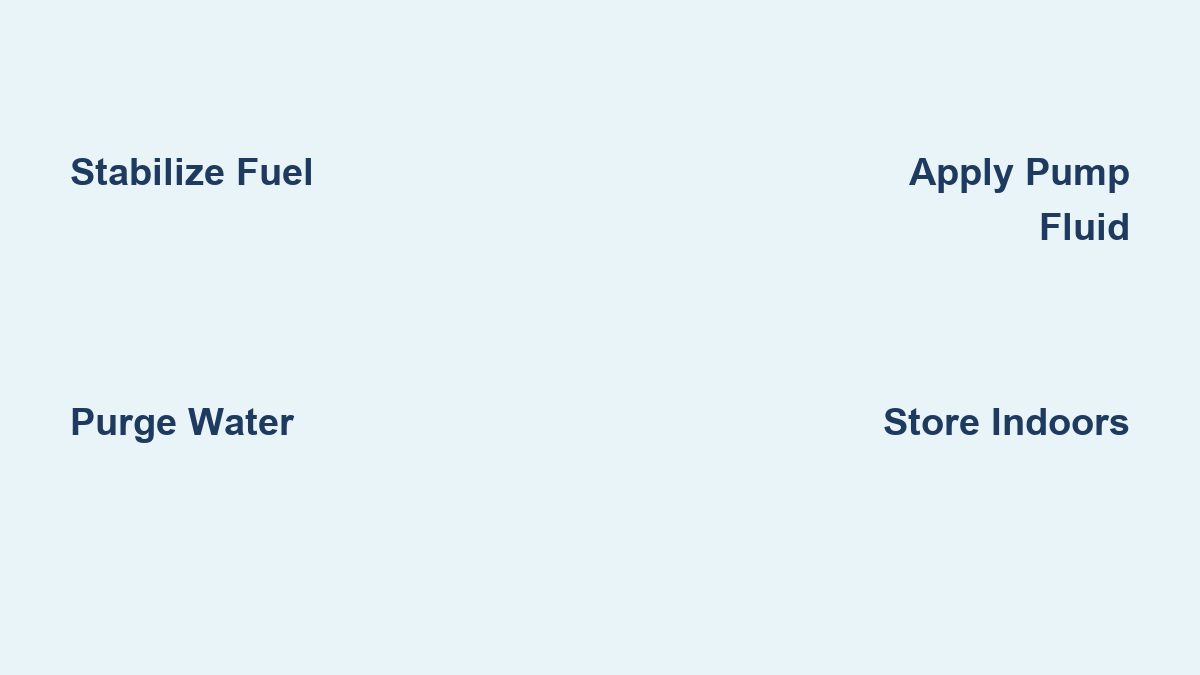
Gasoline begins to degrade within 30 days, creating sticky varnish that clogs internal engine components. Modern fuel often contains ethanol, which attracts moisture and accelerates this destructive process. Without proper treatment, your pressure washer may fail to start when you need it most.
Why Ethanol Fuel Degrades Quickly
Ethanol blends make up the majority of fuel sold in the United States and are chemically unstable during storage. As the fuel breaks down, it forms gum and varnish deposits inside the tank and carburetor. These residues cause rust and corrosion that can lead to complete engine failure. Treating the fuel before storage is the only way to prevent this chemical breakdown.
Steps to Treat and Circulate Fresh Fuel
You must add stabilizer to fresh gas and run the engine to protect the entire fuel system. Follow this precise sequence to ensure full coverage:
- Fill the tank with fresh gas to reduce air space where condensation forms.
- Add a high-quality stabilizer like STA-BIL at a rate of ½ ounce per gallon.
- Start the engine and let it idle for 2 to 3 minutes to circulate treated fuel.
- Shut off the engine and fuel valve to seal the system against moisture.
Pro Tip: Always add stabilizer to fresh fuel before storage, never after the gas has already sat for weeks.
Purge Water From the Pump System

Water left inside the pump is the single greatest threat to your pressure washer during cold weather. When water freezes, it expands with enough force to crack metal housings and rupture rubber seals. Even in warm climates, stagnant water causes internal corrosion and dries out critical gaskets over time.
Mechanical Removal of Residual Water
You must physically force water out of the pump before applying any protective fluids. This mechanical step removes the bulk of the liquid that could otherwise freeze and cause catastrophic damage:
- Disconnect both the garden hose and the high-pressure hose from the unit.
- Drain all accessories including the wand and nozzle, then wipe them dry.
- Pull the starter recoil cord approximately 6 times without starting the engine.
- Watch the outlet port for a small drip to confirm water expulsion.
Warning: Never store the unit with pressurized water inside as this places unnecessary stress on seals.
Apply Specialized Pump Protection Fluid
Mechanical purging cannot remove every drop of moisture or protect against long-term seal drying. You must introduce a specialized fluid to coat internal components and prevent corrosion. This step is non-negotiable for maintaining pump integrity during long periods of inactivity.
Selecting the Correct Antifreeze Product
Not all antifreeze products are safe for pressure washer pumps, and using the wrong type can cause severe damage. You must choose a product specifically designed for this application:
- Use dedicated pump saver products like Echo Red Armor or Briggs & Stratton Pump Saver Oil.
- Select RV or marine antifreeze that is propylene glycol-based and typically pink in color.
- Never use automotive antifreeze containing ethylene glycol as it damages rubber seals.
Injecting Protector Into the Inlet
Proper application ensures the fluid reaches every internal surface of the pump chamber. Follow these steps to coat the system effectively:
- Attach a short hose or adapter from the pump saver can to the water inlet.
- Submerge the intake end of the tube into the container of protection fluid.
- Pull the recoil starter handle 2 to 6 times to draw the fluid into the pump.
- Stop when you see the colored fluid exiting the high-pressure outlet port.
- Replace the inlet cap immediately to keep dust and debris out of the system.
Expert Note: Seeing the fluid exit the outlet is the only way to confirm full circulation through the pump.
Choose an Ideal Storage Location

The environment where you store your machine impacts its longevity just as much as the preparation steps. Exposure to moisture, extreme heat, or direct sunlight can degrade hoses, plastic housings, and external metal components. A controlled indoor space is essential for proper preservation.
Environmental Requirements for Storage
Select a location that offers protection from the elements and temperature extremes. Your storage area should meet these criteria:
- A clean, dry, and covered space such as a garage or shed.
- An area away from direct sunlight which breaks down rubber and plastic.
- A spot free from excessive humidity that promotes external rust on the frame.
Elevating the Unit Off the Ground
Concrete floors often wick moisture that can lead to rust on the bottom of the frame and pump. Place your pressure washer on a shelf, pallet, or mat to keep it elevated. This simple step also protects the unit from accidental flooding or spills in the storage area.
Secure Accessories and Relieve Pressure
Loose accessories can get lost or damaged during storage, while trapped pressure can weaken internal springs. Taking a few moments to organize your equipment ensures everything is ready for the next use. Proper handling of the spray gun extends the life of its internal mechanisms.
Organizing Hoses and Nozzles
Water trapped in hoses can freeze and cause cracks, while disorganized nozzles often go missing. Adopt these habits for accessory care:
- Drain and coil all hoses to prevent kinking and mildew growth.
- Wipe down external surfaces with a dry cloth before putting them away.
- Store nozzles in a labeled bag or holder attached directly to the unit.
- Keep the wand stored flat or upright to prevent bending or warping.
Releasing Trigger Mechanism Tension
Leaving the trigger locked or pressurized places constant tension on the internal spring. Always release the trigger lock after use to relieve this pressure. This simple action prevents the spring from losing its tension over the winter months.
Follow an Annual Maintenance Schedule
Consistency is key to long-term equipment health, and timing your maintenance correctly prevents most issues. You should perform these storage procedures before the first freeze or any period of inactivity lasting longer than 30 days. Regular attention to your maintenance schedule pays off in reliability.
Timing Your Winterization Tasks
Mark your calendar for these critical maintenance windows to ensure your machine stays in top shape:
- Perform full winterization before the first hard freeze of the season.
- Treat fuel and protect the pump before any storage period exceeding one month.
- Replace your can of pump protection fluid annually to ensure chemical effectiveness.
Benefits of Consistent Care
Following this routine provides tangible returns on your investment and prevents common failures. You can expect no hard starts in the spring, zero cracked pump housings, and a clean carburetor free of gum. Your equipment will last longer and retain its resale value with proper care.
Avoid These Common Storage Mistakes

Many pressure washer owners make simple errors that lead to expensive repairs. Understanding what not to do is just as important as following the correct steps. Avoiding these pitfalls saves you time and money in the long run.
Critical Errors to Prevent
Review this list to ensure you are not accidentally damaging your machine during storage:
- Using automotive antifreeze instead of pump-specific fluid.
- Skipping the fuel stabilizer step entirely before storing the unit.
- Storing the machine directly on wet concrete floors without elevation.
- Leaving water pressurized in the hoses or pump system.
Correcting Antifreeze Mistakes
If you accidentally used automotive antifreeze, you must flush the system immediately. Run clean water through the pump to remove the toxic fluid, then reapply the correct RV-safe or pump-specific product. Failure to correct this error can result in ruined seals and gaskets.
Frequently Asked Questions About Pressure Washer Storage
Can I store my pressure washer outside in the winter?
No, you should never store your pressure washer outside exposed to the elements. Moisture, snow, and temperature fluctuations will cause external rust and internal damage. Always store the unit in a dry, covered location like a garage or shed.
How often do I need to replace the pump protection fluid?
You should replace the can of pump protection fluid once a year to ensure its chemical properties remain effective. Old fluid may lose its ability to prevent freezing or lubricate seals properly. Always check the expiration date on the bottle before use.
What happens if I forget to add fuel stabilizer?
Forgotten stabilizer leads to stale fuel that turns into gum and varnish, clogging the carburetor. This often results in an engine that will not start or runs poorly when you try to use it again. You may need to clean or replace the carburetor to fix the issue.
Is it safe to use regular automotive antifreeze in the pump?
No, automotive antifreeze contains ethylene glycol which can damage the rubber seals in your pump. You must use propylene glycol-based RV antifreeze or dedicated pump saver products. Using the wrong fluid can cause seal failure and leaks.
How long does gasoline last before it goes bad?
Gasoline begins to degrade and go stale in approximately 30 days, especially ethanol blends. This degradation creates residues that clog fuel systems and prevent proper engine operation. Always treat fuel with stabilizer if the machine will sit for more than a month.
Key Takeaways for Storing Your Pressure Washer
Properly storing your pressure washer requires removing water, stabilizing fuel, and choosing the right environment. These steps prevent frozen pumps, clogged carburetors, and costly repairs that ruin your cleaning season before it starts. Taking an hour now to follow this guide ensures your machine starts quickly and runs strong next year.
Gather your supplies including fresh gas, stabilizer, and pump saver fluid to begin the process today. Your future self will thank you when spring arrives and your equipment is ready to work immediately. Protect your investment by making these maintenance tasks an annual habit.