How to Wash a Deck Without a Pressure Washer
Your deck looks gray and slimy, but firing up a pressure washer might destroy soft wood fibers or drive mold deeper into the grain. Washing a deck without a pressure washer is often the smarter choice for cedar, pine, or older structures because it relies on chemical action rather than destructive force.
This guide shows you exactly how to restore your outdoor space using oxygen bleach, a stiff brush, and a garden hose. You will learn to mix safe cleaning solutions, scrub effectively with the grain, and apply protective treatments that extend the life of your wood.
Assess Your Deck Condition Before Cleaning
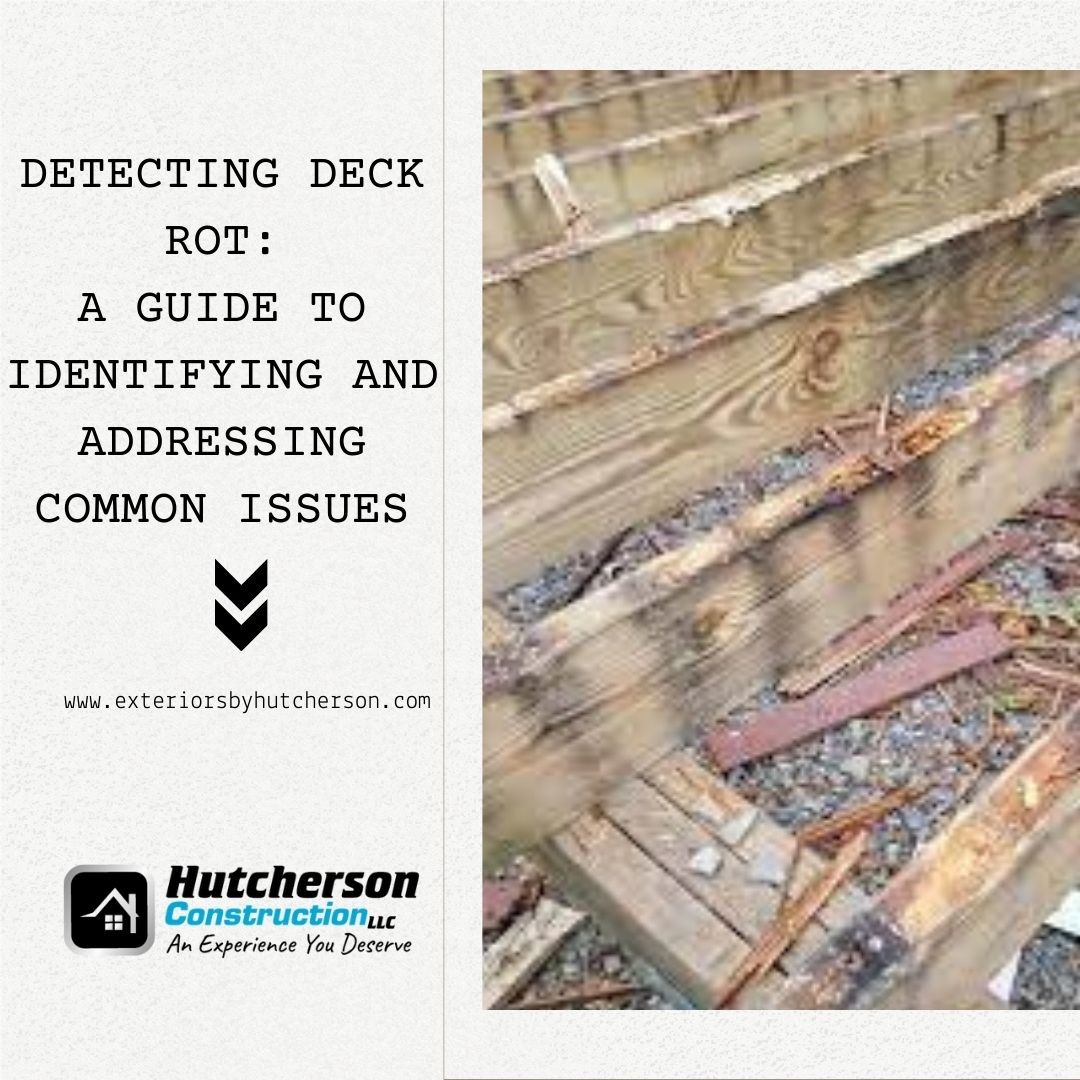
Inspecting your deck thoroughly ensures you do not worsen existing damage during the cleaning process. You must identify rot, loose boards, or structural weaknesses before applying any water or solution.
Check for Rot and Structural Damage
Walk across every section of the deck to feel for soft spots or spongy wood. Look closely for deep cracks, warping, or crumbling edges that indicate decay. Replace any compromised boards immediately because water exposure can accelerate rot in weak areas.
Identify Your Wood Type
Determine if your deck is made of softwood like pine or cedar, or hardwood like ipe. Softwoods are more absorbent and require gentler cleaning methods to prevent fiber damage. Hardwoods can tolerate slightly more aggressive scrubbing but still benefit from low-impact techniques.
Test Wood Porosity
Sprinkle water on a small, hidden area to see how the wood reacts. If the water beads up, a previous sealant is still present and may need stripping. If the water absorbs quickly, the wood is bare and ready for a deep clean with oxygen bleach.
Prepare the Cleaning Area for Best Results
Clearing the workspace prevents accidents and ensures your cleaning solution reaches every square inch of the deck surface. Proper preparation also protects your landscaping and furniture from chemical runoff.
Remove All Furniture and Decor
Take off grills, planters, rugs, and outdoor furniture to access the entire floor. This step prevents items from getting stained by runoff or damaged by cleaning solutions. It also gives you the freedom to move around safely while scrubbing.
Sweep Away Loose Debris
Use a stiff-bristle broom or leaf blower to remove leaves, dirt, twigs, and dust. Skipping this step turns loose grit into an abrasive mud sludge when wet, making scrubbing much harder. Clean dry debris first to avoid scratching the wood surface during washing.
Protect Nearby Plants and Grass
Pre-wet surrounding vegetation with plain water to dilute any accidental overspray from your cleaning solution. Although oxygen bleach is generally plant-safe, concentrated amounts can stress sensitive foliage. Drape plastic sheets over delicate shrubs for extra protection if needed.
Gather Essential Tools for Manual Deck Washing
You do not need expensive machinery to clean your deck effectively. The right manual tools provide the necessary agitation to lift grime without the risk of high-pressure damage.
Choose the Right Scrub Brush
Select a stiff-bristle brush with synthetic bristles to lift dirt without gouging the wood. Avoid wire brushes entirely as they can shred wood fibers and leave metal particles behind. For large decks, attach a long handle to your brush to reduce back strain.
Use a Gentle Hose Nozzle
Equip your garden hose with a spray nozzle capable of producing a wide, fan-style spray. Never use a jet or pinpoint setting because high pressure defeats the purpose of a low-impact clean. A gentle flow rinses dirt away without forcing water into wood joints.
Wear Proper Safety Gear
Put on rubber gloves, safety goggles, and a dust mask before mixing or applying cleaners. Powdered oxygen bleach can irritate your lungs and eyes if inhaled or splashed. Protecting your skin and respiratory system is essential for a safe cleaning experience.
Mix the Best Cleaning Solution for Wood
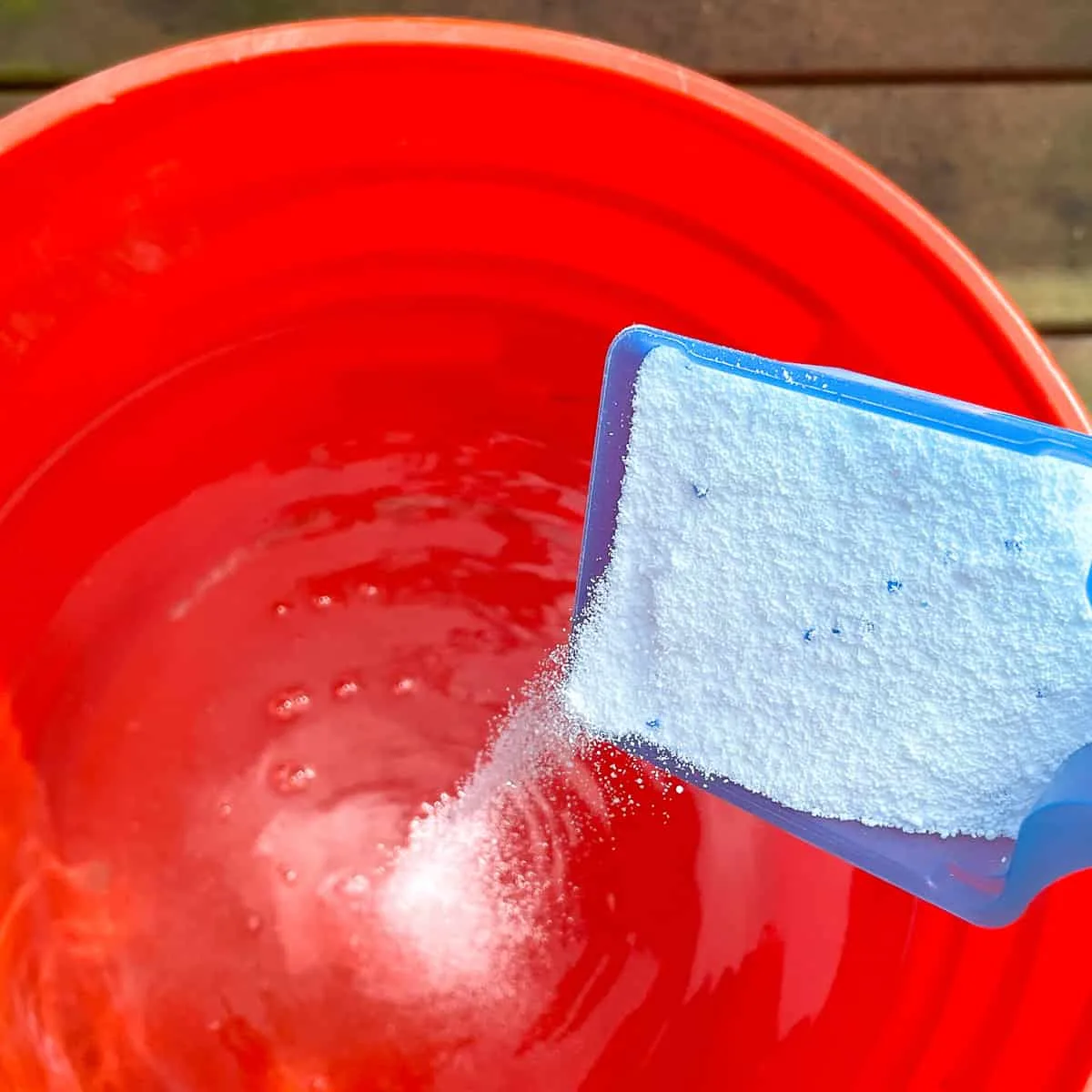
The right cleaning agent removes stains and kills organic growth without harming the wood structure or surrounding environment. Oxygen bleach is the superior choice for deep cleaning decks manually.
Make an Oxygen Bleach Solution
Combine one cup of oxygen bleach powder with one gallon of warm water in a five-gallon bucket. Stir the mixture until the powder dissolves completely and the solution begins to fizz slightly. This reaction indicates the cleaner is activating and ready to break down algae and mildew.
Try Vinegar for Light Stains
Mix one part white vinegar with three parts water for minor discoloration or rust marks. Apply this solution with a spray bottle and let it sit for ten minutes before scrubbing. This mild acid works well on small spots but lacks the power of oxygen bleach for heavy grime.
Avoid Chlorine Bleach Completely
Never use chlorine bleach on your deck as it weakens wood fibers and fades natural colors. It kills surrounding grass and leaves toxic residues that harm the environment. Chlorine bleach may look effective initially but causes long-term damage to your deck structure.
Pre-Treat Tough Stains Before Scrubbing

Spot-treating problem areas allows the cleaning solution to penetrate deep into stubborn stains before you begin the main scrub. This targeted approach saves time and effort during the general washing phase.
Target Mold and Mildew Patches
Sponge the oxygen bleach mixture directly onto dark, fuzzy spots or green algae clusters. Let the solution sit for ten to fifteen minutes to kill spores at the root. Keep the area moist during this time by re-misting if the solution starts to dry.
Treat Rust and Tannin Stains
Apply a concentrated vinegar solution or extra-strength oxygen bleach to rust spots from metal furniture. Gently scrub these areas with a non-scratch pad to lift discoloration without damaging the wood. Black tannin streaks often respond well to this targeted treatment.
Test Solutions on a Hidden Area
Always patch-test any new cleaning solution on a small, inconspicuous spot first. Wait fifteen minutes to check for unexpected discoloration or adverse reactions. This step is crucial for older decks or wood with unknown previous treatments.
Scrub the Deck by Hand Effectively
Manual scrubbing is the core of washing a deck without a pressure washer. Proper technique lifts dirt from the grain while preserving the integrity of the wood surface.
Work in Small Sections
Clean one three-by-four-foot area at a time to maintain control over the process. This prevents the cleaning solution from drying on the surface before you can scrub and rinse it. Working in small batches ensures consistent results without streaks.
Scrub With the Wood Grain
Dip your stiff brush into the solution and scrub strictly in the direction of the wood grain. Scrubbing against the grain raises wood fibers and creates splinters that can hurt bare feet later. Consistent directional scrubbing keeps the surface smooth and safe.
Focus on Problem Zones
Spend extra time on joints, corners, and areas under railings where moisture collects. These spots trap dirt and are prime locations for mildew growth. Agitate these areas thoroughly to ensure the cleaning solution reaches deep into crevices.
Reapply for Stubborn Grime
Apply a second coat of cleaner and scrub again if stains persist after the first pass. Patience beats pressure when removing deep-set grime from wood pores. Repeated gentle scrubbing is safer and more effective than aggressive force.
Rinse Thoroughly and Safely
Rinsing removes loosened gunk and leftover cleaner without risking damage to the wood fibers. A gentle but thorough rinse is critical for a clean finish.
Use Low-Pressure Spray Only
Keep your hose nozzle on a wide fan setting throughout the rinsing process. Hold the nozzle at least twelve inches from the surface to prevent etching or fiber damage. Never switch to a high-pressure setting even for tough spots.
Rinse With the Grain
Direct the water flow along the wood grain to help flush debris out of the pores. Overlap each pass to ensure full coverage and complete removal of cleaning residue. This technique helps the wood dry evenly and prevents water spots.
Check for Residue
Run your hand over the surface after rinsing to ensure it feels clean and smooth. The wood should not feel soapy, sticky, or slimy to the touch. Residual cleaner can interfere with future sealing efforts and attract more dirt.
Let the Deck Dry Completely
Proper drying is critical before applying any sealant or stain to your deck. Rushing this step traps moisture inside the wood and causes finish failure.
Wait 24 to 48 Hours
Allow the deck to air dry completely, which typically takes one to two days. Drying time depends on sun exposure, humidity levels, and the specific wood type. In shaded or humid areas, wait a full forty-eight hours to be safe.
Test for Dryness
Place a piece of plastic wrap or aluminum foil on the deck and tape down the edges. If condensation forms underneath after twenty-four hours, the wood is still too damp for treatment. The wood must be dry from the surface to the core.
Keep Traffic Off the Surface
Avoid walking on the deck or placing furniture back until it is fully dry. Wet wood is more prone to scuffing, new stains, and dirt accumulation. Patience during drying ensures your hard work lasts longer.
Apply a Protective Wood Treatment
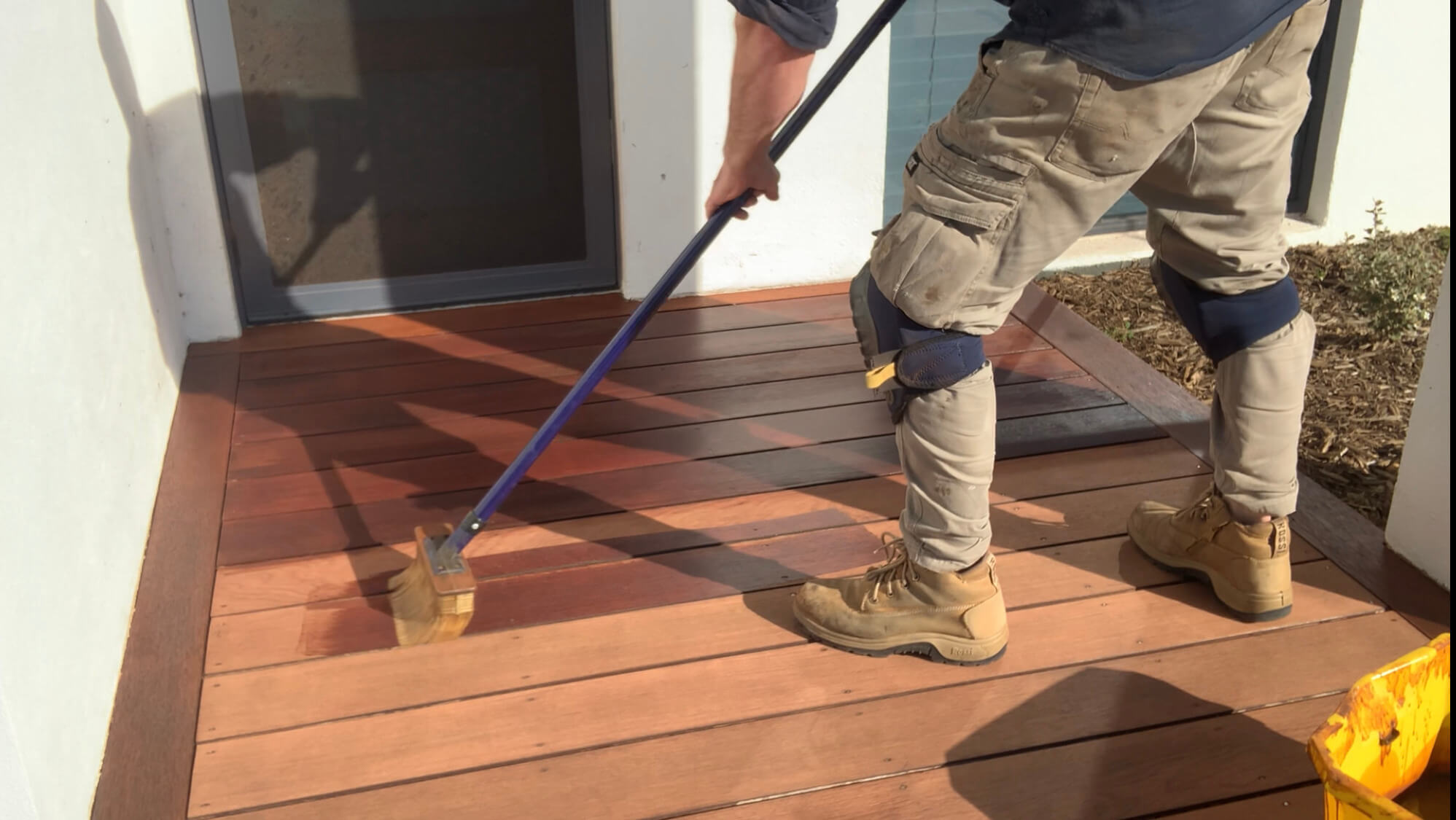
A clean deck needs protection to resist future grime, moisture intrusion, and UV damage. Applying the right finish extends the time between deep cleanings.
Choose the Right Finish
Select a water repellent for new decks or an oil-based sealer for deep penetration and a natural look. Water-based sealers offer low odor and easy cleanup for high-traffic areas. Semi-transparent stains add color while still showing the wood grain.
Apply Evenly and Correctly
Stir the product thoroughly without shaking to avoid creating bubbles. Use a brush or roller to apply the treatment with the grain in small sections. Let it soak for ten to fifteen minutes, then wipe off excess with a clean cloth.
Allow Time Between Coats
Wait four to six hours before applying a second coat if the manufacturer recommends it. Do not apply treatment in direct sunlight as this causes uneven drying and streaking. Work in the shade or on cloudy days for best results.
Maintain Your Deck Year-Round
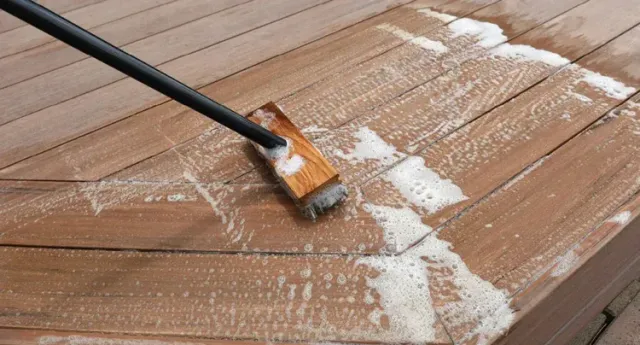
Regular care reduces the frequency of deep cleaning and keeps your deck looking its best. Simple maintenance habits protect your investment over time.
Sweep Weekly
Remove leaves, dirt, and debris weekly to prevent moisture buildup and staining. A quick sweep goes a long way in preventing mildew and algae growth. Keeping the surface clear also reduces slip hazards.
Wash Lightly Twice a Year
Use a mild soap-and-water mix for routine cleaning in the spring and fall. Spot-treat mildew early before it spreads across the entire deck. Regular light washing maintains the appearance of your wood between deep cleans.
Reapply Sealer Every 1 to 3 Years
Check the performance of your sealant by sprinkling water on the surface annually. If the water soaks in instead of beading up, it is time to reseal the deck. Regular reapplication maintains water resistance and wood health.
Frequently Asked Questions About Washing a Deck Without a Pressure Washer
Can I use vinegar instead of oxygen bleach to wash my deck?
Yes, you can use a mixture of one part white vinegar to three parts water for light stains and mild mildew. However, vinegar is less effective than oxygen bleach for deep cleaning heavy algae or grayed wood. Use vinegar for spot treatments and oxygen bleach for full deck restoration.
How long does it take to manually scrub a deck?
The time required depends on the deck size and level of grime, but expect to spend several hours on an average-sized patio. Working in small sections ensures thorough cleaning without the solution drying too fast. Plan for a full day project if your deck is heavily stained or large.
Will manual scrubbing damage old or soft wood?
No, manual scrubbing with a stiff synthetic brush is safer for old or soft wood than pressure washing. It lifts dirt without gouging fibers or causing splintering. This method preserves the structural integrity of delicate woods like cedar and pine.
Do I need to rinse the deck after using oxygen bleach?
Yes, you must rinse the deck thoroughly with a garden hose to remove all cleaning residue. Leftover cleaner can attract dirt or interfere with sealants applied later. Rinsing also washes away the lifted grime and dead organic matter.
Can I wash my deck if it has just rained?
It is better to wait until the deck surface is dry before applying cleaning solutions. Wet wood may not absorb the cleaner effectively, diluting its power. Wait for a dry day to ensure the best cleaning results and proper dwell time.
Key Takeaways for Washing Your Deck Without a Pressure Washer
Washing a deck without a pressure washer protects your wood from damage while effectively removing years of grime and algae. By using oxygen bleach, scrubbing with the grain, and allowing proper drying time, you can restore your deck safely. This manual method is ideal for softwoods, older decks, and areas near sensitive plants.
Start your project by assessing your deck condition and gathering the right tools like a stiff brush and garden hose. Mix your oxygen bleach solution, pre-t tough stains, and scrub in small sections for the best results. Finish by letting the wood dry completely before applying a protective sealer to keep your outdoor space beautiful for years.