How to Increase Pressure Washer Pressure
Is your pressure washer failing to blast away stubborn grime? Low output often stems from incorrect unloader valve settings, worn nozzles, or reduced engine speed rather than a broken machine.
You can safely increase pressure washer pressure by adjusting the unloader screw, selecting a smaller nozzle orifice, and verifying full engine RPM. This guide details the exact steps to restore power without damaging your equipment.
Adjust the Unloader Valve to Boost PSI

The unloader valve acts as the primary regulator for your system’s maximum pressure output. Turning the adjustment screw clockwise compresses the internal spring, forcing the pump to build more force before water bypasses back to the inlet.
Prepare the System Before Adjustment
You must purge air and debris before taking any measurements to ensure accuracy and prevent pump damage. Start the machine without a spray tip installed and let water flush through for 5 to 10 seconds.
With the trigger gun open, squeeze and release the trigger three times to remove trapped air pockets. Reinstall your desired nozzle only after the system runs smoothly with a steady water stream.
Turn the Adjustment Screw Clockwise
Locate the adjustment screw on the pump head, which is often protected by a plastic cap. Use a wrench or screwdriver to turn this screw clockwise in very small increments of 1/8 to 1/4 of a turn.
Squeeze the trigger to engage the pump under load and observe the pressure gauge reading. Wait 3 to 5 seconds for the needle to stabilize before making another small adjustment.
Repeat this cycle until you reach your target PSI. Never make large turns at once, as over-tightening can strain seals and cause immediate component failure.
Verify Static Pressure Spike
Release the trigger while watching the gauge needle to ensure the unloader functions correctly. The pressure should spike briefly as the system transitions to bypass mode, then settle quickly.
For a unit operating at 3,000 PSI, the static pressure should stabilize no higher than 3,300 to 3,400 PSI. If the needle climbs above 3,500 PSI, back off the adjustment screw slightly to prevent overheating and seal damage.
Choose a Smaller Nozzle Orifice
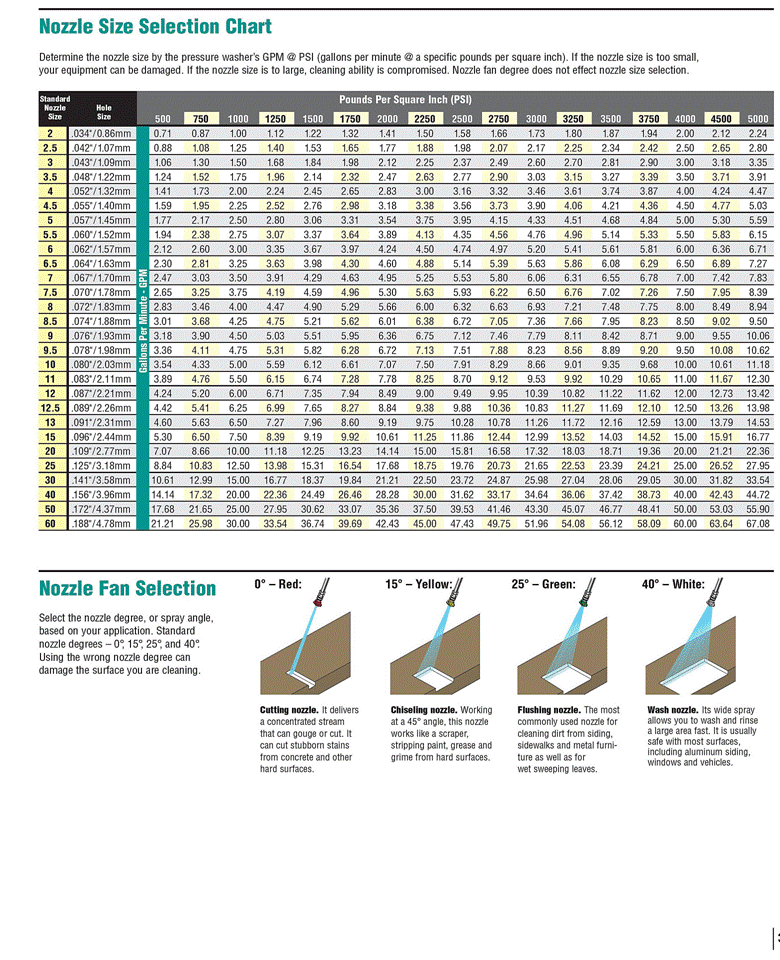
Nozzle size directly dictates the pressure delivered to the surface based on fluid dynamics principles. A smaller orifice creates greater resistance, which increases PSI if your pump can maintain the necessary flow rate.
Match Nozzle Size to GPM
Pressure relies on the relationship between your pump’s Gallons Per Minute (GPM) and the hole size in the tip. On a standard 2.5 GPM pump, switching from a 3.5 tip to a 3.0 tip can raise pressure from 2,000 PSI to nearly 2,750 PSI.
Replace your current tip with a smaller numbered option to instantly boost impact force. Ensure your pump can handle the increased resistance without cycling on and off rapidly.
Pro Tip: If the pump cycles repeatedly while you hold the trigger, the nozzle is too small for your flow rate. Install a slightly larger orifice to allow continuous operation.
Install and Re-Adjust After Changing Tips
Install the new smaller nozzle and restart the machine to test the new baseline pressure. You may need to fine-tune the unloader valve again to reach your specific target PSI with the new restriction.
A smaller orifice naturally increases system resistance, often requiring less spring tension on the unloader than your previous setup. Always verify operating pressure under load after any nozzle change.
Ensure Full Engine RPM
Your pump cannot generate rated pressure if the engine or motor is not spinning at full speed. Reduced RPM directly lowers both flow volume and maximum PSI output.
Check Throttle and Governor Settings
Verify that the engine throttle is set to the maximum position before making any hydraulic adjustments. Listen for sluggish performance or uneven revving that suggests carbon buildup or fuel restrictions.
If the engine bogs down under load, inspect the governor linkage and fuel system. No amount of unloader tweaking will fix pressure loss caused by an underperforming engine.
Avoid Over-Revving the Pump
While increasing RPM can theoretically boost pressure, exceeding manufacturer specifications is dangerous for consumer-grade units. Axial cam pumps are designed for specific speed ranges, and going beyond them causes cavitation and overheating.
Only adjust RPM on professional units with adjustable governors. For most homeowners, ensuring the throttle is fully open is the only safe and effective RPM modification.
Diagnose Low Pressure Accurately
Not every pressure issue requires adjustment, as some symptoms indicate wear or blockages. Reading your pressure gauge correctly helps you identify the root cause before attempting fixes.
Read the Gauge Like a Pro
Observe the needle behavior to pinpoint your specific problem area. Low PSI under load suggests a misadjusted unloader, worn pump internals, or an oversized nozzle.
A high static spike exceeding 400 PSI above operating pressure indicates the unloader is too tight. If pressure plateaus early, such as stopping at 3,800 PSI on a 4,000 PSI system, you have reached the mechanical limit.
Identify Common Component Confusion
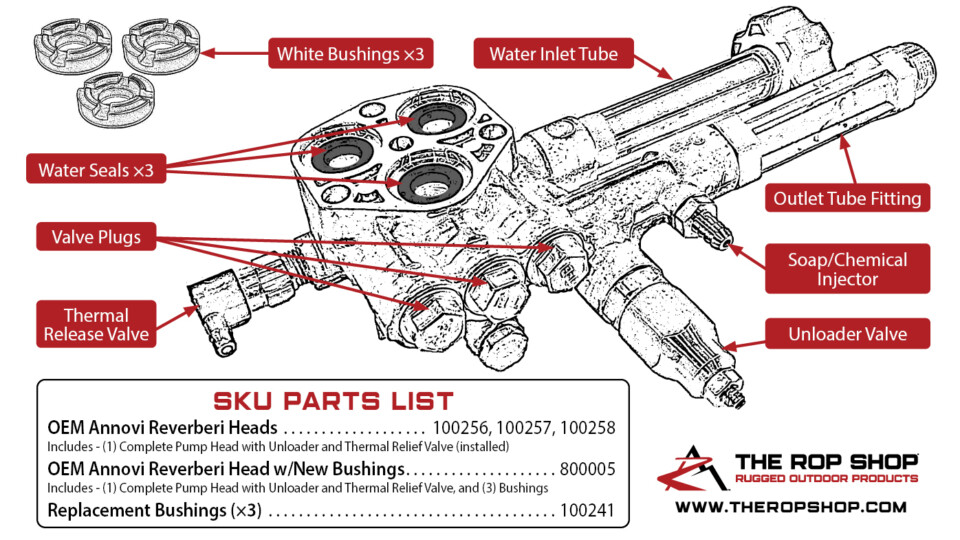
Ensure you are adjusting the correct part, as the pump has multiple valves and lines. The adjustable screw on the pump head controls the unloader, while a plastic hose dangling from the base is usually a drain line.
Do not confuse these with the soap injection hose, which typically connects above the pump with a filter. Misidentifying these parts leads to incorrect fixes and potential damage.
Avoid Over-Pressurization Risks
Pushing your machine beyond safe limits can destroy equipment and damage cleaning surfaces. Understanding the dangers of excessive pressure protects your investment and your property.
Recognize Damage Signs
Over-pressurization often results in leaking seals, cracked pump heads, or burst high-pressure hoses. On the cleaning surface, it can strip paint, etch concrete, or gouge wood.
Using a zero-degree tip at maximum pressure on a vehicle will remove wax and likely damage the clear coat. Always match your pressure settings to the durability of the surface you are cleaning.
Follow Safety Best Practices
Use a calibrated gauge to monitor pressure rather than guessing based on spray pattern. Maintain a safe distance of at least 12 inches from sensitive surfaces like vehicles or painted wood.
Stick to wider angle nozzles like 40° or 60° for delicate tasks. Always adjust the unloader in tiny 1/8-turn increments to prevent sudden pressure spikes that could rupture lines.
Maximize Performance Within Limits

True cleaning power comes from balancing pressure, flow, and chemical application rather than chasing maximum PSI numbers. Professional results often rely on the standard 3,000 PSI at 4 GPM combination.
Understand the 3,000 PSI / 4 GPM Standard
This specific balance provides enough impact to break up dirt while offering sufficient volume to rinse it away. Boosting pressure significantly beyond design limits often sacrifices pump longevity for marginal cleaning gains.
Focus on maintaining consistent pressure and proper nozzle selection for better results. Chemical dwell time and flow rate are frequently more effective than raw pressure for tough jobs.
Know When the Pump Is Worn Out
If you have used the correct nozzle, adjusted the unloader fully, and verified full RPM but still lack pressure, internal wear is likely. Worn valves, seals, or pistons reduce efficiency and cannot be fixed by adjustment.
In these cases, the pump requires rebuilding or replacement to restore rated performance. Continuing to force a worn pump can lead to catastrophic failure.
Optimize for Your Use Case

Tailor your pressure settings to the specific job rather than running at maximum output constantly. Different surfaces require different approaches to avoid damage while ensuring cleanliness.
Automotive Detailing
Use 40° or 60° nozzles and keep the wand at least 12 inches from the paint. Focus on chemical dwell time and flow rate rather than high PSI to safely remove brake dust and grime.
Concrete and Industrial Cleaning
Utilize 0° or 15° tips for stubborn grease and oil stains on durable surfaces. Maximize PSI via unloader adjustment and small orifices only if the concrete can withstand the impact force.
Homeowner Maintenance
Lower pressure for delicate tasks by using larger nozzles or reducing engine throttle. Never tamper with the unloader unless necessary for restoring rated performance on tough jobs.
Final Adjustment Checklist
Ensure you have completed every safety and verification step before finishing your work. This checklist confirms your system is optimized and safe to operate.
- Flushed system without a tip installed
- Purged air by cycling trigger three times
- Installed correct smaller nozzle for higher PSI
- Adjusted unloader in 1/8-turn increments
- Verified operating PSI under load with gauge
- Checked static pressure spike is under 400 PSI over operating
- Confirmed engine is running at full RPM
- Matched tip angle to task and surface type
Frequently Asked Questions About Increasing Pressure Washer Pressure
How much can I safely increase my pressure washer PSI?
You should generally stay within 10% of the manufacturer’s rated pressure. Exceeding this limit risks seal failure, hose bursts, and permanent pump damage.
Why does my pressure washer lose pressure when I hold the trigger?
This usually indicates the nozzle orifice is too small for your pump’s flow rate, causing the unloader to bypass repeatedly. Try installing a slightly larger nozzle tip to maintain continuous flow.
Does increasing engine RPM always increase pressure?
Increasing RPM can boost pressure, but only up to the pump’s design limit. Exceeding specified RPM causes cavitation and rapid wear on consumer-grade axial cam pumps.
What happens if I turn the unloader valve too far clockwise?
Over-tightening causes excessive static pressure when the trigger is released, leading to overheating and blown seals. Always monitor the gauge spike to ensure it stays within safe limits.
Can a worn pump still reach high pressure with adjustment?
No, if internal components like valves or pistons are worn, adjustments will not restore rated pressure. A pump that cannot reach target PSI despite correct settings likely needs rebuilding.
Key Takeaways for Increasing Pressure Washer Pressure
Increasing pressure washer pressure requires a balanced approach involving the unloader valve, nozzle selection, and engine performance. You can safely boost output by turning the unloader screw clockwise in small increments and switching to a smaller nozzle orifice.
Always verify your changes with a calibrated gauge and watch for dangerous static pressure spikes. If your machine still underperforms after these adjustments, internal wear may require professional service rather than further tuning.