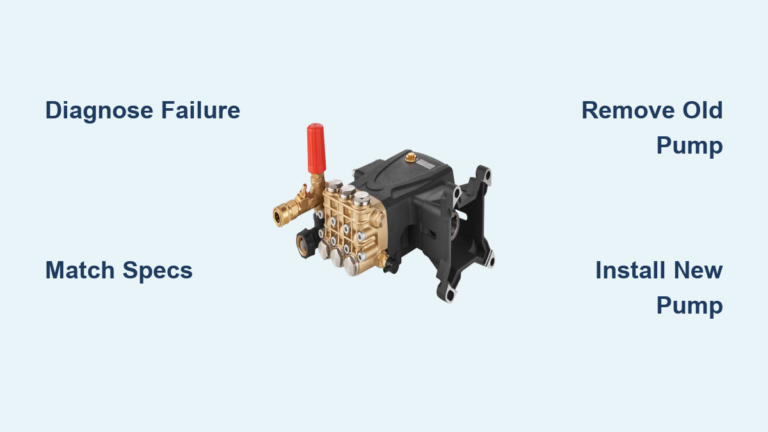
Generac Pressure Washer Troubleshooting Guide
If your Generac pressure washer won’t build pressure, pulses erratically, or loses power after 30 seconds, you’re dealing with one of the most common issues owners face. The good news? Most of these problems aren’t caused by a dead pump. In fact, the root cause is usually an air leak, a blockage, or a faulty unloader valve. This guide walks you through Generac pressure washer troubleshooting step by step, using documented service data and real-world repair cases. You’ll learn how to diagnose the exact issue, fix it in under an hour, and prevent future breakdowns.
Why Your Generac Pressure Washer Won’t Build Pressure
When your machine runs but produces weak or no pressure, the unloader valve assembly is the first suspect. This component controls water flow when you release the trigger. If it fails, water recirculates inside the pump instead of building pressure. This issue is documented specifically for Generac model 01439-0, but it applies to most units in the lineup.
How to Replace a Faulty Unloader Valve
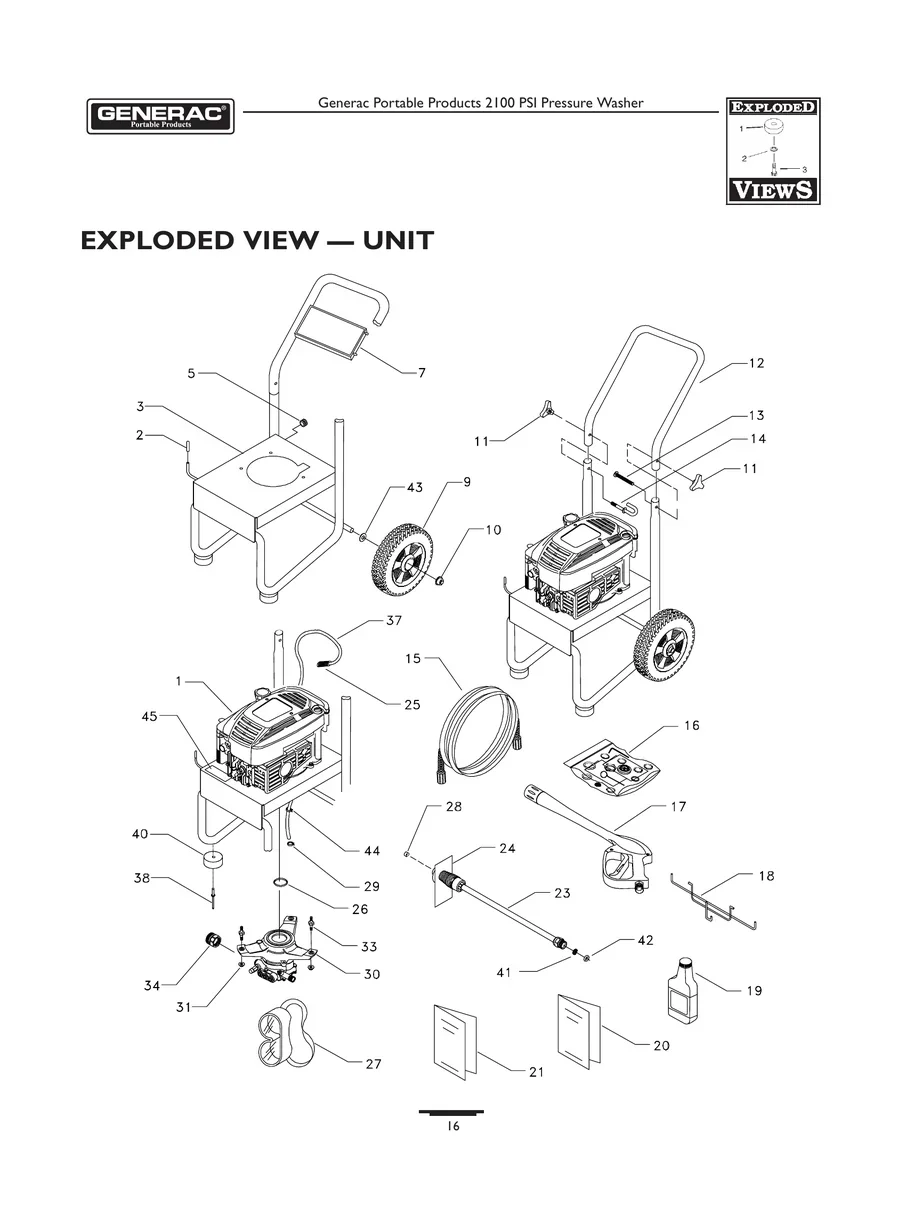
A stuck or weakened spring in the unloader valve prevents proper closure. Here’s the complete repair procedure:
-
Disconnect Power and Water Supply
Unplug the unit and turn off the water source before starting any work. -
Remove the Pump
Locate the three 13 mm bolts securing the pump to the motor. One additional bolt sits lower on the pump housing. Remove all bolts and gently pull the pump off using the keyway alignment for smooth removal. -
Extract the Unloader Valve Assembly
Find the valve on the pump’s discharge side. Use a pry bar with light hammer taps to loosen the retainer clip. Push the assembly out and note whether it moves freely or feels seized. -
Clean and Recondition Components
Inspect the O-rings carefully. They may look intact but can harbor debris or hardened residue. Clean all parts with a soft brush and mild cleaner. Apply silicone-based lubricant to the O-rings for smooth reinstallation. -
Reinstall the Unloader Valve
Tap the assembly back into place using a hammer and soft block. Avoid direct metal-to-metal impact. Reinsert the retainer clip and tap until fully seated. Confirm the valve moves freely when pushed. -
Reattach the Pump
Align the pump’s keyway with the motor shaft. Reinstall and tighten the three 13 mm bolts securely. -
Test the Unit
Turn on the water supply and start the washer. A small leak at the connection is normal initially and usually seals after a few minutes. Check for full pressure output once running.
Pro Tip: Over time, mineral deposits and debris obstruct the valve spring. Using filtered water reduces buildup and extends valve life.
Inspect Pump Valves for Debris
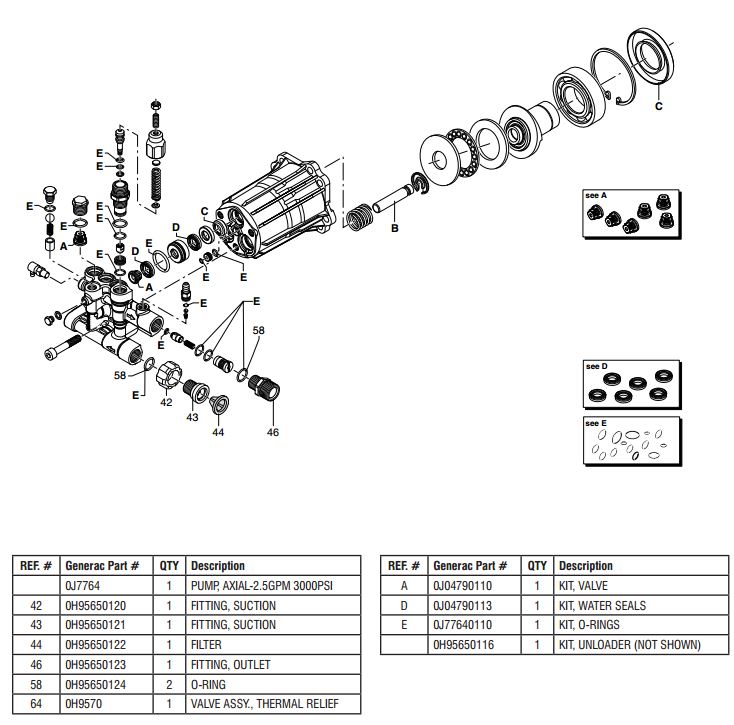
If pressure still won’t build, the internal pump valves may be the problem.
Your Generac pump has three valves:
– Inlet valve
– Outlet valve
– Unloader valve
These use plastic housings with metal sealing plates. Debris can lodge between the sealing plate and valve seat, preventing a tight seal.
Inspection Steps:
1. Remove the valve covers and pull out the valve assemblies
2. Carefully pry open the plastic housing to avoid cracking
3. Examine sealing surfaces for dirt, corrosion, or wear
4. Clean all components with a soft brush and water
5. Reassemble with clean, dry parts
Visual Check: A properly seated valve forms a tight seal. If one side lifts even slightly, water bypasses the system and pressure drops. Replace damaged valves with OEM parts.
Stop Pulsing or Erratic Pressure Issues
Pulsing pressure that fades after 20 to 30 seconds points to air entering the system or a flow restriction. These Generac pressure washer troubleshooting steps address both causes.
Find Hidden Air Leaks
Air disrupts water flow and causes pulsation. Even tiny leaks create big problems.
Check These Connection Points:
– All water line joints for missing or damaged gaskets
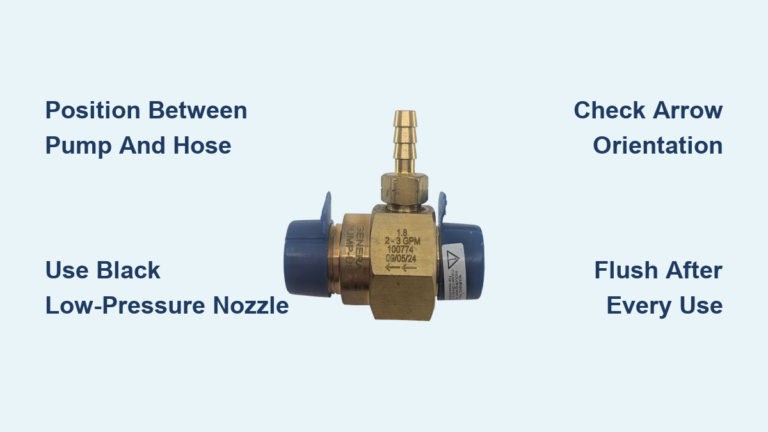
– The chemical injection fitting, even if you don’t use detergent
– Pump housing seals and O-rings
Documented Case: One Generac Speed Wash unit pulsed despite recent servicing. The culprit was a missing gasket at a critical connection and a severely clogged chemical injection fitting. After replacing the gasket and cleaning the fitting, pressure stabilized completely.
Clean the Chemical Injection Fitting
This part gets overlooked, especially if you never use detergent. But a clogged or unsealed fitting draws in air and restricts water flow.
Cleaning Procedure:
1. Locate the chemical injection port on the pump or hose line
2. Remove the fitting and inspect the screen
3. Clean with a brush or compressed air
4. Flush the housing to remove debris
5. Reinstall securely or disconnect and cap the line
Expert Note: Some owners remove the fitting entirely and cap the line to prevent future air leaks. This works well if you don’t plan to use detergent.
Restore Pressure That Drops After 30 Seconds
Losing pressure shortly after startup indicates air being pulled into the system under load. Work through these Generac pressure washer troubleshooting steps in order.
Rule Out External Flow Problems

Before opening the pump, verify water flows correctly through every component.
Quick Check Sequence:
1. Turn on the water supply and confirm strong flow at the inlet
2. Disconnect the hose at the pump and verify water reaches the inlet
3. Test the wand and trigger for blockages
4. Inspect the nozzle tip and clear with a pin or thin wire
Time-Saver: If water flows to the pump but not through the wand, the blockage is downstream in the trigger gun or nozzle. A single hairline obstruction disrupts performance.
Replace Worn Seals and Gaskets
Over time, O-rings and gaskets degrade, especially in hard water areas.
Common Failure Points:
– Pump head seals
– Connection joints
– Unloader valve housing
– Chemical injector seals
Fix: Replace all suspect seals with OEM parts. Lubricate with silicone grease during reassembly. Tighten fittings evenly and avoid overtightening plastic components.
Warning: Aftermarket seals may not withstand high pressure or chemical exposure. Stick with Generac OEM parts for reliable performance.
Verify the Complete Water Flow Path
Never assume the pump is bad until you confirm water flows freely from source to nozzle.
Test Flow Step by Step
- Check inlet water supply – Ensure at least 2.5 GPM from your source
- Disconnect hose at pump – Water should gush out; weak flow means supply issues
- Bypass wand and trigger – Connect hose directly to the nozzle to isolate the problem
- Clear the nozzle tip – Use a pin to remove hairline clogs
Pro Tip: If your municipal supply delivers less than 2.5 GPM, consider an inline pump to boost pressure.
Identify and Fix Leaks Quickly
Not all leaks are serious. Some are normal during reassembly.
Distinguish Normal vs. Problematic Leaks
- Initial seepage: A small drip at connections after reinstallation is normal. It usually seals after a few minutes as components expand.
- Persistent leaks: These indicate worn O-rings, cracked gaskets, or loose fittings.
Where to Check:
– Pump-to-motor connection
– Unloader valve housing
– Chemical injection port
– High-pressure hose fittings
Fix: Replace seals, clean mating surfaces, and retighten. Use thread seal tape on threaded connections if recommended.
Diagnose System-Wide Blockage Issues
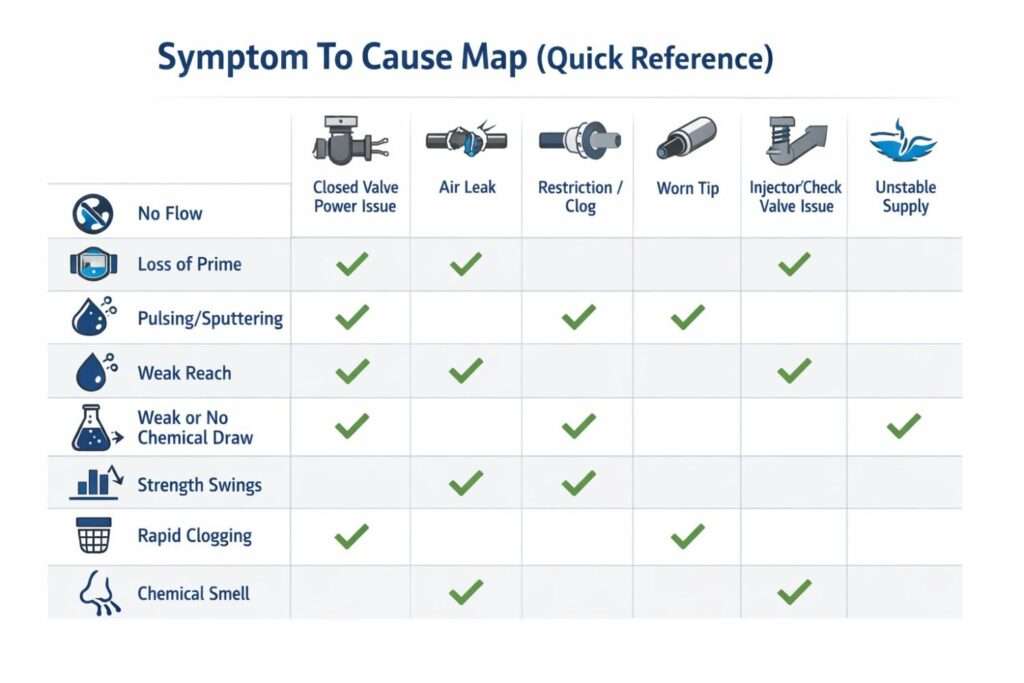
Even minor restrictions kill pressure. Rule out these common issues first.
| Issue | Signs | Solution |
|---|---|---|
| Low water supply | Under 2.5 GPM flow | Use pressure gauge; add inline pump |
| Kinked inlet hose | Hose collapses under suction | Replace with reinforced hose |
| Clogged filters | Weak flow, sputtering | Clean or replace inlet screen |
| Faulty unloader valve | Overheats, leaks, no pressure | Test movement; replace if stuck |
| Worn O-rings | Leaks, air in system | Replace with OEM seals |
Pro Tip: Install a high-quality inlet filter to prevent debris from entering the pump. This single step prevents most blockage-related failures.
Maintain Pump Valves Proactively
Prevention beats repair. Inspect valves during annual service.
Clean Valve Assemblies
- Remove valve covers with a screwdriver or socket
- Pull out inlet and outlet valve cartridges
- Gently pry open plastic housings without forcing them
- Examine sealing plates for pitting or debris
- Clean with a soft brush and water, no solvents
- Reinstall dry, as moisture traps contaminants
Red Flag: If a valve doesn’t snap closed when pressed, it’s worn. Replace it immediately.
Follow a Preventive Maintenance Schedule
Regular care prevents 80% of pressure washer failures.
Monthly Checks
- Inspect all hoses for cracks or soft spots
- Test trigger gun and wand for clogs
- Clean inlet filter and nozzle
- Check O-rings and gaskets for wear
Annual Service
- Replace pump seals and valves if needed
- Inspect unloader valve spring tension
- Flush pump with fresh water after dirty conditions
- Store with fuel stabilizer if inactive over 30 days
Bonus Tip: Run the unit for 2 to 3 minutes with clean water after each use to flush out detergent residue.
Avoid Common Repair Mistakes
Even experienced owners make these errors during Generac pressure washer troubleshooting.
Mistake: Skipping Gaskets
One documented case involved a missing gasket at a water line junction. Despite carburetor cleaning and fuel system flushing, pressure still pulsed. The fix was a two-dollar gasket.
Lesson: Never assume a tight connection is a sealed one. Always verify gaskets are present and undamaged.
Mistake: Ignoring Unused Fittings
The chemical injection port doesn’t need to be used to cause problems. If clogged or unsealed, it becomes an air intake point.
Fix: Clean and seal it properly, or remove and cap the line.
Mistake: Using Wrong Replacement Parts
Aftermarket O-rings may not withstand high pressure or chemical exposure.
Solution: Use OEM seals from Generac or trusted suppliers.
When to Contact Generac Support
If you’ve checked all connections, cleaned all filters, replaced seals, and still have no pressure, it’s time for expert help.
Contact Generac Support:
– Phone: 1-800-800-2234
– Hours: Monday through Friday, 8:00 AM to 6:00 PM Central Time
– Website: www.generac.com/support
– Online Portal: support.generac.com
Have your model number ready, such as 01439-0, for faster service.
Frequently Asked Questions About Generac Pressure Washer Troubleshooting
Why does my Generac pressure washer run but won’t build pressure?
The most common cause is a stuck or weakened spring in the unloader valve assembly. When the valve remains open, water recirculates inside the pump instead of building pressure. Replace or recondition the unloader valve following the steps above.
What causes pulsing pressure in a Generac pressure washer?
Air entering the system or a flow restriction causes pulsation. Check all connections for missing gaskets, clean the chemical injection fitting, and verify water flow from source to nozzle.
Why does my pressure washer lose pressure after 30 seconds?
This indicates air being pulled into the system during operation. Inspect all gaskets, clean the chemical injector, and replace worn seals. Verify your water supply delivers at least 2.5 GPM.
How do I clean the chemical injection fitting on my Generac?
Remove the fitting, inspect the screen, clean with a brush or compressed air, and flush the housing. If you don’t use detergent, remove the fitting and cap the line to prevent air leaks.
What maintenance does a Generac pressure washer need?
Monthly checks include inspecting hoses, testing the trigger gun, cleaning filters, and checking O-rings. Annual service includes replacing seals, inspecting the unloader valve, and flushing the pump.
When should I replace pump valves on my Generac?
Replace valves when they don’t snap closed when pressed, show visible wear on sealing surfaces, or fail to maintain pressure after cleaning. Use OEM parts for reliable performance.
Key Takeaways for Generac Pressure Washer Troubleshooting
Most Generac pressure washer problems stem from air leaks, blockages, or worn seals, not pump failure. Start with the unloader valve, check all gaskets, clean the chemical injector, and verify water flow. In most cases, you’ll restore full pressure in under an hour.
Your Next Step: Begin with the unloader valve inspection. If it moves freely and looks clean, move to the gasket and chemical fitting checks. Work through the diagnostic sequence in order, and you’ll find the culprit quickly.
Regular maintenance prevents these issues from returning. Check hoses monthly, clean filters, and inspect seals annually. Fix it right, clean it often, and your Generac pressure washer will deliver powerful performance for years.