Pressure Washer Keeps Shutting Off: Quick Fix
Does your pressure washer keep shutting off right when you need it most? This annoying problem usually stems from low oil levels or trapped air in the fuel system triggering safety sensors.
You can fix these issues quickly with simple checks before calling for repairs. This guide shows you exactly how to restore steady power to your machine using proven troubleshooting steps.
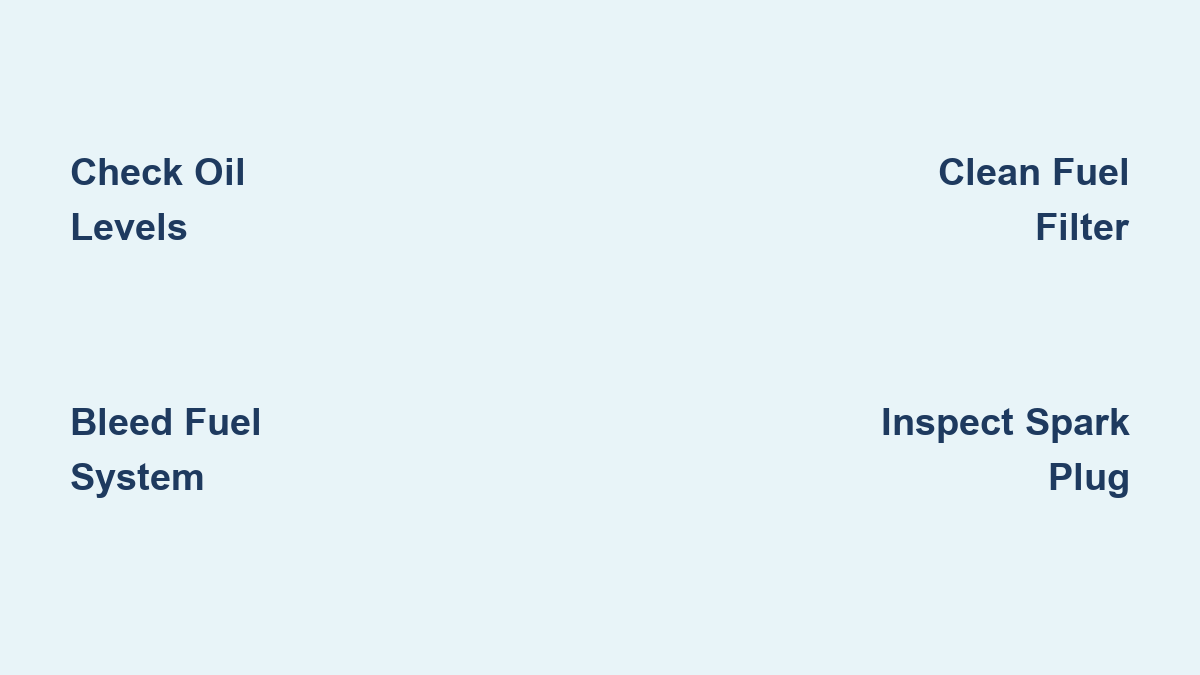
Verify Engine Oil Levels to Stop Automatic Shutdowns
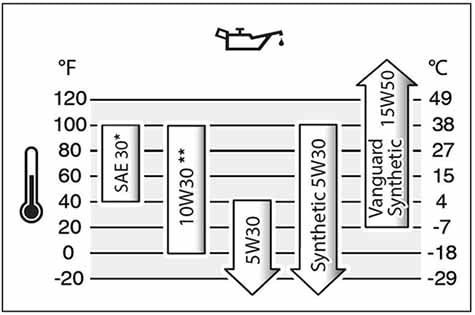
Modern engines include sensors that kill power instantly when oil drops below safe limits. This feature prevents catastrophic seizure but often feels like a random故障 to the user.
How to Check Oil Correctly
Place your unit on flat ground and let the engine cool for ten minutes. Pull the dipstick, wipe it clean, and reinsert it fully before removing it again.
- Ensure oil reaches the bottom of the dipstick threads
- Look for a clear film coating the metal tip
- Add recommended 10W-30 oil if the level is low
Warning: Running the engine with low oil causes permanent damage even for a few seconds.
Why Low Oil Triggers Cutoff
The sensor detects insufficient lubrication and cuts ignition immediately. If your oil level is full but the pressure washer keeps shutting off, you must investigate the fuel delivery system next.
Bleed Air From the Fuel System Quickly
Trapped air blocks gasoline flow and causes the engine to sputter or die after a few minutes. This issue often mimics a broken pump or severe mechanical failure.
Release Fuel Tank Pressure
Removing the fuel cap breaks any vacuum lock stopping the flow. Follow these steps to purge the system safely.
- Unscrew the fuel cap completely while the engine is off
- Wait ten seconds for air pressure to equalize inside the tank
- Restart the engine and let it run briefly
- Tighten the cap securely once the engine runs smooth
Identify Signs of Airlock
You can spot fuel system air issues by watching how the machine behaves during operation.
- Engine starts then dies within one to three minutes
- Uneven idle or sputtering sounds occur
- Hissing noise happens when removing the cap
- Fuel fails to reach the carburetor despite a full tank
Pro Tip: Always store your machine with the cap tightly sealed to prevent moisture and air entry.
Inspect Fuel Cap Vent for Blockages

A clogged vent in your fuel cap creates a vacuum that stops gas flow entirely. This specific failure point often gets overlooked during standard troubleshooting.
Test Cap Vent Functionality
Remove the cap and look closely at the small vent hole for debris or corrosion. Try running the engine without the cap for a very short test period.
- If the engine runs without the cap, the vent is blocked
- Replace a faulty cap immediately to avoid spills
- Never operate long-term without a proper cap installed
Consider upgrading to a vented cap with dual seals if you work in dusty environments.
Clean or Replace Clogged Fuel Filters
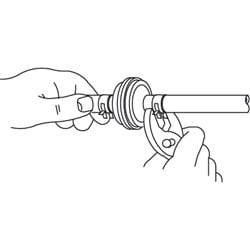
Dirty filters restrict gas flow and cause intermittent performance issues under load. A blocked filter starves the engine of necessary fuel.
Locate and Service the Filter
Shut off the fuel supply and place a container under the inline filter. Disconnect the filter carefully to inspect its condition.
- Check for dirt, rust, or gel-like residue inside
- Replace disposable filters if they look discolored
- Clean reusable filters with fresh gasoline only
Time Estimate: This task takes about ten minutes with basic tools.
Drain Old or Contaminated Fuel Supplies
Gasoline degrades within thirty days and forms gummy deposits that clog lines. Stale fuel is a leading cause of engines that start then die quickly.
Diagnose Bad Fuel Quality
Pour some fuel into a clear container to check its appearance and smell. Fresh gas should look clear and smell sharp rather than sour.
- Cloudy or separated liquid indicates water contamination
- Dark amber color suggests old oxidized fuel
- Varnish-like smell means the gas has gone bad
Drain the tank completely if you see any of these warning signs.
Flush the Entire System
Replace the fuel filter and refill with fresh E10 gasoline or less. Add a stabilizer if you plan to store the machine for more than a month.
Never mix old and new fuel as this accelerates clogging problems.
Examine Spark Plug Condition Closely

A fouled spark plug causes misfires that lead to sudden shutdowns especially when the engine gets hot. Weak sparks fail to ignite the fuel mixture properly.
Remove and Inspect the Plug
Disconnect the wire and use a socket wrench to remove the plug gently. Look at the tip color and electrode gap carefully.
- Wet oily deposits mean oil is burning in the chamber
- Black soot indicates a rich fuel mixture
- White blistered tips signal overheating issues
- Replace if the gap exceeds 0.030 inches
Install a new plug every season to ensure reliable ignition performance.
Prevent Carburetor Clogs From Stale Fuel
Fuel left in the carburetor turns into varnish that blocks tiny jets. These blockages prevent proper fuel mixing and cause stalling.
Recognize Carburetor Failure Signs
Watch for engines that start on choke but die once warmed up. Hard starting despite good compression often points here.
- Remove the carburetor for deep cleaning if needed
- Soak metal parts in specialized cleaner solution
- Use compressed air to clear all tiny passages
Try a carburetor cleaner additive in fresh fuel for mild clogs first.
Ensure Proper Engine Ventilation During Use
Overheating forces engines to shut down even when oil levels are perfect. Blocked cooling fins trap heat and trigger thermal protection.
Check Cooling Fins and Housing
Let the engine cool then inspect cylinder fins for dirt or leaves. Clean any debris with a soft brush or compressed air gently.
- Verify the blower housing is intact and unobstructed
- Ensure you have space around the machine while working
- Stop use immediately if the engine feels excessively hot
Good airflow keeps your pressure washer running longer without interruption.
Store Fuel Correctly to Avoid Future Issues
Improper fuel storage causes most recurring shutdown problems over time. Fresh treated fuel prevents many common engine headaches.
Follow Safe Storage Rules
Use approved sealed containers away from direct sunlight and heat. Treat fuel with stabilizer if storing beyond thirty days.
- Never use fuel older than sixty days without treatment
- Run the engine dry after use for long storage
- Use a fuel shutoff valve to prevent carburetor buildup
Proper storage habits save you time and repair costs later.
Frequently Asked Questions About Pressure Washer Shutdowns
Why does my pressure washer start then die after a few minutes?
This usually means air is trapped in the fuel line or the fuel cap vent is blocked. Try loosening the cap to release pressure and see if the engine stays running.
Can low oil cause my pressure washer to shut off randomly?
Yes, the low oil sensor cuts power immediately to protect the engine from damage. Always check that oil reaches the bottom of the dipstick threads before use.
How often should I replace the fuel filter on my pressure washer?
Replace the fuel filter annually or every fifty operating hours whichever comes first. A clogged filter restricts flow and causes intermittent shutdowns.
What type of fuel prevents pressure washer shutdowns best?
Use fresh E10 gasoline or less and add stabilizer if storing over thirty days. Old degraded fuel gums up the carburetor and causes stalling issues.
Will a bad spark plug make my pressure washer cut out?
A fouled or worn spark plug causes weak sparks that fail under load. Replace your spark plug every season to ensure consistent ignition performance.
Key Takeaways for Fixing a Pressure Washer That Keeps Shutting Off
Most shutdown issues resolve quickly by checking oil levels and bleeding air from the fuel system. These two simple steps fix the majority of cases where a pressure washer keeps shutting off unexpectedly.
Regular maintenance like fresh fuel and clean filters prevents these problems from returning. Start with the oil check today to get your machine running smoothly again.