Pressure Washer Motor Repair Guide
A sputtering pressure washer that cuts out mid-job stops your cleaning progress and leaves grime behind. Many owners assume the whole unit is dead, but pressure washer motor repair is often a simple, cost-effective solution you can do yourself.
This guide helps you identify if the motor is truly at fault or if another part is to blame. You will learn to diagnose electrical and fuel issues, test critical components, and decide when to repair or replace.
Identify Specific Motor Failure Symptoms
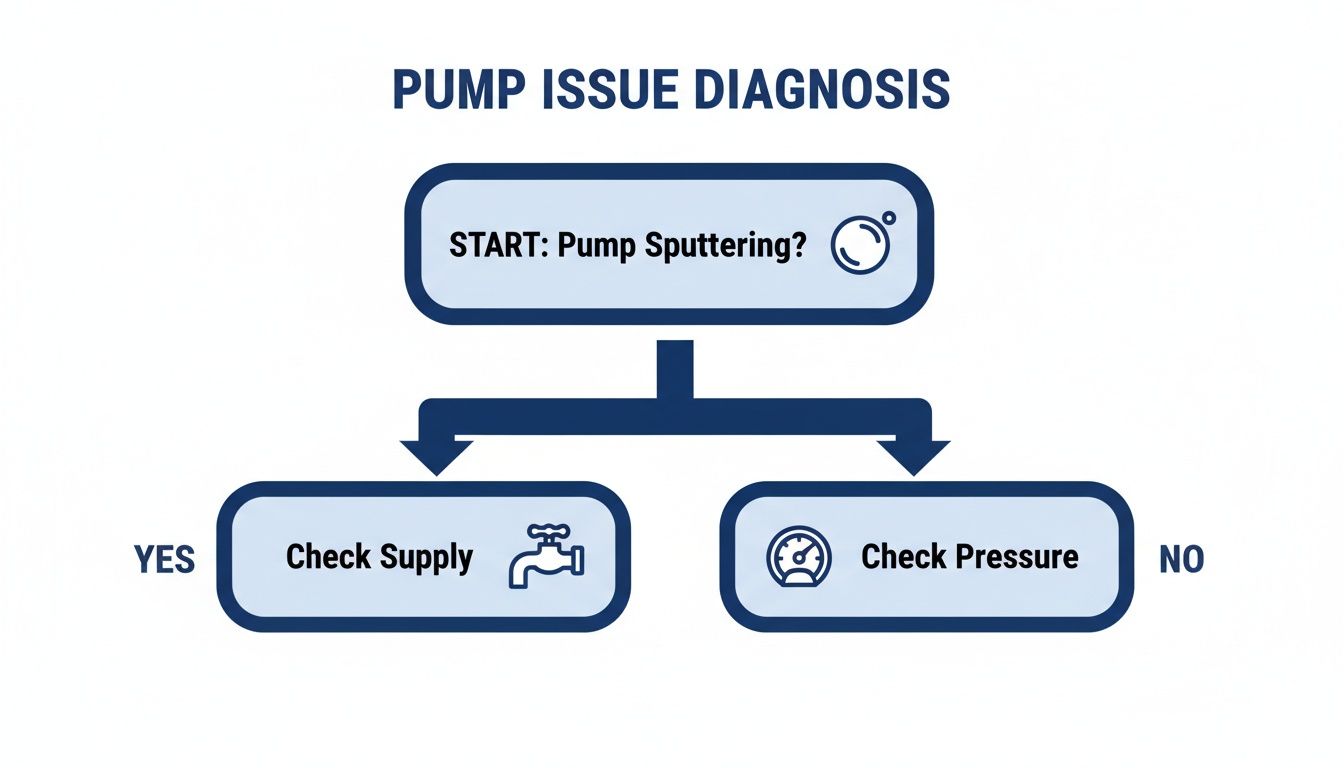
Confirming the motor is the root cause saves time before you start disassembling parts. Other components like the pump or unloader valve often mimic motor failure, so look for distinct power delivery issues.
No Start or Slow Crank Conditions
If the engine will not turn over, the starting system is likely at fault. Electric models may have tripped breakers, while gas units often suffer from ignition or fuel delivery failures. A humming sound without rotation in electric motors usually points to seized bearings or a bad capacitor.
Unexpected Shutdown During Operation
Sudden stops often indicate overheating or electrical faults within the unit. Electric motors have thermal overload protectors that cut power when windings get too hot. Gas engines may stall due to fuel flow interruptions or severe air filter blockages.
Burning Smell or Visible Smoke
A sharp, acrid odor or smoke requires immediate action to prevent fire hazards. This typically signals burnt windings, shorted wiring, or overheated internal components. Never restart a motor that has smoked, as further use risks permanent damage.
Diagnose Electrical Faults in Electric Models
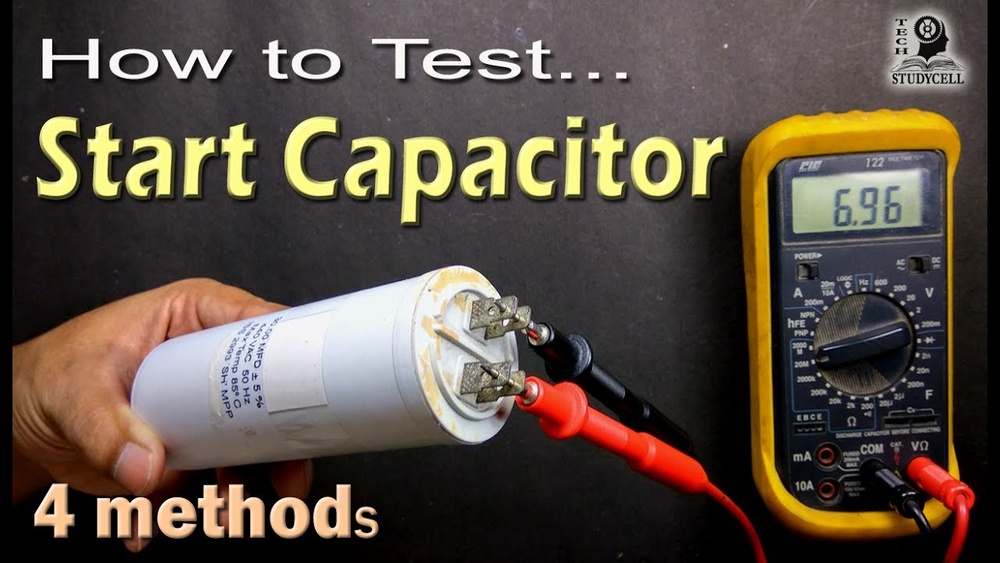
Electric pressure washer motors need consistent power and functional internal circuits to operate correctly. Most failures stem from power supply problems or failed electronic components like capacitors.
Test Power Source and Outlet Voltage
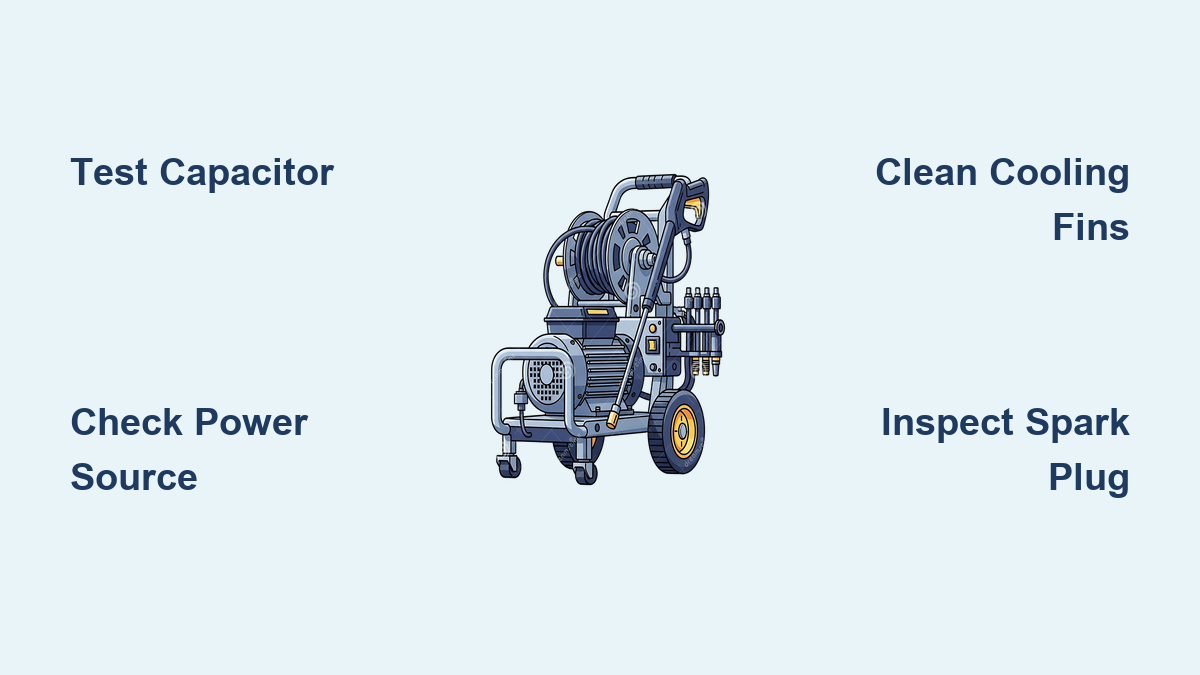
Always begin diagnostics at the outlet to rule out external power issues. Use a multimeter to verify the circuit delivers the correct voltage, such as 120V or 240V. Check GFCI outlets for trips and ensure your extension cords are rated for the motor amperage.
Inspect Motor Capacitor Condition
The start capacitor provides the initial boost needed to spin the motor shaft. Look for a swollen, leaking, or bulging casing as a sure sign of failure. If your multimeter shows the microfarad rating is more than 10% off the labeled value, replace it immediately.
Check Windings and Continuity
Test motor windings for continuity and shorts using a multimeter set to ohms. Low or zero resistance indicates shorted windings, while infinite resistance means an open circuit. If you detect ground continuity, the motor is grounded and requires replacement.
Address Fuel and Ignition Problems in Gas Models
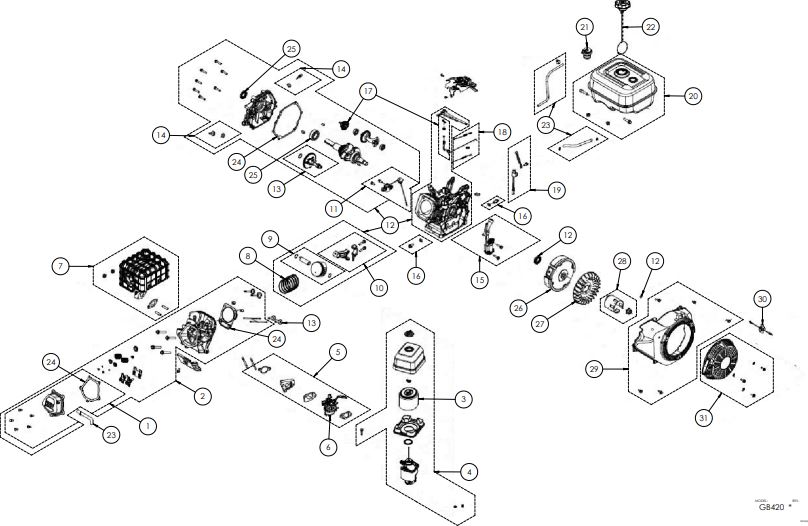
Gas-powered pressure washer motors depend on three core systems including fuel, spark, and compression. Failure in any single one of these areas will stop the engine from running.
Verify Fuel Delivery Systems
Old or contaminated fuel is a leading cause of motor failure in gas units. Drain stale gasoline from the tank and carburetor, then replace the fuel filter. Inspect fuel lines for cracks and use fresh, ethanol-free gas with the recommended oil mix for your model.
Test Spark Plug Function
Remove the spark plug to check for fouling, corrosion, or an incorrect gap setting. Reconnect the plug wire and ground the plug against the engine block while pulling the starter cord. If there is no spark, replace the plug first before testing the ignition coil.
Assess Compression Levels
Low compression means the engine cannot build enough pressure to ignite the fuel mixture. Use a compression tester to check levels, as most small engines require between 80 and 120 psi. Low readings suggest worn piston rings or a blown head gasket needing professional repair.
Inspect Mechanical Components for Binding
Even if the motor runs, mechanical binding or excessive load can cause overheating and shutdowns. The motor drives the pump directly, so problems downstream significantly affect performance.
Disconnect Pump for Motor Test
Isolate the motor by disconnecting the drive shaft or coupling between the motor and pump. Attempt to start the motor without any load to see if it runs freely. If the motor still struggles, the issue is internal; if it runs smooth, the pump is the problem.
Examine Bearings and Shaft Movement
Seized bearings create excessive load that prevents the motor from spinning. Spin the motor shaft by hand to ensure it turns smoothly with no grinding or resistance. If the shaft feels stiff or sounds noisy, the bearings are failing and need replacement.
Clear Debris from Cooling System
Dirt and debris often clog cooling fins on gas engines, leading to dangerous overheating. Shut off the unit and clean the fins with compressed air or a soft brush. Never use water for this task, as moisture can damage electrical components.
Replace Failed Motor Components
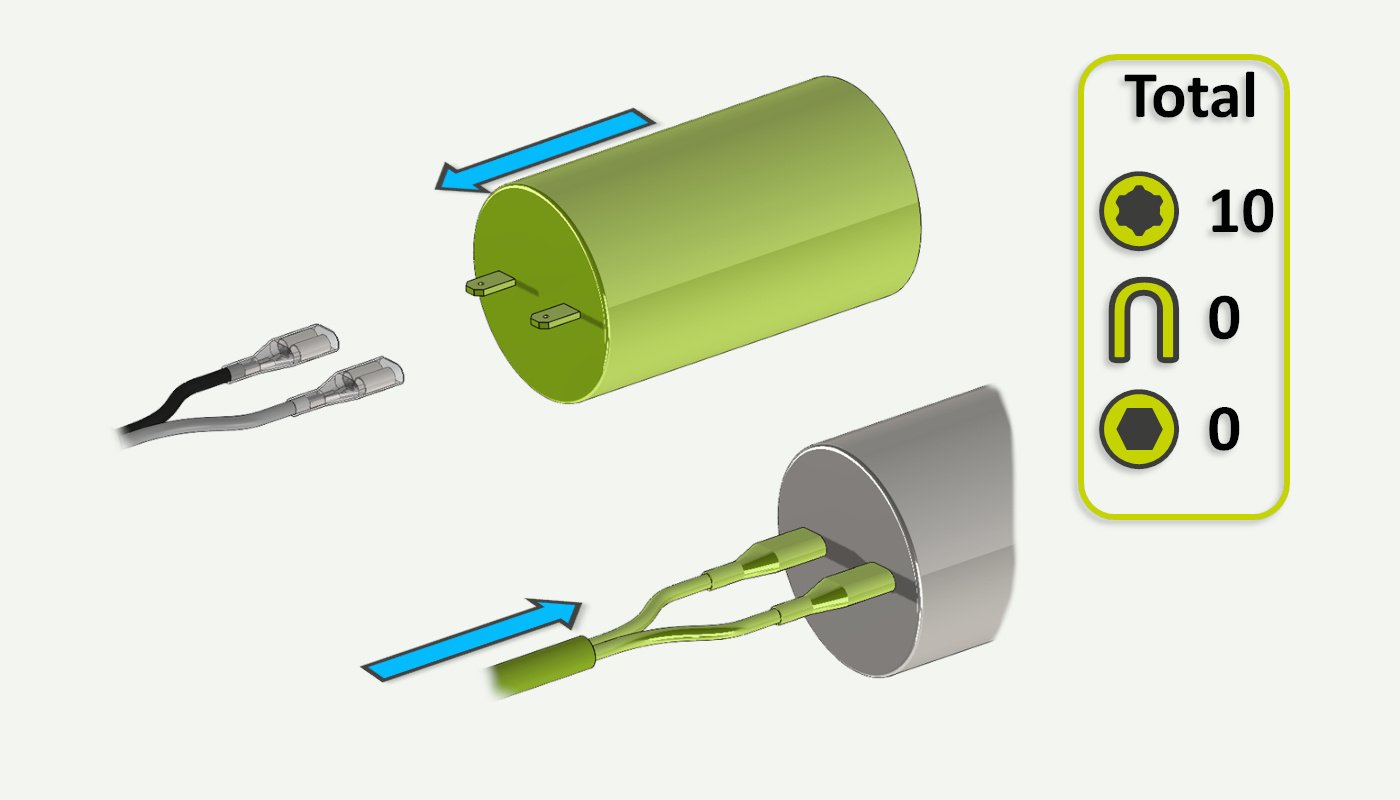
Some repairs are simple swaps, while others require full motor replacement depending on the damage. Knowing which path to take saves both time and money on your pressure washer motor repair.
Replace Start Capacitor
- Disconnect power and fully discharge the old capacitor.
- Remove the mounting bracket and disconnect all wiring.
- Install an exact replacement matching voltage and µF rating.
- Reconnect wires securely and test operation.
Swap Out Ignition Coil
- Disconnect the spark plug wire for safety.
- Remove the mounting screws holding the coil.
- Unplug the wiring harness and remove the old coil.
- Install the new coil and reconnect all wires before testing for spark.
Full Motor Replacement Steps
When internal damage is confirmed, replacement is the only viable option. Disconnect power, drain fuel, and detach the pump coupling and mounting bolts. Lift the old motor out carefully and position the new one, ensuring you match voltage, RPM, shaft size, and mounting pattern exactly.
Prevent Future Motor Failures
Routine maintenance prevents most motor problems and significantly extends the service life of your equipment. Following these steps ensures reliable performance for years.
Follow Duty Cycle Limits
Most pressure washer motors are designed for short bursts of continuous use followed by cooldowns. Exceeding these limits leads to overheating and winding damage, so adhere strictly to manufacturer guidelines.
Keep Air Vents and Fins Clean
Inspect and clean cooling areas after every single use to prevent buildup. Dust, lint, or grass clippings insulate heat and lead to premature motor failure if left unchecked.
Store Properly in Dry Conditions
Moisture causes corrosion and electrical shorts that ruin motors quickly. Store your unit indoors or under a cover, and add fuel stabilizer for gas models before long-term storage.
Decide When to Repair vs Replace
Not every motor issue warrants a repair, so consider cost, labor, and the age of your unit. Making the right choice prevents wasting money on a lost cause.
Repair If Conditions Are Right
Repair the motor if it is still under warranty or if only a single component like a capacitor failed. This approach works best if the unit is less than three years old and the repair cost is under half the price of a new machine.
Replace If Damage Is Severe
Replace the motor if the windings are burnt or grounded beyond repair. You should also buy a new unit if the engine block is cracked or if replacement parts are unavailable for your model.
Avoid Common Repair Mistakes
Even experienced users make errors that lead to repeat failures and wasted effort. Avoiding these pitfalls ensures your pressure washer motor repair is successful the first time.
Skipping the Load Test
Assuming the motor is bad without disconnecting the pump leads to unnecessary replacements. Always test the motor under no load first to confirm the diagnosis.
Using Incorrect Replacement Parts
A capacitor with the wrong µF rating can damage the motor permanently. Match every specification exactly to ensure safe and efficient operation.
Ignoring Grounding Issues
Poor grounding causes erratic operation and creates serious safety hazards. Ensure the motor frame is properly grounded, especially on metal-framed units.
Overlooking Simple Fixes
A tripped GFCI, empty fuel tank, or dirty air filter can mimic motor failure. Start with the basics before assuming the worst about your motor.
Frequently Asked Questions About Pressure Washer Motor Repair
Why does my electric pressure washer motor hum but not start?
A humming motor usually indicates a bad start capacitor or seized bearings preventing rotation. Test the capacitor with a multimeter and replace it if the reading is off by more than 10%.
Can I repair burnt windings in my pressure washer motor?
No, damaged windings cannot be repaired and require a full motor replacement. Attempting to rewind a small motor is rarely cost-effective compared to buying a new unit.
How do I know if my gas pressure washer has low compression?
Use a compression tester to check if the engine builds between 80 and 120 psi. Readings below this range suggest worn piston rings or valve damage needing professional attention.
What causes my pressure washer motor to overheat and shut down?
Overheating often results from clogged cooling fins, exceeding duty cycle limits, or a failing pump putting too much load on the motor. Clean all vents and ensure the pump spins freely.
Is it worth repairing an old pressure washer motor?
Repair is worth it if the cost is under 50% of a new unit and parts are readily available. If the engine block is cracked or parts are obsolete, replacing the whole machine is better.
Key Takeaways for Successful Pressure Washer Motor Repair
Successful pressure washer motor repair starts with accurate diagnosis rather than guessing at the problem. By isolating the motor from the pump and testing electrical or fuel systems, you can often fix the issue yourself. Regular cleaning and adhering to duty cycles will prevent most future failures.
Take action today by inspecting your unit’s power source, fuel quality, and cooling systems. If you find a failed capacitor or spark plug, replace it immediately to get back to cleaning.