How to Use a Pressure Washer on Car
Washing your car with a pressure washer can save time and deliver a deep clean, but doing it wrong risks damaging paint, seals, and sensitive components. Many car owners assume more pressure means better results, but this couldn’t be further from the truth. Excessive psi, incorrect nozzles, or poor technique can leave swirls, strip wax, or even peel paint.
This guide breaks down exactly how to use a pressure washer on a car safely and effectively. You’ll learn which pressure settings and nozzles to use, the correct wash order, and how to avoid the most common mistakes. Whether you’re cleaning wheels, removing bug splatter, or giving your car a full detailing prep, these proven steps will help you achieve a spotless finish.
Why Electric Pressure Washers Are the Only Safe Choice for Cars
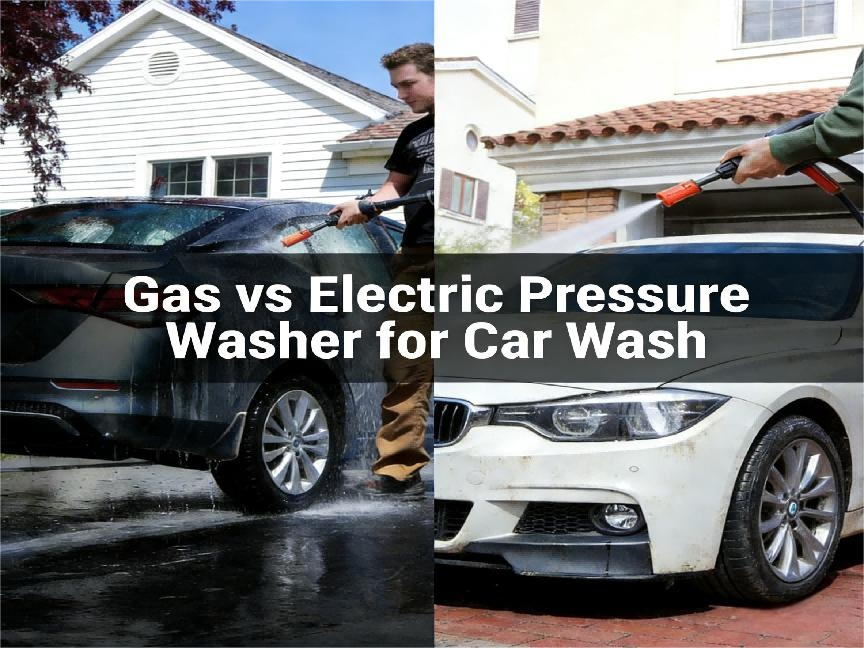
For car washing, electric pressure washers are the only safe option. Gas-powered models often exceed 3,100 psi, which is far too strong for automotive paint. Even brief exposure can chip clear coat, crack glass, or force water into door seals.
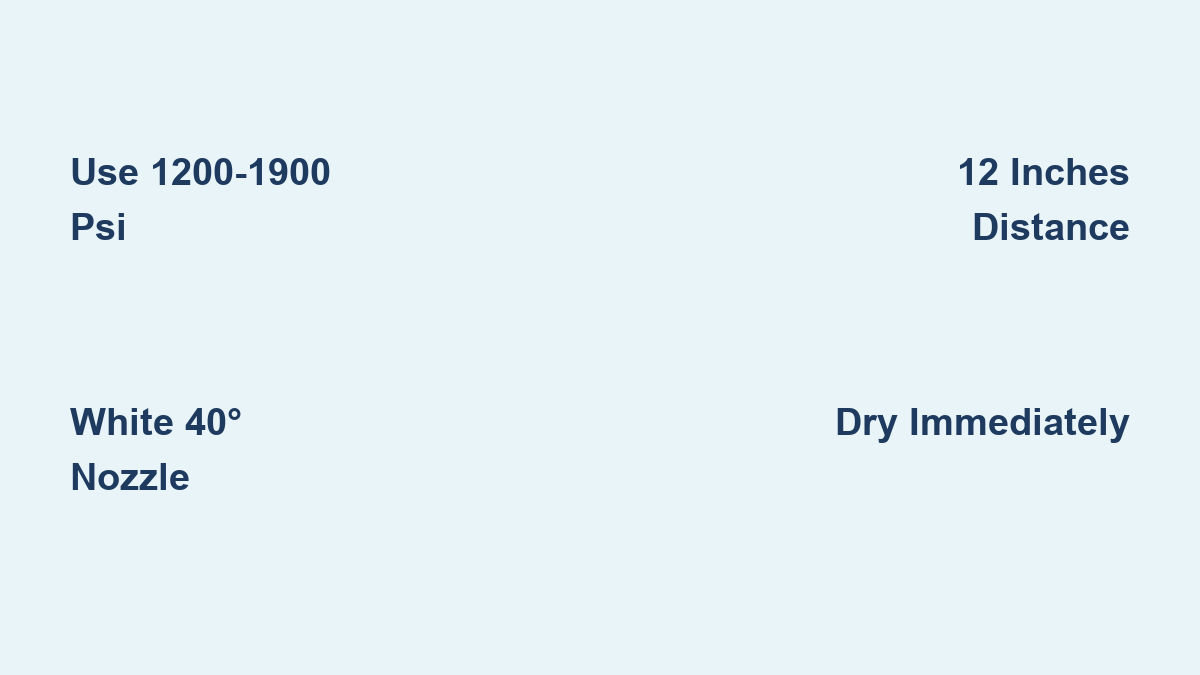
Stick to electric units rated between 1,200 and 1,900 psi. This range delivers enough power to loosen road grime without risking harm to your vehicle. Units at the lower end, like 1,450 psi, still clean effectively when paired with proper technique and a quality foam cannon.
Remember that higher pressure does not mean better results. In fact, excessive pressure is the top cause of pressure-wash-related paint damage.
Connect Your Garden Hose and Water Supply the Right Way
Start by attaching a standard garden hose to the pressure washer’s inlet. Turn the coupler clockwise until snug (“righty tighty”) to prevent leaks. A loose connection reduces pressure and can introduce air into the system.
Before powering on, open the water supply valve fully. Then pull the trigger on the spray gun to flush out trapped air. This bleeding step ensures smooth water flow. Only after this should you plug the unit into a grounded outlet.
Lock In the High-Pressure Hose Securely
The high-pressure hose connects to the spray wand via a swivel fitting. Push it in firmly until you hear a distinct click, which confirms the lock is engaged. Never operate the washer with a loose hose, since escaping high-pressure water can cause injury or damage.
Choose the Correct Nozzle for Car Washing
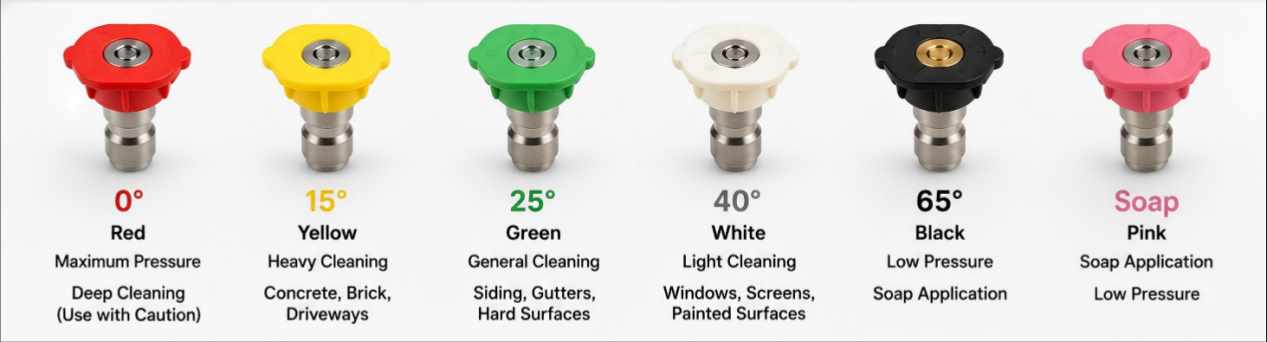
Know Your Nozzle Colors
Nozzles are color-coded by spray angle. Using the wrong one can scratch paint or blast off trim. Here’s what each means:
- White (40°): Wide, gentle spray. Use this for all painted surfaces.
- Green (25°): Narrower, more intense. Use only on wheels and heavy grime, never on paint.
- Black (Soap): Low-pressure setting for applying detergent. Always use with car-safe soap.
Install Nozzles Properly
To change tips, pull back the gold collar on the wand tip holder, insert the nozzle, then release the collar. A click means it’s locked. Always double-check before spraying.
For car washing, start with the white 40° nozzle. It spreads water wide enough to clean safely without concentrating force on any one spot.
Prepare Your Workspace and Vehicle Before Washing
Park on a Safe Surface
Wash on concrete or asphalt, never gravel. The pressure washer’s spray can kick up loose stones, which may scratch paint or crack windshields. Flat, level ground also prevents water pooling and ensures even rinsing.
Close All Windows and Gaps
Roll up all windows completely. Door and window seals aren’t pressure-proof, so water can seep inside and soak upholstery or electronics. Also, close sunroofs and ensure hood and trunk latches are secure.
Avoid Direct Sunlight
Washing in full sun causes soap to dry too fast, leaving streaks and water spots that can etch the clear coat. If you must wash in sunlight, work one section at a time and rinse immediately after soaping.
Pre-Wash with a Top-Down Rinse Technique
Start with a Long-Distance Spray
Begin rinsing from 3 feet away using the 40° white nozzle. This soft spray wets the surface without risking damage. After the initial rinse, move to 12 inches for more effective cleaning.
Never touch the wand tip to the paint. Even with low pressure, direct contact can chip paint or leave marks.
Use the Right Order
Wash in this order:
1. Roof
2. Hood
3. Trunk
4. Side panels
5. Wheels and wheel wells
This top-down approach prevents dirty water from dripping onto clean areas.
Spray Grille at an Angle
When rinsing the front grille, aim at a 45° angle, not straight in. This dislodges dirt without forcing water into the radiator, air intake, or sensors behind the bumper.
Apply Foam or Soap with Proper Dwell Time
Use a Foam Cannon for Best Results
If you have a foam cannon:
1. Remove the white nozzle from the wand
2. Add two squirts of car wash shampoo
3. Swirl to mix
4. Reattach the cannon and click into place
Spray a thick, clinging foam from top to bottom. Let it dwell for 3 to 5 minutes to break down grime before contact washing.
Foam Quality Matters
Many cheap foam guns only spray sudsy water. For real foam, invest in a dedicated foam lance like the MTM Hydro model (around $45). These produce thick, snow-like foam that clings and works longer.
No Foam Cannon? Use the Two-Bucket Method
If your washer lacks a soap tank, apply soap by hand using:
– One bucket with soapy water (such as Meguiar’s Gold Class)
– A second bucket with a Grit-Guard insert for rinsing the mitt
This prevents dirt from being dragged across the paint.
Wash with a Mitt Using Straight-Line Motions
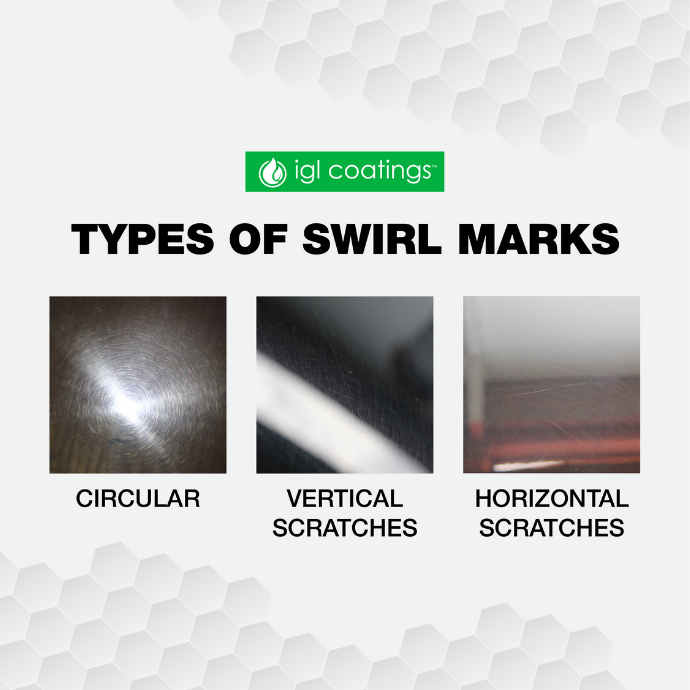
When wiping with a wash mitt, move in straight, back-and-forth strokes, not circles. Circular motions cause swirl marks, which are fine scratches visible in sunlight.
Start with the hood, then do doors, roof, and trunk. Keep the mitt soaked in soap and rinse it frequently in the grit guard bucket. This keeps dirt off the paint.
For bugs, tar, or tree sap, apply a dedicated remover before washing. Never rely on pressure alone, since this risks scratching the surface.
Rinse Thoroughly from Top to Bottom
Reattach the white 40° nozzle and rinse from top to bottom. Use overlapping passes (2 to 3 rinses per section) to ensure all soap is gone.
Leftover soap attracts dirt and can damage clear coat over time. Wheel wells and lower panels trap the most grime and soap, so rinse these extra thoroughly to flush out debris from crevices.
You don’t need full power to rinse soap. High pressure can push residue into seams and emblems. Use a light spray to gently wash away suds.
Dry Immediately to Prevent Water Spots
Use a Clean Microfiber Towel
Dry right after rinsing. Use a soft, lint-free microfiber towel and lift water off rather than dragging it. Start at the roof and work down.
Use a fresh section of the towel for each panel to avoid transferring dirt.
Avoid Air Drying in Sun
Letting your car air dry in sunlight leaves mineral deposits from water, causing water spots. These can etch into the clear coat if left too long.
Prevent Water Spots
Even with clean water, minerals remain. Immediate drying with microfiber is the best defense against spotting. For extra protection, use distilled or filtered water.
Avoid These Common Damage Risks
Never Pressure Wash Damaged Paint
If your car has stone chips, deep scratches, or peeling paint, skip the pressure washer. Water can seep under the paint and cause it to lift or bubble. This is especially true for repainted panels and plastic bumpers, which are more vulnerable.
Beware the Unloader Burst
When you first pull the trigger, pressure washers release a short burst stronger than normal output. Always point the wand away from the car when starting.
Keep a Safe Distance
Follow these rules:
– Initial spray: 3 feet away
– Cleaning spray: 12 inches away
– Never touch the wand to the paint
Distance is your best protection against damage.
Never Lock the Trigger
Never use a lock to keep the trigger open. An unattended spray wand is dangerous and can swing, break loose, or injure someone in seconds.
When to Use (and Skip) a Pressure Washer on Your Car

Use It For:
- Pre-washing heavily soiled vehicles
- Cleaning wheels and brake dust
- Rinsing after polishing or compounding
- Removing caked-on mud or bugs (after pre-treatment)
Skip It When:
- The car is only lightly dirty (use a hose and bucket)
- You’re using dish soap or household cleaners (they strip wax)
- The paint is already damaged or peeling
- You lack the correct nozzle or pressure control
Many pros agree that a pressure washer isn’t needed for every wash. For routine cleaning, traditional methods are safer and nearly as fast.
Water and Soap Tips for Better Results
Filtered Water Helps, But Isn’t Essential
Hard water leaves spots. A carbon or sediment filter removes particles and improves rinse quality. Reverse osmosis systems give spot-free results but are optional for home use.
Use Car-Specific Soap Only
Never use dish soap. It’s designed to cut grease but strips wax and sealants. Always use pH-balanced car wash shampoo.
Don’t Over-Concentrate Soap
Follow dilution instructions. Too much soap doesn’t clean better and leaves residue. Two squirts in a foam cannon is usually enough.
Combine Foam Lance and Two-Bucket for Best Results

A foam cannon loosens dirt before contact, reducing the risk of scratching during washing. It’s ideal for heavily soiled cars.
The two-bucket method is the gold standard for hand washing. It keeps dirt out of the soap bucket and off your mitt.
Use both together. Foam lance first, then two-bucket wash. Together, they deliver the safest, cleanest result.
Frequently Asked Questions About Using a Pressure Washer on a Car
What PSI Pressure Washer Is Safe for Car Paint?
An electric pressure washer rated between 1,200 and 1,900 psi is safe for automotive paint. Gas-powered units typically exceed 3,100 psi, which is far too powerful and can chip clear coat or crack glass. Higher pressure does not mean better cleaning; it actually increases the risk of paint damage.
Can a Pressure Washer Damage Car Paint?
Yes, a pressure washer can damage paint if used incorrectly. Holding the wand too close, using narrow nozzles, or spraying damaged paint can cause chipping, peeling, or swirl marks. Maintain at least 12 inches of distance, use the white 40° nozzle, and never spray over existing paint defects.
Should You Use Soap with a Pressure Washer on a Car?
Yes, but only car-specific wash soap. Dish soap strips wax and sealants from paint. Use pH-balanced car wash shampoo in a foam cannon or apply by hand using the two-bucket method. Let the soap dwell for 3 to 5 minutes before rinsing.
How Far Should You Hold a Pressure Washer from a Car?
Start at 3 feet away for the initial rinse, then move to 12 inches for cleaning. Never place the wand tip directly against the paint, even with the gentlest nozzle. Distance is your best protection against pressure-related damage.
Is It Okay to Pressure Wash Car Wheels?
Yes, wheels and wheel wells are ideal areas for pressure washing. Brake dust and road grime accumulate heavily in these spots. You can use the green 25° nozzle on wheels for more concentrated cleaning power, but avoid using it on painted body panels.
Can You Pressure Wash a Car with Damaged Paint?
No, you should never pressure wash a car with damaged paint. Pressurized water can seep under compromised paint edges and cause lifting, bubbling, or peeling. Repainted panels and plastic bumpers are especially vulnerable. Use traditional washing methods on any car with visible paint defects.
Key Takeaways for Pressure Washing Your Car Safely
Learning how to use a pressure washer on a car comes down to three core principles: proper equipment, correct technique, and patience. Use an electric unit between 1,200 and 1,900 psi, stick to the white 40° nozzle for paint, and maintain at least 12 inches of distance during cleaning.
Always pre-wash from top to bottom, apply foam with proper dwell time, and use the two-bucket method for contact washing. Dry immediately with a clean microfiber towel to prevent water spots, and never pressure wash over damaged paint.
Your next step is simple: gather your electric pressure washer, foam cannon, microfiber towels, and car wash soap, then follow this guide section by section. With the right approach, you’ll achieve a spotless, swirl-free finish that protects your car’s value and keeps it looking showroom-fresh for years to come.